

Why Türkiye Is a Leading Destination for Gallstone and Biliary Care
Türkiye has become one of the world's most trusted destinations for digestive-system surgery, and gallbladder disease sits at the heart of that reputation. Turkish gastroenterology units in Istanbul, Ankara and Izmir perform thousands of ERCP (endoscopic retrograde cholangiopancreatography) procedures and laparoscopic cholecystectomies every year, combining high-volume expertise with modern endoscopic suites, digital fluoroscopy and minimally invasive operating theatres.
For international patients, the appeal is practical: accredited hospitals (many holding JCI accreditation or ISO certifications), short hospital stays — often one night for laparoscopic gallbladder removal and same-day or overnight observation for biliary stenting — and a rapid return to normal life. English-speaking coordinators, transparent pricing and streamlined admission processes remove much of the anxiety that can accompany surgery abroad.
Türkiye's advantage is not only technical. The country's medical ecosystem is built around speed and comfort: private hospital rooms, on-site imaging, digital reporting, and discharge summaries prepared in English for your home doctor. For a condition as common as gallstones, this means you can travel, receive treatment, recover and fly home within a single week in many cases.
Recognising the Symptoms: When Gallstones Demand Attention
Gallstones are hardened deposits of bile that form in the gallbladder. Many people carry them without symptoms, but when a stone blocks the cystic duct or the common bile duct, the consequences can be sudden and severe. Classic biliary colic presents as intense pain in the upper-right abdomen, often radiating to the right shoulder or back, frequently triggered by fatty meals and lasting from 30 minutes to several hours.
Warning signs that require urgent evaluation include persistent pain with fever, yellowing of the eyes or skin (jaundice), dark urine, pale stools, and nausea or vomiting that will not settle. These may indicate acute cholecystitis, choledocholithiasis (a stone lodged in the bile duct) or ascending cholangitis — a serious infection that needs prompt drainage, often via ERCP stenting.
If you experience severe, unrelenting abdominal pain, high fever or confusion, seek emergency care immediately. For less acute symptoms, a planned trip to a Turkish gastroenterology centre allows you to arrive with your imaging and blood results, consult a specialist, and schedule the appropriate procedure without the long waiting lists common in some public health systems.
Early recognition matters: a simple ultrasound can confirm gallstones, while an MRCP or ERCP assesses the bile ducts. Turkish clinics typically complete this diagnostic work-up within 24 to 48 hours of your arrival.
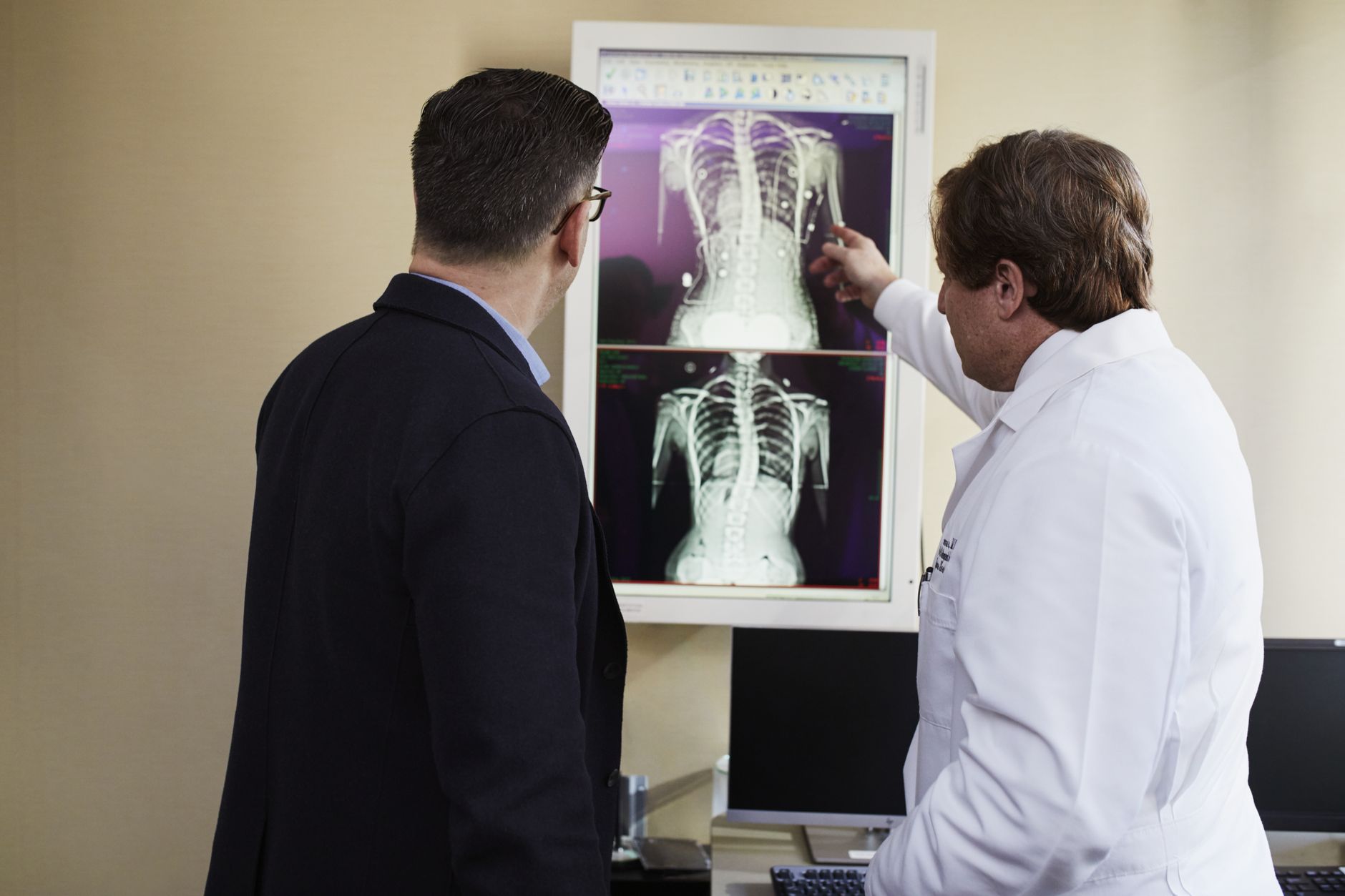
Choosing the Right Procedure: ERCP Stenting vs. Laparoscopic Cholecystectomy
The treatment your Turkish specialist recommends depends on where the problem lies. If stones are confined to the gallbladder and cause recurrent pain, laparoscopic cholecystectomy is the definitive solution. This keyhole surgery uses four small incisions, a high-definition camera and specialised instruments. Most patients are discharged within 24 hours and return to desk work in about a week.
If a stone has migrated into the common bile duct, or if the duct is narrowed by stricture or inflammation, your doctor may first perform ERCP with biliary stenting. During ERCP, a flexible endoscope is passed through the mouth to the duodenum, where the bile duct opening is accessed. Stones can be removed, and a stent — a small plastic or metal tube — is placed to keep bile flowing. Many patients undergo ERCP and gallbladder removal in a combined or staged approach during the same hospital stay.
Turkish centres are also experienced in laparoscopic common bile duct exploration and cholangioscopy for complex cases. If you have a history of pancreatitis, previous abdominal surgery, or a stent that needs exchange, bring all prior reports and images. Your Turkish team will map a personalised plan, often using MRCP or endoscopic ultrasound to confirm the anatomy before treatment.
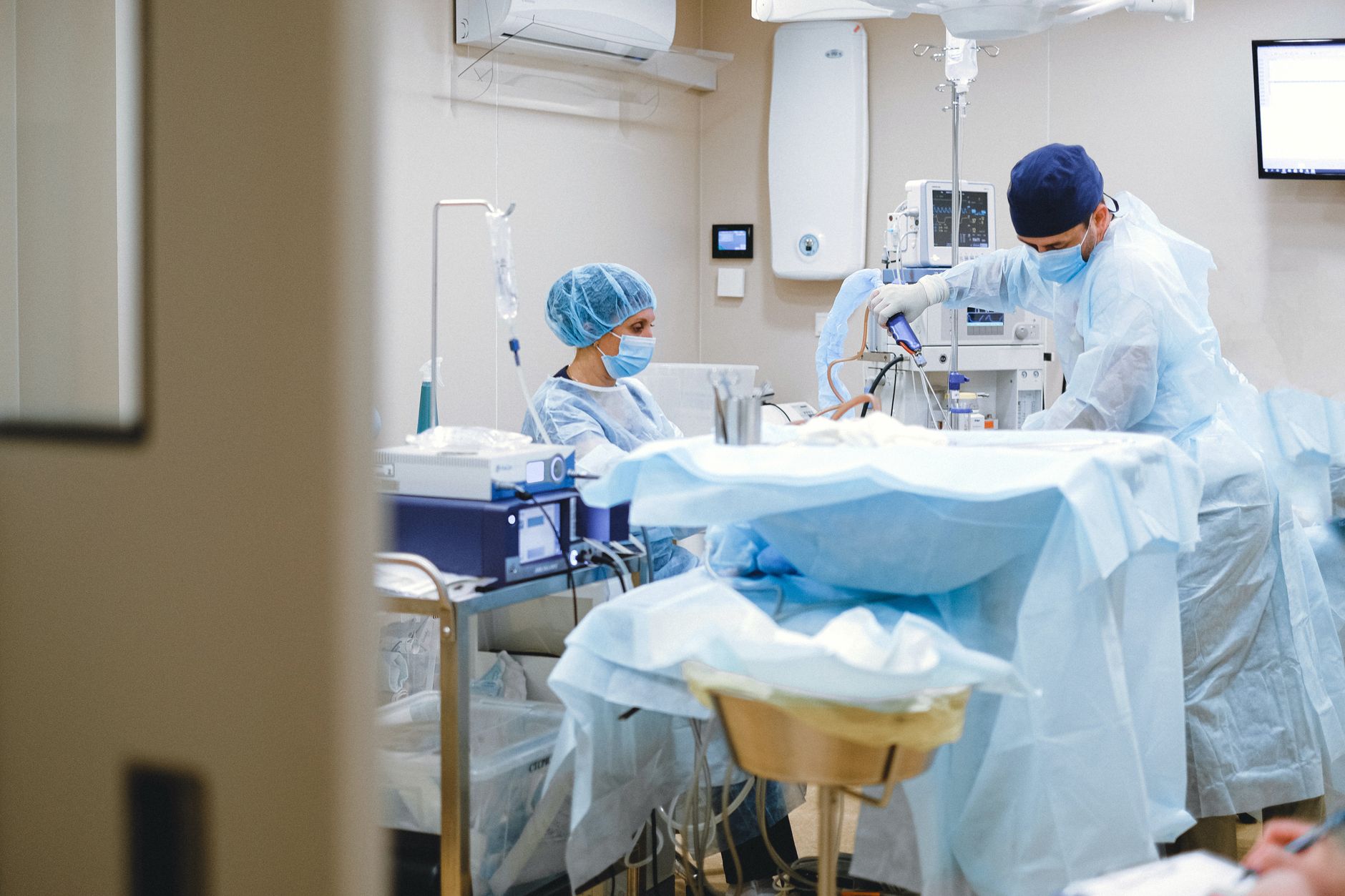
Pre-Procedure Preparation: Fasting, Medications and Travel Fitness
Proper preparation ensures a safe procedure and a smooth recovery. For ERCP or surgery requiring anaesthesia, you will typically be asked to fast for 6 to 8 hours for solid food and 2 to 4 hours for clear liquids before the procedure. Your coordinator will confirm exact timings, as they may differ for diabetics or patients on certain medications.
Medication management is critical. Blood thinners such as warfarin, apixaban or clopidogrel usually need to be paused under medical supervision. Diabetes medications, especially insulin and SGLT2 inhibitors, may require dose adjustment. Always inform your Turkish gastroenterologist of all prescriptions, supplements and allergies during the pre-operative consultation.
Before flying, request a fitness-to-travel letter from your home physician and assemble a medical file: recent ultrasound, CT or MRCP images, blood tests including liver function and coagulation panel, and a list of prior surgeries. Pack loose, comfortable clothing, slip-on shoes, and any prescribed medications in original packaging. Arrange travel insurance that explicitly covers planned medical treatment, and confirm your passport validity for at least six months beyond your return date.
- Fast as instructed — no solids after midnight for morning procedures.
- Bring all imaging on CD or USB, plus printed reports.
- Pause blood thinners only under medical direction.
- Pack a small pillow for the flight home to ease abdominal pressure.
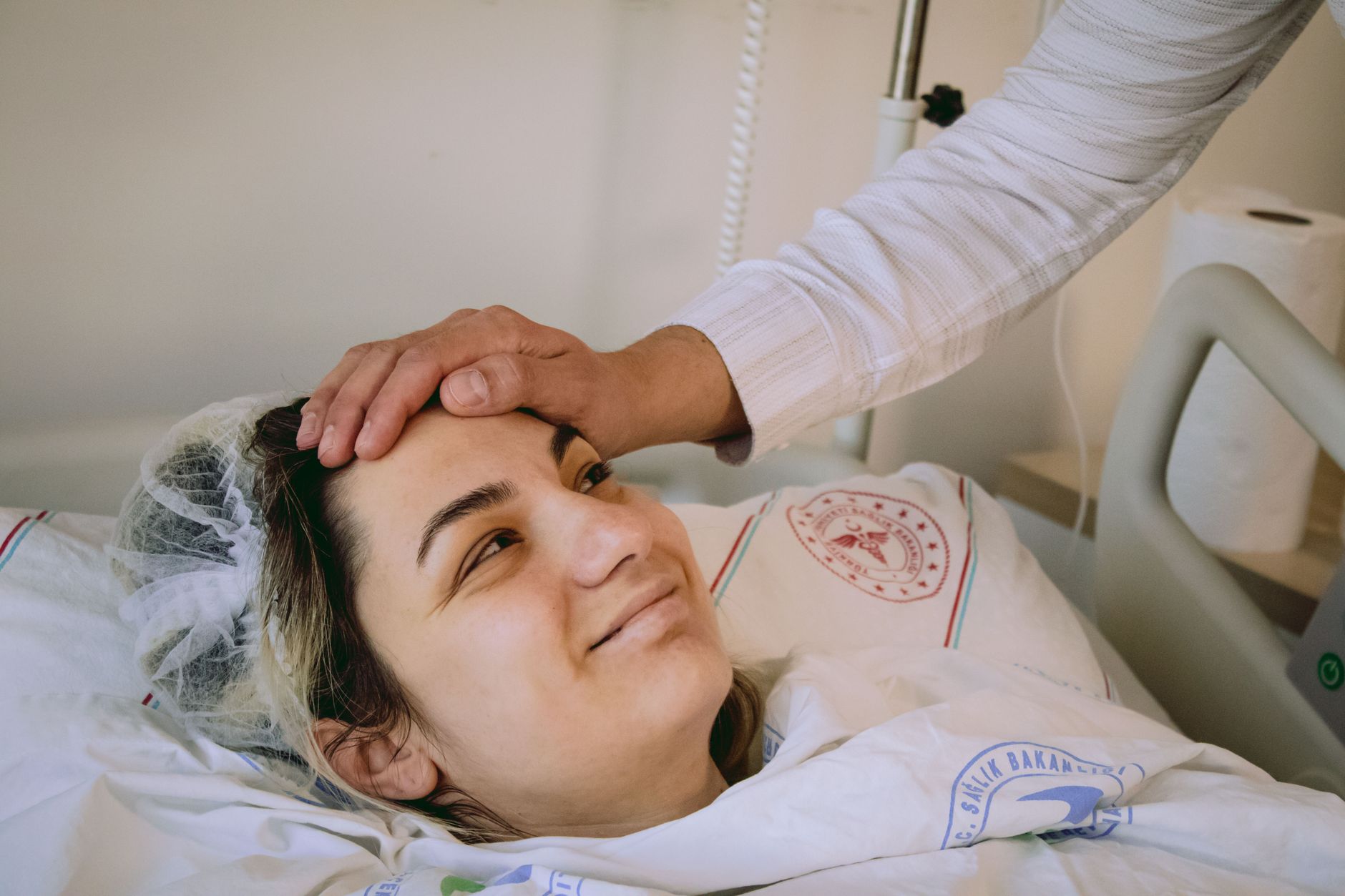
What to Expect in an Accredited Turkish Gastroenterology Centre
From the moment you arrive, the experience is designed to be seamless. Most JCI-accredited hospitals in Istanbul offer international patient departments with multilingual staff. You will be greeted at the airport or hotel, escorted to your appointment, and guided through registration, anaesthesia assessment and imaging — often all within a single day.
The technology is a standout feature. Modern endoscopy suites use high-definition scopes, carbon dioxide insufflation for comfort, and fluoroscopy for real-time stent placement. Operating theatres for laparoscopic cholecystectomy are equipped with 4K camera systems and advanced energy devices that reduce bleeding and tissue trauma. Recovery rooms are monitored around the clock, and private rooms include en-suite bathrooms, Wi-Fi and companion beds.
After your procedure, your surgeon will provide a detailed discharge report in English, including operative findings, stent details, medication instructions and follow-up recommendations. If a stent is placed, you will receive a clear timeline for its removal or exchange — often 3 to 6 months later, which can be done during a short return visit or, in some cases, coordinated with your local gastroenterologist.
Turkish hospitals frequently rank among the top global destinations for ERCP volume, giving teams deep familiarity with complex biliary cases and post-procedure care.
Recovery, Aftercare and Returning Home
Recovery from laparoscopic gallbladder surgery is typically quick. Expect some shoulder-tip discomfort from residual gas, mild incisional soreness and fatigue for a few days. Walk gently, stay hydrated, and eat light, low-fat meals. Most patients fly home 5 to 7 days after surgery, once cleared by their surgeon. After ERCP stenting alone, many patients feel well enough to travel within 2 to 3 days.
Before discharge, confirm your follow-up plan: when to remove sutures or strips, when to resume medications, and which symptoms warrant immediate attention. Warning signs include fever above 38°C, worsening abdominal pain, persistent vomiting, jaundice, or black stools. Your Turkish hospital will provide a 24/7 contact number for urgent questions during your stay and immediately after.
Once home, share your discharge summary and operative note with your GP or gastroenterologist. If a biliary stent was placed, schedule its removal or exchange as advised — do not delay, as stents can clog over time. A telemedicine follow-up with your Turkish specialist is often available for reassurance and medication adjustments.
Türkiye offers a rare combination: advanced gastroenterology, short hospital stays, and a culture of hospitality that makes medical travel feel less clinical. With proper planning, you can focus on recovery while the experts handle the medicine — and return to normal life faster than you might expect.
Thinking about treatment in Turkey?
Share your contact details and a verified doctor will follow up with a plan built around you — free, no obligation.