
Why Türkiye Leads in Minimally Invasive Vein Care
Türkiye has quietly become one of the world’s most trusted destinations for endovenous laser ablation (EVLA) and radiofrequency ablation (RFA). The country’s vascular clinics combine high‑volume expertise with a comfort‑first philosophy: most patients walk in for a consultation and walk out the same day with treated veins, minimal downtime, and a clear plan for a smooth return to normal life. Istanbul, in particular, offers a unique blend of advanced medical technology, English‑speaking specialists, and world‑class hospitality.
The secret is not just the equipment—it’s the workflow. Turkish clinics have perfected a streamlined pathway that starts with a detailed duplex ultrasound mapping on arrival, followed by a same‑day procedure when appropriate. This “see and treat” model means fewer trips, less waiting, and faster relief from symptoms like aching, swelling, and visible varicose veins. For international patients, that efficiency translates into more time enjoying the city and less time navigating a fragmented healthcare system.
Another advantage is the aesthetic finesse. Endovenous techniques are minimally invasive: no large incisions, no general anesthesia, and virtually no scarring. Tiny puncture sites—often less than 2 mm—mean you can wear shorts or a swimsuit later without worrying about prominent marks. The result is a dual win: medical improvement and cosmetic confidence. In 2026, Türkiye’s vascular centers are raising the bar even higher with next‑generation laser fibers, temperature‑controlled radiofrequency catheters, and personalized compression protocols designed specifically for travelers.
Duplex Mapping on Arrival: Your First Step to a Tailored Plan
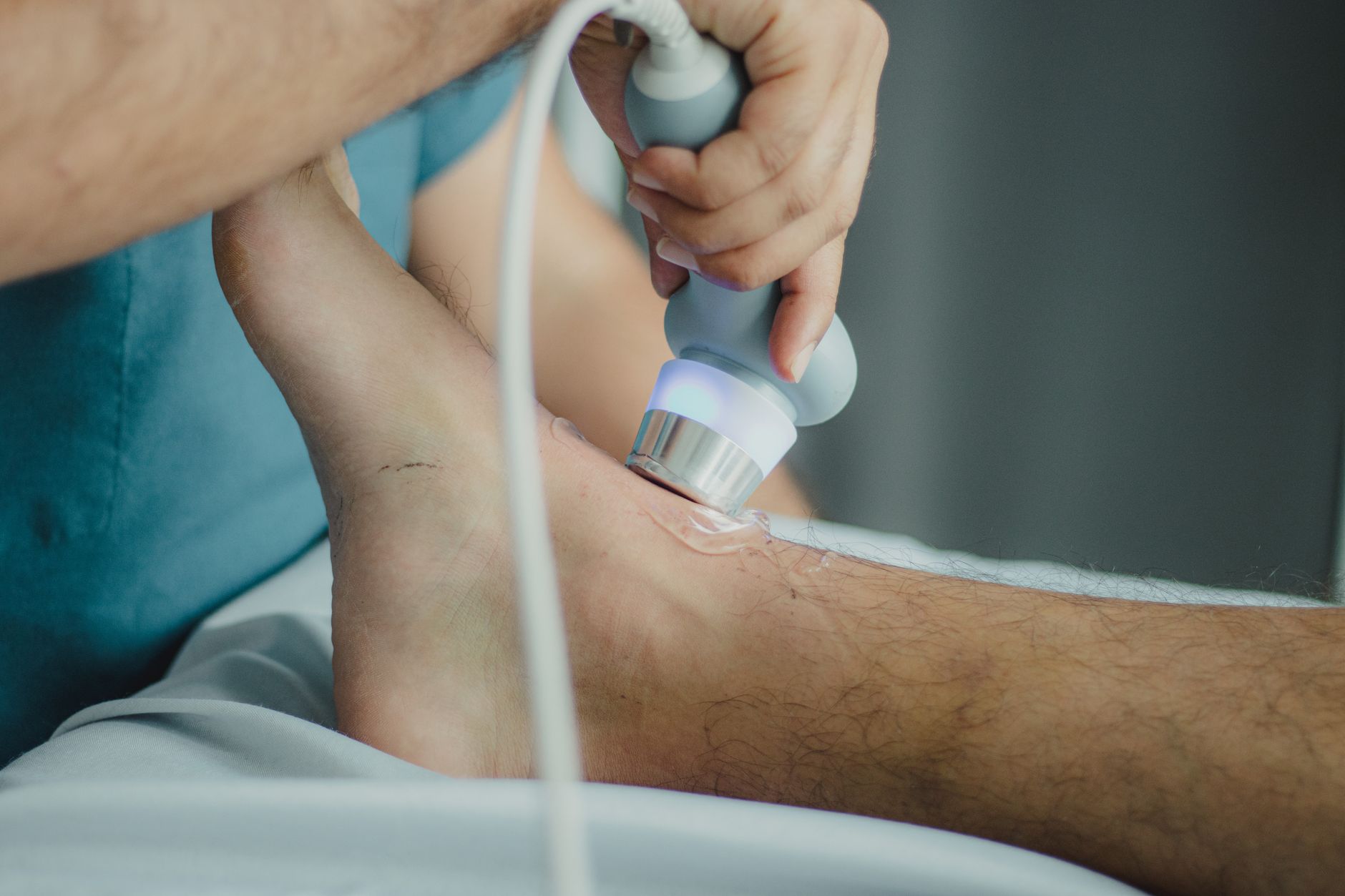
Before any treatment, your vascular surgeon will perform a comprehensive duplex ultrasound mapping. This non‑invasive scan uses sound waves to create a detailed map of your superficial and deep venous systems. It reveals which veins are incompetent, where the reflux occurs, and how blood flows through the leg. The mapping usually takes 20–30 minutes per leg and is completely painless—you simply lie back while a technician glides a probe over your skin.
What makes the Turkish approach stand out is that the mapping is done on the same day as your consultation, often within an hour of arrival. That means no separate trip for diagnostics. The surgeon reviews the images with you on a large monitor, explains exactly what’s happening, and designs a treatment plan tailored to your anatomy and lifestyle. If you’re a good candidate for EVLA or RFA, you can often proceed with the procedure immediately after the mapping.
This on‑arrival mapping is especially valuable for medical travelers because it eliminates uncertainty. You’ll know before you leave the clinic whether you need treatment, which veins will be addressed, and what the recovery will look like. It also allows the team to check for deep vein thrombosis (DVT) or other conditions that might require a different approach. Many clinics provide a written report and a USB drive with your images—useful for your referring physician back home.
Single‑Visit Treatment Options: EVLA and RFA Explained
Endovenous laser ablation (EVLA) and radiofrequency ablation (RFA) are the gold standards for treating varicose veins caused by saphenous vein reflux. Both are minimally invasive, catheter‑based procedures that seal the faulty vein from the inside using heat energy. EVLA uses laser energy, while RFA uses radiofrequency waves. The choice between them depends on the vein’s size, location, and your surgeon’s preference—both have excellent success rates and similar recovery profiles.
The procedure itself is surprisingly quick. After a local anesthetic is administered, a thin catheter is inserted into the vein through a tiny puncture near the knee or ankle. Ultrasound guides the catheter to the precise location. Then, as the catheter is slowly withdrawn, it delivers controlled energy that collapses and seals the vein. Blood is instantly rerouted to healthier veins, improving circulation and reducing symptoms. Most patients feel only a mild warmth or pressure during the treatment.
In Türkiye, many clinics offer a single‑visit treatment model: consultation, duplex mapping, and the procedure all in one day. If you have bilateral vein disease, some surgeons will treat both legs in one session; others prefer to stage them a day apart for comfort. Either way, you’ll walk out of the clinic on your own, typically within an hour after the procedure. There’s no need for general anesthesia, no hospital stay, and no long recovery. You can return to your hotel, take a gentle walk, and even enjoy a light dinner the same evening.
For smaller varicosities or spider veins, your surgeon may combine EVLA/RFA with adjunctive treatments like foam sclerotherapy or microphlebectomy—also performed through tiny punctures. This comprehensive approach ensures the best aesthetic and medical outcome in a single visit.
Compression Guidance for Travel: What to Wear and When
Compression stockings are a crucial part of your recovery, especially when you’re traveling. After EVLA or RFA, your surgeon will recommend a specific compression class (usually 20–30 mmHg or 30–40 mmHg) and a duration—typically 1–2 weeks of daytime wear, sometimes longer for extensive treatment. The stockings help maintain vein closure, reduce swelling, and prevent complications like DVT. They also make your legs feel more comfortable during the flight home.
For air travel, timing matters. Most clinics advise waiting at least 3–5 days after the procedure before flying, though some patients fly sooner with medical clearance. On travel days, wear your compression stockings from the moment you leave the hotel until you reach your destination. During the flight, get up and walk every hour, do ankle pumps and leg lifts in your seat, and stay hydrated. Avoid alcohol and caffeine, which can dehydrate you and worsen swelling.
Turkish clinics excel at practical compression guidance. They’ll measure you for the correct size, show you how to put the stockings on (including tips for using a donning aid), and provide a written schedule. Many also offer a follow‑up video call after you return home to check your progress and adjust compression needs. If you’re combining your medical trip with sightseeing, plan your walking tours for the days when you feel most comfortable—usually after the first 48 hours—and wear your stockings as directed. The good news: compression stockings are discreet under loose trousers, and Istanbul’s stylish medical supply stores offer fashionable options in neutral colors.

Recovery and Return to Normal Life: A Realistic Timeline
One of the biggest advantages of endovenous treatment in Türkiye is the rapid return to normal activities. Most patients experience only mild discomfort, easily managed with over‑the‑counter pain relievers. You’ll be encouraged to walk immediately after the procedure—this actually helps prevent blood clots and speeds healing. Within 24 hours, you can resume light activities like sightseeing, working on a laptop, or enjoying a Turkish breakfast.
Here’s a typical timeline: Day 0 (procedure day) – walk for 10–15 minutes every few hours; Day 1–3 – increase walking to 30–45 minutes daily; avoid heavy lifting, strenuous exercise, and prolonged standing; Day 4–7 – many patients return to desk work and normal routines; Week 2 – most resume aerobic exercise and strength training (starting light); Week 4 – full activity, including high‑impact sports, if cleared by your surgeon. Bruising and mild swelling are normal and fade within 1–2 weeks. Any lumps under the skin (from sealed veins) usually resolve within a month.
Your Turkish clinic will provide a detailed aftercare plan, including when to take pain relief, how to care for puncture sites (usually just keeping them clean and dry), and warning signs to watch for. They’ll also schedule a follow‑up duplex ultrasound—either in person before you leave or via a local provider at home—to confirm vein closure. Most patients see significant improvement in symptoms within days and aesthetic results within weeks. By the time you fly home, you’ll likely be amazed at how easy the whole process was.
Beyond the Procedure: Making the Most of Your Medical Trip
Türkiye’s medical tourism infrastructure is designed to make your trip seamless. Many clinics offer packages that include airport transfers, hotel booking assistance, and translation services. Istanbul’s modern hospitals and specialized vein centers are located in areas like Nişantaşı, Levent, and Bahçelievler, close to luxury hotels and cultural attractions. You can combine your treatment with a relaxing holiday—think Bosphorus cruises, visits to the Grand Bazaar, and world‑class cuisine—while your legs heal comfortably.
To ensure a smooth experience, plan ahead: send your medical records and duplex images (if you have them) to the clinic before you travel. Confirm the total cost in writing, including compression stockings, follow‑up scans, and any additional treatments. Ask about the surgeon’s experience with international patients and whether they speak your language. Most reputable clinics in Türkiye have English‑speaking coordinators who handle everything from visa letters to post‑op check‑ins.
In 2026, Türkiye remains a top choice for vein treatment because it delivers what medical travelers value most: expertise, efficiency, and comfort. With duplex mapping on arrival, single‑visit EVLA/RFA, and thoughtful compression guidance for travel, you can address your vein problems without disrupting your life. You’ll walk in, walk out, and get back to living—often with better‑looking legs and a renewed sense of energy. That’s the promise of minimally invasive vein care in Türkiye, and it’s waiting for you.
Thinking about treatment in Turkey?
Share your contact details and a verified doctor will follow up with a plan built around you — free, no obligation.