

Why Türkiye Is a World Leader in Urogynaecology and Pelvic Floor Repair
Türkiye has quietly become one of the most respected destinations in the world for urogynaecology and reconstructive pelvic surgery. University hospitals in Istanbul, Ankara and Izmir train surgeons to European and American board standards, and many urogynaecologists working there hold fellowships from centres in Germany, the United Kingdom or the United States. For women living with pelvic organ prolapse, urinary incontinence or the after-effects of childbirth and menopause, this means access to specialists who perform these procedures every week — not a few times a year.
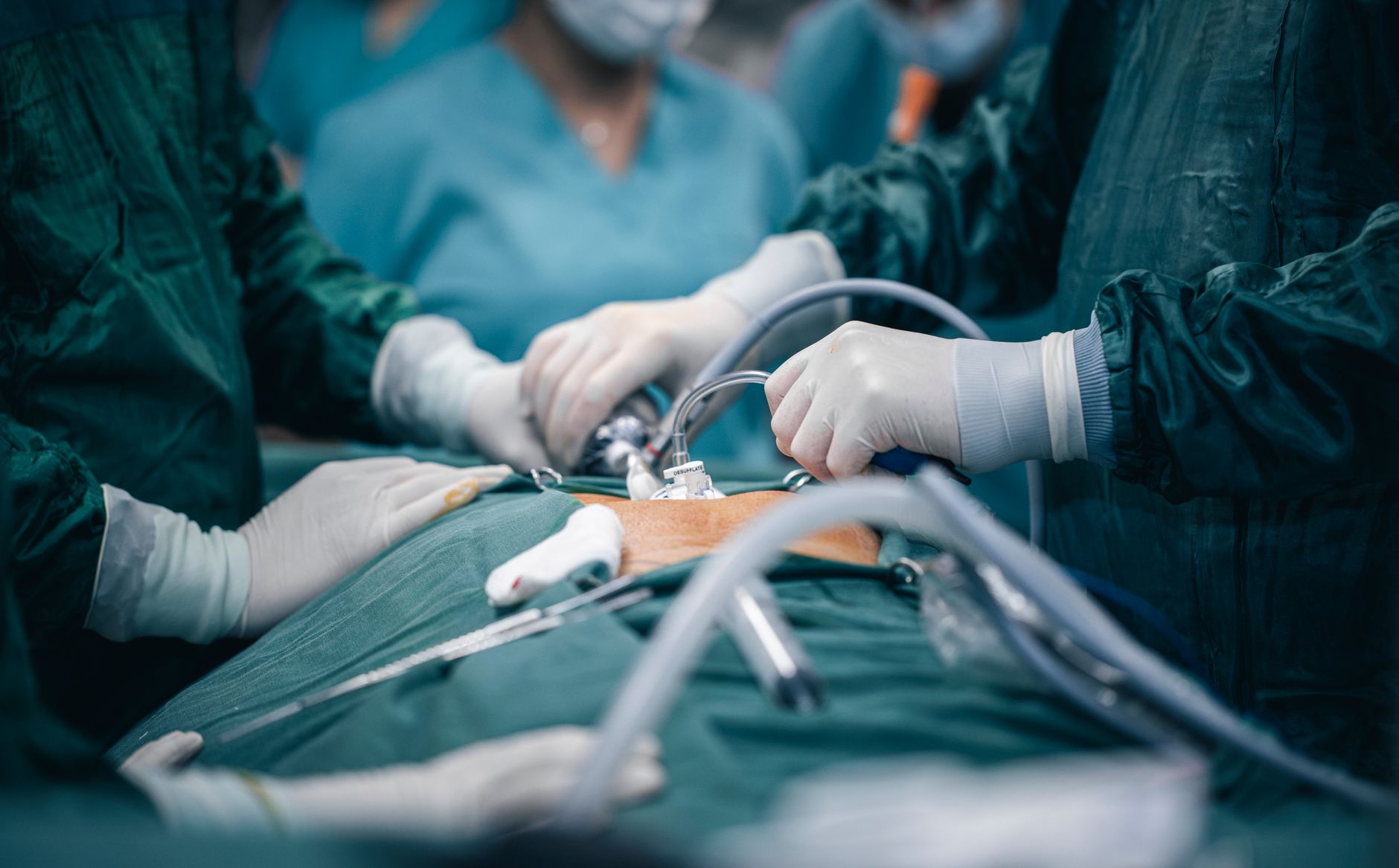
What distinguishes Turkish teams is a strong preference for minimally invasive laparoscopic and vaginal approaches. Rather than open abdominal surgery, most repairs are performed through small keyhole incisions or entirely through the vagina, using the body's own fascia and ligaments instead of synthetic mesh. This is often described as native tissue repair or mesh-free reconstruction, and it has become the first choice for many patients because it carries a lower risk of erosion, chronic pain and reoperation than older mesh-based techniques.
Istanbul's private hospitals offer robotic-assisted laparoscopy, high-resolution urodynamic testing, 3D pelvic floor ultrasound and dedicated pelvic floor physiotherapy — all under one roof. For international patients, this combination of advanced technology, experienced hands and genuinely warm hospitality makes Türkiye an empowering place to begin restoring your comfort and confidence.
Understanding Pelvic Organ Prolapse and Your Surgical Options
Pelvic organ prolapse occurs when the muscles and connective tissue supporting the bladder, uterus, bowel or vaginal walls weaken, allowing one or more organs to descend into the vagina. Symptoms can include a feeling of heaviness or a bulge, discomfort during intimacy, difficulty emptying the bladder or bowels, and a sense of reduced confidence in daily life. It is extremely common after vaginal deliveries and during and after menopause, and it is nothing to be embarrassed about — it is a structural issue with proven surgical solutions.
In Türkiye, your urogynaecologist will typically begin with a detailed assessment: a pelvic examination, urodynamic studies to measure bladder function, and often a pelvic floor ultrasound. Based on which compartments are affected — anterior (cystocele), posterior (rectocele) or apical (uterine or vault prolapse) — they will recommend a tailored procedure. Common options include laparoscopic sacrocolpopexy using native tissue, laparoscopic hysteropexy, vaginal mesh-free colporrhaphy, and sacrospinous ligament fixation.
Many Turkish surgeons also combine prolapse repair with a mid-urethral sling or a Burch colposuspension if stress incontinence is present, so that one operation addresses both problems. The guiding philosophy is to restore anatomy with the least invasive technique possible, preserving function, sensation and natural tissue wherever it is safe to do so. Ask your surgeon directly whether a mesh-free approach is suitable for your case — in most primary prolapse repairs, the answer is yes.
"The goal is not just to lift the prolapse. It is to give a woman back her comfort, her activity and her confidence — with the least possible intervention."

Consultation, Second Opinions and Building Your Surgical Plan
Your journey can begin before you even leave home. Most Turkish urogynaecology clinics offer online video consultations with English, German, Arabic or Russian-speaking coordinators. You can send your medical history, previous operation reports and any imaging in advance, then speak directly with the surgeon about your symptoms, your goals and whether surgery is the right step.
During this consultation, be open about what matters most to you: returning to exercise, resuming intimacy, lifting grandchildren, or simply feeling comfortable on a long walk. A good surgeon will listen carefully and explain which technique they recommend and why, how long the operation lasts, what the recovery will feel like, and what the realistic success rates are. Do not hesitate to ask about the surgeon's personal volume of prolapse repairs, their mesh-free experience, and their reoperation rate.
If you would like a second opinion, Turkish clinics are accustomed to providing one — it is a normal and respected part of the process. Once you and your surgeon agree on a plan, the clinic will prepare a written treatment proposal including the procedure name, the expected hospital stay, the cost and what is included. This document is also what you will use for your visa application and for any insurance or employer correspondence.
Arranging Travel, Visas and Your Istanbul Hospital Stay
Türkiye is easy to reach. Istanbul alone is served by two major airports with direct flights from most European, Gulf, North African and North American hubs, and the city is a visa-free or e-visa destination for citizens of many countries. For medical travel, most patients enter on a standard tourist e-visa; if you require a medical visa, the hospital's international office will issue an invitation letter that you submit with your application. Always confirm the current entry rules for your nationality before booking.
A typical surgical package for prolapse repair includes a pre-operative day of tests, one to two nights in hospital, and a supervised discharge on the second or third day. Minimally invasive laparoscopic and vaginal repairs usually mean less pain, less blood loss and a faster return to walking than open surgery, so many women are up and moving gently within hours. Private hospitals in Istanbul offer private rooms, international patient lounges, halal and diet-specific meals, and nursing staff who speak English.
Plan to stay in Istanbul for roughly 7 to 10 days in total: a day or two for pre-operative assessment, the operation, two or three nights in hospital, a post-operative check, and a few relaxed days in a comfortable hotel before flying home. Your surgeon will advise on the safest time to fly — usually around 7 to 10 days after surgery for uncomplicated cases — and will provide a fit-to-fly letter.

Recovery in a Comfortable Turkish Setting
One of the unexpected gifts of recovering in Türkiye is how pleasant the surroundings can be. Many patients choose a hotel in the calm, leafy districts of Istanbul — Nişantaşı, Etiler, Bebek or the Bosphorus waterfront — where they can take short, gentle walks beside the water, sit in a quiet garden, and enjoy fresh Turkish breakfasts of olives, cheese, eggs and herbal teas. Light movement and good nutrition genuinely support healing.
Your first weeks at home should be gentle but not completely sedentary. Walking is encouraged, and pelvic floor physiotherapy usually begins a few weeks after surgery. For the first six weeks, avoid heavy lifting (nothing over about 5 kg), strenuous exercise, prolonged standing and anything that increases pressure on the repair. Your Turkish team will give you a clear, written recovery plan, and most clinics offer telehealth follow-up appointments once you are back home.
Recovery is a season, not a race. Many women notice a real improvement in comfort within two to three weeks, feel substantially like themselves by six weeks, and can return to swimming, cycling and yoga by three months. The reward — freedom from the heaviness, the leakage and the constant planning around symptoms — is often described by patients as life-changing.

Choosing the Right Clinic and Preparing with Confidence
Look for a hospital or clinic with a dedicated urogynaecology unit rather than general gynaecology, accreditation such as JCI or ISO, and a transparent international patient department. Read patient testimonials, ask how many prolapse repairs the surgeon performs each year, and confirm that mesh-free and laparoscopic options are genuinely offered — not simply mentioned on a website. A trustworthy team will never pressure you into a more invasive operation than you need.
Before you travel, prepare a small folder with your medical records, medication list, allergy information, passport, visa and insurance documents, plus the clinic's emergency contact number. Pack loose, comfortable clothing, slip-on shoes, and anything that helps you relax. Arrange for a companion if possible — someone to help with luggage and offer reassurance — though many patients travel alone and are well cared for by the hospital's international team.
Türkiye has built a reputation for combining world-class surgical skill with genuine warmth and affordability. For women seeking relief from pelvic organ prolapse, that combination can be transformative. With careful planning, an honest conversation with your surgeon, and a calm, well-supported recovery, you can look forward to restored comfort — and renewed confidence in your everyday life.
Thinking about treatment in Turkey?
Share your contact details and a verified doctor will follow up with a plan built around you — free, no obligation.