

Why Consider Türkiye for Stress Urinary Incontinence Surgery
Stress urinary incontinence (SUI) — the involuntary leakage of urine during coughing, sneezing, laughing, lifting, or exercise — affects millions of women worldwide, and it is far more common than most people realise. For many, it is a source of quiet embarrassment that limits travel, social life, and physical activity. What patients often do not know is that modern, minimally invasive continence surgery can resolve or dramatically reduce these symptoms with a short hospital stay and a recovery measured in days rather than months.
Türkiye has become a recognised destination for this type of pelvic floor and urogynaecology care. Istanbul and Ankara are home to high-volume urogynaecology departments and private clinics where surgeons perform hundreds of anti-incontinence procedures each year. This volume matters: international guidelines consistently associate higher surgical case volumes with better outcomes and fewer complications, particularly for procedures such as mid-urethral slings and laparoscopic or robotic Burch colposuspension.
Patients are drawn to Türkiye for a combination of reasons: experienced urogynaecologists and urogynecology-trained surgeons, modern operating theatres and diagnostic equipment, transparent package pricing, and short waiting times. Many find they can be assessed, operated on, and back home within a single week — a timeline that is difficult to match in many public health systems.
This guide is written for anyone considering that journey. It focuses on the practicalities: how to choose a team, what the consultation involves, what the procedure and recovery look like, and how multilingual support makes the experience smoother. It is not a substitute for individual medical advice.
Understanding the Procedure: Minimally Invasive Continence Surgery
The most common surgical treatment for stress urinary incontinence is the mid-urethral sling, a thin strip of synthetic mesh placed under the middle of the urethra to provide support during increases in abdominal pressure. It is typically performed as a day-case or one-night procedure, often under spinal or general anaesthesia, and usually takes 20 to 40 minutes. Variants include the retropubic (TVT) and transobturator (TOT/TVT-O) approaches, and the choice depends on the patient's anatomy, history, and urodynamic findings.
Where a synthetic sling is not suitable — for example, in certain cases of mixed incontinence or previous pelvic surgery — surgeons may recommend an autologous fascial sling, colposuspension (open, laparoscopic, or robotic), or bulking agents injected into the urethral wall. Each has its own profile of benefits and risks, and the decision should be made with the surgeon after a full assessment.
It is important to be clear about what these operations can and cannot do. They are highly effective for stress incontinence but are not designed to cure urgency or overactive bladder symptoms. If both are present, a urogynaecologist will discuss the order in which to address each component and whether additional treatments are needed.
The minimally invasive nature of modern sling surgery means most patients experience only small incisions, minimal blood loss, and a quick return to walking. Many are discharged within 24 hours, and some clinics offer same-day discharge for selected patients.

Choosing a Urogynaecology Team and Hospital in Türkiye
Türkiye's leading urogynaecology units are typically found in university hospitals and large private hospitals in Istanbul, Ankara, and Izmir. These centres often have dedicated pelvic floor clinics, urodynamic laboratories, and multidisciplinary teams that include urogynaecologists, urologists, physiotherapists, and continence nurses. When evaluating a team, ask about the surgeon's annual case volume for the specific procedure you are considering, their complication and revision rates, and whether they work within a recognised urogynaecology or urogynecology society.
Accreditation matters. Look for hospitals with Joint Commission International (JCI) accreditation or equivalent international quality certifications, and check whether the clinic has experience managing international patients. Many Turkish clinics provide a dedicated international patient coordinator who arranges appointments, interpreters, airport transfers, and accommodation near the hospital.
Because continence surgery is a sensitive topic, discretion is part of the service. Reputable clinics offer private consultation rooms, confidential medical records, and the option to communicate only with a named coordinator. Ask in advance how your privacy will be protected and whether any part of your care is shared with third parties.
It also helps to request a written treatment plan and quote before travelling. A good clinic will explain the recommended procedure, the anaesthetic, the expected length of stay, the cost of the surgeon, hospital, and anaesthesia, and what is included in follow-up. Be cautious of unusually low prices that do not itemise these elements.
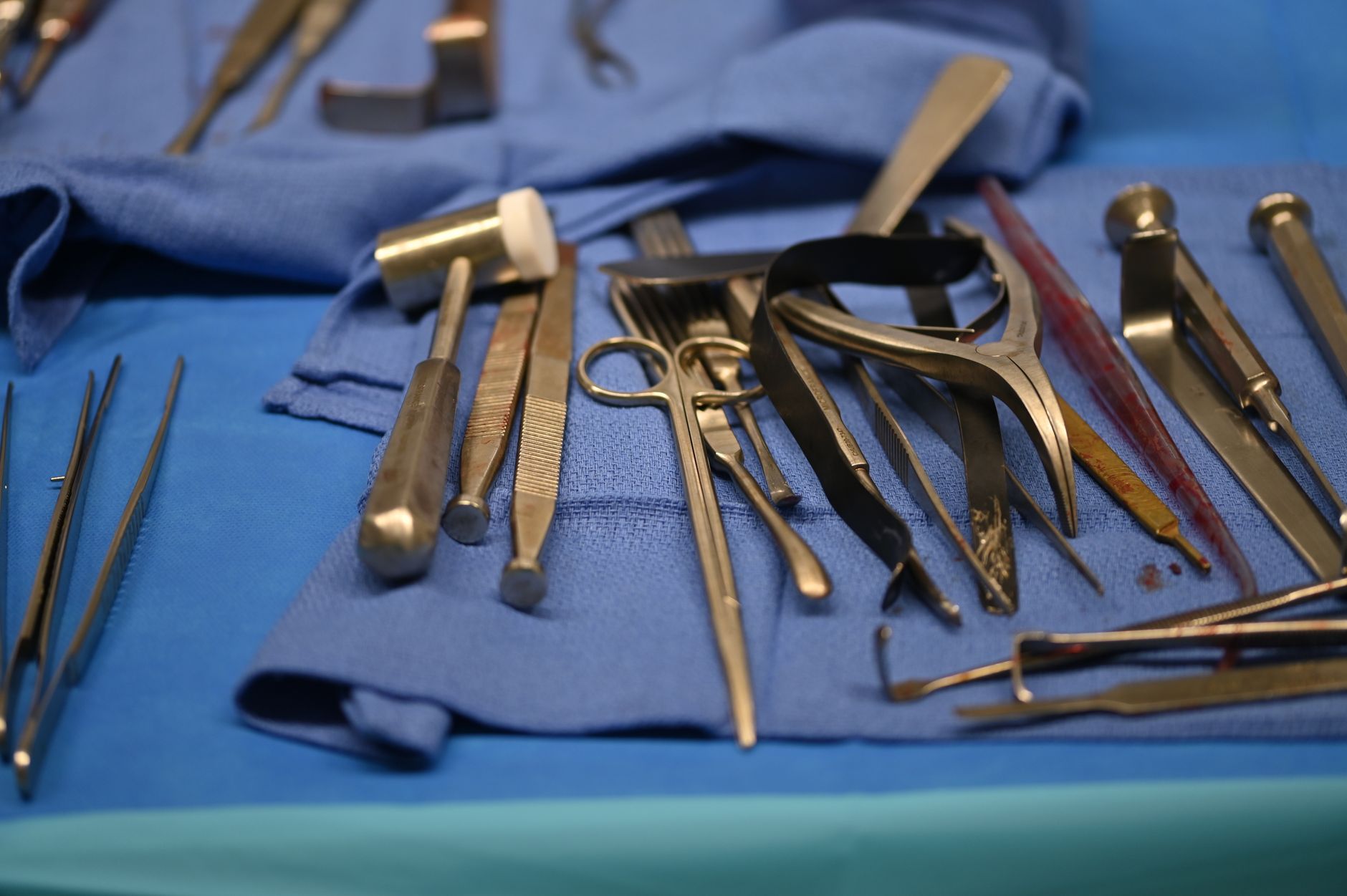
The Consultation and Pre-Travel Planning Timeline
Planning usually begins several weeks before travel. The first step is often a video consultation with the surgeon or an international patient coordinator. During this call, you will be asked about your symptoms, medical history, previous pregnancies and surgeries, medications, and any prior urogynaecological treatment. You may be asked to complete a validated symptom questionnaire and a bladder diary before the call.
If you have recent urodynamic studies, ultrasound reports, or a cystoscopy, these should be shared in advance. If not, the clinic may recommend that these tests be performed during your visit, typically on the day before surgery. Some surgeons are comfortable relying on a thorough clinical assessment, but many prefer urodynamic testing to confirm the diagnosis and rule out other causes.
A practical pre-travel checklist includes: obtaining a medical report from your home doctor, reviewing your medication list for drugs that increase bleeding risk, arranging travel insurance that covers surgery and complications, and confirming the exact dates of your pre-operative assessment, operation, and discharge. You should also plan for a companion to travel with you if possible, especially for the first 24 to 48 hours after anaesthesia.
Pre-operative instructions generally include fasting from midnight before surgery, stopping certain blood-thinning medications under medical supervision, and treating any urinary tract infection before the operation. Your coordinator should send these instructions in writing, in your preferred language, well before departure.

Procedure Day and Your Hospital Stay
Most patients are admitted on the morning of surgery or the evening before. On arrival, you will meet the anaesthetist and the surgical team, and the consent process will be completed with the help of an interpreter if needed. The operation itself is usually short, and you will wake in a recovery area before returning to your room.
After a mid-urethral sling, a urinary catheter may be left in place for a few hours or overnight. Most patients are encouraged to walk soon after surgery and to drink normally. Pain is typically mild and managed with simple analgesia; heavy lifting and strenuous exercise are avoided for the first few weeks. Some surgeons use a small vaginal pack that is removed the next morning.
Discharge usually occurs within 24 hours, and many patients are able to fly home within 5 to 7 days, depending on the surgeon's advice and their own comfort. Before discharge, you will receive written aftercare instructions, a prescription if needed, and contact details for the clinic. A follow-up video consultation is normally scheduled for around two to six weeks after surgery.
It is worth asking in advance what the clinic's policy is on complications. Reputable teams provide a 24-hour contact number, clear guidance on when to seek help, and a plan for managing issues such as temporary urinary retention, urinary tract infection, or voiding difficulty.
Recovery and Return-to-Normal Timelines
Recovery from minimally invasive continence surgery is generally quick, but it is not instant. In the first 24 to 48 hours, expect some pelvic discomfort, light vaginal spotting, and fatigue. Most patients are mobile and eating normally by the first day after surgery. During the first week, you should avoid heavy lifting, prolonged standing, and strenuous activity, but gentle walking is encouraged to reduce the risk of clots.
By the end of the first week, many patients feel well enough to travel home, provided they take precautions such as aisle seating, frequent movement, and adequate hydration. In weeks two to four, light activities and most desk-based work can usually resume. Sexual intercourse, tampon use, and high-impact exercise are typically avoided for four to six weeks, following the surgeon's specific instructions.
Full return to unrestricted activity — including heavy lifting, running, and high-intensity training — is usually possible after six weeks. Some patients notice mild urgency or temporary changes in urinary flow in the early weeks; these often settle as the tissues heal. If symptoms persist or new ones appear, a follow-up review is important.
Long-term success rates for mid-urethral slings are generally high, with most studies reporting significant improvement in the majority of patients. As with any surgery, outcomes depend on correct patient selection, surgical technique, and adherence to aftercare advice.
Multilingual Support and a Respectful Patient Experience
Language should never be a barrier to good continence care. Many Turkish clinics that serve international patients employ coordinators and medical interpreters who speak English, Arabic, German, French, Russian, and other languages. Interpreters are often present during consultations, consent discussions, and discharge instructions, and written materials are frequently available in multiple languages.
For patients who value discretion, the combination of private clinics, confidential coordination, and single-room accommodation can make the entire experience feel calm and respectful. You are entitled to ask questions at every stage, to request a female surgeon or female chaperone if that is your preference, and to have a companion present during discussions.
Cultural sensitivity is also part of the care. Turkish medical teams are generally accustomed to working with patients from diverse backgrounds, and many clinics offer halal, vegetarian, and other dietary options. Istanbul's hospitals are well connected to the city's hotels and transport networks, so companions can rest comfortably while waiting.
Finally, remember that planning is a partnership. The more information you provide in advance — symptom history, test results, medication lists, and your goals — the more tailored your care will be. With a well-chosen team and clear expectations, travelling to Türkiye for stress urinary incontinence surgery can be a practical, discreet, and effective step toward regaining confidence and quality of life.
Thinking about treatment in Turkey?
Share your contact details and a verified doctor will follow up with a plan built around you — free, no obligation.