

For patients with severe aortic stenosis, the choice used to be stark: endure symptoms that make walking across a room feel like climbing a mountain, or undergo open-heart surgery with a long sternotomy recovery. Transcatheter aortic valve implantation (TAVI) — also called TAVR — has rewritten that script. Instead of opening the chest, an interventional cardiology team threads a collapsible replacement valve through a catheter, most often via the femoral artery, and deploys it inside the diseased valve while the heart keeps beating. In Türkiye, this minimally invasive option is now routine at high-volume, JCI-accredited cardiac centres across Istanbul, Ankara and Izmir, where experienced teams perform hundreds of these cases each year.
What makes Türkiye particularly compelling for international patients is not only the technology but the coordination. A typical TAVI journey can be completed in a single short trip: pre-procedural imaging, the implant itself, a 2–3 day hospital stay and a structured discharge plan. This guide walks through every step — from the first echocardiogram to the flight home — and explains why so many patients now choose Türkiye for aortic valve replacement without open-heart surgery.
Why TAVI Is Replacing Open-Heart Surgery for Many Patients
Traditional surgical aortic valve replacement (SAVR) remains an excellent operation, but it requires cardiopulmonary bypass, a sternotomy and weeks of recovery. TAVI avoids all three. The procedure is performed in a hybrid operating room or cardiac catheterisation lab, usually under conscious sedation or general anaesthesia, and takes roughly one to two hours. Most patients are sitting up within hours and walking the next day.
Clinical guidelines now recommend TAVI for older adults and for younger patients who have anatomical or medical reasons that make surgery high-risk. Because the catheter approach does not cut through the chest wall, there is less pain, less blood loss and a much lower risk of sternal complications. For a 78-year-old with breathlessness, dizziness and a hostile chest, TAVI can mean the difference between progressive heart failure and returning to travel, grandchildren and daily walks.
Türkiye's interventional cardiology community has embraced TAVI early and at scale. Large referral centres in Istanbul and Ankara have dedicated structural heart teams — interventional cardiologists, cardiac surgeons, imaging specialists and anaesthesiologists who rehearse each case together. That teamwork, repeated hundreds of times per year, is what turns a technically demanding procedure into a predictable, streamlined service for inbound medical travellers.
Step 1: Pre-Procedural Screening Before You Travel
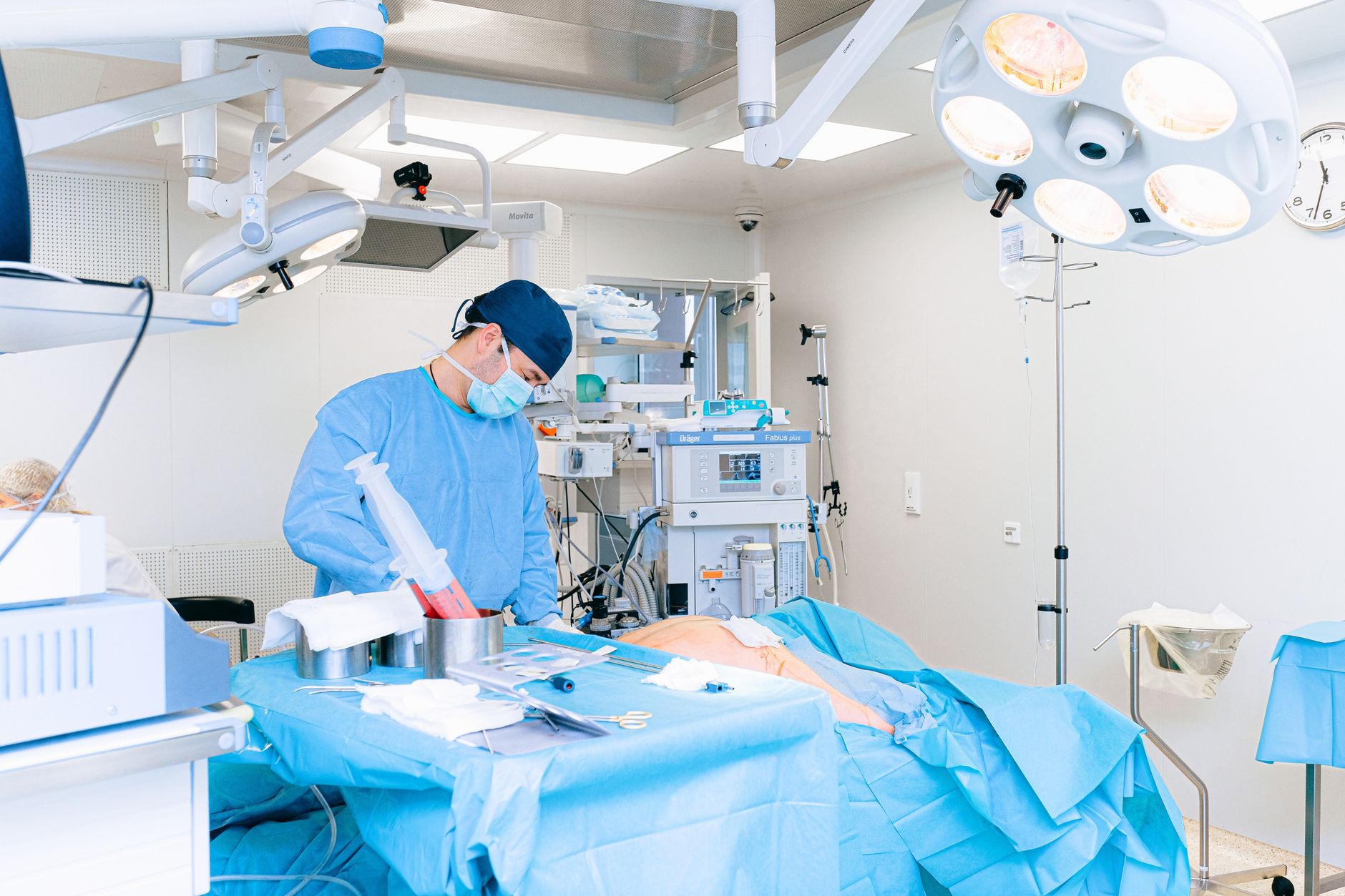
The TAVI pathway begins long before you board a plane. The first step is confirming that aortic stenosis is the true cause of your symptoms and that TAVI — rather than medication, balloon valvuloplasty or surgery — is the right solution. Your coordinating hospital in Türkiye will ask for recent investigations, usually within three to six months.
- Transthoracic echocardiogram (TTE): measures valve area, pressure gradients and heart function.
- Coronary angiography or CT coronary angiography: rules out significant coronary artery disease that may need stenting at the same time.
- Blood tests: full blood count, kidney function, coagulation profile and infection markers.
- Lung function and frailty assessment: helps the team estimate risk and plan anaesthesia.
Much of this can be done in your home country and uploaded securely to the hospital's international patient department. A cardiologist reviews the file, often within 48 hours, and confirms whether you are a candidate. If key images are missing, the hospital may recommend completing them on arrival, adding only a day or two to the trip.
Step 2: The On-Site Evaluation and CT Planning
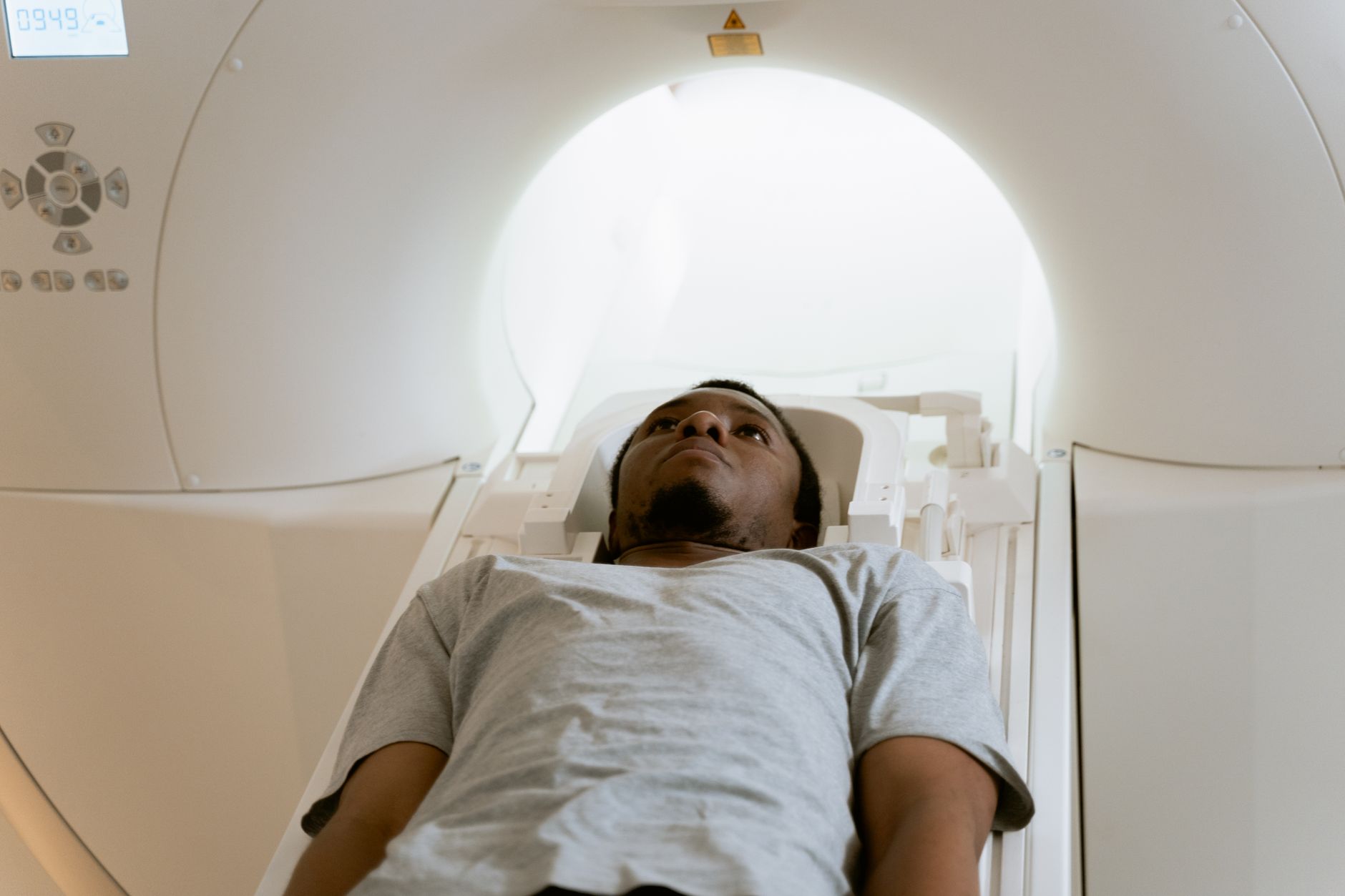
Once you arrive in Türkiye, the real planning begins. The cornerstone is a gated cardiac CT angiography — a detailed 3D map of your aortic root, valve annulus, coronary artery heights and the peripheral arteries that will carry the catheter. This scan determines the exact valve size and the safest access route, whether through the groin, the wrist, or in rare cases a small chest incision.
You will also have a repeat echocardiogram, an ECG and a final consultation with the structural heart team. This is your opportunity to ask about valve type — self-expanding or balloon-expandable — and about the expected length of stay. Most hospitals schedule the CT and consultations on day one or two after arrival, so the procedure can follow within 24 to 48 hours.
Coordination is where Türkiye's JCI-accredited hospitals shine. International patient departments arrange airport transfers, interpreter services, hotel or hospital accommodation for companions, and a single point of contact who accompanies you through each appointment. For patients travelling from abroad, that continuity removes much of the anxiety that comes with navigating an unfamiliar health system.
Step 3: The Day of the Procedure
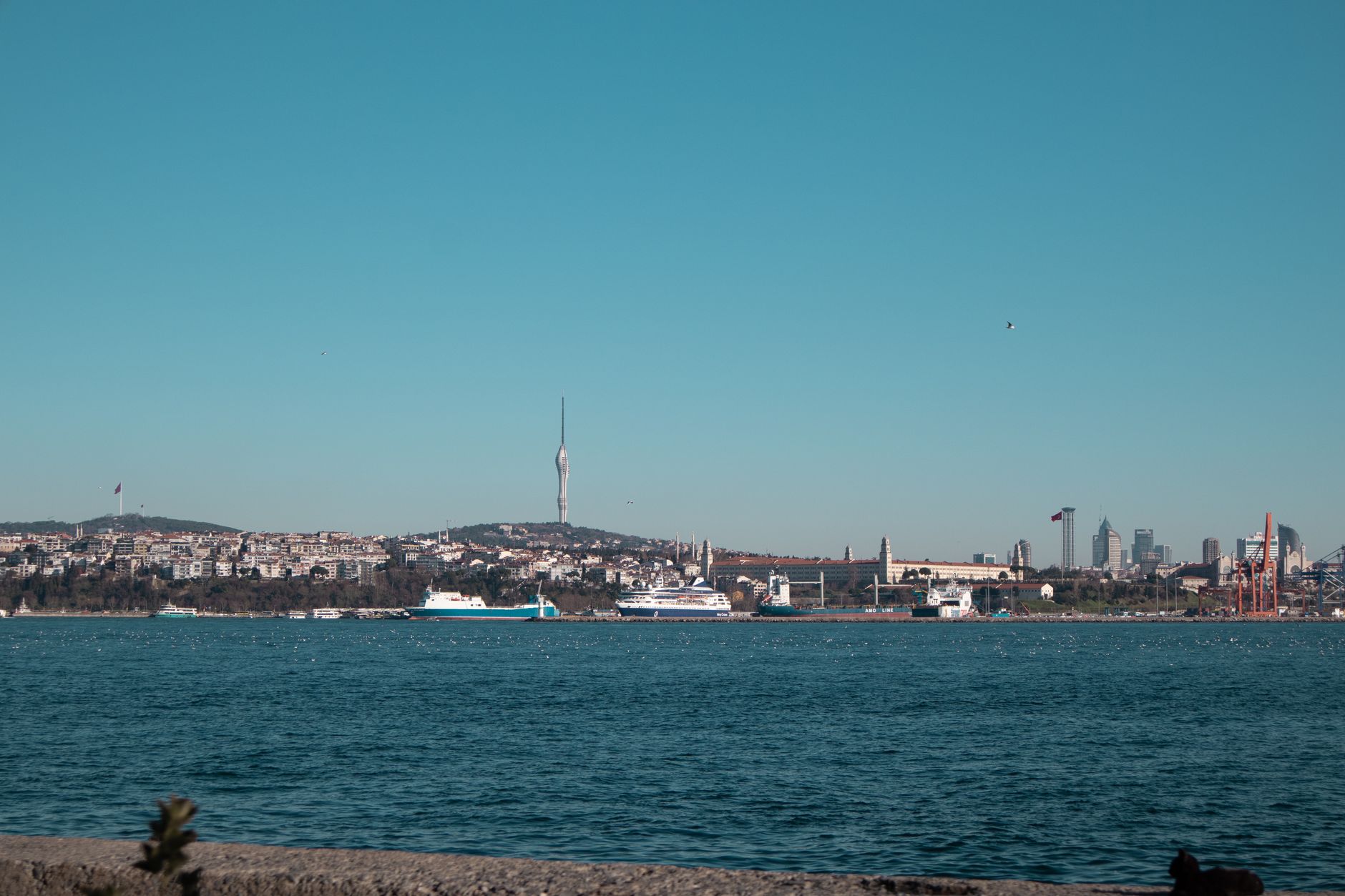
On procedure day, you will be brought to a hybrid cardiac suite. The team prepares both groins, places monitoring lines and administers sedation. A small puncture is made in the femoral artery, and a guidewire is advanced to the heart. A balloon is briefly inflated to open the narrowed valve, the new bioprosthetic valve is positioned, and it is expanded into place. The entire implant typically takes less than an hour; the full suite time, including preparation and closure, is usually two to three hours.
Most patients are transferred to a cardiac intensive care or high-dependency unit for overnight monitoring. You may have a temporary pacing wire and a small closure device at the access site, both of which are removed or secured the next morning. Many patients notice an immediate difference: easier breathing, less chest pressure and a return of energy that had been slowly draining away.
Modern TAVI programmes in Türkiye also offer conscious sedation and early mobilisation protocols, which shorten intensive care time and reduce the risk of delirium in older patients. If a coronary stent is needed, it can often be placed during the same session, avoiding a second procedure.
Step 4: Hospital Recovery and Discharge
The average hospital stay after TAVI in Türkiye is two to three days. Day one is monitoring and rest. On day two, you are encouraged to sit out of bed, walk with assistance and eat normally. A repeat echocardiogram confirms the valve is working well, and blood tests check kidney function and blood counts. If everything is stable, discharge planning begins.
Before you leave, the team reviews medications — often a short course of antiplatelet therapy, plus adjustments to blood pressure and heart failure drugs. You receive a written discharge summary in English, copies of your imaging, and clear instructions on wound care, activity limits and warning signs. The international patient office typically schedules a follow-up echocardiogram for the day before your flight home or arranges a telemedicine review for after you return.
Companions are kept informed at every stage. Many hospitals provide family waiting areas, multilingual staff and assistance with travel insurance paperwork, making the recovery period calmer for everyone involved.
Step 5: Flying Home and Long-Term Follow-Up
Most international patients are cleared to fly five to seven days after the procedure, once the access site has healed and a final echocardiogram and clinical review are satisfactory. Your cardiologist will provide a fit-to-fly letter, and the hospital can help arrange wheelchair assistance at the airport if needed. During the flight, simple measures — hydration, ankle exercises and walking when safe — help prevent clots.
Long-term follow-up is shared between your Turkish team and your local cardiologist. The hospital sends a complete clinical package, including the valve model, implant size and procedural details, so your home physician can continue annual echocardiographic surveillance. Many Turkish centres offer remote follow-up programmes, reviewing images and symptoms by secure video call, which is particularly valuable for patients who live far from specialised valve clinics.
Aortic stenosis is a progressive disease, and timely intervention changes its trajectory. Patients who receive TAVI often describe the recovery not as a slow climb but as a rapid return to a life they had quietly given up on.
The Value of Türkiye: World-Class Technology, Coordinated Care
Türkiye treats more international patients than almost any other country in the region, and cardiac care is one of its strongest pillars. Hospitals in Istanbul, Ankara and Izmir invest in the latest generation of TAVI platforms, hybrid operating theatres and cardiac imaging suites, and their structural heart teams participate in international registries and clinical trials. Many are JCI-accredited and have dedicated international patient departments with multilingual coordinators.
Cost is part of the story, but it is not the whole story. A TAVI package in Türkiye is typically a fraction of the price quoted in Western Europe or North America, often including hospital stay, intensive care, the valve itself, imaging and follow-up. Crucially, that affordability does not come at the expense of volume or expertise: high-volume centres achieve outcomes comparable to leading global programmes, because practice makes perfect in structural heart intervention.
For patients facing open-heart surgery, Türkiye offers a credible, well-organised alternative: a minimally invasive valve implant, a short hospital stay and a trip that can be measured in days rather than months. With careful pre-procedural screening, transparent communication and structured follow-up, the journey is as manageable as the procedure itself.
Thinking about treatment in Turkey?
Share your contact details and a verified doctor will follow up with a plan built around you — free, no obligation.