

Why Türkiye for Chronic Kidney Stone Disease?
If you have had more than one kidney stone, you already know the frustration: the pain passes, but the worry does not. Recurrence rates for stone formers can exceed 50% within five to ten years without a proper metabolic evaluation. Türkiye has become a leading destination for patients who want more than just stone removal — they want a genuine plan to prevent the next stone.
Turkish urology centres in Istanbul, Ankara and Izmir are equipped with the full spectrum of minimally invasive technology: flexible ureterorenoscopy (fURS), holmium and thulium fibre laser lithotripsy, extracorporeal shock wave lithotripsy (ESWL), percutaneous nephrolithotomy (PCNL) and retrograde intrarenal surgery (RIRS). Many hospitals are JCI-accredited and treat a high volume of complex stone cases, which translates into refined technique and efficient scheduling.
Just as importantly, leading centres pair surgical clearance with a metabolic work-up that examines why you form stones. That combination — fast, minimally invasive treatment plus a long-term prevention programme — is the real value for travelling patients, because the benefit continues long after the flight home.
Understanding Chronic Kidney Stone Disease
Kidney stones are not a single condition. Calcium oxalate, calcium phosphate, uric acid, struvite, cystine and mixed stones each have different causes and different prevention strategies. When stones keep coming back, the underlying driver is usually metabolic: hypercalciuria (high urine calcium), hyperuricosuria, hypocitraturia, hyperoxaluria, low urine volume, or an inherited condition such as cystinuria.
There are also anatomical and infective factors. A narrow ureter, a calyceal diverticulum, medullary sponge kidney, recurrent urinary tract infections, or a metabolic syndrome profile with diabetes and obesity can all tip the balance toward stone formation. A proper work-up looks at all of these rather than treating each stone as an isolated event.
Chronic stone disease also has a quality-of-life cost that is easy to underestimate: cancelled trips, missed work, anxiety about the next colic, and sometimes repeated emergency visits. A structured prevention programme addresses both the medical and the psychological burden by replacing uncertainty with a measurable plan.
How Turkish Urology Centres Combine Laser Lithotripsy with Metabolic Work-Up
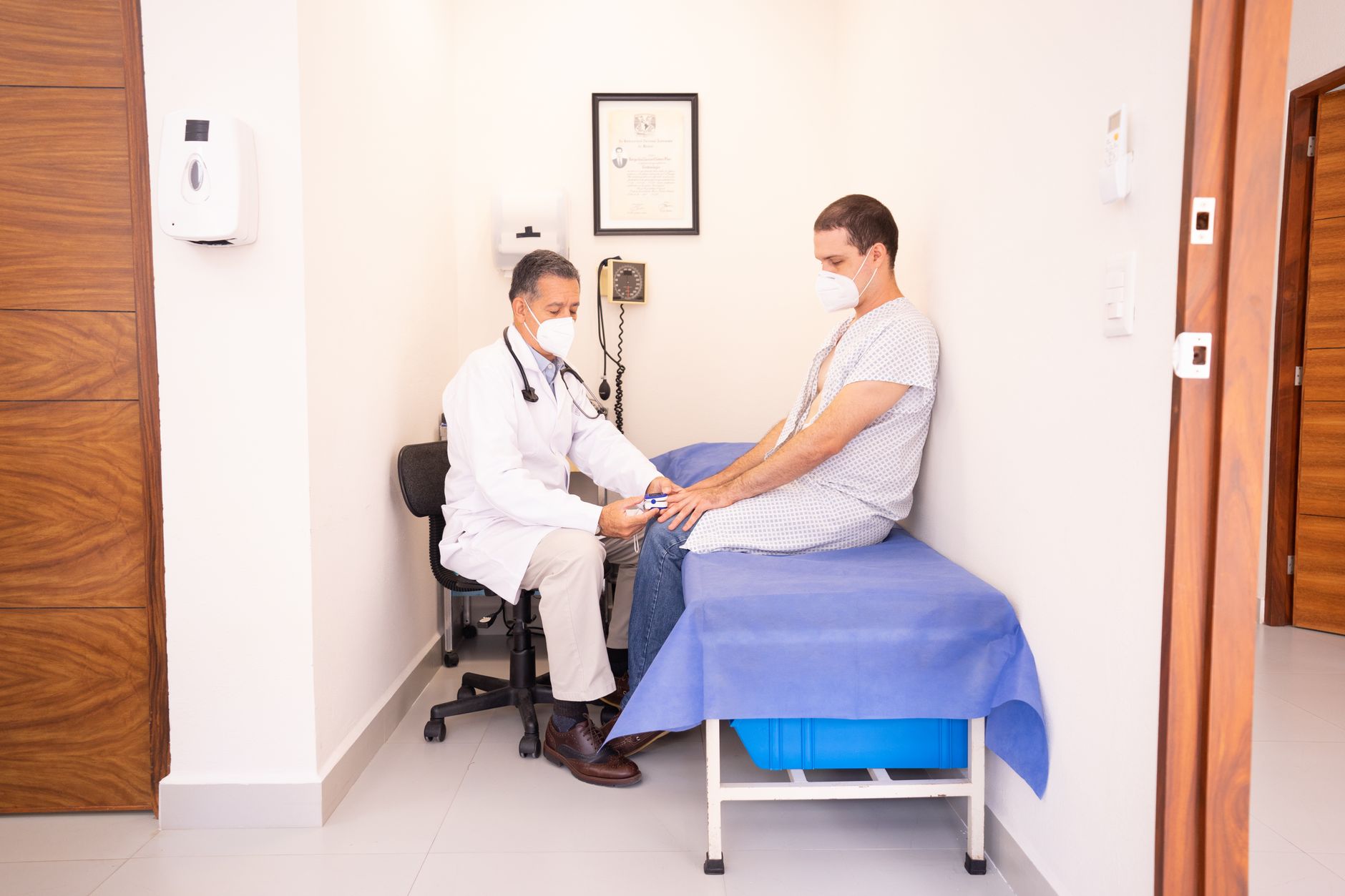
The typical pathway at a high-volume Turkish centre begins with imaging — usually non-contrast CT or ultrasound — and blood tests including creatinine, calcium, uric acid, electrolytes and parathyroid hormone if indicated. Stone size, location and density determine whether the best option is ESWL, flexible ureteroscopy with laser lithotripsy, or PCNL for larger or complex stones.
Laser lithotripsy with a flexible ureteroscope allows the surgeon to reach stones in the kidney and ureter through natural passages, with no incisions. Holmium and thulium fibre lasers fragment stones into fine dust or small fragments that pass easily, and the same instruments can retrieve a fragment for crystallographic analysis — a crucial step for identifying stone composition.
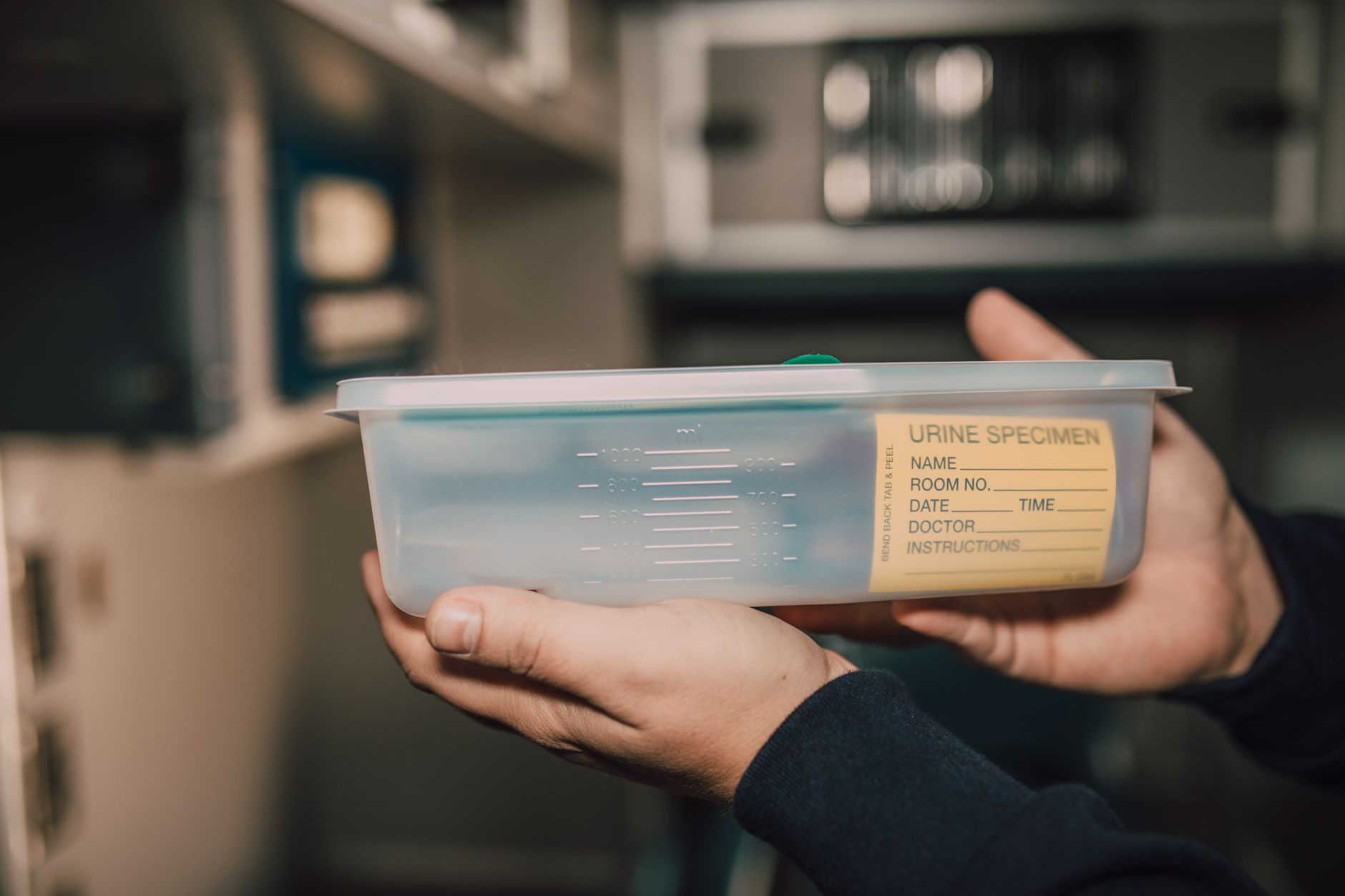
While you are still in hospital, the metabolic work-up can begin. A 24-hour urine collection measured for volume, calcium, oxalate, citrate, uric acid, sodium and creatinine is the cornerstone. Combined with stone analysis and blood chemistry, it allows the urologist and nephrologist to classify the underlying disorder and design a targeted plan: increased fluid intake, dietary adjustments, citrate supplementation, allopurinol, thiazide diuretics, or other medications as appropriate.
This is where Turkish centres stand out: the technology for stone clearance is world-class, and the commitment to finding the cause is built into the treatment package. Patients leave not only stone-free but with a written prevention roadmap.
What a Stone-Prevention Follow-Up Programme Looks Like After You Fly Home
The prevention programme is designed to work across borders. Before discharge, you receive a structured plan in English (or your preferred language) that includes your stone analysis result, your 24-hour urine findings, dietary targets, medication instructions and a follow-up schedule. Many centres also offer video consultations so your Turkish urologist can review results with you and your local doctor.
A typical 12-month programme looks like this:
- Month 1: settle into the diet and fluid plan; repeat basic blood tests with your GP or local lab if advised; confirm medication tolerance.
- Month 3: first follow-up video call; review symptoms, hydration habits and any new imaging if needed.
- Month 6: repeat 24-hour urine collection to see whether calcium, oxalate, citrate and uric acid are moving toward target; adjust medications or diet accordingly.
- Month 12: imaging (ultrasound or low-dose CT) to confirm no new stones; final review and a long-term maintenance plan.
Between appointments, you track fluid intake (aiming for 2.5–3 litres of urine output daily), follow a sodium-conscious diet, include citrate-rich foods such as lemons and oranges, and moderate animal protein and oxalate-heavy foods depending on your stone type. Your Turkish team provides target ranges and clear red flags so you know when to seek help locally.
The programme is flexible. If you prefer to have your local nephrologist lead the follow-up, the Turkish centre can send a full summary and coordinate directly. The goal is continuity, not dependence.

Planning Your Medical Trip: Step-by-Step
Start with a remote consultation. Send your recent imaging, blood tests and any previous stone analysis to the Turkish hospital. You will receive a preliminary treatment plan, an estimate of length of stay, and a cost estimate — often a fraction of Western European or North American prices, with no waiting list.
Plan for roughly 5–8 days in Türkiye for ureteroscopy and laser lithotripsy, or slightly longer for PCNL. A typical schedule includes arrival and pre-operative assessment on day 1, the procedure on day 2, observation and metabolic testing on days 3–4, discharge with your prevention plan on day 5, and a final review before flying home. ESWL may require fewer days but often needs more than one session.
Practical points: check whether your hospital offers airport transfers and interpreter services; confirm what your insurance covers; bring copies of all medical records; and ask for the stone analysis and 24-hour urine report in English before you leave. If you have a friend or family member travelling with you, they can help with hydration reminders and post-procedure logistics.
Why the Prevention Component Matters for Travelling Patients
Surgery removes today's stone. Metabolic work-up and follow-up reduce tomorrow's risk. For patients who have suffered multiple episodes, that distinction is everything. A stone that never forms means no emergency room visit, no missed work, no travel disruption — and no repeat trip for treatment.
Türkiye's advantage is that these two services are delivered together, efficiently and affordably. High-volume centres have the lasers, the scopes, the imaging and the laboratory infrastructure under one roof. You are not shuttled between unrelated providers; the same team that clears your stone interprets your metabolic results and writes your prevention plan.
Patients also value the speed. Appointments, surgery and laboratory work can often be completed within a single trip, something that can take months in systems with long waiting lists. That efficiency, combined with warm hospitality and the chance to recover in a fascinating city, makes Türkiye a compelling choice for chronic stone disease.
Take the First Step Toward Stone-Free Living
If recurring kidney stones have become a part of your life, it is worth exploring a programme that treats both the stone and its cause. Türkiye's leading urology centres offer exactly that: minimally invasive laser treatment, thorough metabolic evaluation, and a follow-up structure that works after you return home.
Speak with a medical tourism coordinator, share your history, and ask specifically about stone analysis, 24-hour urine testing and post-discharge follow-up. The right centre will welcome those questions — because preventing the next stone is the point.
Thinking about treatment in Turkey?
Share your contact details and a verified doctor will follow up with a plan built around you — free, no obligation.