

Why Türkiye for Eyelid, Brow and Periorbital Rejuvenation?
Türkiye has become a global destination for oculoplastic surgery because it combines two things that matter deeply in this field: advanced medical infrastructure and a long tradition of surgical precision around the eyes. Oculoplastic surgeons in Istanbul, Ankara, and Izmir are trained to treat the eyelids, brow, and periorbital area not just as an aesthetic canvas, but as a functional system that protects the surface of the eye, maintains tear film balance, and preserves peripheral vision.
For international patients, that dual focus is reassuring. A drooping upper eyelid (ptosis) can interfere with sight; excess lower eyelid skin can cause dryness and irritation; brow descent can make you look tired even when you feel fine. Türkiye's oculoplastic specialists routinely address these issues with techniques that are both corrective and beautifying — often in the same procedure.
Another advantage is experience. Turkish clinics in major cities treat a high volume of international patients and have refined their pre-operative communication, imaging protocols, and aftercare instructions for people who will fly home within one to two weeks. Many surgical teams include English-speaking coordinators, and consultations are increasingly conducted via secure video calls with detailed photo and video documentation before you travel.
What Oculoplastic Surgery Actually Covers
Oculoplastic surgery is a subspecialty that bridges ophthalmology and plastic surgery. It focuses on the structures around the eye: the eyelids, the tear drainage system, the orbit (eye socket), and the brow. When you seek periorbital rejuvenation in Türkiye, you are likely to encounter a menu of procedures that can be combined or staged depending on your anatomy and goals.
Upper eyelid surgery (blepharoplasty) removes excess skin and sometimes a small amount of muscle or fat. It can correct visual field obstruction and create a more rested look. Lower eyelid surgery addresses puffiness, festoons, or dark hollows, often with fat repositioning rather than simple removal. Brow lift — whether endoscopic, temporal, or via a direct approach — repositions the brow to open the eye area and smooth forehead lines.
Less invasive options include ptosis repair, canthoplasty to support the lower lid, and periorbital fat grafting or filler placement to restore volume. Because these procedures sit at the intersection of form and function, the best Turkish clinics will assess your tear production, eyelid closure, and corneal health before recommending any aesthetic change.
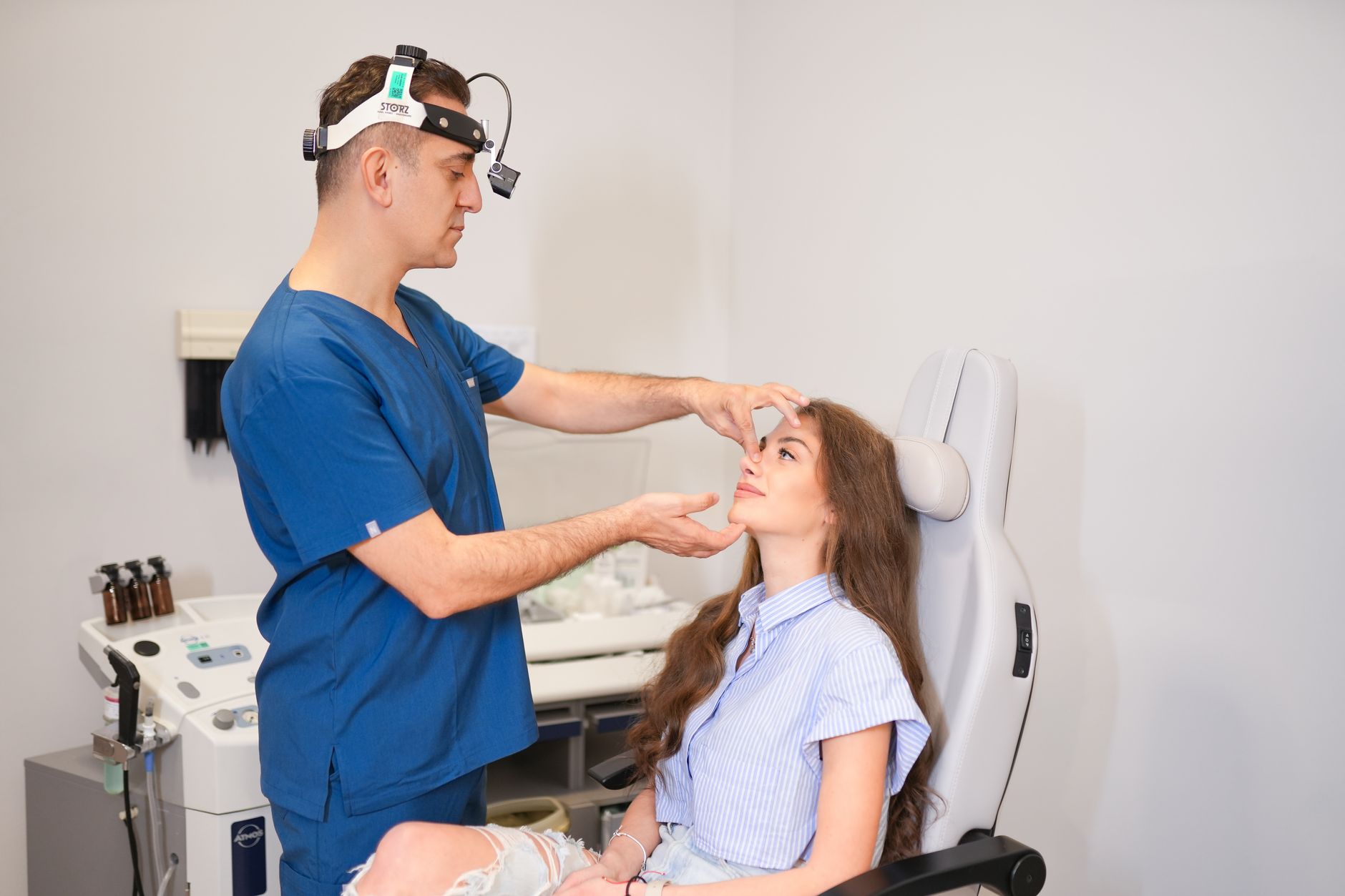
How to Evaluate a Turkish Clinic: Credentials, Communication and Care
Start with credentials. In Türkiye, oculoplastic surgeons typically complete an ophthalmology residency and then a fellowship or extensive training in oculoplastic and reconstructive surgery. Look for membership in national and international societies, such as the Turkish Ophthalmology Association or the European Society of Ophthalmic Plastic and Reconstructive Surgery (ESOPRS). Hospital affiliations matter too: JCI-accredited private hospitals in Istanbul and Ankara maintain rigorous standards for sterility, anesthesia, and patient safety.
Communication is the next filter. A reputable clinic will ask for clear, well-lit photos from multiple angles — front, both obliques, and close-ups of the eyes at rest and while smiling. They may request a video call to assess eyelid movement and facial animation. If a clinic promises a specific result without seeing your anatomy or discussing risks, that is a red flag.
Ask about the surgical team. Will the oculoplastic surgeon perform the operation personally? Who administers anesthesia? What is the protocol for complications, and is there 24/7 contact for the first week? Turkish clinics that cater to international patients usually provide a written quote that includes surgeon fees, anesthesia, hospital stay, medications, and follow-up visits, with no hidden extras.

Consultation and Imaging: What Happens Before You Fly
The best Turkish oculoplastic clinics begin with a thorough functional assessment. This often includes a slit-lamp examination to check the ocular surface, tear film breakup time, and eyelid margin position. They may measure marginal reflex distance (MRD1) to quantify ptosis, and test visual fields if drooping skin is blocking your vision. These tests are quick, painless, and essential for planning a safe operation.
Standardized photography is another cornerstone. High-resolution images taken in consistent lighting allow the surgeon to simulate outcomes and track healing. Some clinics use 3D imaging or digital morphing software to show you a realistic preview of upper lid crease height or brow position. This is not a guarantee, but it is a powerful communication tool — especially when you are deciding between a conservative and a more dramatic correction.
During your in-person consultation in Türkiye, typically scheduled one or two days before surgery, you will review these images together, discuss anesthesia options (local with sedation or general), and confirm the plan. This is your moment to ask about scars, asymmetry, dry eye risk, and what happens if you are not happy with the result. A confident surgeon will welcome those questions.
Realistic Recovery Timelines for International Patients
Understanding recovery is crucial when you are planning to fly home. For upper eyelid surgery, most patients experience bruising and swelling that peaks at 48–72 hours and subsides significantly by day 7 to 10. Sutures are usually removed between day 5 and day 7. You can expect to look presentable with glasses or light makeup by the time you board your flight, but residual swelling can linger for several weeks.
Lower eyelid surgery and brow lift may have a slightly longer recovery. Bruising can take 10–14 days to fade, and some patients notice tightness or a temporary change in eyelid closure. Your surgeon will likely advise avoiding strenuous activity, bending, and heavy lifting for at least two weeks. Flying is generally safe after 7–10 days for uncomplicated cases, but always follow your surgeon's specific clearance.
Plan to stay in Türkiye for at least 10–14 days after surgery. This allows for a post-operative check, suture removal, and a final in-person review before you travel. Many clinics also schedule a telemedicine follow-up at one month, when most of the swelling has resolved. Final results — the refined eyelid contour and brow position — continue to improve for three to six months.
Combining Function and Aesthetics: What Turkish Surgeons Do Differently
Turkish oculoplastic surgeons are known for a conservative, anatomy-first philosophy. Rather than removing too much skin or fat, they aim to restore support and volume. This approach reduces the risk of a hollow, “operated” look and helps protect the eye's natural lubrication. Techniques like fat repositioning, canthal support, and ptosis repair are often combined to achieve a result that looks natural and functions well.
Another hallmark is the use of local anesthesia with sedation for many eyelid procedures, which shortens recovery and reduces systemic risks. For brow lifts, endoscopic techniques allow smaller incisions and faster healing. When you choose a clinic in Istanbul or Ankara, you benefit from surgeons who perform these operations weekly and who have seen a wide range of skin types and facial structures — including those of Middle Eastern, European, and Central Asian descent.
Finally, Turkish clinics often integrate post-operative care such as lymphatic massage, cold compresses, and arnica-based products to minimize bruising. They will give you a written aftercare plan in English, and many provide a direct phone line for the first week. That combination of surgical skill and structured follow-up is why patients from the UK, Germany, the Gulf, and beyond return to Türkiye for periorbital rejuvenation.
Practical Tips for a Smooth Medical Journey
Book your consultation and surgery dates well in advance, especially in spring and autumn, which are popular travel seasons. Confirm whether your clinic offers airport transfers and hotel recommendations near the hospital. Pack sunglasses, a wide-brimmed hat, and loose clothing that buttons in front to avoid pulling garments over your head.
Bring a list of your medications and allergies, and discuss any blood thinners with your surgeon. If you have dry eye syndrome, thyroid eye disease, or a history of eyelid surgery, disclose it upfront — these factors can change the surgical plan. Arrange for a companion to travel with you if possible, as you will need someone to help with luggage and navigation during the first few days.
Above all, choose a clinic that prioritizes function alongside aesthetics. A Turkish oculoplastic surgeon who protects your vision while refreshing your appearance gives you the best of both worlds: a safe, medically sound outcome and a natural, rested look that lasts for years.
Thinking about treatment in Turkey?
Share your contact details and a verified doctor will follow up with a plan built around you — free, no obligation.