

Why Türkiye Is a Global Hub for Kidney Stone Treatment and Prevention
Türkiye has become one of the world's leading destinations for urological care, and kidney stone management is no exception. Each year, thousands of international patients travel to Istanbul, Ankara, and Izmir for treatments that combine advanced technology with a depth of clinical experience rarely matched elsewhere. But what truly sets Türkiye apart is not just the ability to remove stones — it is the growing focus on metabolic stone clinics that identify why stones form in the first place, and build long-term prevention plans around each patient's unique biochemistry.
For patients who have suffered through multiple stone episodes, this shift from reactive treatment to proactive prevention is transformative. Instead of enduring repeated surgeries every few years, you can leave Türkiye with a clear, evidence-based strategy to reduce — or even eliminate — future stones. This guide explains how to choose the right clinic, what metabolic testing involves, and why a single trip can deliver both immediate relief and lasting protection.
Turkish hospitals and specialised urology centres are accredited by international bodies such as JCI, TEMOS, and ISO, and many employ urologists who have trained or practised in Europe and North America. English-speaking coordinators, transparent pricing, and streamlined visa processes make the journey practical as well as medically sound.
Beyond Stone Removal: What a Metabolic Stone Clinic Actually Does
Traditional kidney stone care often begins and ends with the stone itself: image it, break it, remove it, send the patient home. A metabolic stone clinic takes a fundamentally different approach. It treats the stone as a symptom of an underlying metabolic or dietary imbalance, and investigates the root causes with a battery of tests that go far beyond a simple CT scan.
At a comprehensive Turkish metabolic stone clinic, your evaluation typically includes a 24-hour urine collection to measure calcium, oxalate, citrate, uric acid, sodium, and creatinine. Blood tests assess parathyroid hormone, vitamin D, electrolytes, and kidney function. If a stone is available, it is analysed crystallographically to determine its exact composition — calcium oxalate, uric acid, struvite, or cystine. Some clinics also perform genetic screening for rare inherited conditions such as primary hyperoxaluria or cystinuria.
The result is a detailed metabolic profile that explains why you form stones. Are you a hypercalciuric patient who absorbs too much calcium from the gut? Do you have low urinary citrate, a common culprit in recurrent calcium stones? Is your urine too acidic, favouring uric acid crystallisation? Each answer points to a specific, targeted intervention — whether that is a dietary change, a medication like potassium citrate, or management of an underlying condition such as hyperparathyroidism.
This level of investigation is not standard in every country. Many patients arrive in Türkiye having had five or six stone surgeries but never a single metabolic workup. The difference in long-term outcomes can be dramatic.

The Practical Benefit: One Trip for Imaging, Treatment, and Prevention
One of the most compelling reasons to choose a Turkish metabolic stone clinic is the sheer efficiency of the process. Instead of making multiple trips for imaging, surgery, and follow-up consultations, you can complete everything in a single, well-organised visit — typically lasting five to ten days depending on the complexity of your case.
The journey usually begins with advanced imaging: a low-dose non-contrast CT (often called a stone protocol CT) to map the exact size, location, and number of stones, plus ultrasound or X-ray as needed. If a stone is present and causing symptoms, treatment is scheduled promptly. Simultaneously, your metabolic workup is initiated — blood draws, urine collection, and stone analysis if a stone is passed or retrieved.
By the time you are discharged, you leave with three things: a treated stone (or a clear plan for asymptomatic stones), a complete metabolic diagnosis, and a personalised prevention plan. That plan may include specific dietary prescriptions, hydration targets, medication recommendations, and a schedule for follow-up testing. Your Turkish urologist will also provide a detailed report in English that you can share with your local doctor, ensuring continuity of care after you return home.
This integrated approach saves time, money, and — most importantly — reduces the risk of recurrence. Patients who undergo metabolic evaluation and targeted prevention have been shown in numerous studies to experience significantly fewer stone events than those who receive stone removal alone.
Modern Laser Lithotripsy: Minimal Downtime, Maximum Precision
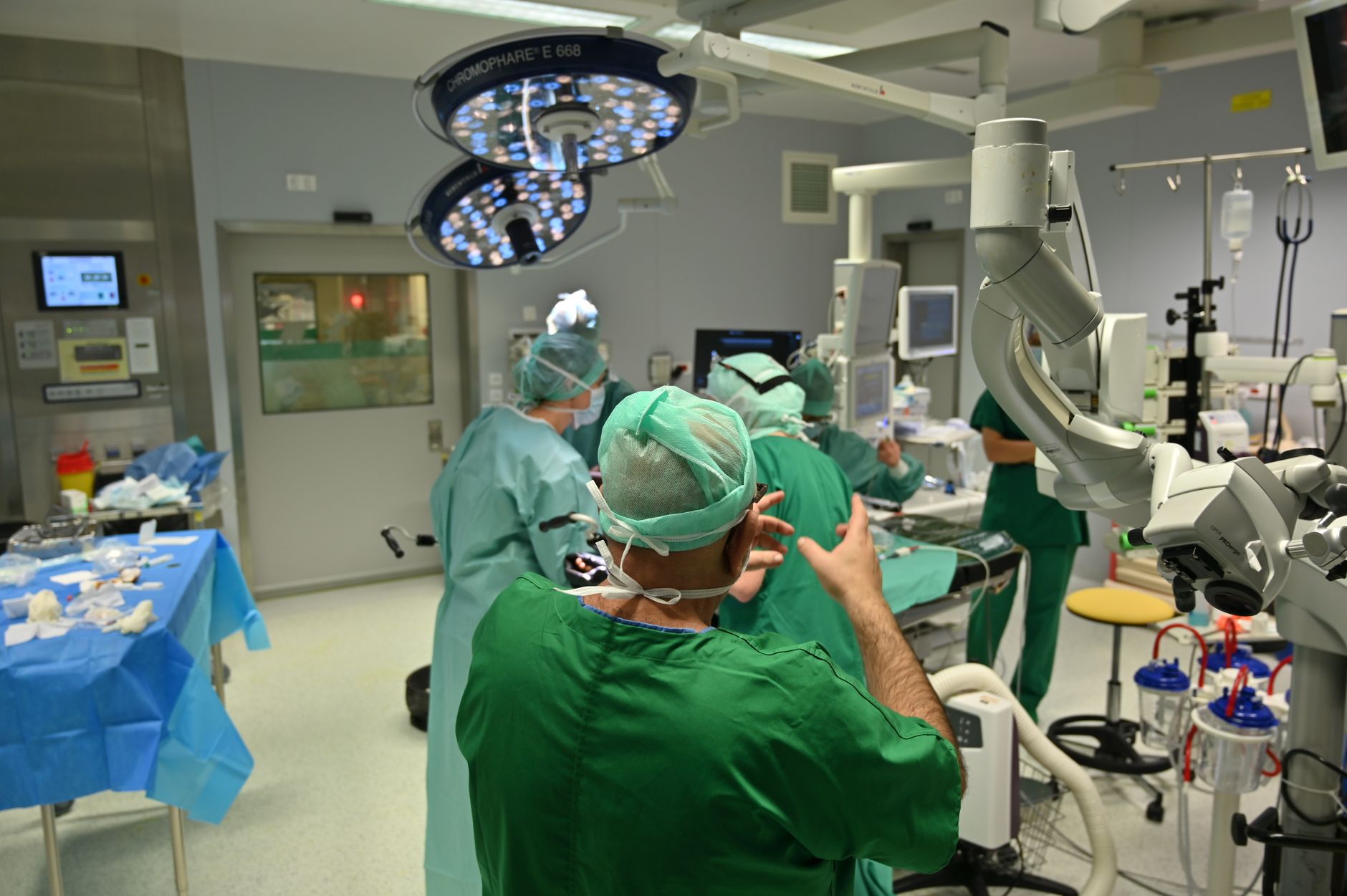
When stones do require intervention, Turkish clinics overwhelmingly favour laser lithotripsy — specifically holmium laser or thulium fibre laser technology — delivered through flexible ureteroscopy (fURS) or percutaneous nephrolithotomy (PCNL) for larger stones. These techniques have largely replaced older, more invasive methods such as open surgery and extracorporeal shock wave lithotripsy (ESWL) for many stone types.
Flexible ureteroscopy with laser lithotripsy is typically a same-day or overnight procedure. A thin, flexible scope is passed through the natural urinary tract — no incisions — and the stone is fragmented with laser energy and extracted. Most patients are mobile within hours and can fly home within a few days. For larger or complex stones, mini-PCNL or standard PCNL may be recommended, often with a short hospital stay of one to two nights.
The advantages for international patients are clear: less pain, shorter recovery, and a faster return to normal life. Many patients report being able to sightsee in Istanbul within 48 hours of treatment. Turkish urologists are also highly experienced in managing difficult cases — staghorn calculi, multiple stones, and stones in unusual locations — thanks to the high volume of cases they handle each year.
It is worth noting that laser lithotripsy is not just about removing the current stone. During the procedure, your surgeon can also take a stone sample for analysis, which feeds directly into your metabolic evaluation. Treatment and prevention are thus seamlessly linked.

Personalised Prevention Plans: Diet, Hydration, and Medication
The cornerstone of metabolic stone care is a prevention plan tailored to your specific metabolic abnormality. Turkish clinics typically provide this in the form of a detailed, written protocol that you can implement immediately — and share with your physician at home.
Dietary recommendations are rarely generic. If you are hyperoxaluric, you may be advised to reduce high-oxalate foods (spinach, rhubarb, nuts, chocolate) while maintaining adequate calcium intake — a counterintuitive but evidence-based strategy that binds oxalate in the gut. If you have low urinary citrate, your plan may emphasise citrus fruits and potassium-rich foods, or include a prescription for potassium citrate. For uric acid stones, reducing purine intake and alkalinising urine are key.
Hydration is universal but quantified: most patients are advised to drink 2.5 to 3 litres of water daily, enough to produce at least 2.5 litres of urine. Some clinics provide urine colour charts or even smart bottle reminders. Medications may include thiazide diuretics for hypercalciuria, allopurinol for hyperuricosuria, or cystine-binding drugs for cystinuria.
What makes the Turkish approach distinctive is the emphasis on feasibility. Your plan will account for your lifestyle, cultural food preferences, and daily routine. You will receive recipes, shopping lists, and practical tips — not just a list of forbidden foods. Follow-up is scheduled at regular intervals, often with remote consultations and lab work arranged in your home country.
Long-Term Follow-Up from Home: How Turkish Clinics Support You After You Leave
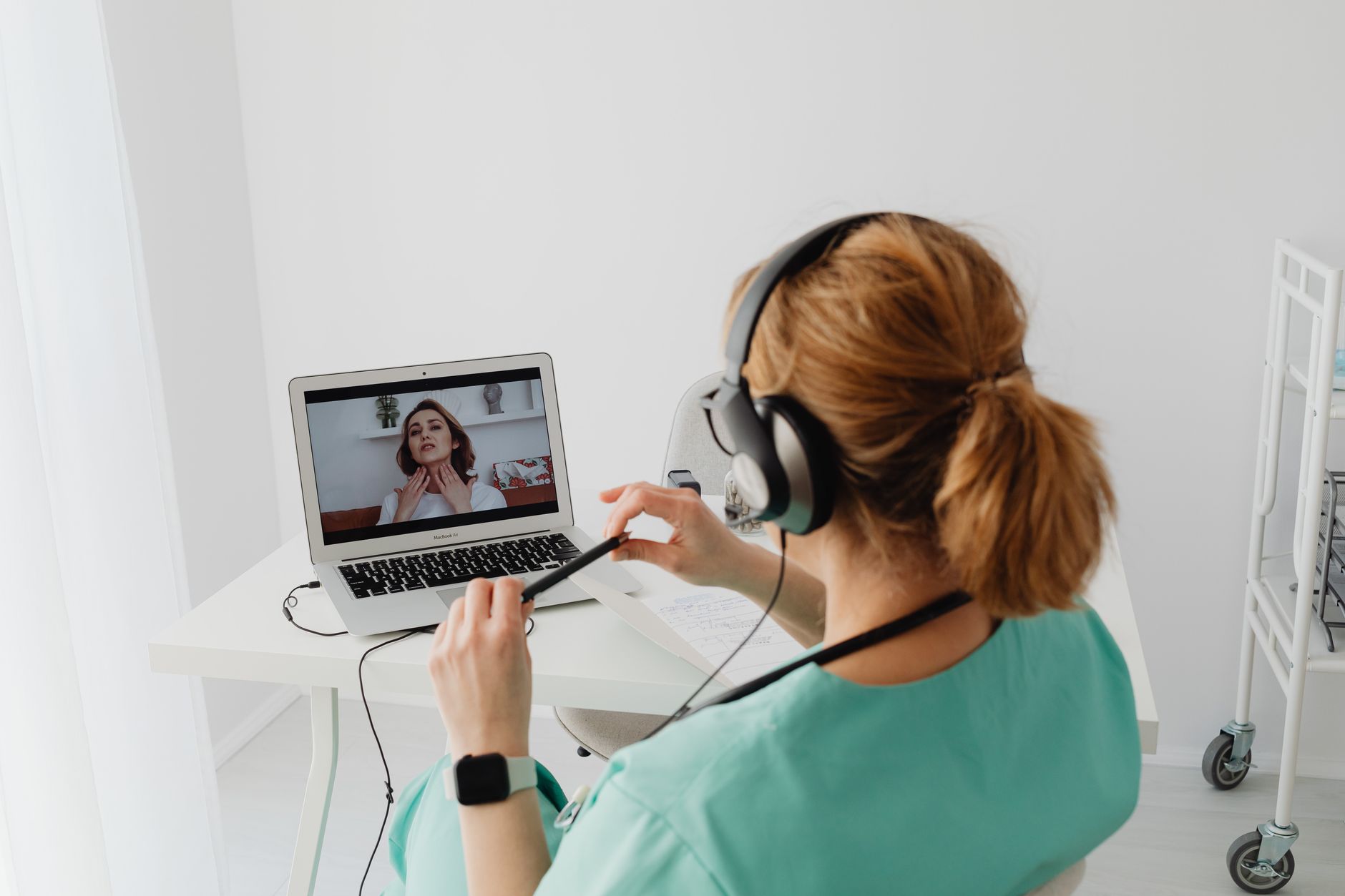
A common concern among international patients is what happens after they return home. Will they be left to manage alone? The best Turkish metabolic stone clinics have developed robust telemedicine and remote follow-up systems to bridge the distance.
Typically, you will be given a schedule for repeat 24-hour urine tests and blood work — often at three months, six months, and one year after treatment. You can have these tests performed at a local laboratory and send the results to your Turkish clinic via a secure patient portal or email. Your urologist will review them and adjust your prevention plan as needed, usually through a video consultation.
Many clinics also provide a dedicated case manager who speaks English and can help coordinate with your local doctor. This ensures that your primary care physician understands the rationale behind your metabolic plan and can support you in maintaining it. Some clinics offer annual review packages that include a teleconsultation and a updated written plan.
This long-term partnership is what turns a one-time medical trip into a lasting solution. Patients who engage with follow-up consistently report fewer stones, fewer emergency room visits, and greater confidence in managing their health. It is preventive care in the truest sense — and it is available to you in Türkiye.
How to Choose the Right Turkish Clinic for You
Not all clinics that remove stones are true metabolic stone centres. When evaluating options, ask specific questions: Do you perform 24-hour urine metabolic testing? Do you have a dedicated metabolic stone clinic or a multidisciplinary team including nephrologists and dietitians? What is your protocol for stone analysis? How do you handle follow-up for international patients?
Look for accreditation (JCI, TEMOS), experience with international patients, and transparency in pricing. Request the names and credentials of the urologists who will treat you. A good clinic will happily provide a detailed treatment plan, a cost estimate, and a sample prevention protocol before you commit. They will also be honest about what can and cannot be achieved in a single trip.
Finally, consider practical factors: hospital location relative to your hotel, availability of English-speaking staff, and the clinic's experience with your specific stone type or medical history. Istanbul remains the most popular destination, with world-class hospitals in districts like Şişli, Beşiktaş, and Ataşehir. Ankara and Izmir also host excellent university-affiliated centres.
With careful research and the right clinic, your journey to Türkiye can be more than a medical trip — it can be the beginning of a stone-free future.
Thinking about treatment in Turkey?
Share your contact details and a verified doctor will follow up with a plan built around you — free, no obligation.