

Why Türkiye Has Become a Destination for Gender-Affirming Voice Care
For many transgender and gender-diverse people, the voice is one of the most personal and most stubborn parts of transition. Hormone therapy does not reliably change the pitch or resonance of a voice that has already gone through a testosterone-driven puberty, and the gap between how someone sounds and how they wish to be heard can be a daily source of distress — on the phone, in a meeting, at a shop counter. Türkiye's ENT (ear, nose and throat) clinics have quietly become one of the world's most experienced hubs for closing that gap, thanks to a combination of advanced laryngology, well-established speech and language therapy programmes, and a clinical culture that treats voice care as part of whole-person care rather than an isolated procedure.
Istanbul in particular hosts university-affiliated hospitals and private voice centres where laryngologists, phoniatricians and speech-language pathologists work side by side. Many of these teams have followed international WPATH guidance for years, and they routinely collaborate with endocrinologists, psychologists and plastic surgeons involved in a patient's wider transition. For international patients, the practical advantage is that a surgical opinion, a pre-operative voice assessment and a therapy plan can all be arranged within a single trip, rather than pieced together across several countries and waiting lists.
Just as important is the tone of care. Turkish clinics that focus on gender-affirming voice work tend to be explicit about using the name and pronouns a patient uses, about asking rather than assuming what a patient wants from their voice, and about treating voice as a spectrum rather than a binary switch. Staff are used to working with patients from Europe, the Middle East, North America and beyond, and many centres coordinate English-speaking case managers who accompany the patient from first enquiry to follow-up.
“The goal is never a generic ‘female voice’ or ‘male voice’. The goal is your voice — one that feels like you, and that you can rely on every day.”
Understanding Voice Feminisation and Masculinisation Surgery
Voice feminisation surgery — most commonly known as Wendler glottoplasty, and sometimes described as anterior glottic web formation or vocal cord shortening — is a procedure performed on the vocal folds themselves. Under general anaesthesia and through the mouth, with no external incisions, the surgeon creates a small web at the front of the vocal cords and repositions the tissue so that the vibrating portion of the folds becomes shorter. Shorter vibrating folds produce a higher fundamental frequency. In suitable patients, this typically raises habitual speaking pitch by roughly 50 to 80 Hz, moving a voice from a typical testosterone-affected range into a higher, more comfortable register.
Voice masculinisation surgery is less common, because testosterone therapy alone deepens the voice for many transmasculine people. When it is performed, it usually targets pitch-lowering through techniques such as type III thyroplasty, which relaxes the vocal folds by adjusting the thyroid cartilage, or surgery to address a persistently high pitch that has not responded to hormone therapy and voice training. Some patients also combine voice surgery with tracheal shave (chondrolaryngoplasty) to reduce the prominence of the Adam's apple, though these are distinct procedures with different risks and recovery profiles.
Not everyone is a candidate. A thorough pre-operative assessment looks at vocal fold anatomy, the health of the laryngeal mucosa, existing voice disorders, reflux, smoking history, and the patient's willingness to commit to post-operative voice rest and therapy. Surgeons in Türkiye are generally candid about limits: glottoplasty changes pitch more reliably than it changes resonance, and it will not by itself produce the lighter, brighter timbre that many patients associate with a feminine voice. That is precisely why the best Turkish programmes pair surgery with speech therapy — surgery adjusts the instrument, and therapy teaches the patient how to play it.
Risks are real and should be discussed plainly: temporary or permanent hoarseness, reduced vocal range, difficulty projecting, web formation that is too large or too small, and the possibility of needing revision surgery. Turkish clinics typically mitigate these risks with strict voice rest protocols, careful patient selection and close post-operative monitoring, including laryngoscopy at defined intervals.
What Happens Before Surgery: The Pre-Operative Voice Assessment
For international patients, the process usually begins with a remote screening. You send a short voice sample — often a standard passage, a sustained vowel and a few minutes of connected speech — along with a medical history, current medications, and details of any hormone therapy. The clinic's speech-language pathologist analyses pitch range, habitual speaking fundamental frequency, resonance, intonation patterns and vocal effort, and the laryngologist reviews any prior ENT records. If you have not had a recent laryngoscopy, this will be scheduled for your first day in Türkiye.
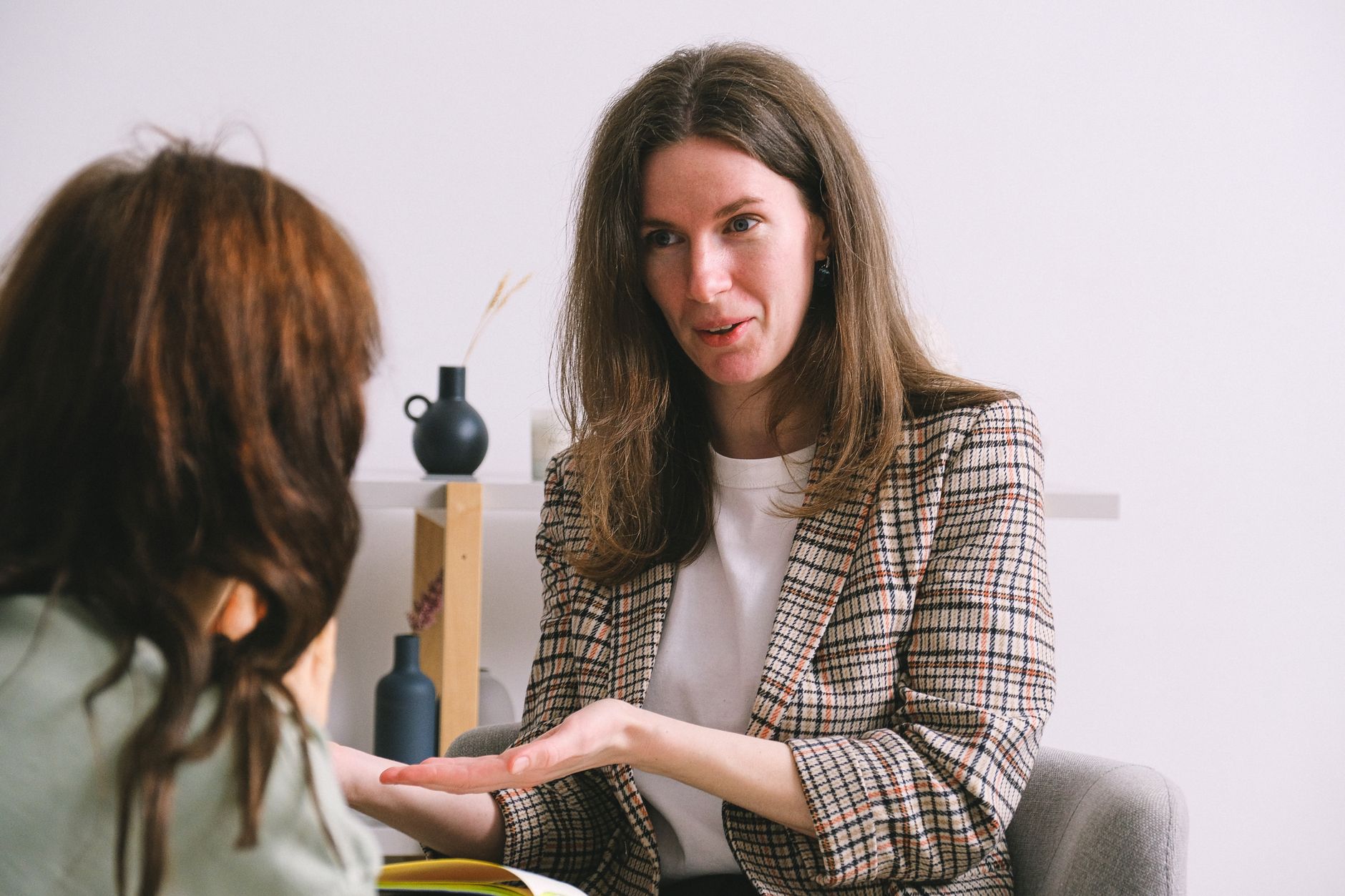
On arrival, the in-person assessment usually takes half a day to a full day. It includes a flexible or rigid endoscopic examination of the vocal folds, acoustic and perceptual voice analysis, a stroboscopy study where available, and a detailed conversation about your goals. This conversation matters as much as the measurements. The team will ask what situations feel hardest — phone calls, presentations, intimate conversations — and what kind of voice you imagine for yourself. Some patients want the highest pitch possible; others want a voice that passes without strain and still sounds authoritative. The surgical plan, including the target pitch shift and the size of the glottic web, is built around those answers.
You will also meet the speech-language pathologist who will guide your therapy, often before the operation. Many Turkish centres begin pre-operative voice work immediately: practising optimal pitch, breath support, resonance shifts, and safe voice use, so that you arrive at surgery with good vocal habits and realistic expectations. This pre-habilitation phase also reduces the risk of post-operative complications, because a well-conditioned voice recovers more predictably.
Before you travel, confirm what the package includes. Reputable clinics provide a written quote covering surgeon's fees, anaesthesia, hospital stay, laryngoscopy, therapy sessions and follow-up, and they specify what is excluded. Ask about interpretation, airport transfers, accommodation near the clinic, and whether a companion can stay with you during the short hospital admission.

The Surgical Experience in an Istanbul ENT Clinic
Most voice feminisation procedures are performed as day surgery or with a single overnight stay. You will be admitted in the morning, meet the anaesthetist, and have a final conversation with the surgeon and therapist. The procedure itself usually takes one to two hours. Because it is performed through the mouth, there are no visible scars, and most patients are surprised by how manageable the immediate aftermath is — a sore throat, some discomfort when swallowing, and a sensation of tightness, but no external wounds.
The first days are governed by strict voice rest. This means no speaking, whispering, coughing or throat-clearing — typically for five to seven days, sometimes longer depending on the surgeon's protocol. Clinics understand that this is one of the hardest parts of the process for patients travelling alone, so many arrange written communication cards, translation support and quiet accommodation. Staff are also used to coordinating with patients who do not speak Turkish, and nurses are trained to check on voice-rest compliance without pressuring patients into speaking.
Follow-up laryngoscopy is usually scheduled within the first week to confirm healing and check the glottic web. If you are staying in Istanbul for two to three weeks — which most international patients do — you will have at least one or two in-person therapy sessions before flying home. These early sessions focus on gentle voicing, breath coordination and avoiding compensatory behaviours that can strain the healing folds. The clinic will also give you a written recovery plan and a direct contact for questions.
Turkish hospitals vary from large university centres to boutique voice clinics, and standards are generally high. Look for accreditation, a named laryngologist with a documented case series in gender-affirming voice surgery, and a speech-language pathologist who is part of the core team rather than an external referral. Reading patient testimonials and asking directly for outcome data — average pitch gain, revision rates, complication rates — is entirely reasonable and expected.

Structured Post-Operative Communication Therapy — In Person and via Telehealth
Surgery changes pitch; therapy changes how you use it. The most effective programmes in Türkiye build a structured therapy pathway that begins before surgery and continues for months afterwards. In the first weeks after the procedure, sessions focus on healing-safe voice use: gentle onset, reduced volume, short speaking intervals, and avoiding the pushing or straining that can undo surgical gains. As the vocal folds stabilise, usually from week four onwards, the work expands into resonance, articulation, intonation and pragmatics — the melody and rhythm of speech that listeners actually use to gender a voice.
This is where the combination of surgical and therapeutic expertise in one trip pays off. Because the surgeon and the therapist share notes, therapy targets the specific anatomy you now have. Exercises are adjusted to the size of your glottic web, your healing timeline and your acoustic measurements, rather than being generic voice-feminisation drills. Patients often report that this coordination shortens the period of sounding “in between” and reduces the frustration of trying to train a voice that is still healing.
After you return home, therapy can continue seamlessly via telehealth. Turkish clinics increasingly offer secure video sessions with English-speaking speech-language pathologists, scheduled around your time zone. A typical plan might include weekly sessions for the first two to three months, then fortnightly, then monthly check-ins, with home practice in between. You will need a quiet room, a reliable internet connection, headphones and a smartphone or laptop; some clinics also use voice-analysis apps so both you and the therapist can track pitch and resonance over time. If local in-person therapy is available where you live, the Turkish team can coordinate with your local provider and share progress reports.
Progress is not linear. Many patients experience a plateau around weeks six to ten, and some notice that their voice feels unstable when tired, stressed or unwell. Good therapy normalises this and gives you strategies — pacing, hydration, warm-ups, recovery days — rather than pushing through. The aim is a voice that is sustainable for a lifetime, not just impressive in a single recording.

Inclusive, Affirming Care Culture in Turkish Clinics
Türkiye has a complex social landscape for LGBTQ+ people, and it would be misleading to pretend otherwise. At the same time, the clinics that specialise in gender-affirming voice care have deliberately built environments that are respectful, discreet and patient-centred. Many use chosen names and pronouns on all paperwork, train reception and nursing staff in trans-affirming communication, offer private waiting areas, and provide clear confidentiality policies for international patients who may not be out in their home communities.
Affirming care also means respecting that voice goals are diverse. Some patients want to be unmistakably feminine; others want an androgynous voice; some transmasculine patients want to retain a softer register for singing or professional reasons. Clinicians in experienced Turkish centres do not impose a template. They ask, they listen, and they help you define success in your own terms — whether that is passing on the phone, feeling comfortable in a choir, or simply hearing yourself in a recording without wincing.
Practical inclusivity matters too. Clinics often help with letters for insurance or employers, provide documentation for medication carried across borders, and coordinate with psychologists or psychiatrists when a WPATH-style assessment is required. For patients travelling with a partner or friend, many centres offer companion-friendly accommodation advice and allow a support person to be present for consultations, if that is what you want. If you prefer privacy, that is equally respected.
Planning Your Trip and Getting Started
The most common timeline for international patients is a two- to three-week stay. The first few days cover assessment and pre-habilitation, the middle covers surgery and early recovery, and the final week includes follow-up laryngoscopy and initial therapy. Some patients extend to four weeks if they want more in-person therapy before switching to telehealth. Istanbul's transport links make it easy to arrive from Europe, the Middle East, Central Asia and North America, and many clinics are located near major hospitals with hotels and serviced apartments within walking distance.
Before you book, gather your records: previous ENT examinations, hormone therapy history, any mental health assessments, and a recent voice recording. Prepare a list of questions about technique, expected pitch change, voice rest duration, therapy schedule and revision policy. Ask for the names and credentials of both the surgeon and the speech-language pathologist, and confirm that telehealth follow-up is included or priced transparently. Budget for flights, accommodation, meals and any extra therapy sessions, and keep a contingency for a longer stay if healing requires it.
Finally, think of the trip not as a single operation but as the start of a rehabilitative process. The patients who do best are those who treat surgery as one tool among several, who commit to therapy, and who give themselves permission to heal slowly. Türkiye's ENT and speech therapy clinics are well set up to support exactly that — combining technical skill, coordinated teamwork and genuinely affirming care, so that the voice you return home with is one you can live in.
Thinking about treatment in Turkey?
Share your contact details and a verified doctor will follow up with a plan built around you — free, no obligation.