

Why Flying After Surgery Needs a Personalised Plan
When you choose Türkiye for your medical procedure, you are not just getting world-class surgery — you are getting a team that thinks about your entire journey home. One of the most common questions patients ask is: “When can I fly back safely?” The answer is never a one-size-fits-all number. It depends on the type of surgery, your general health, the length of the flight, and how your body is healing in the first few days after the operation.
Turkish clinics are renowned for their thoroughness. Before you even book your flights, your surgeon and anaesthesia team will assess your individual risk factors — from circulation and lung function to wound healing and swelling. They then give you a clear, written “fit-to-fly” window that tells you the earliest safe date you can board a plane. This is not guesswork; it is based on established guidelines from international surgical societies, adapted to your unique situation.
In this guide, we will walk you through how Turkish clinics plan those flying windows, what to expect for different procedures, and how to organise your flights, seats and stopovers around your surgeon's advice. You will also learn about the written fit-to-fly documentation that clinics provide, which airlines and insurance companies often require. The result? A stress-free, confident return home.
How Your Surgical Team Builds Your Fit-to-Fly Timeline
The process starts before your surgery. During your pre-operative consultation, your surgeon will discuss your travel plans and explain the typical recovery milestones for your procedure. They consider factors such as the risk of deep vein thrombosis (DVT), the effect of cabin pressure on healing tissues, and your ability to sit comfortably for long periods.
After surgery, you will have daily check-ups. Your team monitors your wound, your mobility, and your pain levels. They also assess your hydration and circulation. Only when you meet specific clinical criteria — for example, being able to walk short distances without assistance, having stable vital signs, and showing no signs of infection — will they confirm your fit-to-fly date.
This is why Turkish clinics are so highly regarded: they do not rush you. They give you an honest, evidence-based timeline and explain exactly why certain days are safer than others. You will receive a written report that states your fitness to fly, any recommended precautions (such as wearing compression stockings or requesting aisle seats), and the date from which you are cleared for air travel.
Typical Flying Windows for Common Procedures
While every patient is different, Turkish surgeons often follow these general guidelines. Remember, your own timeline may be shorter or longer depending on your health and the specifics of your operation.
- Cosmetic surgery (rhinoplasty, facelift, liposuction, breast surgery): Most patients can fly after 7–10 days. For procedures with significant swelling or risk of bleeding, your surgeon may prefer 10–14 days. You will need to avoid heavy lifting and keep your head elevated during the flight.
- Bariatric surgery (gastric sleeve, bypass): Flying is usually safe after 10–14 days, provided you are tolerating fluids and walking regularly. Your team will give you specific exercises to prevent blood clots.
- Orthopaedic surgery (knee or hip replacement, ACL reconstruction): You may need to wait 2–6 weeks, depending on your mobility and the surgeon's assessment. Often, you will be cleared to fly once you can bend your knee safely and your wound is dry.
- Cardiac surgery (bypass, valve replacement): This requires a longer recovery — typically 4–6 weeks — before flying. Your cardiologist will monitor your heart rhythm and lung function closely.
- Eye surgery (LASIK, cataract): Often you can fly after just 1–3 days, but you must use lubricating eye drops and avoid rubbing your eyes.
- Dental implants and maxillofacial surgery: Usually 3–7 days, but if sinus lifting was involved, you may need to wait up to 10 days to avoid pressure changes.
These windows are not arbitrary. They are based on how cabin pressure (equivalent to 6,000–8,000 feet altitude) affects swelling, oxygen levels and clot risk. Your Turkish surgeon will tailor the advice to your exact procedure and medical history.

Planning Your Flight Around Your Surgeon's Advice
Once you have your fit-to-fly date, you can book your return flight with confidence. But a little extra planning goes a long way. Here are practical tips from Turkish clinics to make your journey home as comfortable as possible.
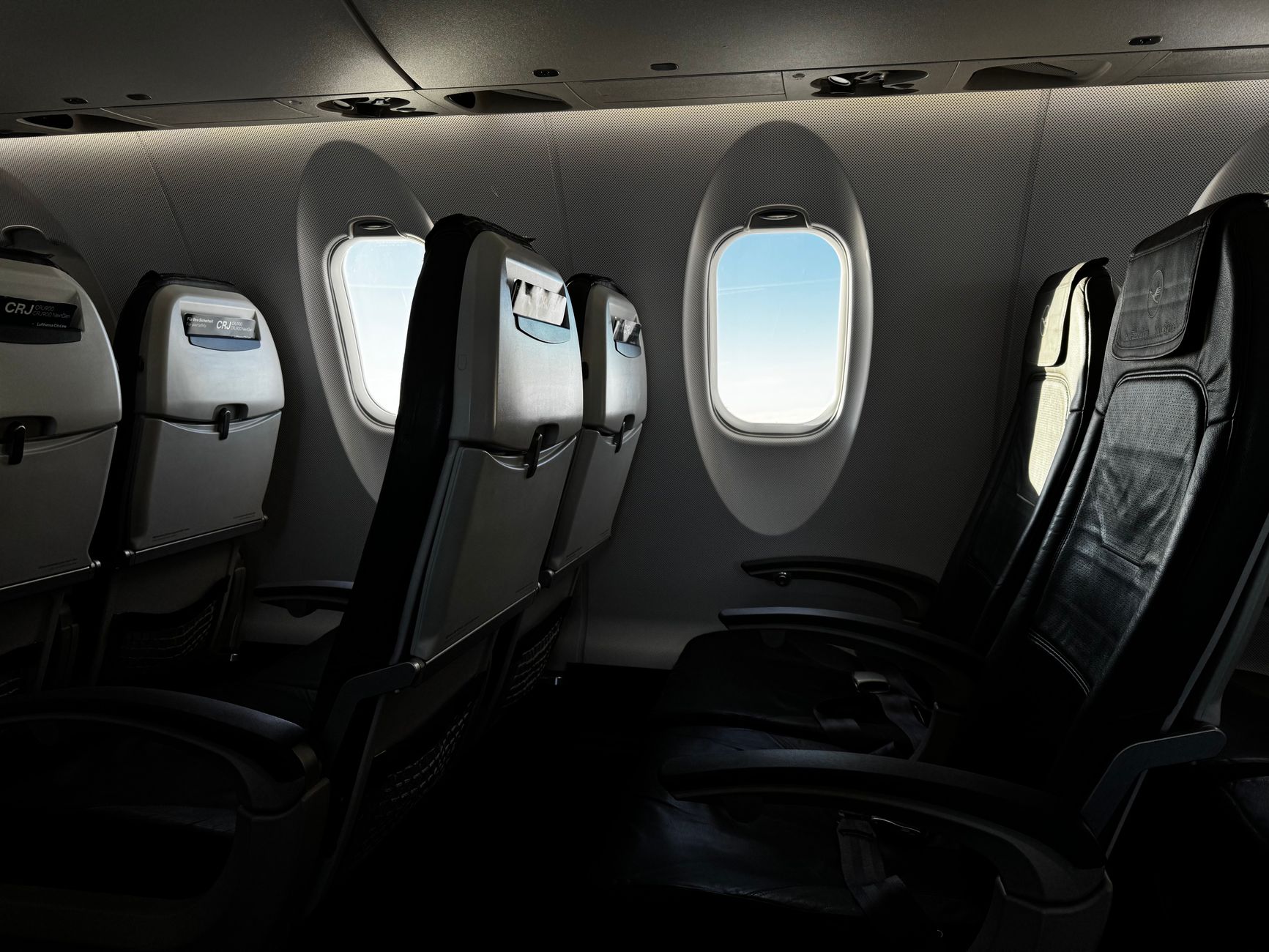
Choose the right seat. Aisle seats are best after surgery. They allow you to stand up, stretch and walk to the lavatory without climbing over other passengers. Bulkhead seats offer more legroom but often have fixed armrests, which can make it harder to get up. If you have had leg surgery, try to book an exit row or a seat with extra legroom — but check with your airline, as some exit rows have restrictions.
Consider a stopover. If you are flying long-haul, a stopover of 24–48 hours in a city like Istanbul or a European hub can break up the journey and reduce the risk of clots. Many Turkish clinics can recommend nearby hotels that cater to medical travellers, with easy access to pharmacies and follow-up care if needed.
Time your pain medication. Take any prescribed pain relief about 30–45 minutes before boarding, so it takes effect during the flight. Carry a copy of your prescription and a doctor's note in case security asks questions.
Move every hour. Set an alarm on your phone to stand up, walk the aisle and do gentle ankle pumps. This keeps your circulation going and reduces swelling. Your clinic will show you simple exercises you can do in your seat.
Stay hydrated. Drink plenty of water and avoid alcohol and caffeine, which can dehydrate you and worsen swelling. Cabin air is very dry, so bring a water bottle and sip regularly.

What to Expect from Your Written Fit-to-Fly Documentation
Turkish clinics are meticulous about paperwork. Before you leave, you will receive a fit-to-fly letter or certificate, usually in English and Turkish. This document includes your name, the date and type of surgery, your surgeon's name and contact details, and a clear statement that you are medically fit to fly from a specific date. It may also list any special requirements, such as needing wheelchair assistance, extra legroom, or carrying medical devices.
This documentation is essential for several reasons. Airlines may ask for it if you look unwell or if you require special assistance. Travel insurance companies often require it to cover any flight-related medical issues. And it gives you peace of mind — you have a professional opinion in writing that you are safe to travel.
Keep a printed copy in your hand luggage and a digital copy on your phone. If your flight is delayed or you need to change your plans, contact your clinic. They can issue an updated letter if your condition changes or if you need to extend your stay.
Making the Most of Your Recovery Before You Fly
The days between your surgery and your flight are not just about waiting — they are an active part of your recovery. Turkish clinics encourage you to walk short distances, drink fluids, and follow your wound care instructions. Many clinics also offer physiotherapy, lymphatic drainage massage, and nutritional support to speed up healing and reduce swelling.
Use this time to explore a little of Istanbul or your host city if you feel up to it, but always prioritise rest. Your surgeon will advise you on how much activity is safe. Remember, the goal is to arrive home feeling stronger, not exhausted.
Before you fly, your clinic will give you a final check-up. They will review your wound, check for any signs of complications, and confirm that you are still on track for your flight. If anything is amiss, they will adjust your plan — perhaps delaying your flight by a few days — to ensure your safety. This level of care is why patients from around the world trust Turkish clinics.
Why Turkish Clinics Excel at Post-Surgical Travel Planning
Türkiye has become a global leader in medical tourism because of its combination of highly skilled surgeons, modern hospitals, and a patient-first approach. The fit-to-fly planning is just one example of how Turkish clinics go above and beyond. They understand that your journey does not end when you leave the operating room — it ends when you are safely back home.
Many clinics have international patient coordinators who speak multiple languages and can help you arrange flights, accommodation, and airport transfers. They can also liaise with your airline if you need special assistance. This seamless support means you can focus on healing while they handle the logistics.
So if you are considering surgery in Türkiye, rest assured: your surgical team will give you clear, individualised guidance on when it is comfortable and safe to fly home. With their thorough planning and your cooperation, you can look forward to a smooth, reassuring return journey.
Thinking about treatment in Turkey?
Share your contact details and a verified doctor will follow up with a plan built around you — free, no obligation.