

Why Türkiye Leads in Cleft and Craniofacial Care
Türkiye has emerged as a global powerhouse in cleft lip and palate treatment, combining advanced surgical expertise with a deeply compassionate, family-centred approach. Turkish hospitals—especially in Istanbul, Ankara, and Izmir—host some of the world's most sophisticated craniofacial centres, where plastic surgeons, orthodontists, speech therapists, ENT specialists, paediatricians, and geneticists collaborate under one roof. For international families, this means access to a lifetime of coordinated care without the logistical nightmares of navigating multiple clinics in different cities.
The country's medical infrastructure is backed by rigorous training standards: many Turkish cleft surgeons have completed fellowships in the United States or Europe and are active members of international organisations such as the International Confederation for Plastic Reconstructive and Aesthetic Surgery (IPRAS) and the European Association for Cranio-Maxillo-Facial Surgery. Yet what truly distinguishes Turkish teams is their warmth—families are welcomed not as cases but as partners in a long-term journey.
Cost is another compelling factor. A primary cleft lip repair in Türkiye typically costs 50–70% less than in Western Europe or North America, with no compromise on quality. Packages often include hospital stay, surgeon fees, anaesthesia, medications, and follow-up consultations. For families facing years of staged interventions, these savings are transformative.
The Multidisciplinary Team: Who Does What and Why It Matters
Cleft lip and palate is not a single condition but a complex spectrum requiring input from multiple specialties over time. In Türkiye's top centres, the core team includes:
- Plastic/Craniofacial Surgeon: Performs lip, palate, and alveolar bone graft surgeries, and later revisions if needed.
- Orthodontist: Manages dental arch alignment, prepares for bone grafting, and oversees orthodontic treatment from mixed dentition through adolescence.
- Speech-Language Pathologist: Assesses and treats speech disorders, teaches velopharyngeal exercises, and works closely with surgeons on timing of secondary surgery.
- ENT Specialist: Monitors middle-ear function (otitis media with effusion is common), places ventilation tubes, and addresses airway and hearing issues.
- Paediatrician/Neonatologist: Ensures feeding, growth, and developmental milestones are on track.
- Geneticist and Psychologist: Offer counselling, support for parental anxiety, and help children navigate social challenges.
What sets Turkish centres apart is the integrated clinic model: on a single day, a family may see three or four specialists in consecutive appointments, with the team meeting afterward to discuss a unified care plan. This reduces travel burden and ensures no aspect of care falls through the cracks.
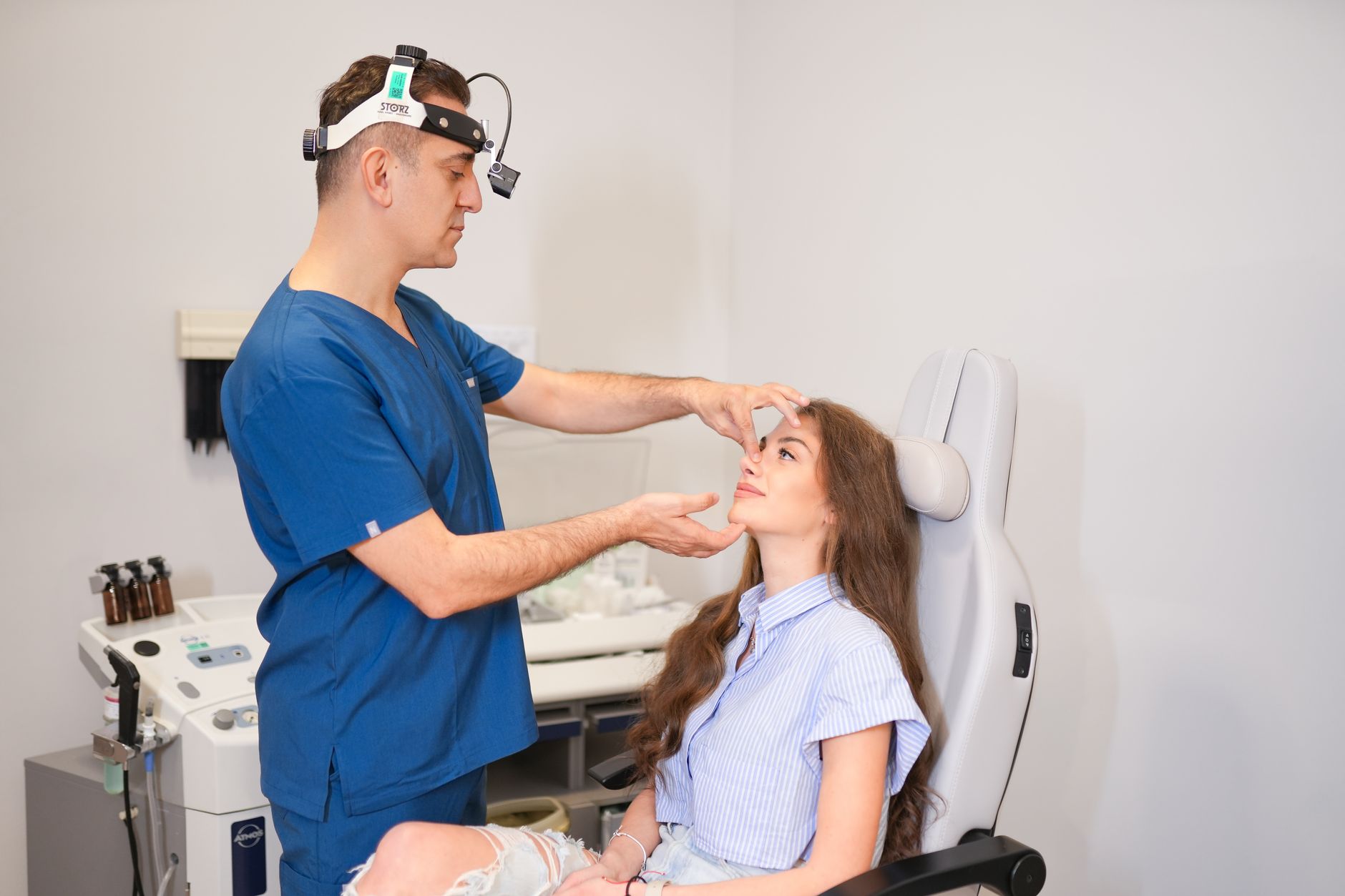
Staged Surgeries Aligned with Growth Milestones
Cleft care follows a well-established timeline that aligns with a child's growth and dental development. Turkish teams adhere to international protocols while tailoring each stage to the individual child.
Stage 1: Lip Repair (3–6 months)
Performed when the baby is around 10 pounds and 10 weeks old, lip repair restores the lip's contour and function. Turkish surgeons use advanced techniques such as Millard rotation-advancement or Fisher repair, often with presurgical nasoalveolar moulding (NAM) to shape the nose and gums before surgery. Hospital stays are typically 2–3 nights, with family-friendly rooms that allow parents to stay bedside.
Stage 2: Palate Repair (9–18 months)
Palate closure creates a functional barrier for speech and feeding. The timing balances speech development against facial growth. Turkish centres often use two-flap or Furlow Z-plasty techniques. Post-operative care includes soft diets and arm restraints; specialised nurses guide parents through every step.
Stage 3: Speech Assessment and Secondary Surgery (3–6 years)
If speech remains hypernasal after palatal repair, a pharyngeal flap or sphincter pharyngoplasty may be recommended. Turkish speech therapists conduct videofluoroscopy and nasopharyngoscopy to pinpoint the issue. Many children also begin intensive speech therapy during this window.
Stage 4: Alveolar Bone Graft (6–11 years)
Before the canine teeth erupt, a bone graft fills the gum gap, stabilising the dental arch. Turkish orthodontists coordinate with surgeons to prepare the arch with braces or expanders. The graft is usually taken from the hip; children stay 3–5 days in hospital.
Stage 5: Orthodontics and Final Revisions (12–18 years)
Adolescence brings full orthodontic treatment, possible jaw surgery for skeletal discrepancies, and refinement of the lip and nose. Turkish teams offer rhinoplasty and lip revision tailored to ethnic features, preserving natural appearance.

Coordinating Care for International Families
Planning multiple trips to Türkiye can feel daunting, but experienced international patient departments make it seamless. Most large hospitals—such as Acıbadem, Memorial, and Medicana—assign a dedicated case manager who speaks English, Arabic, Russian, or French. This coordinator schedules appointments, arranges airport transfers, books family-friendly accommodation, and provides a written care timeline before you travel.
Telemedicine has revolutionised follow-up. After returning home, families can send photos and videos for speech assessments or wound checks, and the team responds within 24–48 hours. For essential in-person visits, many centres offer bundled packages that combine surgery, hospital stay, and post-op consultations at a fixed price. Some hospitals even partner with local cleft organisations in the family's home country to ensure continuity.
Visa support is another key service. Türkiye offers e-Visas for many nationalities, and hospitals provide invitation letters for medical visa applications. On arrival, interpreters guide families through admissions, consent forms, and discharge instructions.
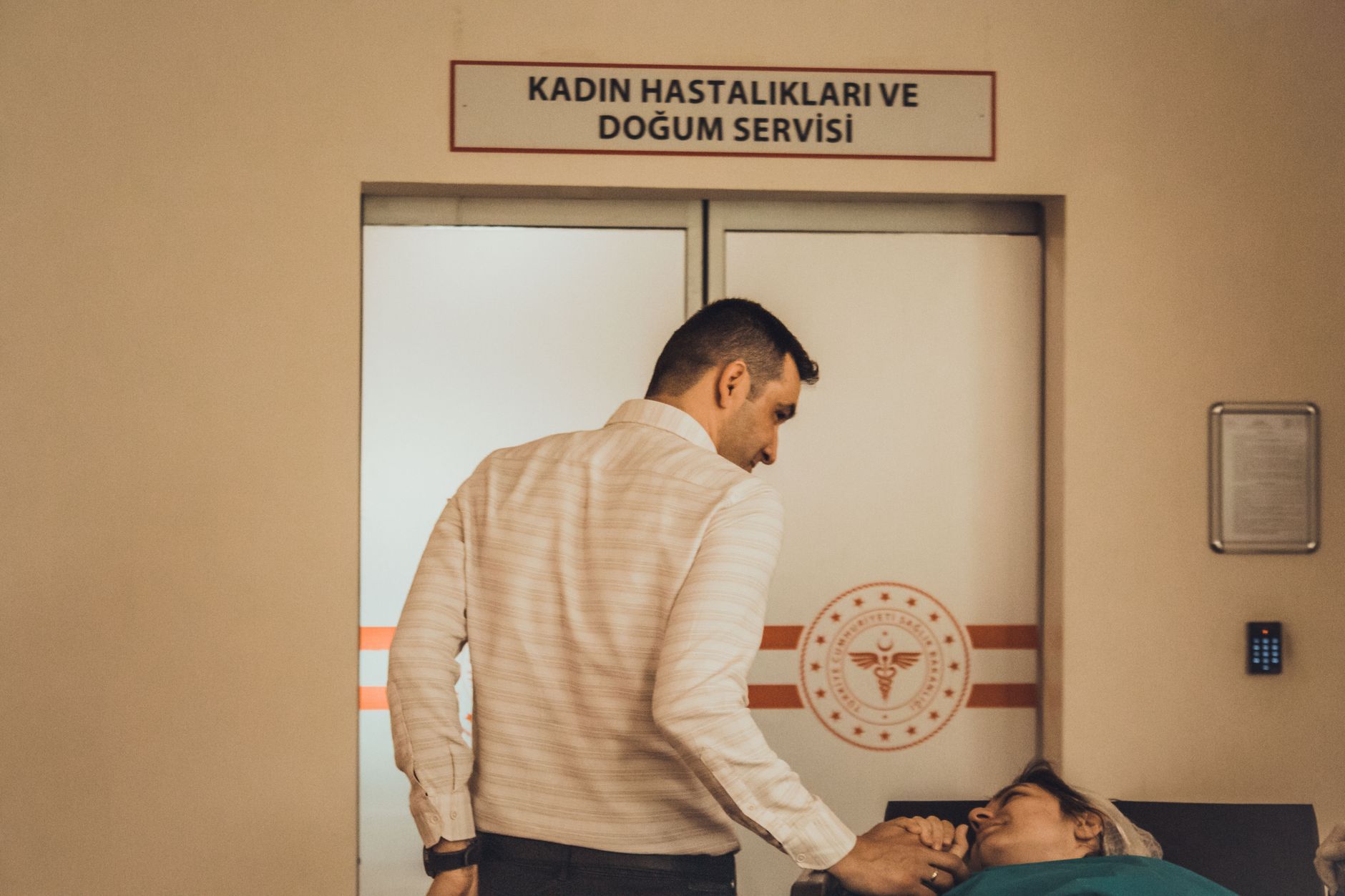
Family-Friendly Hospital Stays and Support Services
Turkish hospitals have reimagined paediatric care to reduce stress for young patients and their families. Private rooms often include a sofa bed for a parent, a play area, and child-life specialists who use art and play therapy to prepare children for surgery. Nutritional teams create specialised feeding plans for infants with cleft palate, including advice on Haberman feeders and special bottles.
Beyond the hospital walls, Istanbul and other cities offer respite: parks, child-friendly museums, and seaside promenades where families can relax between appointments. Many hospitals are located near leafy neighbourhoods with affordable serviced apartments, making long stays comfortable. The Turkish people's affection for children is legendary—your little one will be greeted with smiles and warmth everywhere.
Psychological support is woven into the programme. Parent support groups connect families with others who have walked the same path. For adolescents, Turkish centres offer workshops on self-esteem and social skills, helping them transition confidently into adulthood.

The Value of a Lifetime of Coordinated Care in Türkiye
Choosing Türkiye for cleft care means more than affordable surgery—it means joining a community that commits to your child's journey from birth to adulthood. The multidisciplinary team doesn't dissolve after a single procedure; it remains a constant, familiar presence, tracking growth, adjusting plans, and celebrating milestones. This continuity is priceless, especially when compared to fragmented care across different providers.
Turkish centres also contribute to global cleft research, participating in international registries and outcome studies. Your child benefits from evidence-based protocols refined across thousands of cases. And because many hospitals treat both local and international patients, your family becomes part of a diverse, supportive network.
Ultimately, Türkiye offers a rare combination: world-class expertise, genuine warmth, and financial accessibility. For families facing the daunting road of cleft care, that combination can turn a stressful medical necessity into a hopeful, empowering experience. Your child's smile—and their future—is in experienced, caring hands.
Thinking about treatment in Turkey?
Share your contact details and a verified doctor will follow up with a plan built around you — free, no obligation.