

Why Türkiye Leads in Stereotactic Body Radiotherapy
Türkiye has rapidly become a global hub for advanced cancer care, particularly in the field of stereotactic body radiotherapy (SBRT). SBRT — also known as stereotactic ablative radiotherapy (SABR) — delivers highly concentrated doses of radiation to tumours with sub-millimetre accuracy. Turkish hospitals, especially those in Istanbul, Ankara and Izmir, have invested heavily in state-of-the-art linear accelerators, robotic positioning systems and advanced imaging suites. This commitment has created radiation oncology departments that rival the best in Europe and North America, yet often at a fraction of the cost.
For patients with early-stage tumours, SBRT offers a non-invasive alternative to surgery with excellent tumour control rates. Turkish clinics have streamlined the entire process for international patients, from initial teleconsultation to follow-up, making it feasible to complete treatment in a single, short trip. This guide explains what SBRT is, how Turkish hospitals use motion management to protect healthy tissue, and why the combination of cutting-edge technology and compassionate coordination makes Türkiye a compelling choice for medical travellers.
Whether you are exploring options for early-stage lung cancer, prostate cancer, liver tumours or other isolated lesions, understanding the technology and logistics can help you make an informed decision. Türkiye's radiation oncologists are increasingly recognised for their expertise in hypofractionated treatments, and many have trained in leading international centres. The result is a patient-centred approach that prioritises both efficacy and comfort.
Understanding SBRT: Precision Dosing in Fewer Sessions
Stereotactic body radiotherapy is a specialised form of external beam radiation therapy that delivers very high doses per session — typically 6 to 18 Gray — in a small number of treatments, usually between one and five. This is in stark contrast to conventional radiotherapy, which may require 20 to 40 sessions of lower daily doses. The biological rationale is that ablative doses can overcome tumour radioresistance and trigger distinct cell death pathways, leading to high local control rates even for tumours previously considered radioresistant.
The 'stereotactic' aspect refers to the use of precise three-dimensional coordinate systems to localise the tumour. Modern linear accelerators are equipped with onboard imaging, robotic couches and cone-beam CT, allowing therapists to verify tumour position immediately before and during treatment. In Türkiye, many centres use flattening-filter-free (FFF) beams, which deliver dose rates two to four times higher than conventional beams, shortening treatment times and reducing patient discomfort.
Because SBRT is non-invasive, it is particularly attractive for patients who are not candidates for surgery due to age, comorbidities or tumour location. For early-stage non-small cell lung cancer (NSCLC), for example, SBRT has become the standard of care for medically inoperable patients, with five-year local control rates exceeding 90% in many series. Turkish hospitals have contributed to this evidence base through participation in international registries and clinical trials.
4D Imaging and Gating: Protecting Healthy Tissue
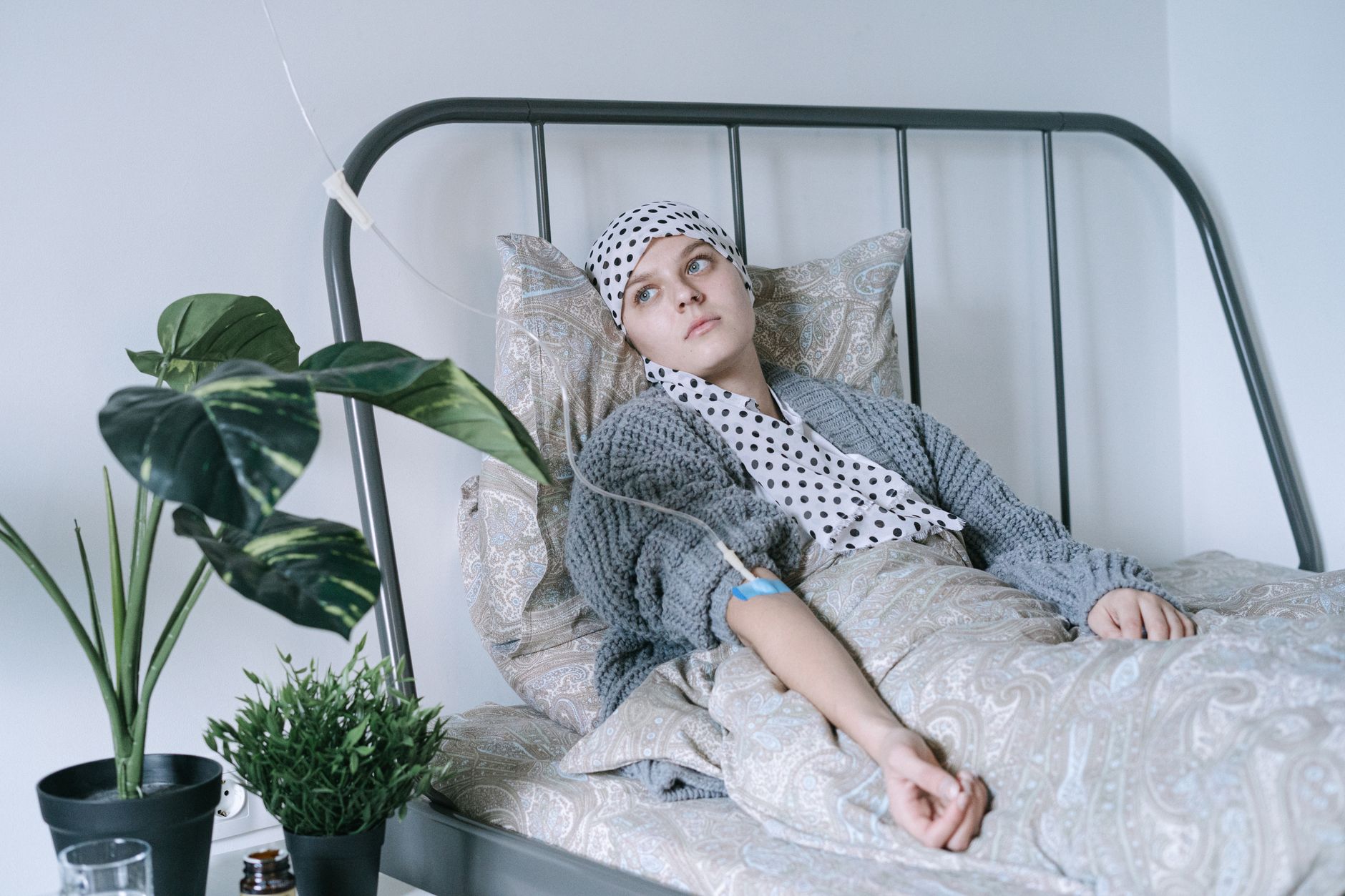
One of the greatest challenges in treating moving tumours — such as those in the lung, liver or prostate — is ensuring that the radiation dose is delivered only to the target while sparing surrounding healthy organs. Turkish radiation oncology departments address this with a suite of motion management techniques. The cornerstone is 4D CT simulation, which captures the tumour's position throughout the respiratory cycle. This creates a 'movie' of the tumour's movement, allowing the radiation oncologist to define an internal target volume (ITV) that encompasses all positions the tumour occupies.
From there, clinics may employ respiratory gating, where the linear accelerator delivers radiation only during a specific phase of the breathing cycle — typically end-exhaled or end-inhaled — when the tumour is most stable. This reduces the volume of healthy lung or liver tissue irradiated. Another technique is real-time tumour tracking, where implanted fiducial markers or the tumour itself are monitored using X-ray or electromagnetic systems, and the beam follows the target dynamically. Turkish centres often combine multiple strategies, such as gating with abdominal compression, to minimise motion further.
For prostate SBRT, motion management focuses on bladder and rectal filling protocols, as well as the use of hydrogel spacers that physically separate the prostate from the rectum. These spacers, injected between the prostate and rectal wall, can significantly reduce rectal dose and lower the risk of long-term bowel side effects. Many Turkish hospitals routinely offer this option, reflecting their adherence to international best practices.
The net effect is a treatment that is both powerful and precise. By accounting for motion, Turkish clinics can safely escalate the dose to the tumour while keeping exposure to critical structures like the heart, spinal cord and bowel well below tolerance limits. This is especially important for central lung tumours or liver lesions near the stomach or kidneys.
Ideal Candidates and Common Treated Cancers
SBRT is most appropriate for patients with early-stage, localised tumours — typically those smaller than 5–7 cm — and limited or no spread to lymph nodes or distant organs. The most commonly treated cancers with SBRT in Türkiye include early-stage non-small cell lung cancer, localised prostate cancer, primary liver cancer (hepatocellular carcinoma) and liver metastases, as well as selected cases of kidney cancer, pancreatic tumours, spine metastases and oligometastatic disease.
For prostate cancer, SBRT is an established option for low- and intermediate-risk disease, and increasingly for selected high-risk patients. Turkish urology and radiation oncology teams often collaborate in multidisciplinary tumour boards to determine the best approach. Patients with localised prostate cancer can complete SBRT in as few as five outpatient sessions over one to two weeks, compared with seven to eight weeks for conventional radiotherapy.
Liver tumours present unique challenges due to respiratory motion and the proximity of radiosensitive organs. Turkish centres with expertise in liver SBRT use 4D imaging, gating and sometimes breath-hold techniques to deliver ablative doses safely. For patients with cirrhosis or those awaiting transplant, SBRT can serve as a bridge therapy. Similarly, early-stage kidney tumours in patients who are poor surgical candidates can be treated with SBRT, though this remains less common than lung, prostate and liver indications.
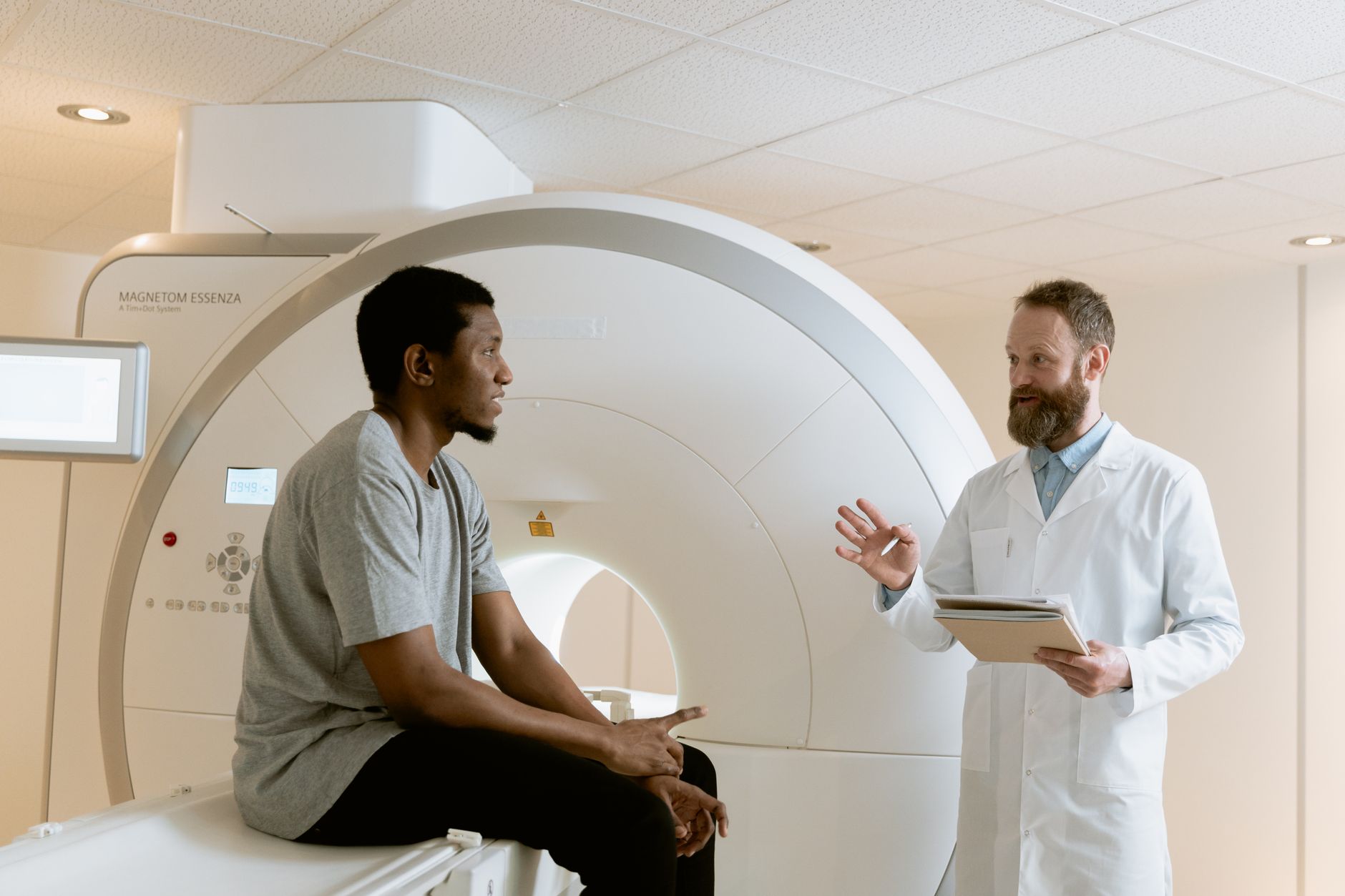
It is essential to have a thorough evaluation before deciding on SBRT. Turkish hospitals typically require recent imaging (CT, PET-CT, MRI), pathology reports and medical history. Some patients may need additional tests, such as pulmonary function tests or cardiac evaluation, to ensure they can tolerate the treatment position and any necessary breath-holds. Multidisciplinary review ensures that SBRT is the right choice and that no better alternative exists.
What to Expect: The Treatment Journey in Türkiye
The SBRT journey in a Turkish hospital usually begins with a remote consultation. You can send your medical records, imaging and pathology reports to an international patient coordinator, who will arrange a video call with a radiation oncologist. During this call, the specialist will review your case, explain whether SBRT is suitable, and outline a tentative treatment plan. Many hospitals provide a written quotation that includes consultation, simulation, treatment delivery and follow-up imaging, helping you plan your budget.
Once you arrive in Türkiye, you will have an in-person consultation and a simulation session. This involves a planning CT scan, often with 4D capability, and the creation of a custom immobilisation device — such as a vacuum cushion or thermoplastic mask — to keep you in the exact same position for each treatment. Fiducial markers may be implanted for prostate or liver tumours, sometimes requiring a separate minor procedure a week before simulation. The radiation oncologist and medical physicist then create a highly individualised treatment plan, which may take one to three days to finalise.
Treatment itself is painless and usually lasts 15 to 45 minutes per session, including setup and imaging. You will lie on a treatment couch while the machine rotates around you, delivering radiation from multiple angles. Most patients tolerate SBRT very well, with minimal side effects. Fatigue and mild skin reactions are possible; more specific side effects depend on the treated area — for example, a mild cough or shortness of breath for lung SBRT, or urinary urgency for prostate SBRT. Turkish clinics provide detailed aftercare instructions and a 24/7 contact number for concerns.
Follow-up typically involves imaging three to six months after treatment to assess response. Many international patients coordinate follow-up scans in their home country and share results with their Turkish team via telemedicine. This continuity of care is a hallmark of the Turkish medical tourism experience, combining advanced technology with personalised coordination.
Combining Cutting-Edge Technology with Compassionate Coordination
What sets Türkiye apart is not just the technology but the human touch. International patient departments in Turkish hospitals are staffed with multilingual coordinators who assist with visa invitations, airport transfers, accommodation, translation and scheduling. They understand that travelling for cancer treatment is stressful and strive to make the experience as seamless as possible. Many hospitals offer packages that include hotel stays near the clinic, and some have dedicated guest houses for international patients.
Moreover, Turkish clinics often provide a level of personal attention that can be harder to find in busier Western centres. Radiation oncologists may spend more time with each patient, and nurses are readily available to answer questions. The cultural warmth of Türkiye — its hospitality, cuisine and rich history — can also provide a welcome distraction during treatment. Patients frequently report feeling cared for not just as cases but as individuals.
Cost is another factor. SBRT in Türkiye can be 50–70% less expensive than in the United States or Western Europe, without compromising quality. For self-paying patients or those with limited insurance coverage, this can be decisive. Many Turkish hospitals are accredited by Joint Commission International (JCI) or ISO, and their radiation oncology departments adhere to international protocols such as those from ESTRO, ASTRO and IAEA.
In summary, Türkiye offers a compelling combination: advanced SBRT technology with 4D imaging and motion management, short treatment schedules ideal for travellers, and compassionate coordination that supports you throughout your journey. If you are considering SBRT for an early-stage tumour, exploring options in Türkiye could be one of the most important and empowering decisions you make.
Thinking about treatment in Turkey?
Share your contact details and a verified doctor will follow up with a plan built around you — free, no obligation.