

Why Türkiye Is the Smart Choice for Bilateral Cataract Surgery
Türkiye has become a global hub for eye surgery, and Istanbul in particular draws patients from Europe, the Middle East, and beyond. The combination of high‑volume surgical centres, JCI‑accredited hospitals, and English‑speaking coordinators makes the country a natural choice for medical travellers. For cataract patients who need both eyes treated, Türkiye offers a rare advantage: the ability to perform two separate, safely spaced procedures within a single week‑long visit.
Unlike many Western healthcare systems where patients wait months between the first and second eye, Turkish clinics have streamlined the bilateral pathway. They schedule the first eye, allow a short interval for the eye to stabilise, then operate on the second eye — all before the patient flies home. This is not a rushed compromise; it is a carefully choreographed protocol that respects safety while maximising convenience.
The cost savings are substantial. A bilateral cataract procedure with premium lenses in Türkiye often costs 50–70% less than in the US or UK, even when you include flights and a comfortable hotel. But the real appeal is the efficiency: instead of two separate trips or a long wait at home, you return with both eyes clear and your life back in focus.
The Practical Sequence: Assessment, First Eye, Interval, Second Eye, Final Review
The typical itinerary for bilateral cataract surgery in Istanbul spans 6 to 8 days. It begins with a comprehensive pre‑operative assessment on day one. You'll undergo a detailed eye examination, including corneal topography, biometry, and retinal imaging. This is when your surgeon discusses lens options and confirms the surgical plan. The assessment is thorough — often taking 2–3 hours — because precise measurements are critical for premium lens success.
On day two or three, the first eye is operated on. The procedure itself is usually painless and takes 15–20 minutes per eye, though you'll spend a few hours at the clinic for preparation and recovery. Most patients notice improved vision within 24 hours. After the first surgery, there is a brief interval — typically 2 to 4 days — before the second eye is treated. This interval allows the first eye to stabilise, ensures there are no complications, and gives your surgeon a chance to fine‑tune the second eye's measurements based on the first eye's outcome.
The second eye is then operated on, often on day five or six. After another short recovery period, you'll have a final review with your surgeon on the last day. This review confirms that both eyes are healing well, checks intraocular pressure, and provides you with a post‑operative care plan. Only then do you fly home — with clear vision and a follow‑up schedule coordinated with your local eye doctor.
This sequence is not arbitrary. It balances safety with efficiency. The interval between eyes reduces the risk of bilateral complications and allows for refractive adjustment. Turkish clinics have refined this timeline over thousands of cases, making it a reliable and predictable pathway for international patients.

Premium Lens Options: Beyond Basic Cataract Removal
Modern cataract surgery is not just about removing a cloudy lens; it's about choosing the right replacement. In Türkiye, you'll have access to the full spectrum of premium intraocular lenses (IOLs). These include monofocal lenses (which correct distance vision), toric lenses (for astigmatism), and multifocal or extended depth of focus (EDOF) lenses that can reduce dependence on glasses for near, intermediate, and far vision.
Premium lenses are a significant part of the value proposition. Many patients opt for trifocal or EDOF lenses to achieve a high degree of spectacle independence. Your surgeon will recommend the best option based on your eye anatomy, lifestyle, and visual goals. For example, if you enjoy reading and using a computer, a trifocal lens might be ideal. If you drive a lot at night, an EDOF lens may reduce halos and glare.
Turkish clinics use advanced diagnostic equipment to customise the lens power to your eye. They also employ femtosecond laser‑assisted cataract surgery, which can make the procedure more precise and reproducible. This technology, combined with premium lenses, means you're not just restoring vision — you're potentially upgrading it.
It's important to discuss lens choices during your assessment. Ask about the pros and cons of each option, and be honest about your visual needs. The right lens can make a dramatic difference in your quality of life after surgery.
Precision Technology and Surgical Expertise
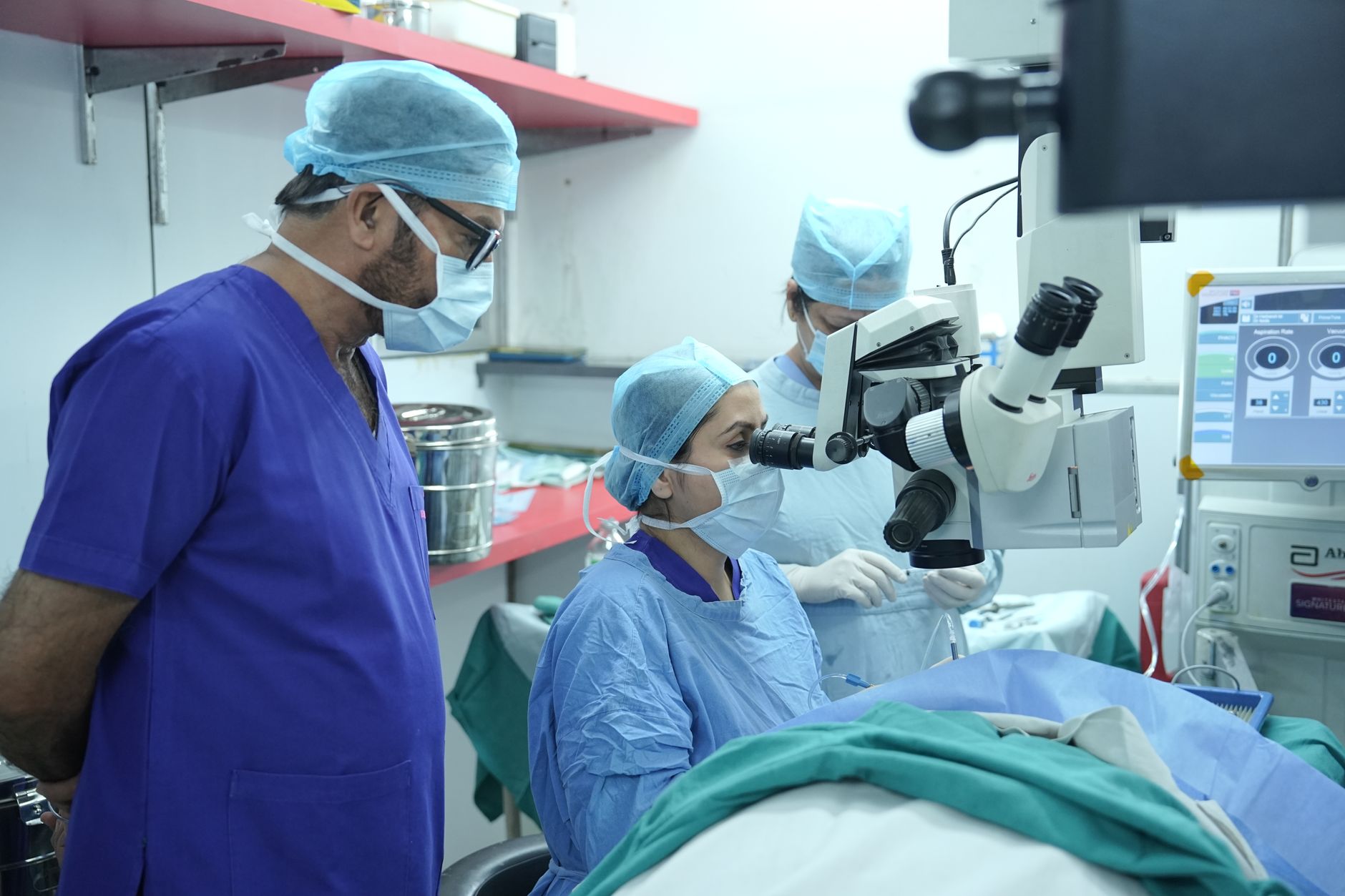
Turkish eye clinics are equipped with the latest surgical technology. Phacoemulsification systems with torsional ultrasound, femtosecond lasers, and intraoperative aberrometry are common in top Istanbul centres. These tools allow surgeons to remove the cataract with minimal energy and place the lens with sub‑millimetre accuracy.
Surgeons themselves are highly experienced. Many have trained in Europe or the US and perform hundreds of cataract surgeries annually. They are accustomed to international patients and speak English (and often other languages). The volume of cases means they are adept at handling complex situations, from dense cataracts to previous refractive surgery.
The precision doesn't end in the operating room. Post‑operative monitoring is rigorous, with same‑day and next‑day checks. If any issue arises, the clinic is just a phone call away. This level of care is why patients from around the world trust Turkish clinics with their vision.

Recovery Timeline and What to Expect Day by Day
Recovery from cataract surgery is remarkably quick. Most patients experience improved vision within hours, though it may fluctuate as the eye heals. Here's a typical day‑by‑day timeline for bilateral surgery in Istanbul:
- Day 1: Pre‑operative assessment, eye measurements, and consultation with your surgeon.
- Day 2: First eye surgery. You'll rest for a few hours and receive eye drops. Vision is often blurry but better than before.
- Day 3: Post‑op check for the first eye. Vision continues to improve. You may explore Istanbul cautiously, avoiding strenuous activities.
- Day 4–5: Interval period. Your first eye stabilises. You'll use antibiotic and anti‑inflammatory drops.
- Day 6: Second eye surgery. Similar experience to the first.
- Day 7: Post‑op check for the second eye. Final review with your surgeon.
- Day 8: Fly home with clear vision and a follow‑up plan.
During the interval, you can enjoy light sightseeing, but avoid swimming, heavy lifting, and rubbing your eyes. The clinics provide detailed instructions and often a 24/7 contact number. Most patients are surprised by how little discomfort there is and how quickly they can return to normal activities.
By the time you fly home, your vision is typically good enough to navigate the airport and read screens. Full healing takes a few weeks, but the functional improvement is immediate.

Planning Your Trip: Logistics, Accommodation, and Aftercare
Planning a medical trip to Türkiye is easier than you might think. Most clinics offer packages that include airport transfers, hotel accommodation, and interpretation services. Istanbul's new airport is a major hub, with direct flights from many cities. You'll need a passport valid for at least six months, and for many nationalities, a visa is not required for short stays (check current rules).
Accommodation options range from budget hotels to luxury suites near the clinics. Many patients choose to stay in the Şişli or Nişantaşı districts, where several top eye hospitals are located. These areas are safe, walkable, and have plenty of restaurants and pharmacies. Your clinic coordinator can help you choose a hotel that suits your budget and needs.
Aftercare is a crucial part of the plan. Before you leave, your surgeon will provide a detailed report and a schedule for eye drops. You'll also need a follow‑up examination with your local optometrist or ophthalmologist about a week after returning home. The clinic will send your medical records to your doctor, ensuring continuity of care. Most patients find that their local eye doctor is happy to collaborate.
It's also wise to arrange travel insurance that covers medical complications. While cataract surgery is very safe, having peace of mind is worth it. Finally, plan for a flexible return date — just in case your surgeon recommends a slight delay for the second eye.
Returning Home with Clear Vision: The Emotional and Practical Payoff
There's a moment that many patients describe as transformative: stepping off the plane at home and realising you can read the arrival signs without squinting. After years of declining vision, the world looks crisp again. Colors are brighter. Faces are clearer. Reading, driving, and enjoying hobbies become effortless.
For those who had bilateral cataracts, the improvement is doubly rewarding. You no longer have to compensate with one eye or wait months for the second surgery. The single trip means you return with both eyes healed and consistent vision. The delight is not just in seeing better — it's in reclaiming independence and spontaneity.
Türkiye's eye clinics have turned bilateral cataract surgery into a seamless experience. They combine medical excellence with Turkish hospitality, so you feel cared for from arrival to departure. The result is a journey that restores not just your sight, but your confidence.
If you're considering cataract surgery abroad, put Türkiye at the top of your list. With careful planning and the right clinic, you can have both eyes treated in one visit and return home with a clarity you may have forgotten was possible.
Thinking about treatment in Turkey?
Share your contact details and a verified doctor will follow up with a plan built around you — free, no obligation.