

Why Türkiye for Chronic Pancreatitis and Advanced Pancreaticobiliary Endoscopy?
Chronic pancreatitis is a demanding, long-term condition that often requires repeated imaging, endoscopic interventions, and coordinated nutrition and pain management. When conservative treatment no longer controls symptoms, advanced endoscopic procedures such as endoscopic ultrasound (EUS), endoscopic retrograde cholangiopancreatography (ERCP), and EUS-guided drainage become essential. Türkiye has emerged as a global destination for this type of care because its major hospitals combine high procedure volumes with dedicated hepatopancreatobiliary (HPB) teams and modern interventional endoscopy suites.
Istanbul, Ankara, and Izmir host tertiary referral centers where gastroenterologists, interventional endoscopists, pancreatic surgeons, radiologists, and dietitians work together under one roof. This multidisciplinary model is particularly valuable for chronic pancreatitis, where decisions about stenting, stone removal, pseudocyst drainage, or surgery must be individualized. Instead of fragmented visits, patients often receive a consolidated evaluation and a clear management plan within days.
Another advantage is access. Türkiye's leading private hospitals serve a large international patient population, with English-speaking coordinators, rapid appointment scheduling, and transparent pricing. For patients facing long waits or limited local expertise, traveling to Türkiye can mean faster access to EUS and therapeutic endoscopy without sacrificing quality. The focus is not on rushing to a procedure, but on understanding the pancreas and bile ducts thoroughly before choosing the least invasive effective option.
Understanding Advanced Pancreaticobiliary Endoscopy: EUS, ERCP, and Beyond
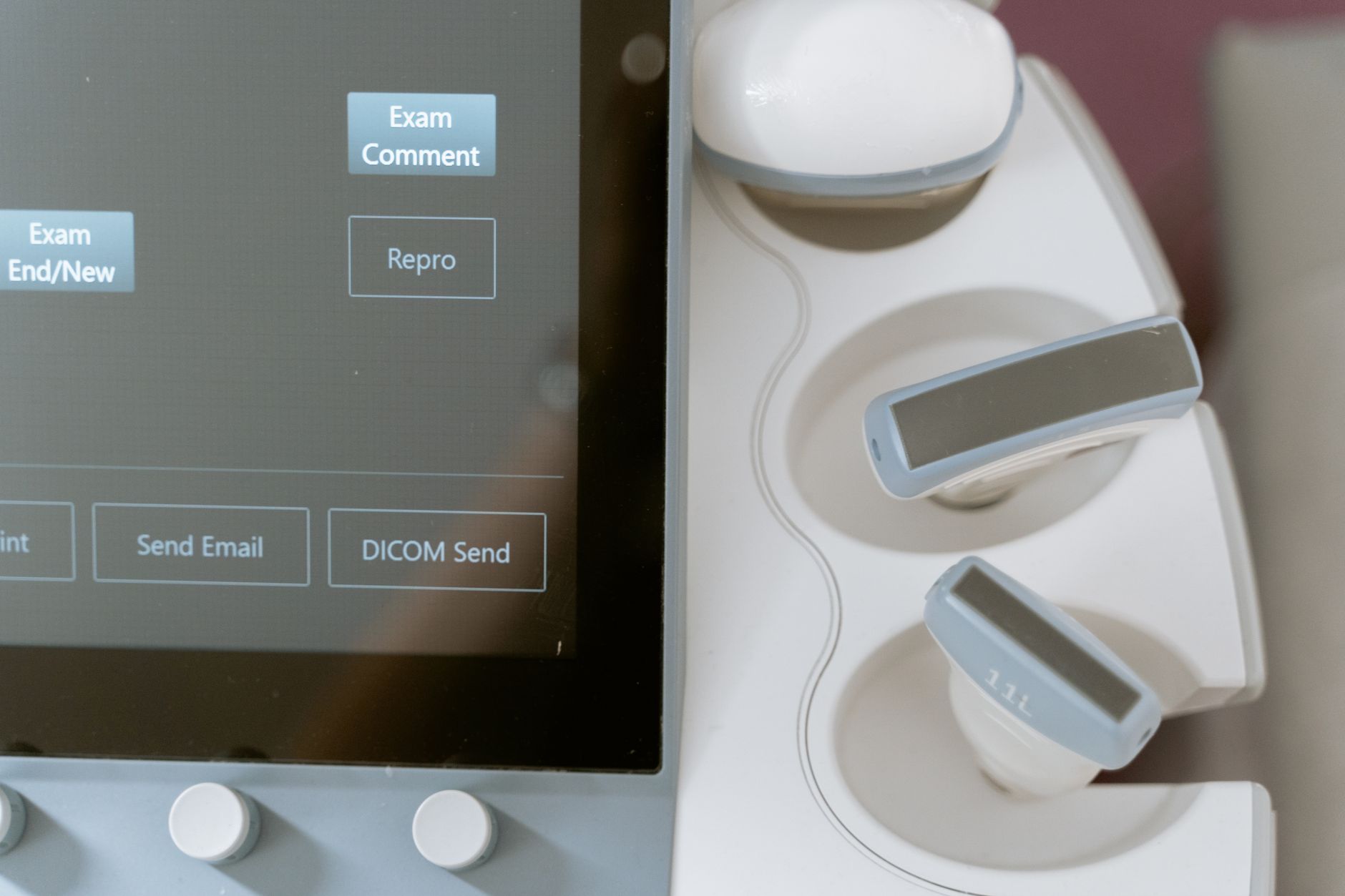
Endoscopic ultrasound (EUS) is a cornerstone of pancreaticobiliary assessment. By placing a high-frequency ultrasound probe at the tip of an endoscope, specialists can examine the pancreas, bile ducts, and surrounding vessels in fine detail. In chronic pancreatitis, EUS helps identify ductal stones, strictures, parenchymal calcifications, and early complications. It is also used to sample suspicious lesions with fine-needle aspiration or biopsy, guiding diagnosis without surgery.
ERCP remains the primary therapeutic tool for bile duct and pancreatic duct problems. In chronic pancreatitis, ERCP can remove ductal stones, place pancreatic stents to relieve strictures, and manage bile duct narrowing. When ERCP is not feasible because of altered anatomy, EUS-guided drainage offers an alternative for pseudocysts, walled-off necrosis, and obstructed ducts. Türkiye's high-volume centers perform these procedures routinely, which matters because outcomes improve with operator experience.
Interventional endoscopy in Türkiye is supported by advanced imaging such as magnetic resonance cholangiopancreatography (MRCP), computed tomography (CT), and secretin-enhanced MRI. These studies map the pancreatic duct and identify complications before any procedure. The goal is to combine precise imaging with therapeutic endoscopy so that patients avoid unnecessary open surgery. When surgery is needed, minimally invasive pancreatic surgery and multidisciplinary perioperative care are available in the same institutions.
What Records to Send Before You Travel
Preparation begins long before departure. Your Turkish medical team will need a complete picture of your pancreatic history to plan safe and effective endoscopy. Start by gathering all imaging on CD or DVD or via secure digital links. This includes CT scans, MRI/MRCP studies, previous EUS reports, and any ERCP images or procedure notes. Imaging is more informative than written summaries alone, so send the actual files whenever possible.
Next, compile laboratory results: liver and pancreatic enzyme levels, complete blood count, coagulation studies, renal function, HbA1c, and nutritional markers such as albumin and vitamin levels. If you have had genetic testing, autoimmune panels, or biopsy pathology reports, include them. A list of all current medications with doses is essential, especially opioids, pancreatic enzyme replacements, insulin, and blood thinners. Mention any allergies, previous surgeries, and hospitalizations for pancreatitis flares.
Finally, write a short chronological summary of your condition: when symptoms started, what treatments you have tried, and what has or has not worked. This narrative helps the multidisciplinary team understand your trajectory. Send records through the hospital's international patient portal or your coordinator at least two to three weeks before travel. The team may then request additional tests or schedule specific procedures in advance, reducing uncertainty on arrival.

Expected Length of Stay and the Evaluation Timeline
Most patients should plan to stay in Türkiye for seven to fourteen days, depending on the complexity of the case. A typical first visit includes consultations with a gastroenterologist and an interventional endoscopist, review of outside imaging, and any necessary blood tests or repeat imaging. This initial evaluation often takes two to three days. If EUS or ERCP is indicated, it is usually scheduled within the first week.
Therapeutic endoscopy itself is often performed as a day-case or with a one-night hospital stay. More complex interventions, such as EUS-guided drainage of a pseudocyst or multiple stenting procedures, may require two to four days of inpatient monitoring. After discharge, a follow-up consultation is arranged to review results and adjust medications. If a staged procedure is planned, some patients extend their stay to ten days or return after several weeks.
It is wise to build in a buffer. Pancreatitis can be unpredictable, and occasionally further imaging or a second look is needed. Ask your coordinator for a realistic estimate based on your records. Many international patients choose to stay in a hotel near the hospital, with easy access to the endoscopy unit and emergency services. Travel insurance that covers pre-existing conditions and potential complications is strongly recommended.
Coordinating Nutrition and Pain Management
Chronic pancreatitis affects far more than the pancreas. Malabsorption, weight loss, diabetes, and chronic pain are common and require proactive management. In Türkiye's multidisciplinary centers, a dietitian works alongside the gastroenterologist to design a nutrition plan before and after endoscopy. Pancreatic enzyme replacement therapy is adjusted to meal size and fat content, and fat-soluble vitamin levels are monitored. If oral intake is inadequate, temporary enteral nutrition may be recommended.
Pain management is equally important and is approached cautiously. Rather than simply escalating opioids, the team may address the underlying cause through ductal decompression, stone removal, or celiac plexus block. A pain specialist can help optimize medications, including non-opioid options and adjuvant therapies. The aim is to reduce pain while limiting side effects and dependence. Patients are encouraged to bring a pain diary describing triggers, timing, and relief.
After endoscopic treatment, nutrition and pain plans are reviewed together. A gradual return to oral diet is guided by symptoms and enzyme needs. Follow-up may include telephone or video consultations with the dietitian and pain team after you return home. This continuity is a hallmark of the Turkish approach: complex digestive care is managed calmly, step by step, with clear communication between specialties and with you as an active partner.
Practical Steps for a Smooth Medical Journey
Begin with a reputable hospital or clinic that has a dedicated HPB and interventional endoscopy unit. Verify that the endoscopist performs a high volume of EUS and ERCP procedures and that anesthesia support is available. Ask about complication management and intensive care backup. Request a written treatment plan and cost estimate that covers consultations, imaging, procedures, hospital stay, and follow-up.
For travel, ensure your passport is valid for at least six months beyond your stay. Many nationalities can obtain a visa online or on arrival, but check current rules. Arrange airport transfer and accommodation through your coordinator if possible. Bring copies of your records, a medication list, and enough medication for the entire trip in original packaging. Share emergency contacts with your family and keep your coordinator's number handy.
Finally, prepare questions for your consultation: What is the goal of the proposed endoscopy? What alternatives exist? What are the risks? How will we measure success? A calm, informed patient gets more from the visit. Türkiye's leading centers welcome these conversations. With thorough preparation and a multidisciplinary team, a medical trip for chronic pancreatitis can be a decisive step toward better symptom control and quality of life.
Thinking about treatment in Turkey?
Share your contact details and a verified doctor will follow up with a plan built around you — free, no obligation.