

Why Türkiye Is Becoming the Go-To for Post-Operative Recovery
Türkiye has long been a global leader in medical tourism, attracting hundreds of thousands of international patients each year for procedures ranging from hair transplants and dental work to bariatric surgery and orthopaedic operations. Yet the country's most significant recent innovation is not in the operating room — it is in the recovery room. Across the coastlines of Antalya, Izmir and Istanbul, a new generation of recovery residences has emerged, designed specifically for patients who need a calm, medically supervised place to heal after surgery.
These residences combine the comfort of a boutique hotel with the clinical oversight of a private clinic. On-site nurses, visiting physicians, 24-hour emergency support and tailored nutrition programmes are now standard features at the best establishments. For international patients who travel alone or with limited companions, this model removes much of the anxiety that comes with recovering far from home.
The result is a smoother, calmer convalescence. Instead of navigating a busy hotel with no medical support, patients can rest in a setting where their wound care, medication schedule and mobility progression are monitored by trained professionals — while the Mediterranean or Aegean Sea glimmers just outside the window.
What Exactly Is a Coastal Recovery Residence?
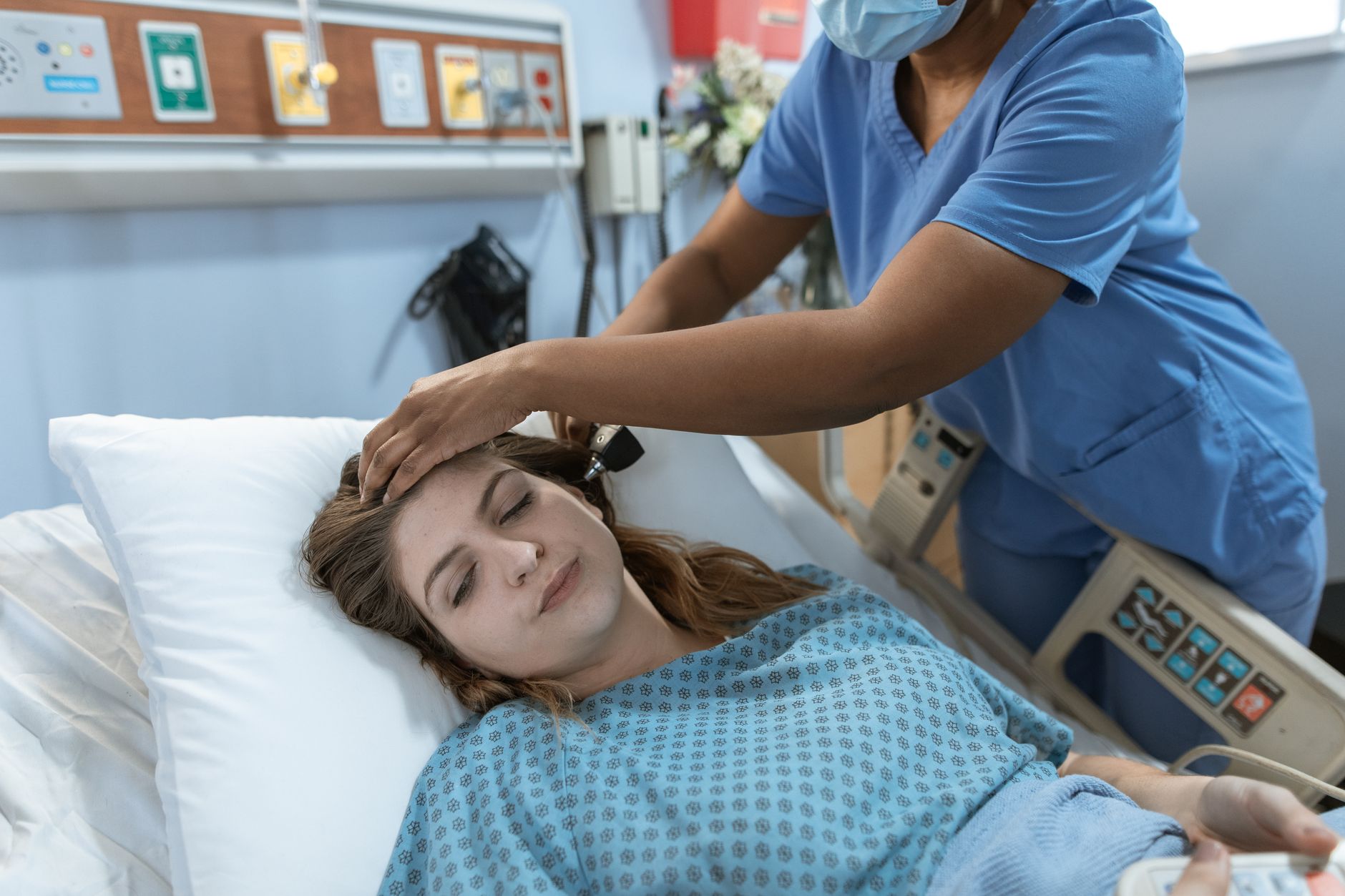
A coastal recovery residence is a purpose-built or adapted property that offers short-stay accommodation specifically for post-operative patients. Unlike a standard hotel, it provides clinical services on site: registered nurses are present around the clock, doctors conduct daily or twice-daily rounds, and rooms are equipped with adjustable beds, call buttons, sterile dressing supplies and, in some cases, oxygen and vital-sign monitors.
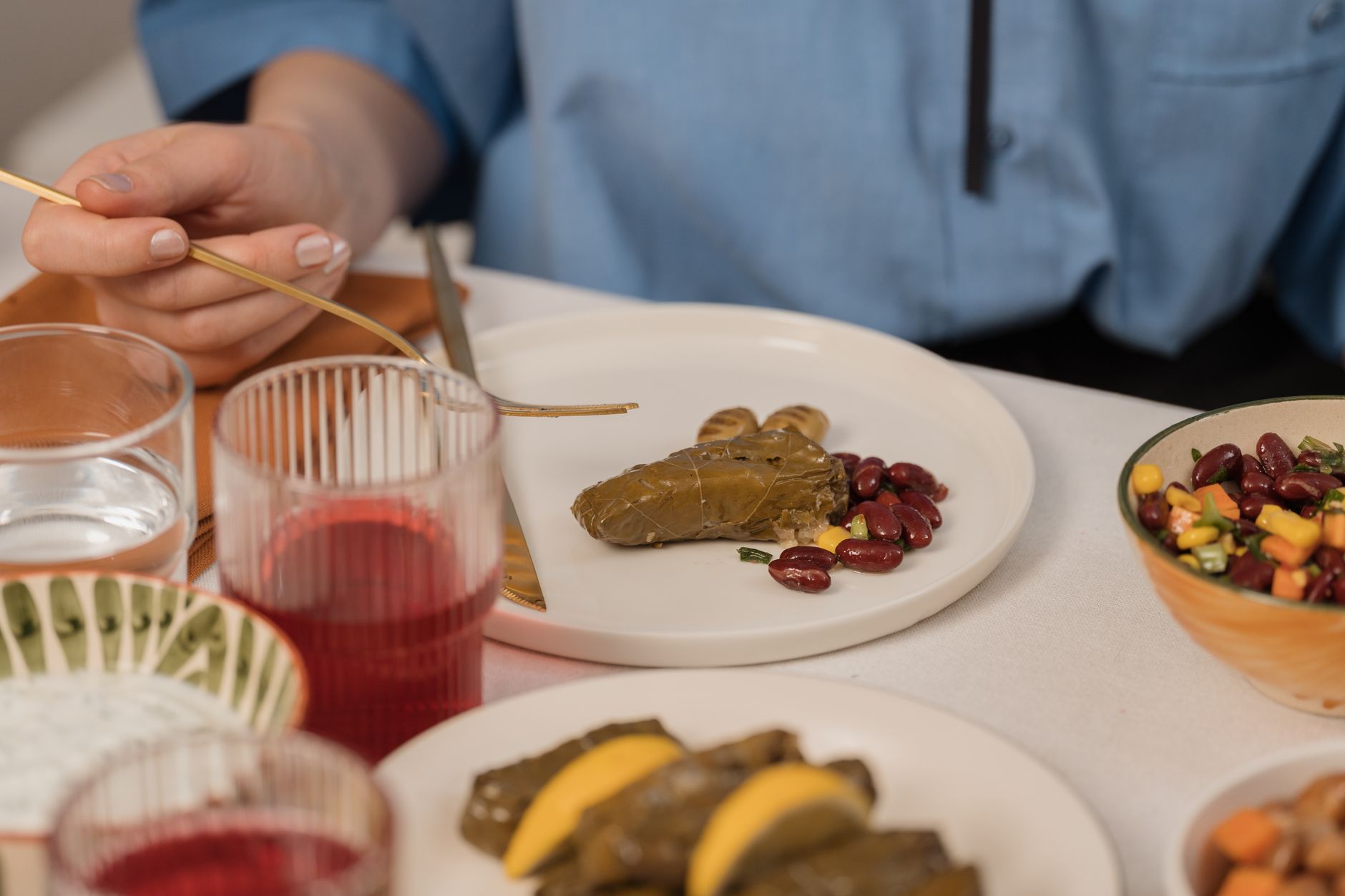
Meals are typically prepared according to the patient's dietary requirements — low-sodium, diabetic-friendly, high-protein for wound healing, or soft-food diets after bariatric or dental procedures. Many residences also offer physiotherapy sessions, lymphatic drainage massage and psychological support, all coordinated with the patient's surgeon.
What sets these residences apart from a hospital is the atmosphere. Rooms are spacious and filled with natural light. Balconies overlook the sea, gardens or quiet courtyards. Families can stay in adjoining rooms, and there are communal lounges where patients can take short, supervised walks. The blend of clinical safety and restorative calm is precisely what the recovery period demands.
Antalya: Sea Air and Surgical Aftercare in Harmony
Antalya, on Türkiye's turquoise Mediterranean coast, has become a flagship destination for recovery residences. The city's international airport receives direct flights from dozens of European and Middle Eastern cities, making it convenient for patients who want to combine surgery with a seaside recovery. The climate — mild winters and long, warm summers — allows patients to take gentle walks along the promenade within days of many procedures.
Several Antalya recovery residences are affiliated with major private hospitals such as Memorial Antalya and Medical Park. This means your surgeon can visit you at the residence, or you can be transferred back to the hospital quickly if any complication arises. Nurses on site are fluent in English, German, Russian and Arabic at many facilities, reflecting the city's international patient base.
A typical stay includes daily wound checks, medication administration, blood pressure and temperature monitoring, and assistance with showering or dressing if needed. Many residences offer airport transfers, accompaniment to follow-up appointments and translation services. For patients undergoing hair transplants or facial procedures, the shaded gardens and sea breeze provide a soothing environment that reduces swelling and stress.
Izmir: Aegean Calm with Clinical Precision
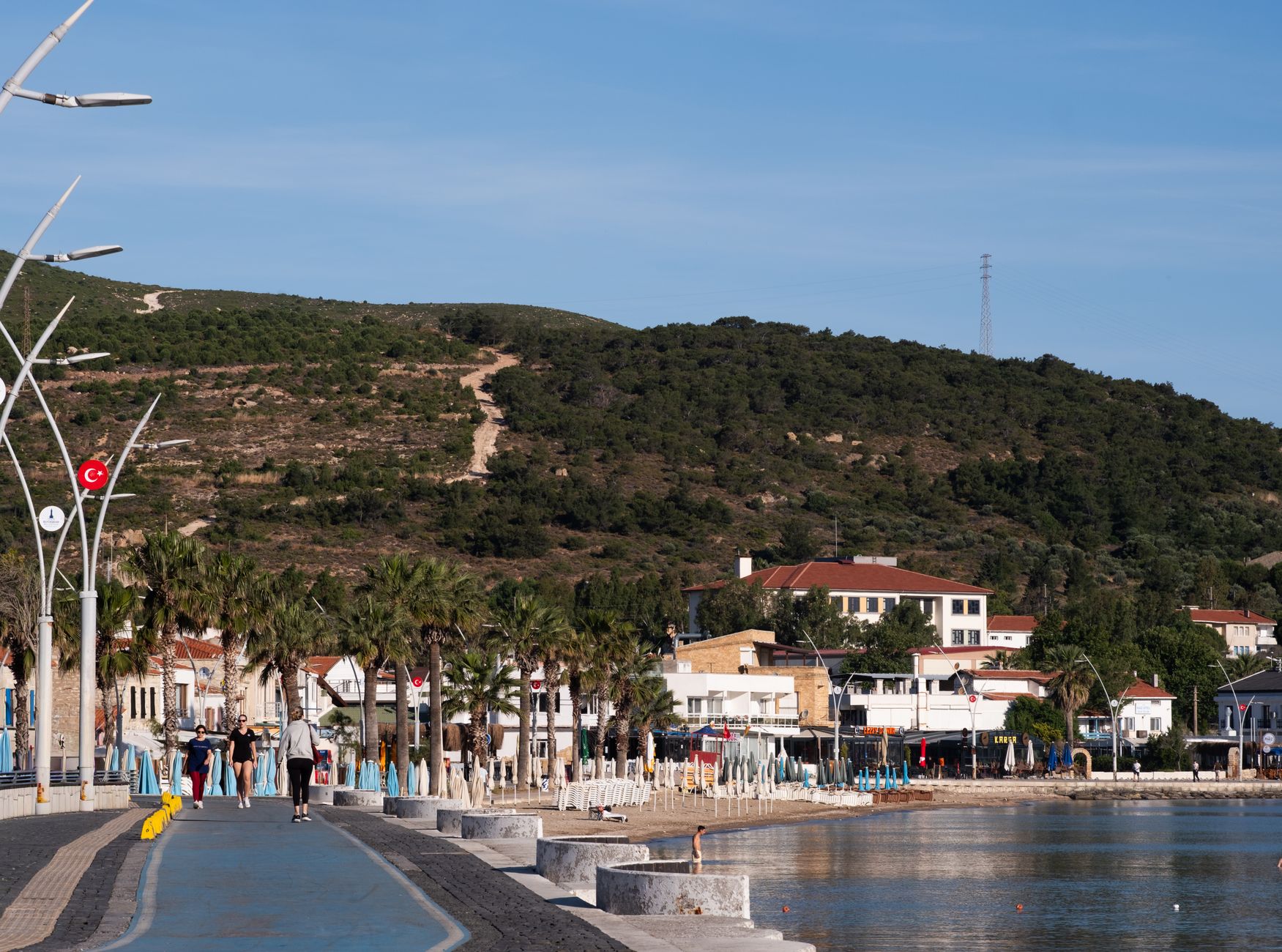
Izmir, Türkiye's third-largest city, offers a different flavour of recovery. Its coastline along the Aegean Sea is dotted with quiet towns like Çeşme and Foça, where boutique recovery residences cater to a more intimate number of guests. The atmosphere is relaxed yet professional, with many facilities limiting occupancy to ensure personalised care.
Izmir's medical infrastructure is robust, with internationally accredited hospitals such as Egepol and Kent Hospital. Recovery residences here often partner with specific clinics, so your aftercare plan is seamlessly integrated with your surgical team. On-site nurses typically have experience in post-operative care for orthopaedic, cosmetic and bariatric patients.
One of Izmir's advantages is its milder, breezy climate, which can be more comfortable than Antalya's peak summer heat for patients who must avoid excessive sweating or sun exposure. The city's culinary scene also shines: recovery meals feature fresh Aegean vegetables, olive oil, grilled fish and herbs — all excellent for healing. Many residences offer cooking demonstrations or simple recipe guides so patients can continue healthy eating after returning home.
Istanbul: World-Class Hospitals Meet Bosphorus Serenity
Istanbul is Türkiye's medical tourism powerhouse, home to JCI-accredited hospitals like Acıbadem, American Hospital and Koç University Hospital. For patients undergoing complex procedures — cardiac surgery, organ transplants, advanced orthopaedics — Istanbul is often the first choice. The city's recovery residences are accordingly sophisticated, with some offering intensive care-level monitoring in a hotel-like setting.
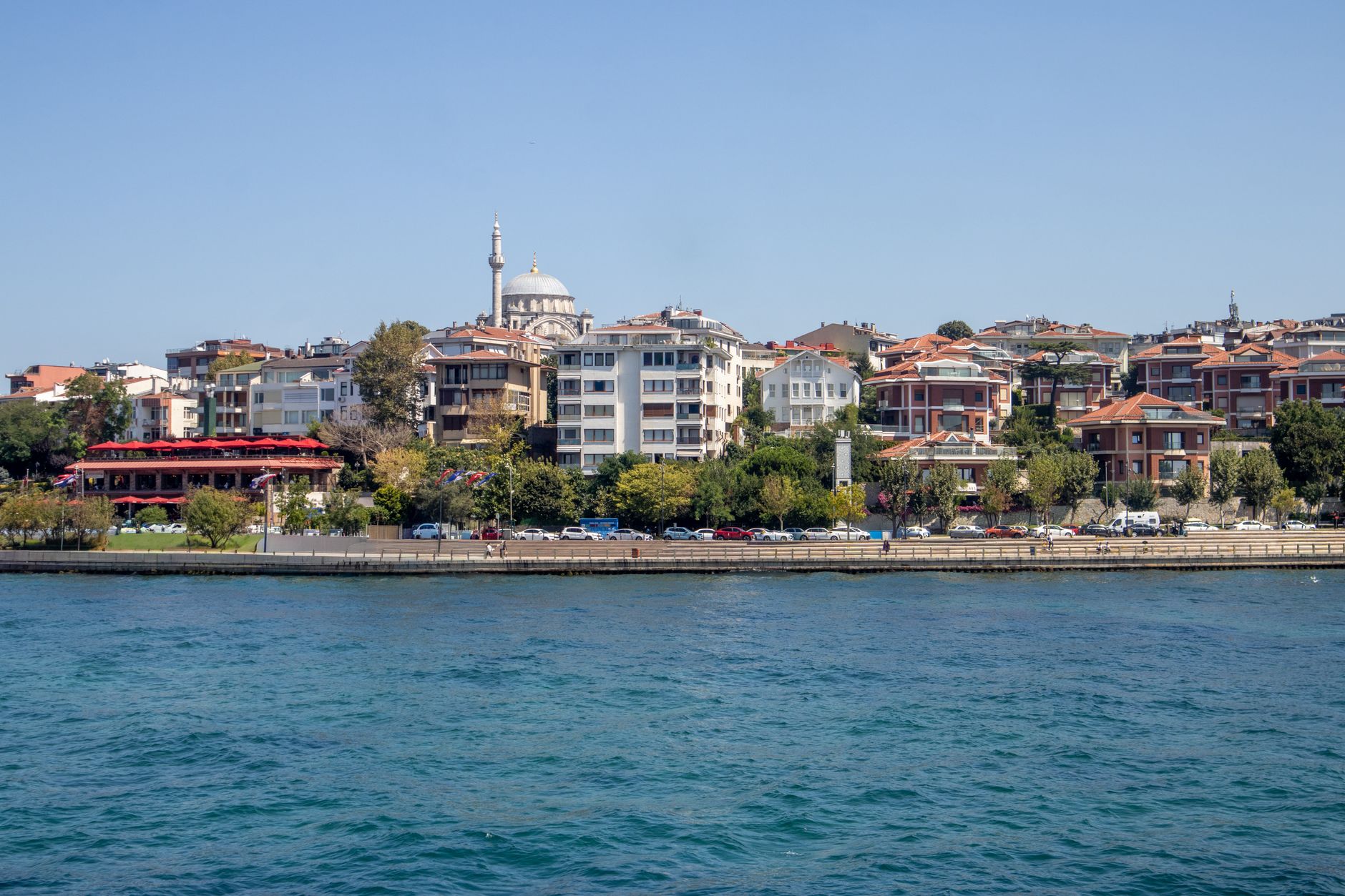
Many of these residences are located in quiet districts such as Beşiktaş, Sarıyer and the Princes' Islands, where the noise of the metropolis fades. Sea views over the Bosphorus or the Marmara Sea provide a psychologically uplifting backdrop. On-site nurses coordinate with hospital teams, and some residences have dedicated physiotherapy gyms for rehabilitation after joint replacement or spinal surgery.
Istanbul also offers cultural comfort: family members can explore the city's historic sites while the patient rests, and halal, kosher and vegetarian meals are widely available. For patients from Europe, the Middle East and Central Asia, the combination of direct flights, world-class surgery and calm recovery is hard to beat.
What to Check Before Booking a Recovery Residence
Not all recovery residences are equal. Before you book, verify the following points to ensure your safety and peace of mind.
- Licensing and accreditation: Ask whether the residence is registered with the Turkish Ministry of Health and whether it holds any international accreditation (JCI, ISO, TEMOS). Accreditation is not mandatory for residences, but it signals a commitment to quality.
- Nursing qualifications: Confirm that nurses are registered and have specific post-operative experience. Ask about the nurse-to-patient ratio — ideally no more than 1:4 during the day and 1:6 at night.
- Doctor availability: Find out if a physician is on site daily, on call, or only visits on request. For major surgery, daily rounds are strongly recommended.
- Emergency protocols: Ask about the nearest hospital, transfer time, and whether the residence has a written emergency plan. Check if they have oxygen, suction and defibrillator on site.
- Surgeon coordination: The residence should communicate directly with your surgeon and follow his or her aftercare instructions. Ideally, your surgeon should be able to visit you at the residence.
- Room and facility standards: Look for adjustable beds, private bathrooms with grab bars, call buttons, air conditioning, and cleanliness. Ask for recent photos and, if possible, video tours.
- Meal planning: Confirm that meals are tailored to your dietary needs and that a nutritionist is involved if necessary.
- Language support: Ensure staff speak a language you understand, or that translation services are available 24/7.
- Insurance and liability: Check what medical liability insurance the residence carries and whether your travel insurance covers aftercare in a non-hospital setting.
- Reviews and references: Seek testimonials from past international patients, and ask for contact details of previous guests if possible.
It is also wise to visit the residence in person or have a trusted representative do so before committing. A short video call with the head nurse can reveal much about the level of care and professionalism.
How On-Site Nursing Supports a Smoother Convalescence
The presence of skilled nurses transforms the recovery experience. After surgery, patients often face uncertainty: Is this pain normal? Should this dressing be changed? Is my fever a sign of infection? Having a nurse on site means these questions are answered immediately, often before a minor issue becomes a major complication.
Nurses manage medication schedules, monitor vital signs, change dressings, assess wounds for signs of infection, and assist with mobility. They also provide emotional support, which is crucial for patients who may feel vulnerable and isolated in a foreign country. Many nurses in Turkish recovery residences are trained in post-operative care for specific procedures, such as bariatric surgery, and know exactly what to watch for.
Beyond clinical tasks, on-site nurses coordinate with physiotherapists, dietitians and psychologists, ensuring a holistic approach. They can also help patients gradually increase activity — a short walk on the terrace, a few steps in the corridor — which is essential for preventing blood clots and speeding recovery. This structured yet gentle progression reduces the risk of falls and other accidents.
For family members, the presence of nurses offers reassurance. They can rest knowing that a professional is always available, and they can focus on providing emotional support rather than medical care. This shared responsibility often leads to a more relaxed and positive recovery environment for everyone.
Making the Most of Your Recovery Stay
To get the most from your time in a coastal recovery residence, follow your medical team's advice closely. Attend all scheduled check-ups, take medications on time, and do not rush your mobility milestones. Use the calm environment to rest, read, or listen to music. Gentle exposure to sea air — on a balcony or in a shaded garden — can improve mood and sleep quality.
Stay hydrated, eat the meals provided, and communicate openly with nurses about any discomfort or concern. If you feel up to it, short, supervised walks can be beneficial, but always ask first. Avoid alcohol, smoking and strenuous activity unless cleared by your surgeon.
Finally, plan your return journey carefully. Most residences offer transfer services to the airport and can provide a fit-to-fly letter if needed. Ensure you have enough medication and dressing supplies for the trip home, and arrange a follow-up appointment with your local doctor.
Türkiye's coastal recovery residences represent a significant advance in medical tourism. By combining professional nursing care with the restorative power of the sea, they offer patients a safer, calmer and more comfortable path to healing. With careful research and the right questions, you can choose a residence that supports your recovery every step of the way.
Thinking about treatment in Turkey?
Share your contact details and a verified doctor will follow up with a plan built around you — free, no obligation.