
Why Türkiye for Cognitive and Memory Assessment?
Türkiye has quietly become one of the most trusted destinations in Europe and the wider region for neurological evaluation, and hospital-based cognitive and memory clinics sit at the heart of that reputation. University hospitals in Istanbul, Ankara, and Izmir combine academic rigor with modern imaging equipment, and many neurology departments have dedicated memory units that assess hundreds of international patients each year. For families worried about forgetfulness, personality change, or a possible dementia diagnosis, this offers something invaluable: a complete, structured evaluation without the long waits that can stretch for months in other health systems.
What sets these clinics apart is not only technology but temperament. Turkish clinical culture places a strong emphasis on hospitality, and this translates into appointments that are not rushed. A cognitive assessment in a Turkish memory clinic is typically scheduled over several hours, sometimes across two days, allowing the neurologist, neuropsychologist, and nursing team to observe the patient calmly rather than compressing everything into a fifteen-minute slot.
For international patients, the combination of thorough one-visit assessment, English-language reporting, and reasonable costs makes Türkiye a compelling option. Families often arrive with a folder of previous tests and leave with a clear, consolidated picture and a practical plan — an outcome that many describe as a turning point in how they understand and manage their loved one's condition.
What Happens During a Structured Memory Assessment
A proper cognitive evaluation in a Turkish hospital memory clinic follows a defined sequence, and understanding this structure helps families prepare. The first step is a detailed clinical interview. The neurologist asks about the timeline of symptoms, medication history, sleep, mood, and vascular risk factors such as blood pressure and diabetes. Whenever possible, a family member or caregiver joins this conversation, because patients with memory loss often underestimate or misremember changes that others have noticed.
Next comes formal neuropsychological testing. This is not a casual quiz; it is a standardized battery of validated instruments administered by a trained neuropsychologist. Depending on the patient's language and education, the battery may include the Mini-Mental State Examination (MMSE), the Montreal Cognitive Assessment (MoCA), verbal and visual memory tasks, attention and executive function measures, and language and visuospatial tests. The neuropsychologist scores each domain separately, which allows the team to see a pattern rather than a single number.
Laboratory work runs in parallel. Blood tests screen for thyroid dysfunction, vitamin B12 and folate deficiency, electrolyte imbalance, and inflammatory markers — all reversible causes that can mimic dementia. In selected cases, the team may also test for syphilis, HIV, or specific autoimmune and paraneoplastic antibodies. The goal is to exclude treatable conditions before settling on a neurodegenerative diagnosis.
At the end of the assessment, the neurologist and neuropsychologist meet to integrate clinical history, test scores, imaging, and laboratory results into a single formulation. This multidisciplinary discussion is one of the strongest features of an academic memory clinic, and it is why a one-visit Turkish assessment often provides more clarity than a scattered series of appointments elsewhere.
Imaging and Biomarkers: Seeing the Brain Clearly
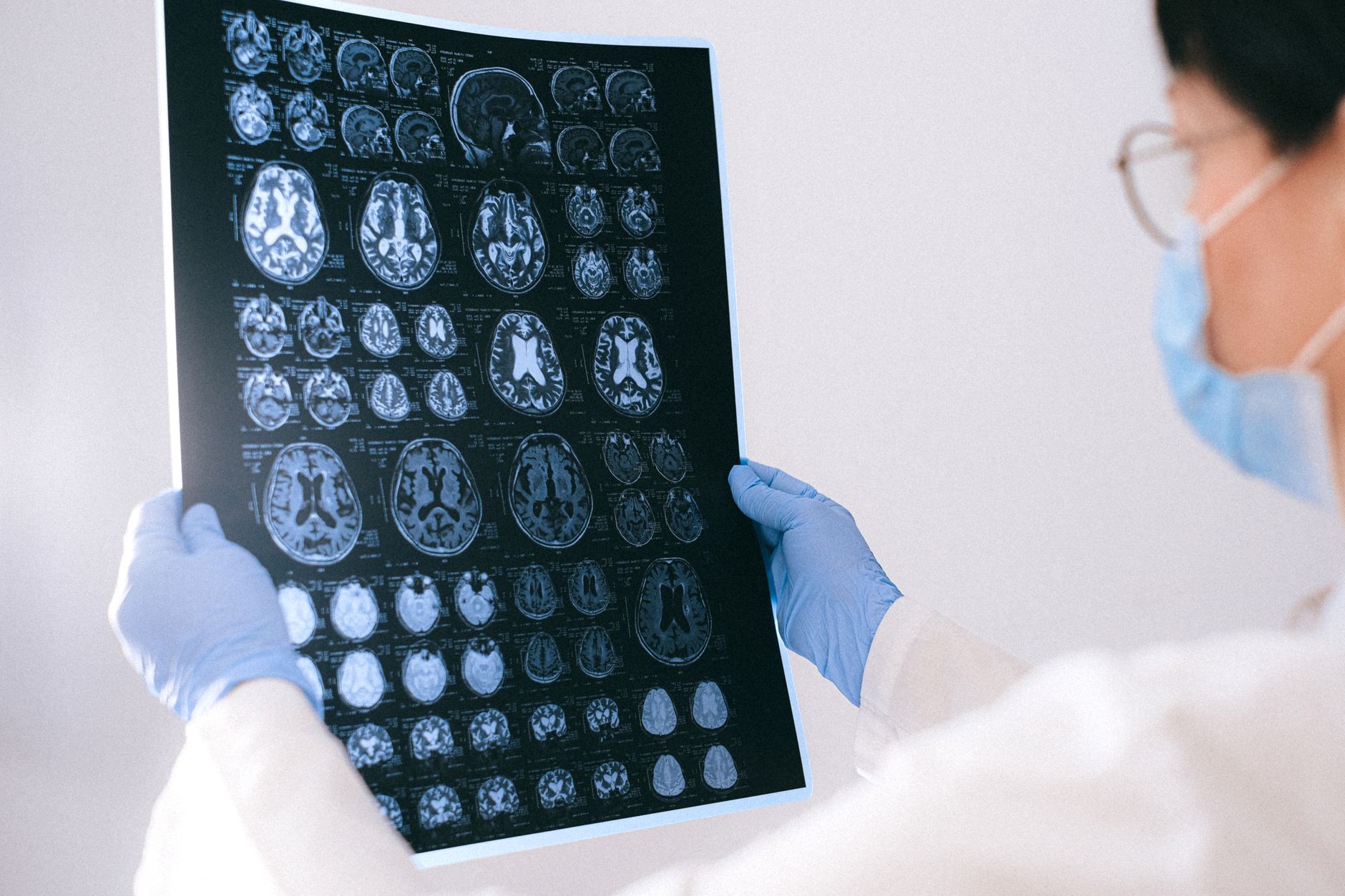
Modern memory clinics in Türkiye rely on high-resolution imaging to distinguish between different causes of cognitive decline. Structural MRI is the workhorse: it can reveal hippocampal atrophy, white matter changes, microbleeds, and strokes that contribute to vascular dementia. Many hospitals use 3-Tesla scanners with dedicated dementia protocols, producing detailed volumetric measurements that are compared against age-matched norms.
When the clinical picture is ambiguous, advanced imaging becomes valuable. FDG-PET detects regional patterns of glucose metabolism that differ between Alzheimer's disease, frontotemporal dementia, and Lewy body dementia. Amyloid PET can identify amyloid plaques in vivo, and some centers offer tau PET for research or complex differential diagnosis. Dopamine transporter imaging (DAT-SPECT) helps confirm or exclude Lewy body disease when Parkinsonian features are present.
Cerebrospinal fluid (CSF) analysis is another tool available at major Turkish university hospitals. By measuring amyloid-beta 42, total tau, and phosphorylated tau, clinicians can assess the biological signature of Alzheimer's disease with high accuracy. Lumbar puncture is performed under local anesthesia, usually as an outpatient procedure, and results are typically available within days.
It is important to set expectations: not every patient needs every test. A good memory clinic selects investigations based on the clinical question. The neurologist will explain why a particular scan or biomarker is recommended, what it can and cannot tell you, and how the result will change management. This personalized approach avoids unnecessary procedures while ensuring that diagnostically decisive information is not missed.

Patience and Dignity: The Human Side of Care
Cognitive assessment can feel frightening, especially for patients who are aware that something is wrong. Turkish memory clinics generally approach this with deliberate gentleness. Appointments are scheduled with buffer time, and staff are trained to repeat instructions without impatience. Family members are encouraged to stay close, and the physical environment — quiet rooms, soft lighting, clear signage — is designed to reduce anxiety.
Dignity is maintained in small but meaningful ways. Patients are addressed by name, not by their diagnosis. Testing sessions include breaks for tea or water, and neuropsychologists watch for fatigue and adjust the pace accordingly. When a patient struggles with a task, the response is supportive rather than clinical, and the results are framed as information that helps the team help them — not as a judgment.
Language access is part of this dignity. Hospitals that serve international patients provide professional interpreters, not ad hoc bilingual staff, for consent discussions, neuropsychological testing, and family meetings. Cognitive tests must be administered in the patient's dominant language, and reputable clinics confirm this in advance. If a patient's mother tongue is not available, the team may use culturally adapted instruments or rely on a trained interpreter following strict protocols.
Consent is handled carefully. Patients are told what each test involves, how long it will take, and what will be shared with whom. For families navigating questions of driving, finances, or legal capacity, the clinic can provide documentation that supports these decisions while respecting the patient's autonomy as much as possible.

The Value of a One-Visit, Thorough Assessment
One of the strongest arguments for traveling to Türkiye for cognitive assessment is consolidation. Instead of repeating the same tests across multiple providers, families can complete clinical interview, neuropsychological testing, laboratory work, imaging, and multidisciplinary review in a single coordinated visit. This is particularly valuable when symptoms are progressing or when treatment decisions are time-sensitive.
Time-compressed assessment also reduces the burden on caregivers. Traveling with a loved one who has memory impairment is demanding, and a single well-organized trip is far easier than multiple short visits spread over months. Turkish clinics often provide a suggested itinerary, arrange transportation between hospital units, and offer help with accommodation nearby.
From a diagnostic standpoint, a one-visit assessment improves accuracy. The neurologist sees the patient at their best and, if needed, at their most tired; the neuropsychologist administers the full battery in a controlled setting; and the radiologist reads imaging with the clinical question in mind. Correlations that might be missed in fragmented care become obvious when all data are reviewed together.
Finally, a consolidated assessment produces a clear baseline. Cognitive scores, imaging findings, and biomarker results can be compared against future evaluations, whether the patient returns to Türkiye or continues care at home. This baseline is one of the most useful things a memory clinic can provide.
Multilingual Reporting and Communication
For international patients, the value of an assessment depends heavily on how well the findings are communicated. Turkish university hospitals that regularly treat patients from abroad have established medical tourism or international patient departments that prepare reports in English, Arabic, Russian, German, or French, depending on need. These reports are not summaries; they include test scores, imaging interpretations, diagnostic impressions, and recommendations in a format that referring physicians can use directly.
Discharge meetings are typically held with an interpreter present, and families receive both a printed and digital copy of the report. Some hospitals also provide a brief cover letter addressed to the patient's home physician, explaining the diagnostic reasoning and suggesting next steps. This is especially helpful when the patient plans to continue care with a local neurologist or general practitioner.
Communication does not end at discharge. Many clinics offer a follow-up video consultation, usually within four to six weeks, to review questions that arise after the family returns home. This service is often included in the package or available for a modest fee. For families adjusting to a new diagnosis, that scheduled check-in can be a lifeline.
It is worth asking in advance about report turnaround times. Some tests, such as CSF biomarkers or amyloid PET, may take longer to finalize, and knowing when to expect the complete report helps with planning. Reputable clinics will give a realistic timeline and a contact person for follow-up.
Care Planning and Support After You Travel Home
A diagnosis is only useful if it translates into practical care, and Turkish memory clinics increasingly emphasize post-assessment planning. Before discharge, the team discusses medication options, behavioral strategies, safety at home, driving, nutrition, exercise, and cognitive stimulation. When appropriate, they introduce caregiver support resources and explain what to expect in the coming months.
Clinics also connect families with follow-up resources in their home country. This may include referrals to local neurologists, memory cafés, dementia associations, or telehealth services. Some hospitals partner with international patient networks that can help coordinate ongoing care, and they provide documentation that supports access to community services, insurance claims, or workplace accommodations.
For families considering cholinesterase inhibitors, memantine, or newer anti-amyloid therapies, the clinic can advise on eligibility, monitoring requirements, and local availability. If a treatment is not accessible at home, the team may suggest alternatives or help arrange follow-up in Türkiye. This practical guidance is often what families remember most.
Care planning also includes the caregiver. Turkish clinics recognize that dementia care is a family endeavor, and they offer education on communication techniques, sundowning, wandering prevention, and caregiver burnout. Some hospitals provide written caregiver guides in multiple languages, and a few offer online support groups that international families can join after returning home.
Practical Tips for International Patients
Planning a cognitive assessment trip requires some preparation. Gather previous medical records, imaging discs, and a list of current medications with doses. If possible, bring a family member who knows the patient well and can provide history. Arrange travel insurance that covers pre-existing conditions, and confirm whether the hospital requires a deposit or pre-authorization.
Ask about the clinic's experience with international patients and the languages available for testing and reports. Confirm whether neuropsychological testing will be administered in the patient's native language, and request an interpreter if needed. Inquire about the expected length of stay and whether any tests require an overnight admission.
Consider the season. Istanbul is pleasant in spring and autumn, while summer can be hot and crowded. Ankara and Izmir offer quieter alternatives with excellent hospitals. Many clinics are located near major hotels and offer airport transfer assistance, which reduces stress for families navigating an unfamiliar city.
Finally, keep expectations realistic. A single visit can provide a diagnosis, a baseline, and a plan, but dementia care is a long-term journey. The best outcomes come when the Turkish clinic and the home care team work together, sharing records and communicating openly. With that partnership in place, families often find that the trip to Türkiye was not just a medical appointment but the beginning of a more supported, dignified chapter of care.
Thinking about treatment in Turkey?
Share your contact details and a verified doctor will follow up with a plan built around you — free, no obligation.