
Why Türkiye Leads in Deep Brain Stimulation for Parkinson's and Essential Tremor
Türkiye has quietly become one of the world's most trusted destinations for advanced neuromodulation, particularly deep brain stimulation (DBS) for Parkinson's disease and essential tremor. The country's leading hospital-based neurology centres combine high-volume surgical experience with dedicated DBS teams — neurosurgeons, neurologists, neurophysiologists, and specialised nurses who work together exclusively on movement disorders. For international patients, this means a level of focus and coordination that is often difficult to find elsewhere.
Unlike general neurosurgery units where DBS is just one of many procedures, Türkiye's flagship centres perform DBS routinely, week after week. This repetition builds exceptional precision in electrode placement, which is the single most important factor in achieving good symptom control with minimal side effects. The teams also invest heavily in post-operative programming, recognising that successful DBS is a partnership between surgery and long-term device adjustment.
What truly sets Türkiye apart for medical travellers is the integration of remote programming. After implantation, many patients can have their stimulation settings fine-tuned from their home country via secure telemedicine platforms, with the support of Turkish DBS nurses and neurologists. This removes the burden of frequent long-distance travel and makes ongoing care practical for people living in Europe, the Middle East, Africa, and beyond. For those seeking a life-changing option that restores independence, Türkiye's hospital-based DBS programmes offer a compelling combination of surgical excellence, personalised follow-up, and cost transparency.
Understanding DBS: How It Works and Who It Helps
Deep brain stimulation is a surgical treatment that uses a small, implanted neurostimulator — often called a "brain pacemaker" — to deliver controlled electrical pulses to specific areas of the brain. These pulses modulate abnormal neural activity that causes symptoms such as tremor, rigidity, bradykinesia (slowness), and medication-induced dyskinesias. The system consists of thin electrodes placed deep in the brain, connected by extension wires to a stimulator implanted under the skin near the collarbone. Settings are adjusted externally, without further surgery.
For Parkinson's disease, DBS is typically considered when medications no longer provide adequate control or cause troubling side effects. It can significantly reduce tremor, smooth out motor fluctuations, and improve quality of life. For essential tremor — a common neurological condition causing involuntary shaking — DBS often provides dramatic relief, especially when medications fail or are poorly tolerated. In both cases, the goal is not to cure the disease but to restore function, confidence, and independence.
Not everyone is a suitable candidate. The best outcomes occur in patients who have a clear diagnosis, who respond to levodopa (for Parkinson's), and who do not have significant cognitive impairment or untreated psychiatric conditions. Türkiye's DBS centres therefore begin with a thorough pre-operative assessment to confirm eligibility and to set realistic expectations. This careful screening is a key reason their results compare favourably with leading international clinics.
Step 1: Pre-Operative Assessment — The Foundation of a Successful DBS Journey
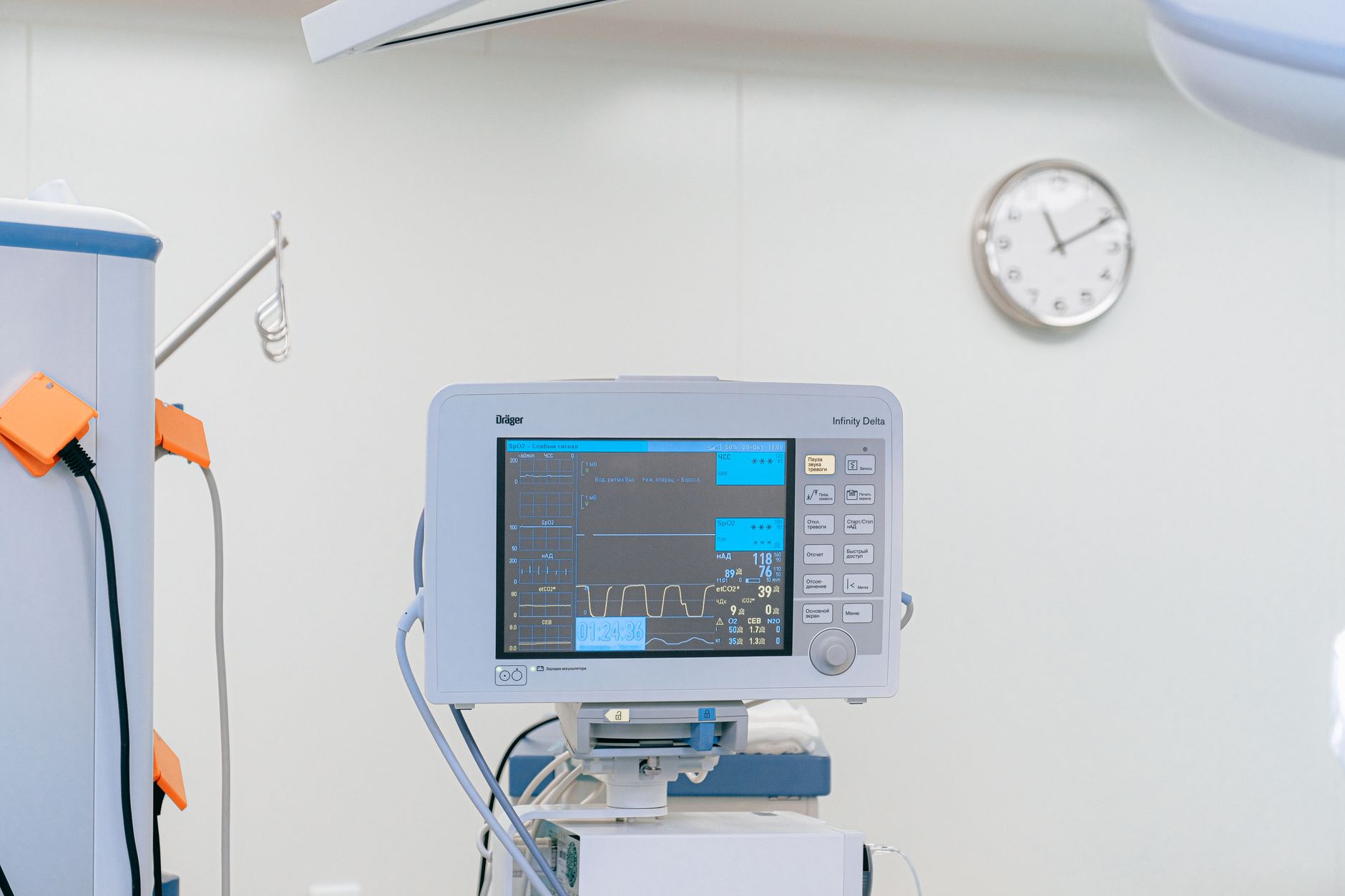
The DBS journey in Türkiye starts long before the operating room. International patients typically begin with a remote video consultation, during which a neurologist reviews medical history, medication response, and symptoms. You will be asked to share imaging (MRI, CT), recent clinical notes, and videos of your tremor or mobility. This initial triage helps the team decide whether you are a potential candidate and what additional tests are needed.
If you proceed, you will be invited to Türkiye for a comprehensive on-site evaluation lasting several days. This usually includes a detailed neurological examination, a levodopa challenge test (for Parkinson's patients), neuropsychological testing, and high-resolution brain MRI. Blood tests and cardiac clearance may also be required. The multidisciplinary team — neurosurgeon, neurologist, neuropsychologist, and DBS nurse — then meets to discuss your case and agree on a personalised surgical plan.
The assessment phase is also when you meet your dedicated DBS nurse, who becomes your main point of contact. Nurses in Turkish DBS centres are specially trained in movement disorders and device management. They explain the procedure in plain language, address fears, coordinate appointments, and help with practical matters such as accommodation near the hospital. This continuity of nursing care is a hallmark of the Turkish model and a major source of reassurance for patients travelling alone or with family.
"The pre-operative assessment is not a hurdle — it is the roadmap. It tells us where to place the electrodes, how to program the device, and what outcomes we can realistically expect." — DBS neurologist, Istanbul
Step 2: The DBS Surgery — Precision Implantation in Dedicated Centres
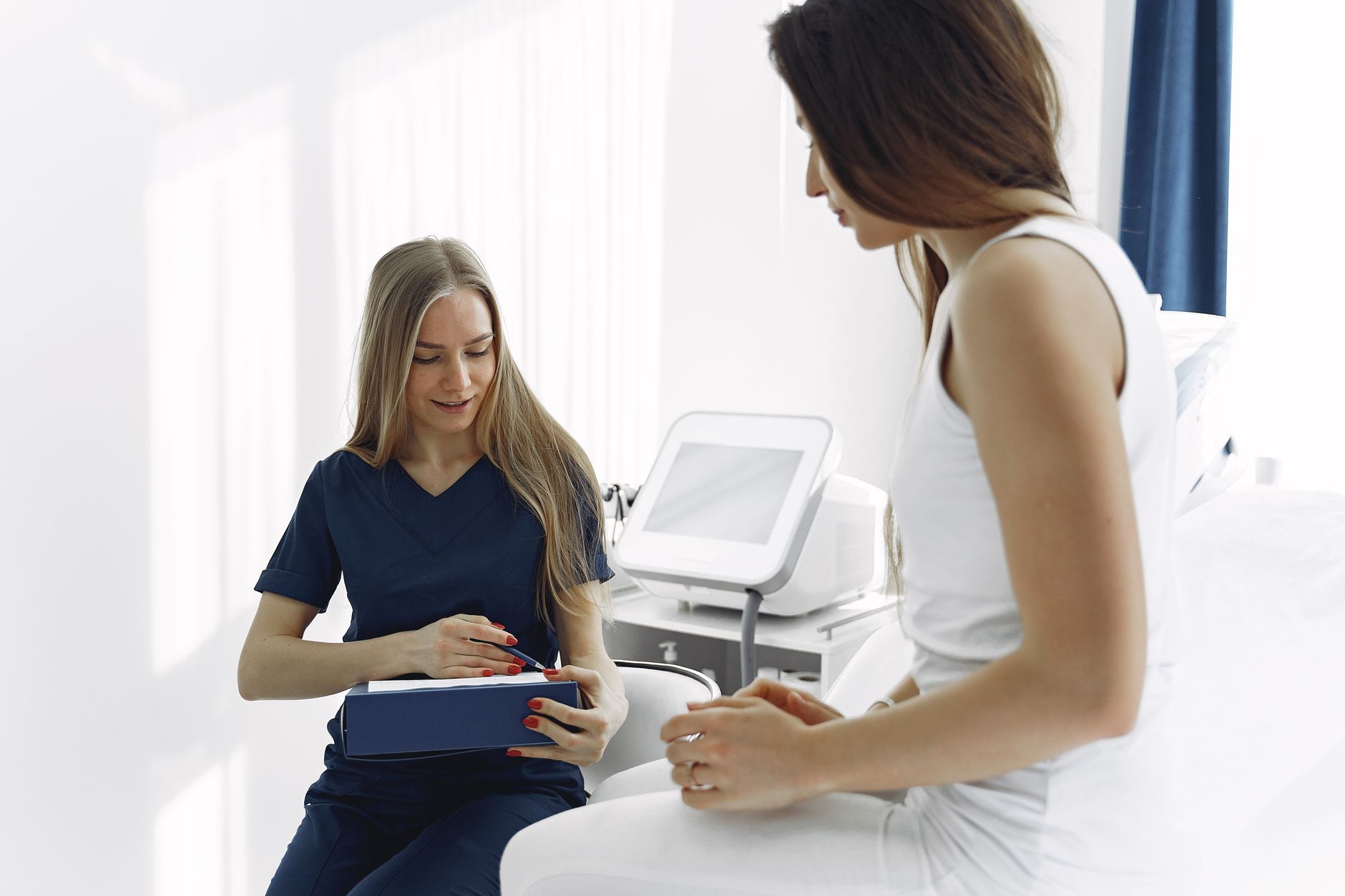
DBS implantation in Türkiye is performed in specialised neurosurgical theatres equipped with advanced stereotactic navigation, intraoperative imaging, and microelectrode recording. The procedure is usually done in two stages. First, the electrodes are implanted in the brain. Depending on the centre's protocol, this may be performed with the patient awake for part of the surgery (to test symptom response) or under general anaesthesia using image-guided techniques. Many Turkish teams now favour asleep DBS with high-field MRI or CT verification, which is more comfortable and equally precise.
The second stage involves implanting the neurostimulator and connecting it to the electrodes via subcutaneous extension wires. This is typically done under general anaesthesia a few days later, or sometimes in the same session. Patients usually spend one to two nights in hospital after each stage. Pain is generally mild, and most people are up and walking within a day. The surgical team's experience matters enormously: high-volume centres achieve accurate electrode placement with low complication rates, and Türkiye's leading hospitals perform hundreds of DBS cases annually.
Before discharge, the device is switched on and initial settings are programmed. You will receive a patient controller — a small handheld device that lets you turn stimulation on or off and check battery status. Your DBS nurse will teach you how to use it, what to do in everyday situations, and when to contact the team. You will also be given a temporary schedule for follow-up, which may include in-person visits in Türkiye and, later, remote programming sessions from home.
Step 3: Ongoing Adjustment and Remote Programming — Care That Travels With You
DBS is not a "set and forget" treatment. The brain adapts, symptoms evolve, and medications may change. Optimal results depend on regular programming — adjusting voltage, frequency, pulse width, and which electrode contacts are active. In Türkiye, this is handled by a dedicated DBS programming team, often led by a neurologist and supported by specialised nurses. The first few months require more frequent sessions, usually every two to four weeks, to fine-tune settings and balance stimulation with medication.
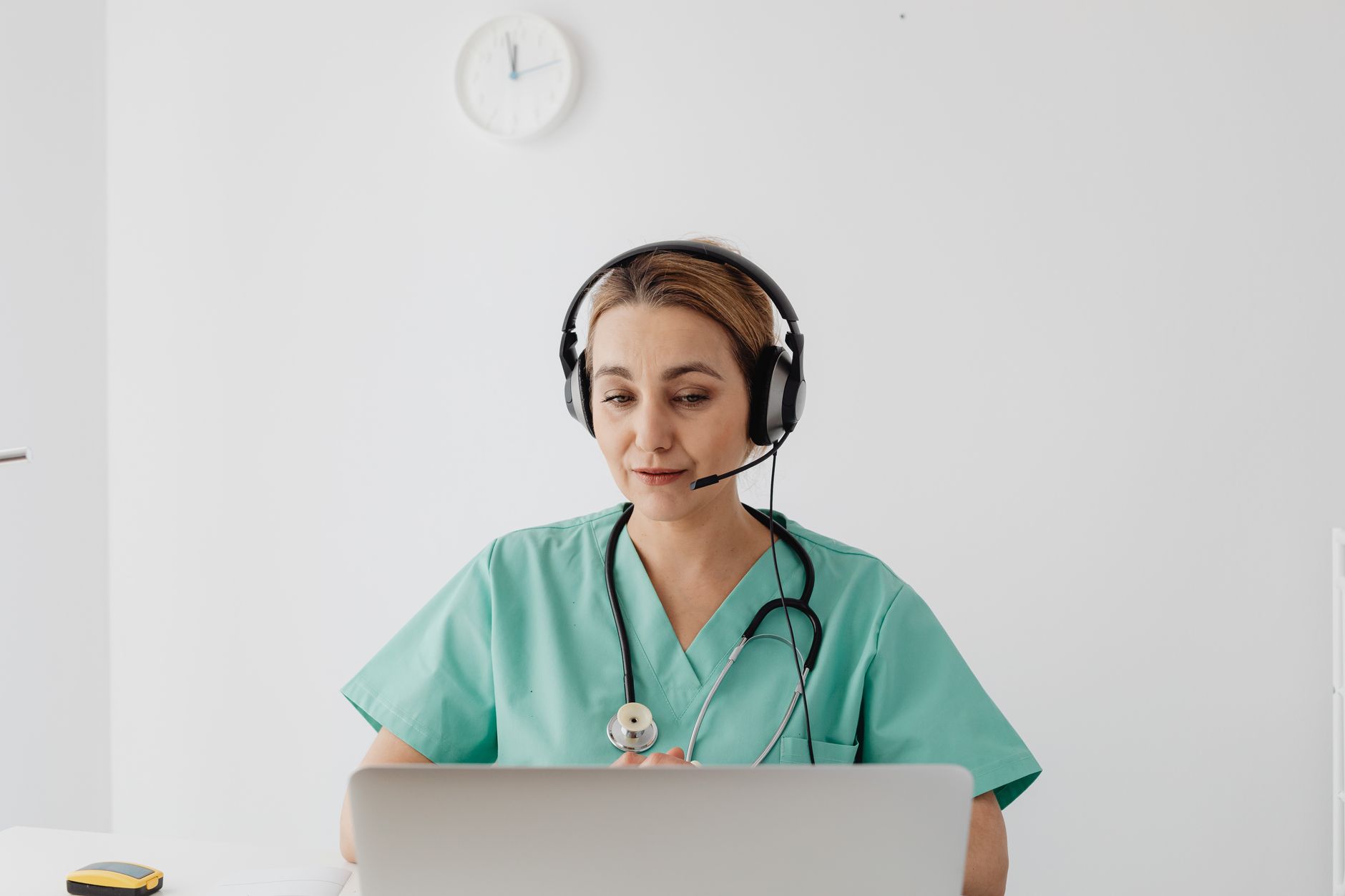
For international patients, the challenge has always been access to this expertise after returning home. Türkiye's advanced centres have addressed this with secure remote programming. Using a clinician programmer linked to a telemedicine platform, your Turkish DBS team can review your symptoms via video, adjust your device settings remotely, and guide you through the changes in real time. You simply hold your patient controller to your chest as instructed, and the new settings are transferred. This service is particularly valuable for patients who live far from a local DBS clinic or who face long waiting times.
Remote sessions are supplemented by your DBS nurse, who checks in regularly by phone or video. Nurses help troubleshoot issues such as battery depletion, skin irritation over the implant, or interference from other devices. They also coordinate with your local neurologist when needed, ensuring that your care remains joined-up. This nurse-led follow-up is one of the most praised aspects of Türkiye's DBS programmes, because it provides human contact and continuity rather than anonymous technical support.
Battery life is another practical consideration. Modern rechargeable neurostimulators last nine to fifteen years, while non-rechargeable batteries typically last three to five years. Your Turkish team will monitor battery status remotely and plan replacement well in advance, so you are never caught off guard. Replacement of the stimulator is a minor procedure compared with the original implant.
What International Patients Can Expect: Costs, Logistics, and Support
Türkiye offers DBS at a fraction of the cost in Western Europe or North America, often 50–70% less, without compromising quality. Packages typically include pre-operative assessment, surgery, hospital stay, device, initial programming, and a period of follow-up. Remote programming may be included for a defined period or offered as an affordable subscription. Hospitals usually provide transparent quotes in advance, and many have international patient departments that handle visa invitation letters, airport transfers, and interpreter services.
Travel planning is straightforward: Istanbul and Ankara are major airline hubs with direct flights from across the globe. Most patients fly in about a week before surgery for assessment, stay two to three weeks in total, and then return home. Accommodation near the hospital can be arranged by the international office, often at discounted rates. For those who need to stay longer, extended-stay apartments are widely available.
Language is rarely a barrier. Turkish DBS centres employ multilingual staff, and consultations can be conducted in English, Arabic, Russian, French, and other languages. Written materials, including device guides and programming schedules, are provided in your preferred language. This attention to communication reduces anxiety and helps you make informed decisions at every step.
Restoring Independence: Real-Life Benefits and Long-Term Outlook
The ultimate measure of DBS success is not a technical parameter but a person's ability to live more fully. Patients who undergo DBS in Türkiye often report being able to dress, eat, write, and walk with greater ease. Tremor that once made holding a cup impossible may virtually disappear. For people with Parkinson's, medication "off" periods become shorter and less severe, and dyskinesias can be reduced. Many return to work, hobbies, and social activities they had given up.
These gains are sustained through diligent programming and nursing support. Türkiye's model recognises that independence is built on reliable access to care — hence the emphasis on remote adjustments, nurse check-ins, and clear escalation pathways. Patients are encouraged to stay active, continue physiotherapy, and maintain a healthy lifestyle. The DBS team works alongside local doctors to ensure holistic management.
It is important to have realistic expectations. DBS does not stop disease progression, and it does not eliminate all symptoms. However, for appropriately selected patients, it can be transformative. The combination of precise implantation, personalised programming, and compassionate nursing care makes Türkiye a world-class destination for this life-changing treatment. If you or a loved one is struggling with Parkinson's or essential tremor, exploring DBS in Türkiye could be the first step toward reclaiming independence.
Thinking about treatment in Turkey?
Share your contact details and a verified doctor will follow up with a plan built around you — free, no obligation.