

Why Türkiye Is Becoming a Global Hub for Digestive Health
Türkiye has quietly emerged as one of the world's most compelling destinations for travellers seeking answers to complex digestive complaints. The country's leading gastroenterology centres in Istanbul, Ankara, and Izmir now offer a level of diagnostic depth that many patients struggle to access at home: comprehensive upper and lower endoscopy, hydrogen and methane breath testing, stool analysis, food intolerance panels, and — in a growing number of select centres — detailed gut microbiome sequencing.
What sets Türkiye apart is not just the technology but the coordination. Rather than scattering tests across months of referrals, Turkish clinics are built around the idea that a thorough digestive evaluation should happen efficiently, often within a single visit spanning a few days. For international patients, this means arriving with questions and leaving with a clear diagnosis, a written report in English, and a realistic treatment plan.
The country's medical infrastructure is modern, its gastroenterologists are frequently trained in Europe and the United States, and the cost of a full diagnostic workup is often a fraction of what patients would pay in Western Europe or North America. Combined with Türkiye's legendary hospitality and the beauty of Istanbul, a medical trip here can feel less like a clinical ordeal and more like a purposeful, well-supported journey toward better gut health.
What a Comprehensive Digestive Assessment Actually Includes
A truly thorough digestive evaluation is more than a single test. Türkiye's top clinics typically structure the assessment around several complementary layers, each designed to answer a different question about how your digestive system is functioning.
The first layer is structural: upper endoscopy (gastroscopy) examines the oesophagus, stomach, and duodenum, while colonoscopy visualises the large intestine. These procedures can detect ulcers, inflammation, polyps, coeliac disease, and early signs of cancer. Many centres use high-definition scopes and offer sedation, making the experience far more comfortable than patients expect.
The second layer is functional: breath tests for small intestinal bacterial overgrowth (SIBO), lactose or fructose intolerance, and Helicobacter pylori infection. These simple, non-invasive tests can explain bloating, gas, and irregularity that structural exams miss. The third layer is microbial and biochemical: stool tests, pancreatic enzyme assessment, and — increasingly — gut microbiome analysis that maps the diversity and balance of your intestinal bacteria.
Together, these layers create a 360-degree picture. Instead of treating symptoms blindly, your gastroenterologist can identify whether your problem is structural, functional, microbial, or a combination — and build a treatment plan that addresses the root cause.
Microbiome Analysis: Türkiye's Forward-Thinking Edge
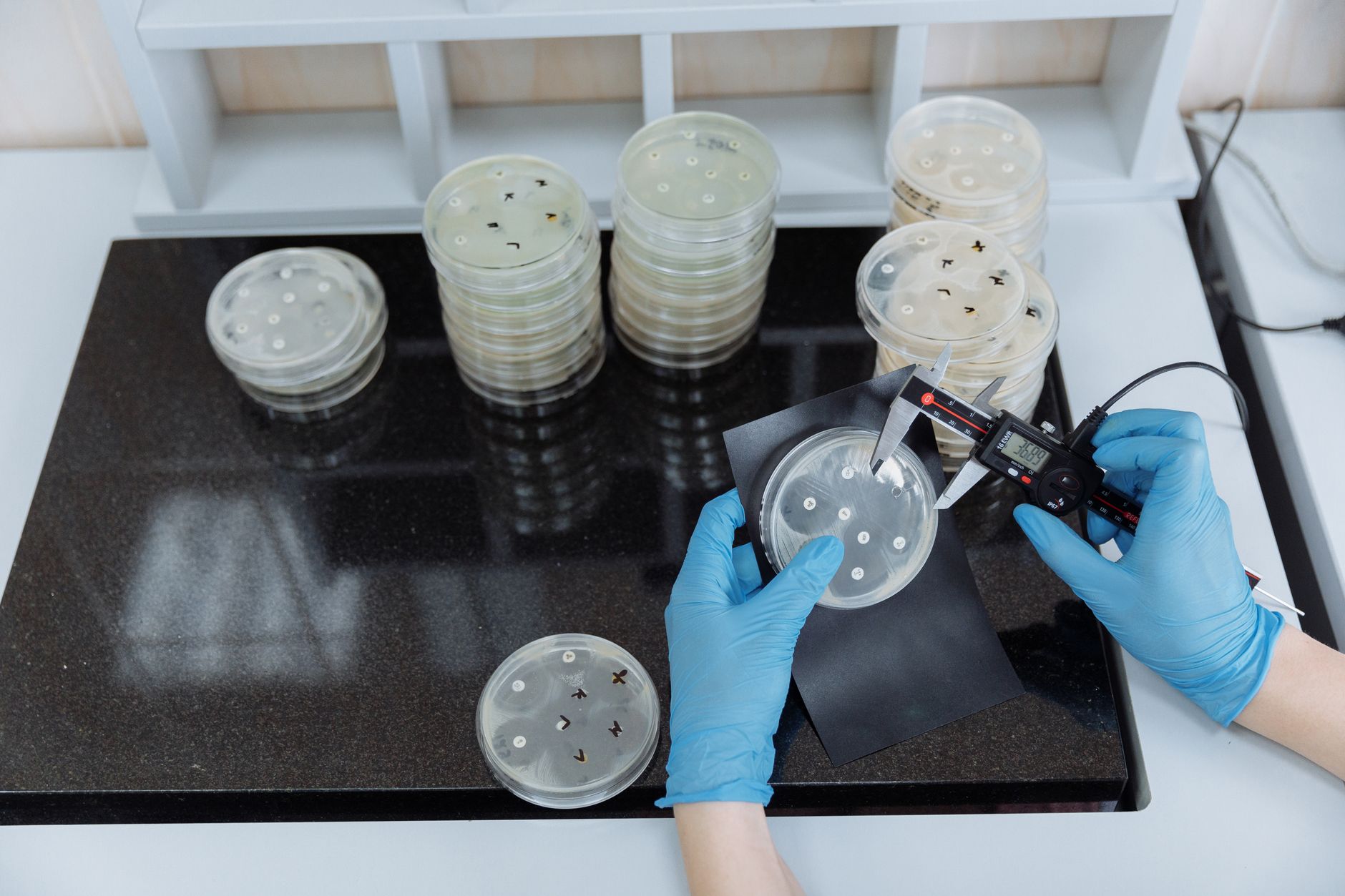
Gut microbiome analysis is the newest frontier in digestive medicine, and Türkiye is embracing it with notable enthusiasm. Several advanced clinics now partner with laboratories that use next-generation sequencing to profile the bacteria, fungi, and other microorganisms living in your gut. The resulting report can reveal reduced microbial diversity, overgrowth of potentially inflammatory species, or the absence of beneficial short-chain fatty acid producers.
Why does this matter? Because the microbiome influences far more than digestion. It plays a role in immune regulation, mood, metabolic health, and even response to certain medications. For patients with irritable bowel syndrome (IBS), inflammatory bowel disease (IBD), or unexplained bloating, microbiome data can guide personalised interventions such as targeted probiotics, prebiotic fibres, dietary adjustments, or even faecal microbiota transplantation in selected cases.
Turkish clinics are also at the forefront of integrating microbiome results with clinical history rather than treating them in isolation. Your doctor will interpret the data alongside your endoscopy findings and breath test results, ensuring that recommendations are practical and evidence-based. This holistic approach — combining cutting-edge science with hands-on clinical judgment — is exactly why patients increasingly choose Türkiye for gut health evaluations.
How a Coordinated Few-Day Testing Schedule Works
One of the greatest practical advantages of Türkiye's approach is its efficiency. Instead of waiting weeks between appointments, international patients are typically given a structured schedule that fits most tests into three to five days. This is made possible by close collaboration between gastroenterologists, endoscopy suites, and laboratory partners within the same hospital or clinic network.
A typical itinerary might look like this: Day 1 — consultation with your gastroenterologist, review of medical history, and baseline blood and stool tests. Day 2 — upper endoscopy and colonoscopy under sedation, often performed in the same session. Day 3 — breath testing for SIBO, lactose intolerance, and H. pylori, plus a microbiome sample collection if not already done. Day 4 — follow-up consultation to discuss preliminary findings and begin formulating a treatment plan. Day 5 — final review, receipt of a comprehensive written report, and a personalised diet and medication strategy.
This condensed timeline is a game-changer for patients who cannot afford to take weeks off work or who have already spent months navigating fragmented care at home. It also reduces the stress of repeated travel and allows your clinical team to see the full picture while you are still in the country.
Of course, the schedule is always tailored. Some patients may need additional imaging, motility studies, or repeat breath tests. Your coordinator will design a plan that respects your comfort, your budget, and your medical needs.

Choosing the Right Clinic and Preparing for Your Trip
Türkiye has many excellent gastroenterology departments, but not all offer the full spectrum of microbiome analysis and advanced breath testing. When researching clinics, look for those with dedicated neurogastroenterology and motility units, on-site endoscopy suites, and partnerships with accredited microbiome laboratories. Reading patient testimonials and checking whether the clinic has an international patient department can also make your experience smoother.
Preparation begins weeks before you fly. Most clinics will ask for your medical records, previous test results, and a list of current medications. You may need to stop certain drugs — such as proton pump inhibitors or antibiotics — before breath testing and microbiome sampling, so always confirm instructions with your doctor. Fasting is required for endoscopy, and you will need to arrange for someone to accompany you home after sedation.
It is also wise to plan for a few extra days in Istanbul or Ankara. Recovery from endoscopy is quick, but giving yourself time to rest, explore, and absorb your results without rushing is part of a healthy medical trip. Many clinics offer assistance with accommodation, airport transfers, and interpreter services, so you can focus on your health rather than logistics.
Finally, discuss costs transparently. A comprehensive package — including consultations, endoscopy, breath tests, microbiome analysis, and reports — is often quoted as a single price, which helps you budget with confidence. Request a written estimate and clarify what is included before committing.
The Patient Experience: Clear Diagnosis, Realistic Treatment, Lasting Value
Patients who travel to Türkiye for digestive assessments consistently highlight the same benefits: clarity, speed, and compassion. After years of vague diagnoses or trial-and-error treatments, many finally receive a concrete explanation for their symptoms. The written report — often in both Turkish and English — becomes a valuable document they can share with their home physician.
The treatment plans are realistic, not miraculous. They may combine medication, dietary changes, probiotic protocols, stress management, and follow-up telemedicine consultations. Turkish gastroenterologists are generally pragmatic: they aim to improve your quality of life, not to promise a cure for every chronic condition. This honesty is part of what makes the experience trustworthy.
Beyond the clinic, Türkiye itself contributes to healing. The country's cuisine, rich in fermented foods like yoghurt and pickles, is naturally gut-friendly. Walking along the Bosphorus, visiting historic sites, and enjoying Turkish tea can reduce the stress that so often aggravates digestive disorders. Many patients describe their medical trip as unexpectedly restorative.
In a world where gut health is finally receiving the attention it deserves, Türkiye stands out as a destination that combines scientific rigour with human warmth. Whether you are struggling with IBS, unexplained bloating, IBD, or simply want a baseline microbiome assessment, a well-planned medical trip to Türkiye could be the most decisive step you take toward lasting digestive wellness.
Thinking about treatment in Turkey?
Share your contact details and a verified doctor will follow up with a plan built around you — free, no obligation.