

Why Türkiye for Atrial Fibrillation Ablation?
Türkiye has quietly become one of the world's most capable destinations for the treatment of atrial fibrillation (AF), the most common sustained heart rhythm disorder. Hospital-based electrophysiology (EP) centres in Istanbul, Ankara, Izmir and Antalya now perform thousands of catheter ablations each year, using the same cryoablation and pulsed field ablation (PFA) technologies found in leading Western clinics. For international patients, the appeal is simple: world-class technology, experienced electrophysiologists and short hospital stays — all at a fraction of the cost and without the long waiting lists common in many public health systems.
AF affects millions of people worldwide, and its symptoms — palpitations, fatigue, breathlessness and exercise intolerance — can dramatically reduce quality of life. More importantly, untreated AF raises the risk of stroke and heart failure. Catheter ablation has become a first-line rhythm-control strategy for many patients, and Türkiye's EP teams are among the most experienced in Europe and the Middle East at delivering it.
What sets Türkiye apart is not only the equipment but the infrastructure around it. Large private hospital groups have dedicated arrhythmia units, modern EP laboratories, intensive care backup and multilingual international patient departments. That combination makes it possible to arrive, be treated and fly home within a week — a timeline that fits neatly into a medical trip.
Understanding Catheter Ablation: Cryoablation and Pulsed Field Ablation
Catheter ablation is a minimally invasive procedure that targets the abnormal electrical circuits causing AF. A thin, flexible catheter is threaded through a vein in the groin (sometimes the neck) and guided to the left atrium of the heart. There, the electrophysiologist creates small lesions that isolate the pulmonary veins — the source of most AF triggers — from the rest of the atrium.
Two energy sources dominate modern practice. Cryoablation uses extreme cold to freeze and disable the culprit tissue. It is particularly valued for pulmonary vein isolation because it creates durable, circumferential lesions and is often faster than point-by-point radiofrequency ablation. Pulsed field ablation (PFA) is the newer frontier: it delivers ultra-short, high-voltage electrical pulses that selectively affect heart muscle while sparing the oesophagus, phrenic nerve and other nearby structures. This tissue selectivity may reduce rare but serious complications and shorten procedure times further.
Türkiye's leading EP centres were early adopters of both technologies. Many hospitals in Istanbul now offer cryoablation as a standard option and have incorporated PFA into their AF programmes. Patients can discuss which energy source is most appropriate for their pattern of AF — paroxysmal (intermittent) or persistent — with their electrophysiologist during pre-procedural consultations.
Because ablation is performed through small punctures, there is no large surgical incision. Most patients are awake or lightly sedated, and the procedure typically takes one to three hours depending on complexity. This minimally invasive nature is precisely why recovery is fast and hospital stays are short.
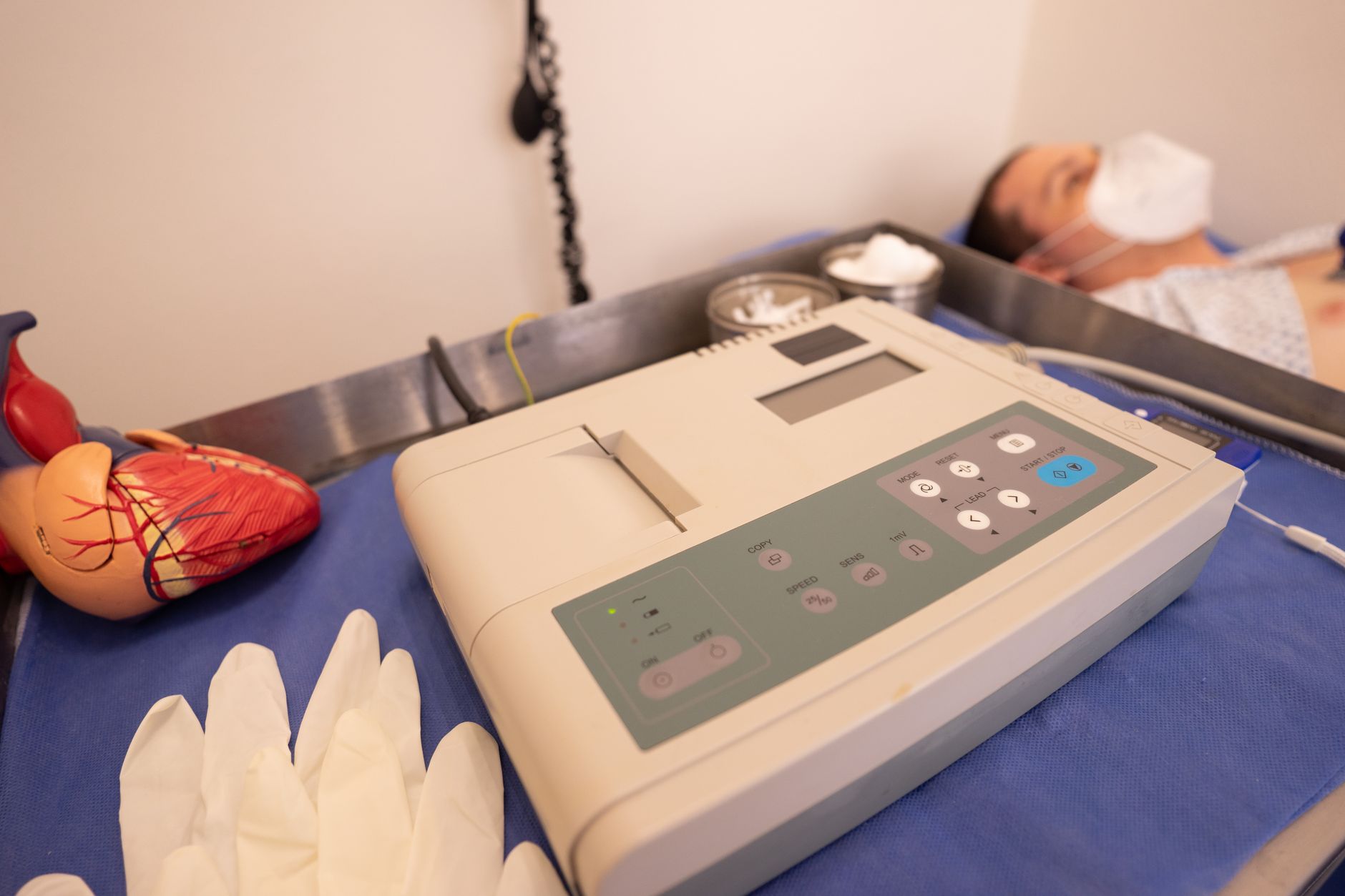
Pre-Procedural Monitoring and Preparation
Before any ablation, Türkiye's EP teams conduct a thorough evaluation. This usually begins with a review of your medical history, previous ECGs, Holter or event monitor recordings, and echocardiogram results. If you have not had recent imaging, the hospital will arrange a transthoracic echocardiogram and often a transoesophageal echocardiogram (TEE) to rule out blood clots in the heart — a critical safety step before entering the left atrium.
Blood tests check kidney function, thyroid levels, electrolyte balance and coagulation status. Many patients are asked to continue or adjust anticoagulation (blood thinners) according to a personalised plan. If you take rate-control or rhythm-control medications, your electrophysiologist will advise whether to pause them before the procedure.
Pre-procedural monitoring may also include a cardiac CT or MRI to map the anatomy of the left atrium and pulmonary veins. This detailed roadmap helps the EP team plan the ablation with precision and reduces procedure time. In some centres, a wearable rhythm monitor is prescribed for a few days before admission to capture the exact burden and pattern of your AF.
The international patient department coordinates all of this in advance, often by sharing reports electronically. Many patients arrive in Istanbul two to three days before the procedure for final tests and a face-to-face consultation. This pre-procedural window is also when you meet the electrophysiologist, ask questions and give informed consent.

The Day of the Procedure: What to Expect
On the day of ablation, you will be admitted to the hospital's arrhythmia unit. After changing into a hospital gown, intravenous access is established, and you are taken to the EP laboratory. The lab is a specialised catheterisation suite equipped with advanced 3D electroanatomical mapping systems, fluoroscopy and intracardiac echocardiography. These tools let the electrophysiologist see the heart's electrical activity in real time and navigate catheters with millimetre precision.
The groin area is numbed with local anaesthetic, and a small introducer sheath is placed into the femoral vein. Through this, diagnostic catheters and the ablation catheter are advanced into the heart. If cryoablation is planned, a balloon catheter is positioned at each pulmonary vein and cooled to create a ring of scar tissue. If PFA is used, the specialised catheter delivers pulsed electrical fields to isolate the veins. In both cases, the goal is the same: durable pulmonary vein isolation.
The procedure typically lasts one to three hours, though complex cases may take longer. You may feel some discomfort or a warm sensation during energy delivery, but most patients tolerate it well. After the catheters are removed, pressure is applied to the groin to prevent bleeding, and you are moved to a recovery area for monitoring.
Many patients are surprised by how quickly they feel like themselves again. Some centres perform same-day discharge for selected low-risk patients, but an overnight stay is common for observation. Your heart rhythm, groin access site and vital signs are monitored closely during this period.
Recovery and Flying Home Within Days
Recovery from catheter ablation is usually swift. In the first 24 hours, you will be encouraged to rest and avoid strenuous activity. You may notice some bruising or a small lump at the groin puncture site, which is normal. Mild chest discomfort, palpitations or a fluttering sensation can occur as the heart heals, and these often settle within days to weeks.
Most patients are discharged within 24 to 48 hours. Before leaving, the EP team reviews your medications, particularly anticoagulation, and schedules a follow-up plan. You will be advised to avoid heavy lifting, vigorous exercise and swimming for about a week. Walking is encouraged to prevent blood clots.
Flying home is generally permitted within two to five days after the procedure, provided there are no complications. Many international patients in Türkiye fly home on day three or four. Your electrophysiologist will confirm fitness to travel and may recommend compression stockings and hydration during the flight. A copy of your discharge summary and procedure report is provided for your cardiologist at home.
Longer-term, you will need rhythm monitoring — often a Holter or wearable patch — at one, three and six months. The international patient department can help arrange this remotely or coordinate with your local doctor. Success rates for pulmonary vein isolation in experienced hands are high, and many patients experience a dramatic reduction or elimination of AF episodes.
Expertise, Technology and Value in Turkish EP Centres
Türkiye's electrophysiologists are highly trained, often having completed fellowships or observerships in Europe and North America. They participate in international clinical trials, publish in peer-reviewed journals and attend major arrhythmia conferences. Many hospitals are accredited by international bodies, and their EP labs are equipped with the latest generations of cryoablation and PFA systems.
The volume of cases matters. High-volume centres develop refined protocols, efficient workflows and strong complication-management strategies. In Istanbul, some arrhythmia units perform hundreds of AF ablations annually, giving them deep experience across different patient profiles and anatomical variations.
Cost is another compelling factor. A catheter ablation in Türkiye typically costs significantly less than in the United States or Western Europe, even when you include flights, accommodation and a few days of recovery. For patients facing long public waiting lists or high private fees, this represents genuine value without compromising on technology or expertise.
Just as important is access. Many patients who would wait months or years for an ablation at home can be treated in Türkiye within weeks. That speed matters for symptom control and for reducing AF-related risks. Combined with the chance to recover in a comfortable hotel or hospital suite, it is a practical and attractive option for medical travellers.
Planning Your Medical Trip to Türkiye
Start by gathering your medical records: recent ECGs, Holter reports, echocardiograms, medication lists and any previous ablation notes. Send these to the hospital's international patient department, which will arrange a preliminary review with an electrophysiologist. You will usually receive a treatment plan, cost estimate and suggested timeline.
Most patients are advised to arrive two to three days before the procedure. This allows time for final tests, consultations and any medication adjustments. After discharge, plan to stay in Istanbul for at least three to five days before flying. Choose accommodation near the hospital, and ask the international department for airport transfer and interpreter services.
Insurance and payment should be discussed upfront. Many Turkish hospitals offer transparent package pricing for international patients, covering the procedure, hospital stay, standard tests and follow-up consultation. Keep all receipts and reports for reimbursement or for your home cardiologist.
Türkiye offers a rare combination: advanced electrophysiology, experienced operators, cutting-edge cryoablation and PFA, and short hospital stays that fit neatly into a medical trip. For patients with atrial fibrillation seeking timely, high-quality care, it is a destination worth serious consideration.
Thinking about treatment in Turkey?
Share your contact details and a verified doctor will follow up with a plan built around you — free, no obligation.