
Why Türkiye Leads in Facial Reconstruction After Trauma and Illness
Türkiye has quietly become one of the world's most capable destinations for complex facial plastic and reconstructive surgery — not because of marketing, but because of decades of high-volume clinical experience. Turkish maxillofacial and plastic surgery teams operate in hospital-based departments that handle everything from road traffic injuries and industrial accidents to tumour resections, burns, congenital differences, and the delayed consequences of untreated fractures. That caseload builds a depth of surgical judgement that is difficult to replicate in lower-volume settings.
The country's academic hospitals and specialised craniofacial centres are equipped with 3D CT and CBCT imaging, computer-assisted surgical planning, virtual surgical simulation, patient-specific titanium implants and cutting guides, microsurgical operating theatres, and dedicated anaesthesia and intensive care teams. Reconstructive work is treated as functional surgery first and aesthetic surgery second — because a reconstructed jaw must chew, a rebuilt eyelid must protect the cornea, and a restored nose must breathe.
What makes Türkiye particularly attractive for international patients is the combination of this technical depth with a mature medical tourism infrastructure. Hospitals in Istanbul, Ankara, and Izmir routinely coordinate with interpreters, international patient departments, airport transfers, and accommodation near the hospital, so a patient arriving after a serious injury or illness is not navigating an unfamiliar system alone.
This guide explains how treatment is usually sequenced, how procedures are staged between visits, what aftercare looks like at home, and what you can realistically expect from the first consultation to the final revision.
The Teams Behind the Reconstruction: Maxillofacial and Plastic Surgery Working Together
Facial reconstruction after trauma or illness rarely belongs to a single specialty. In Türkiye's hospital-based model, oral and maxillofacial surgeons, plastic and reconstructive surgeons, ENT and head-and-neck surgeons, ophthalmologists, neurosurgeons, dentists and prosthodontists, speech and language therapists, and psychologists collaborate on a shared plan. This multidisciplinary approach is one of the strongest arguments for choosing a hospital-based team over a standalone clinic.
Maxillofacial surgeons bring expertise in the bones and occlusion — mandible, maxilla, zygoma, orbital walls, and the temporomandibular joint. Plastic and reconstructive surgeons bring expertise in soft tissue, free flaps, microvascular anastomosis, scar management, and aesthetic refinement. When both specialties sit in the same planning meeting, the patient benefits from a plan that addresses skeleton and soft tissue as one integrated unit rather than two separate problems.
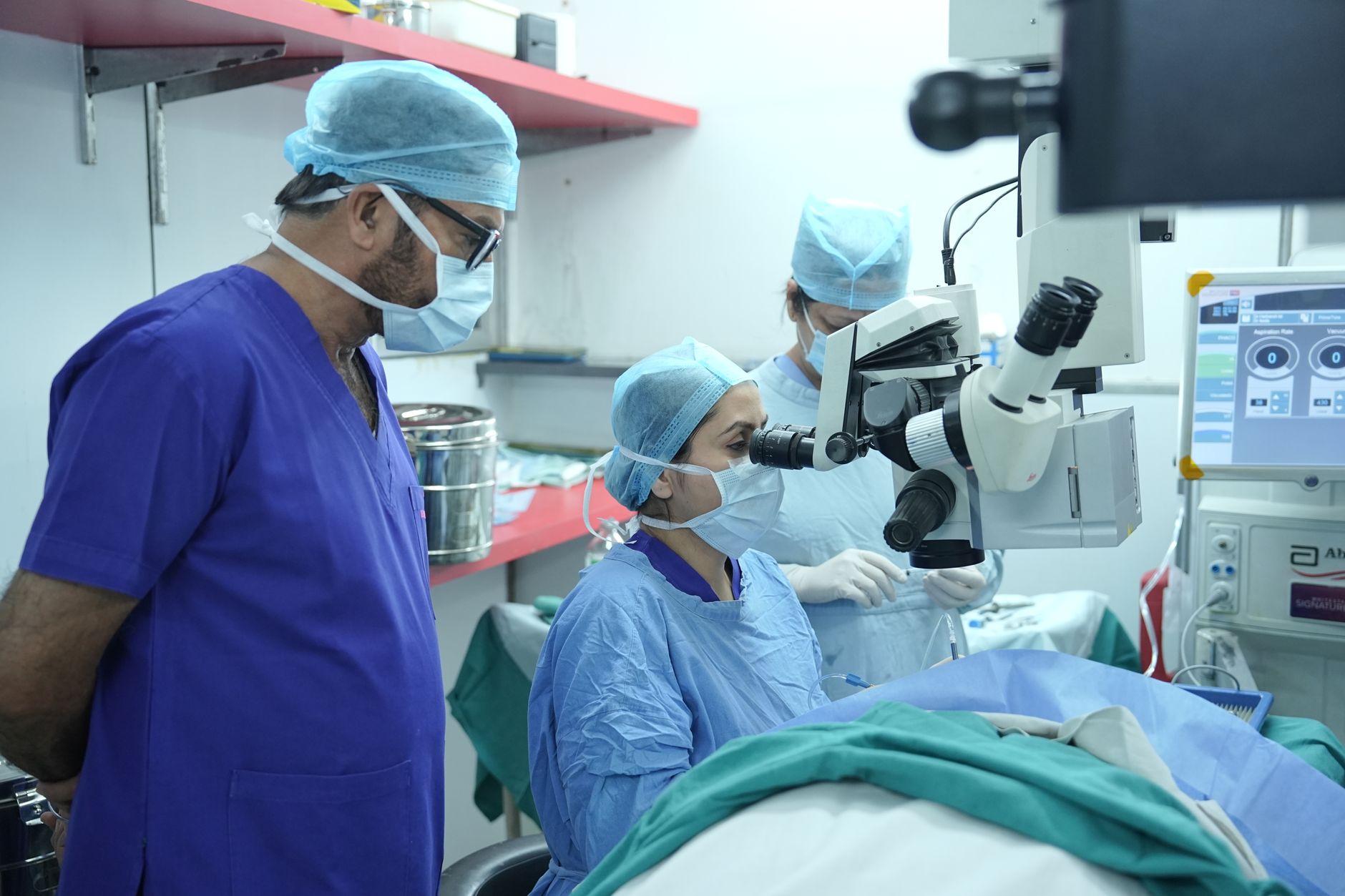
Microsurgery is a defining strength. Free fibula, radial forearm, anterolateral thigh, scapular, and iliac crest flaps are used to rebuild segments of the mandible, maxilla, tongue, cheek, nose, and scalp. These are long, technically demanding operations — often eight to fourteen hours — performed by teams accustomed to them. Success depends less on the surgeon's individual reputation than on the institution's systems: experienced anaesthesia, nursing, ICU support, and a culture of flap monitoring.
Many Turkish teams also maintain long-standing academic links with European and North American centres, publish in international journals, and present at congresses. That academic engagement matters for patients with rare or complex problems, because it means the team is used to discussing unusual cases rather than applying a single standard recipe to everyone.
Reconstruction is not the removal of a defect. It is the rebuilding of a person's ability to eat, speak, breathe, see, and be seen.
Advanced 3D Planning and Digital Workflow: From Scan to Operating Room
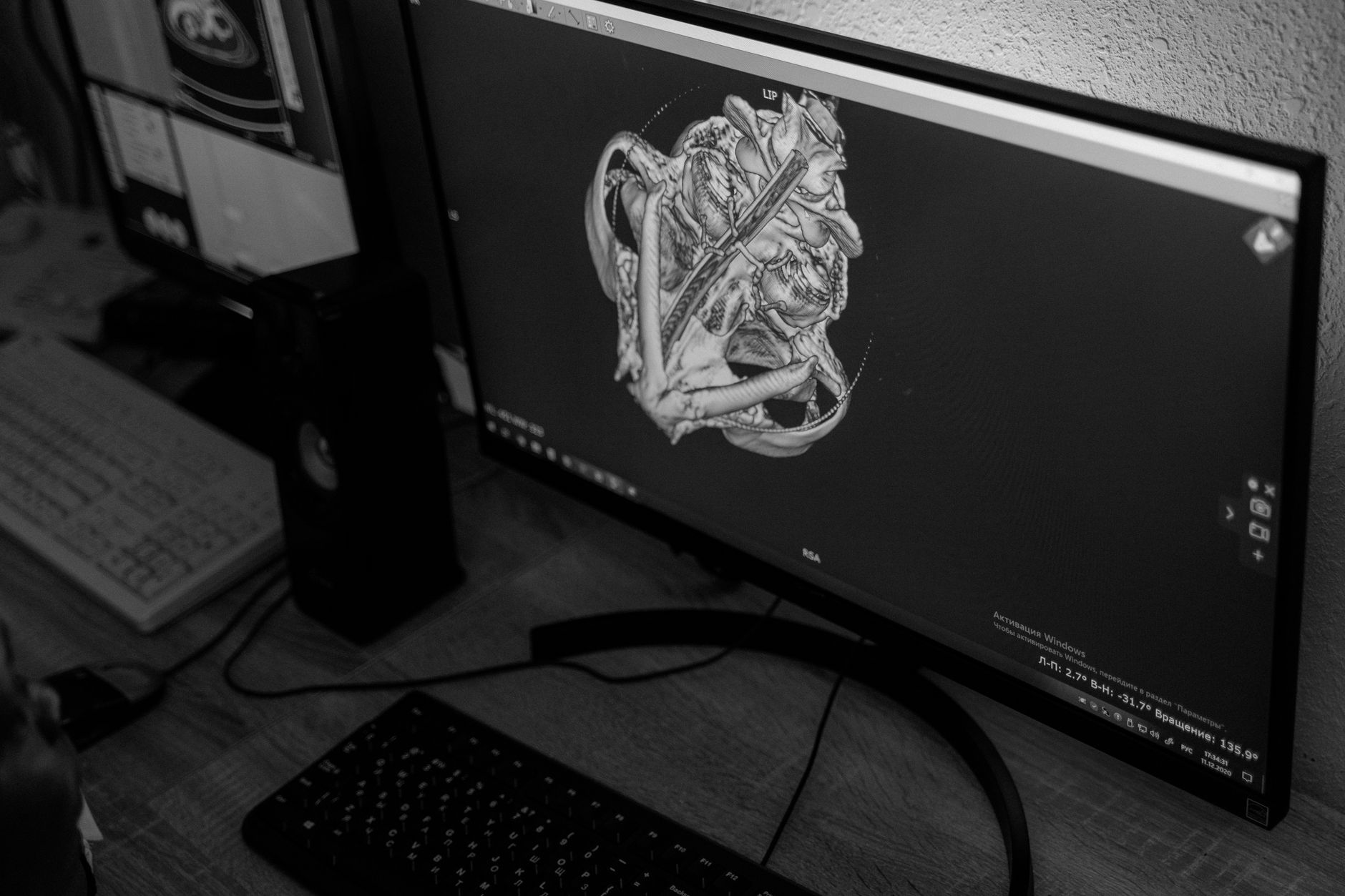
Modern facial reconstruction begins long before the patient reaches the operating theatre. The process usually starts with high-resolution CT or CBCT imaging, sometimes supplemented by MRI for soft tissue and nerve assessment, or 3D surface scanning for profile and symmetry analysis. These datasets are loaded into planning software where the surgeon can simulate osteotomies, reposition bone segments, and design the reconstruction virtually.
From that virtual plan, the team can produce patient-specific implants (PSIs) milled from titanium or PEEK, custom cutting guides that snap onto the bone during surgery, and stereolithographic anatomical models for pre-bending plates on the bench. For mandibular reconstruction, the fibula can be virtually segmented and the position of each segment planned to the millimetre so that the new jaw aligns with the upper teeth and the remaining occlusion.
Computer-assisted navigation adds another layer. Intraoperative navigation allows the surgeon to track instruments against the patient's CT in real time, which is especially valuable near the orbit, skull base, and optic nerve, where a few millimetres matter enormously. Some centres combine this with intraoperative CT to confirm position before closing.
The practical benefit for international patients is predictability. A digital plan is something that can be reviewed, discussed, and even adjusted during a telemedicine consultation before you travel. You are not arriving for a vague promise; you are arriving for a defined operation with a defined plan and, usually, a defined sequence of stages.
Treatment Sequencing: How a Reconstruction Plan Is Built
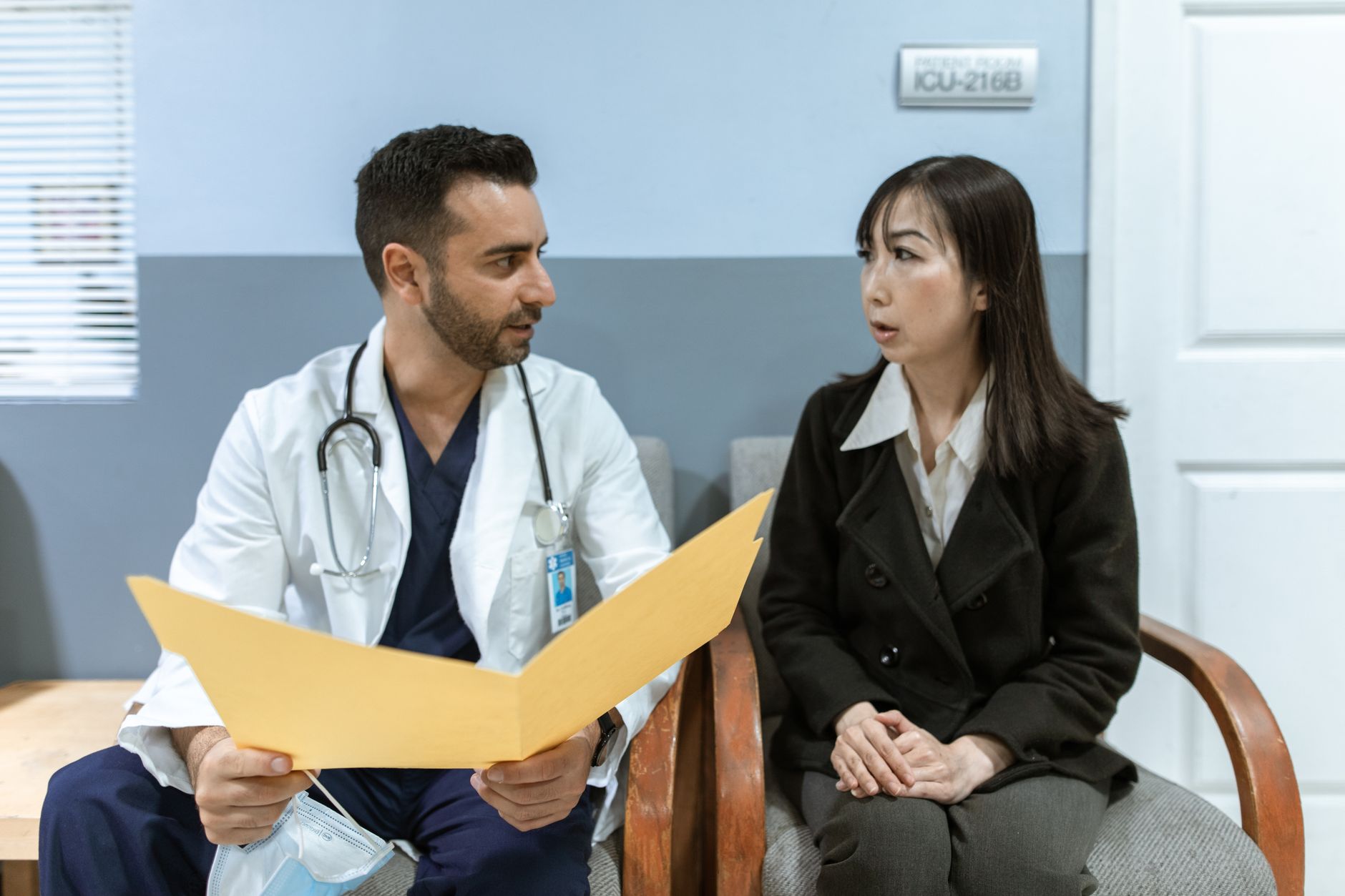
Reconstruction after major trauma or illness is almost never a single operation. It is a sequence, and understanding that sequence is essential for setting expectations. The first principle is damage control: stabilise the patient, control bleeding, manage airway, treat infection, and debride non-viable tissue. Definitive reconstruction comes later, once the patient is physiologically ready and the soft tissue envelope is stable enough to support it.
The second principle is prioritisation. Life-threatening and function-threatening problems come first — airway, vision, oral competence, and bone union. Aesthetics come next, often in a planned second or third stage once the foundation is solid. Trying to achieve a perfect aesthetic result on an unstable base usually produces a worse outcome than staged, well-timed surgery.
The third principle is timing. Some reconstructions are best performed early — within days to a few weeks — such as orbital floor repair or primary mandible fixation. Others are better delayed for months, allowing swelling to resolve, scars to mature, and the patient's general condition to improve. Tumour reconstruction has its own logic, often integrated with oncology treatment and sometimes delayed until adjuvant radiotherapy is completed.
A typical sequence might look like this: emergency stabilisation and debridement; definitive bone reconstruction with free flap or PSI, often with dental implant planning; soft tissue refinement and scar revision; then functional and aesthetic adjustments — eyelid, nose, lip, or facial nerve procedures — followed by dental rehabilitation with implants and prosthetic teeth. Each stage is discussed transparently, with alternatives and their trade-offs.
Staging Between Visits: What International Patients Can Expect
For patients travelling from abroad, the plan is usually compressed into concentrated visits separated by recovery periods at home. A typical first visit lasts ten to fourteen days and includes consultation, imaging, laboratory work, pre-anaesthetic assessment, and the primary reconstructive operation. You fly home once the surgical team is satisfied that healing is progressing and there are no early complications.
Between visits, follow-up happens remotely. Turkish international patient departments increasingly offer video consultations, shared access to imaging, and direct messaging with a coordinator or nurse. You will be asked to send photographs at defined intervals — often weekly for the first month, then monthly — so the team can monitor swelling, scar maturation, flap viability, and symmetry without requiring you to fly back for every check.
The second visit, typically three to six months later, addresses refinement. This is when scar revision, lip or eyelid adjustment, nasal reconstruction refinement, or secondary bone contouring is performed. It is also the stage at which dental implant placement is often planned, because the bone must be confirmed stable and integrated before implants are loaded. A third visit, six to twelve months after the initial surgery, may be needed for final aesthetic touches, facial nerve procedures, or prosthetic dental work.
Some patients require fewer visits; some require more. What matters is that the staging is explained in advance in writing, with clear criteria for when the next stage can proceed. Good teams do not rush stages to fit a tourist timetable. If healing is not ready, the stage is postponed — and that is a sign of quality, not inconvenience.

Aftercare and Recovery: What Happens After You Fly Home
Aftercare is where international reconstruction succeeds or fails. The surgical team will provide a written plan covering wound care, medication, diet, activity restrictions, and warning signs that require urgent attention. For free flap patients, this includes monitoring the skin paddle if one is visible, avoiding pressure on the flap, and recognising signs of vascular compromise. For bone reconstruction, it includes dietary guidance to protect healing, smoking cessation, and strict oral hygiene.
Nutrition matters more than most patients expect. After jaw reconstruction, a soft or liquid diet may be required for weeks, and protein intake directly affects wound healing and bone union. Turkish teams often involve dietitians, and some hospitals arrange dietary support for international patients during their stay and provide guidance for the weeks at home. Speech and swallowing therapy is arranged where needed, and can sometimes be continued locally with a therapist who receives a handover from the Turkish team.
Scar management begins once wounds are closed and typically involves silicone sheeting or gel, sun protection, massage, and sometimes laser or steroid injection for hypertrophic scars. Lymphatic drainage and physiotherapy help with swelling and jaw mobility. Psychological support is not an afterthought — facial difference affects identity and social confidence, and many Turkish centres include psychology in the multidisciplinary plan.
Perhaps most importantly, aftercare includes clear communication channels. A patient who knows exactly who to contact, in which language, and within what timeframe, copes far better with the normal anxieties of recovery. Ask about this before you book, and ask for it in writing.
Costs, Coordination, and Choosing the Right Hospital Team
Cost is a legitimate consideration, and Türkiye's hospital-based reconstructive surgery is generally more affordable than equivalent care in Western Europe or North America — often substantially so. However, complex reconstruction is not a commodity, and the cheapest quote is rarely the best value when microsurgery, intensive care, and revision surgery are involved. Request a written estimate that specifies what is included: hospital stay, ICU, surgeon and anaesthesia fees, implants and materials, imaging, medications, follow-up visits, and interpreter services.
Ask about revision policy. Reputable teams will explain how many additional procedures are typically included and what is charged separately. Ask about the team's experience with your specific problem — not general facial surgery volume, but the number of similar reconstructions per year. Ask who will perform the surgery, who will assist, and who will manage your care overnight and at weekends. Ask what happens if a complication occurs after you return home.
Coordination should be formal, not informal. A dedicated international patient department should provide a single point of contact, help with visa invitation letters, arrange airport transfers, recommend accommodation near the hospital, and coordinate appointments so that your visit is efficient. Accreditation, hospital licensing, and the availability of a properly staffed ICU are baseline requirements, not luxuries.
Finally, choose a team that treats the consultation as a conversation. You should leave the first meeting understanding your diagnosis, the proposed plan, the alternatives, the risks, the staging, and the realistic outcome — including what may not be fully correctable. That honesty is the mark of a team that has done this work many times and respects the patient enough to tell the truth.
The Confidence That Comes After: Restoring Form, Function, and Self
Patients who come for facial reconstruction after trauma or illness often describe the same thing: they stopped being seen. A jaw that no longer aligns, a nose that cannot breathe, an eye that will not close, a scar that draws attention before the person does — these are not merely cosmetic concerns. They affect eating, speaking, sleeping, working, and the ordinary act of looking in a mirror.
Turkish reconstructive teams understand that the goal is not a perfect face, but a functional and harmonious one that belongs to the patient. The most satisfying outcomes are often not the dramatic transformations, but the quiet ones: a patient who can bite into an apple again, who can speak clearly on the phone, who can smile without covering their mouth, who can walk into a room without rehearsing an explanation.
That is what decades of surgical expertise, digital planning, microsurgical skill, and disciplined staging ultimately deliver. Türkiye's hospital-based teams have earned their place among the world's leaders in maxillofacial and plastic reconstruction not by promising miracles, but by doing difficult work carefully, honestly, and consistently — and by treating the person behind the diagnosis with the seriousness they deserve.
If you are considering this journey, begin with a thorough consultation, ask every question, and choose a team that explains the sequence rather than just the surgery. Reconstruction is a process, and you deserve to walk through it informed, supported, and confident in the hands you have chosen.
Thinking about treatment in Turkey?
Share your contact details and a verified doctor will follow up with a plan built around you — free, no obligation.