

Why Türkiye Leads in Minimally Invasive Hip Arthroscopy
Türkiye has quietly become one of the world's most sought-after destinations for orthopaedic surgery, and hip arthroscopy is at the heart of that reputation. Cities such as Istanbul, Ankara, and Izmir are home to high-volume orthopaedic centres where surgeons perform hundreds of hip arthroscopies each year. This volume matters: the more a surgeon performs a procedure, the more refined their technique becomes, and the better the outcomes tend to be for patients with labral tears, femoroacetabular impingement (FAI), and cartilage damage.
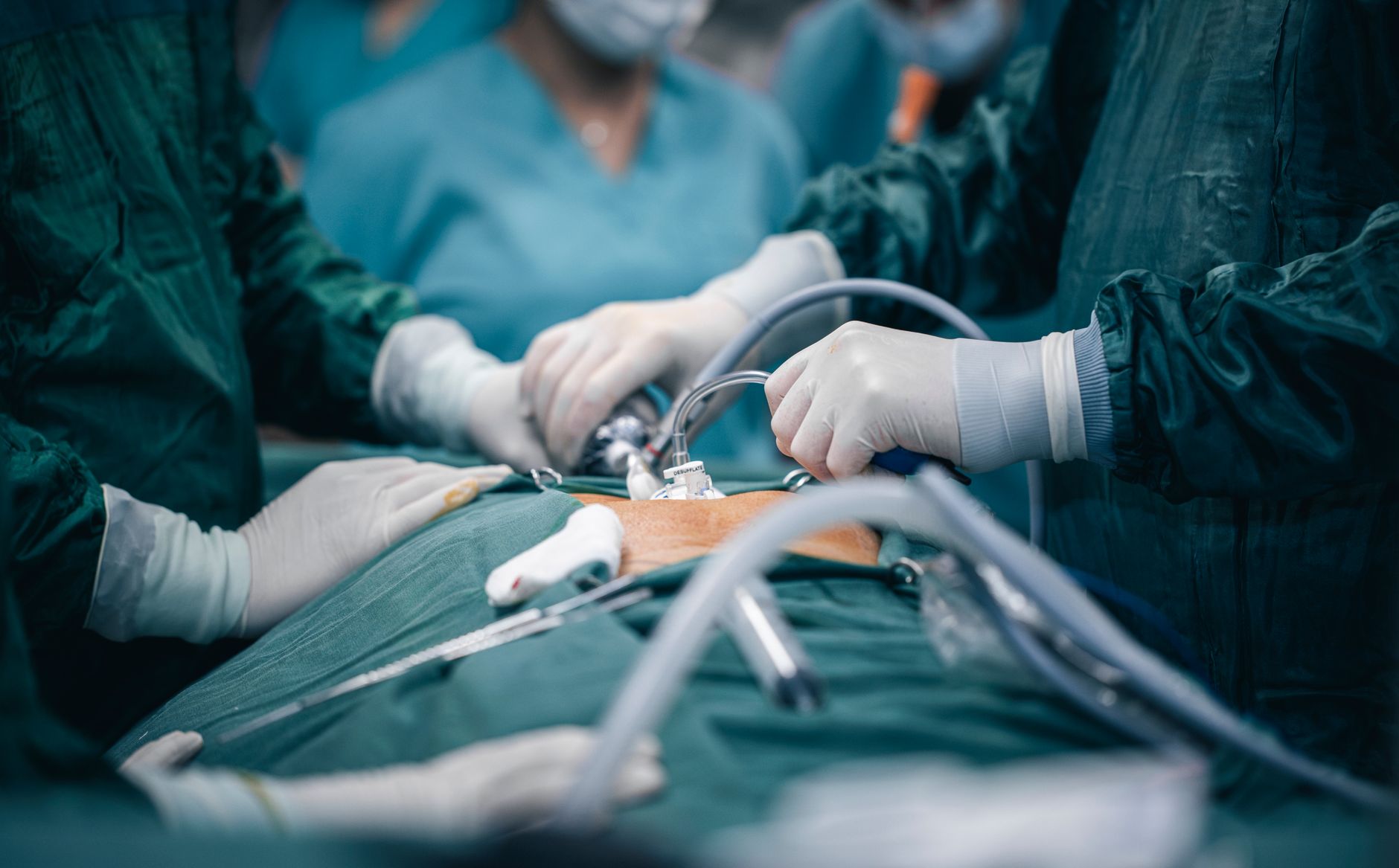
Hip arthroscopy is a minimally invasive procedure. Instead of large incisions, the surgeon uses two or three small portals to insert a camera and fine instruments into the hip joint. This approach preserves the surrounding muscles and soft tissues, which means less post-operative pain, smaller scars, and a faster return to daily activities. For active people—runners, cyclists, footballers, skiers, and gym enthusiasts—this can be the difference between a year on the sidelines and a structured comeback within months.
Türkiye's orthopaedic centres have invested heavily in the technology that makes these results possible: high-definition arthroscopy towers, specialised hip distraction tables, radiofrequency probes for labral repair, and advanced imaging such as 3-Tesla MRI with cartilage-sensitive sequences. Many hospitals also use 3D-printed models and virtual surgical planning to map the exact shape of the hip joint before the operation. The result is surgery that is precise, personalised, and designed around your sport and your goals.
International patients are welcomed with a level of coordination that is rare elsewhere. From the moment you inquire, you are assigned a case manager who speaks English and can liaise with your surgeon, arrange your pre-operative imaging, and help you plan your travel and accommodation. This end-to-end support is one reason why patients from the UK, Germany, the Gulf, and North America increasingly choose Türkiye for hip preservation surgery.
Understanding Hip Arthroscopy and Labral Repair
The hip is a ball-and-socket joint. The acetabular labrum is a ring of cartilage that deepens the socket and provides stability. When the labrum tears—often due to repetitive twisting, impingement, or a traumatic injury—you may feel a sharp pain in the groin, a catching or clicking sensation, and a loss of range of motion. For athletes, a labral tear can be career-limiting if not treated properly. Hip arthroscopy allows the surgeon to trim or repair the torn labrum, reshape the bone if there is impingement, and address any cartilage defects.
Labral repair is a technically demanding procedure. The surgeon uses small anchors to reattach the labrum to the rim of the socket, restoring the joint's suction seal and stability. In experienced hands, labral repair has been shown to produce excellent long-term results, with high rates of return to sport. The key is to choose a surgeon who performs this procedure regularly and who understands the biomechanics of your particular sport.
Türkiye's sports medicine teams are fluent in the language of athletics. They will discuss your training schedule, your position on the field, and the movements that provoke your pain. They will also explain the difference between labral debridement (trimming) and labral repair, and why repair is usually preferred in active patients. If you have FAI, they may also perform a osteochondroplasty—reshaping the femoral head-neck junction—to remove the bony conflict that caused the tear in the first place. This comprehensive approach addresses the root cause, not just the symptom.
Recovery from hip arthroscopy is a gradual process. You will typically use crutches for two to four weeks, followed by a structured physiotherapy programme. Most patients can return to low-impact activities such as swimming and cycling within six to eight weeks, and to running and pivoting sports within four to six months. The exact timeline depends on the extent of the repair, your baseline fitness, and how diligently you follow your rehabilitation plan.
Transparent Package Pricing: What's Included and Why It Matters
One of the biggest concerns for medical travellers is cost uncertainty. Türkiye's leading orthopaedic hospitals have responded by offering transparent package pricing for hip arthroscopy. These packages typically bundle the surgeon's fee, anaesthesia, hospital stay, operating theatre costs, standard implants, post-operative medications, and a set number of physiotherapy sessions. You know the total price before you commit, which makes budgeting far easier.
Packages vary by hospital and by the complexity of your case. A standard hip arthroscopy with labral repair might include a one- or two-night hospital stay, while more complex cases may require a longer stay. Some packages also include airport transfers, accommodation for you and a companion, and a translator. Always ask for a written quote that itemises what is covered and what is not—for example, additional imaging, custom braces, or extra physiotherapy sessions beyond the package.
Compared with prices in the United States, the UK, or Western Europe, Türkiye's package prices for hip arthroscopy are often 50–70% lower, without compromising quality. This is not because the care is inferior; it is because of lower operating costs, favourable exchange rates, and a competitive private healthcare market. Many hospitals are accredited by international bodies such as JCI (Joint Commission International) or ISO, and their surgeons frequently train and present at international conferences.
It is also worth noting that many Turkish hospitals offer package pricing that includes a pre-operative consultation and imaging, so you can arrive, be assessed, and proceed to surgery without unexpected add-ons. This predictability is a major advantage for international patients who are paying out of pocket or navigating insurance reimbursements. Ask your case manager for a detailed breakdown and confirm whether revision surgery or unexpected findings are covered.
English-Speaking Sports Medicine Teams and Multidisciplinary Care
Communication is critical in orthopaedic care. You need to be able to describe your symptoms precisely, understand your diagnosis, and ask questions about your treatment options. Türkiye's top orthopaedic centres employ English-speaking surgeons, nurses, and physiotherapists who are accustomed to working with international patients. Many also have translators who speak Arabic, German, French, or Russian, ensuring that language is never a barrier to safe care.
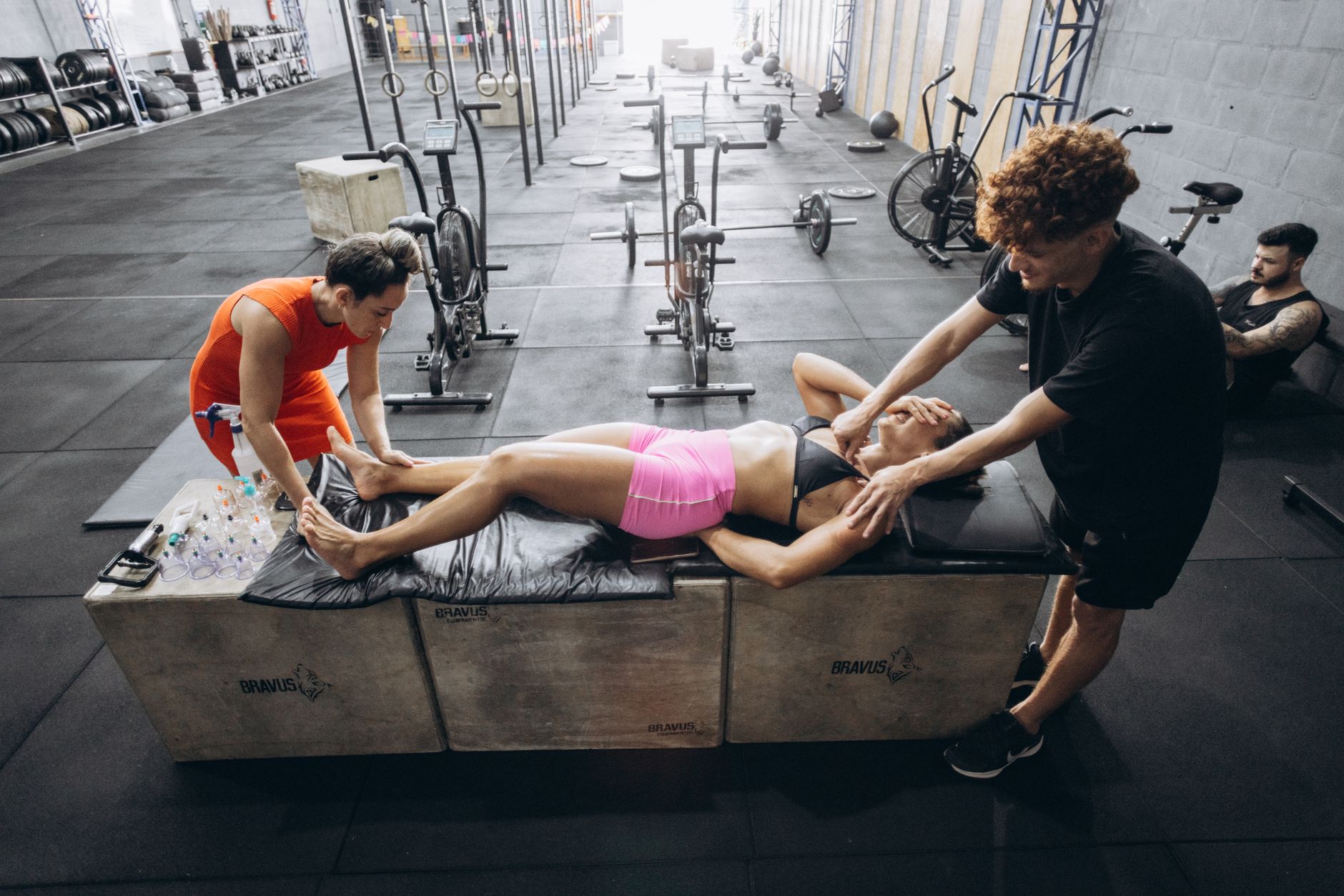
The sports medicine team is truly multidisciplinary. It includes the orthopaedic surgeon, a radiologist who specialises in musculoskeletal imaging, an anaesthesiologist, a physiotherapist, and often a sports rehabilitation specialist. Before surgery, you will have a consultation where the surgeon reviews your MRI and X-rays, performs a physical examination, and discusses the procedure and expected outcomes. You will also meet your physiotherapist, who will explain the post-operative rehabilitation protocol and answer your questions about returning to sport.
This team approach continues after surgery. Your physiotherapist will guide you through a phased rehabilitation programme that begins with gentle range-of-motion exercises and progresses to strengthening, balance work, and sport-specific drills. You will receive a written rehabilitation plan that you can take home, and many hospitals offer video consultations for follow-up, so you can continue your recovery with guidance from your Turkish team even after you return to your home country.
For athletes, the psychological aspect of recovery is just as important as the physical. Turkish sports medicine teams understand the frustration of being sidelined and the desire to return stronger than before. They will set realistic milestones, celebrate your progress, and adjust the plan if you hit a plateau. This supportive environment can make a significant difference in your motivation and your ultimate outcome.
Structured Rehabilitation Pathways for Active Travellers
Rehabilitation is not an afterthought in Türkiye—it is an integral part of the surgical package. Most hip arthroscopy packages include a set number of physiotherapy sessions, typically starting on the first day after surgery. The initial focus is on protecting the repair, reducing swelling, and maintaining circulation. You will learn how to use crutches safely, how to get in and out of bed, and how to perform gentle exercises at home.
As you progress, your physiotherapist will introduce exercises to restore range of motion, activate the gluteal and core muscles, and improve your gait. Hydrotherapy is often available and can be particularly helpful for active patients who want to maintain cardiovascular fitness while protecting the hip. Many hospitals have on-site rehabilitation gyms with stationary bikes, elliptical trainers, and anti-gravity treadmills, allowing you to train in a controlled environment.
For international patients, the rehabilitation pathway is designed to be portable. You will receive a detailed programme with descriptions and videos of each exercise, so you can continue your rehabilitation with a local physiotherapist at home. Your Turkish team can also communicate with your local physiotherapist to ensure continuity of care. This seamless transition is one of the hallmarks of Türkiye's approach to sports medicine.
Active travellers often ask when they can fly home. Most surgeons recommend waiting 7–10 days after surgery before taking a long-haul flight, to reduce the risk of blood clots. During this time, you can continue your rehabilitation in Türkiye, explore the city at a gentle pace, and attend follow-up appointments. Many patients use this period as a mini-recovery holiday, staying in comfortable accommodation near the hospital and enjoying Istanbul's cafés, parks, and waterfront promenades.
Planning Your Trip: Logistics, Accommodation, and Recovery Time
Planning a medical trip to Türkiye is straightforward, especially with the help of a medical tourism facilitator or the hospital's international patient office. The first step is to send your medical records—MRI, X-rays, and a brief history—for a preliminary review. Within a few days, you will receive an assessment and a treatment plan, often with a video consultation with the surgeon. If you decide to proceed, you will receive a formal quotation and a suggested date for surgery.
Most international patients fly into Istanbul, which has two major airports with direct flights from hundreds of cities worldwide. Visa requirements vary by nationality; many visitors can obtain an e-Visa online or enter visa-free for short stays. Your case manager can advise you on the latest requirements. It is wise to arrive a few days before your surgery for pre-operative tests and consultations, and to allow time for any additional imaging that may be needed.
Accommodation ranges from luxury hotels to serviced apartments near the hospital. Many hospitals have partnerships with nearby hotels that offer discounted rates for medical travellers. If you are travelling with a companion, look for accommodation with a kitchenette and comfortable seating, as you will spend the first few days resting. Your case manager can help you choose a place that suits your budget and preferences.
After surgery, you will have a follow-up appointment before you fly home. Your surgeon will check your incisions, review your rehabilitation progress, and provide a fit-to-fly letter if needed. You will also receive a copy of your operative report and imaging, which you can share with your local doctor. The entire trip—from arrival to departure—typically takes 10 to 14 days, depending on your recovery and your surgeon's recommendations.
Returning to Sport and Daily Life with Turkish Surgical Excellence
The ultimate goal of hip arthroscopy and labral repair is to return you to the activities you love. Türkiye's orthopaedic centres have a strong track record of helping athletes—from weekend warriors to professionals—achieve that goal. Their combination of advanced surgical techniques, personalised rehabilitation, and a supportive, English-speaking team creates an environment where you can focus on your recovery and look forward to getting back in the game.
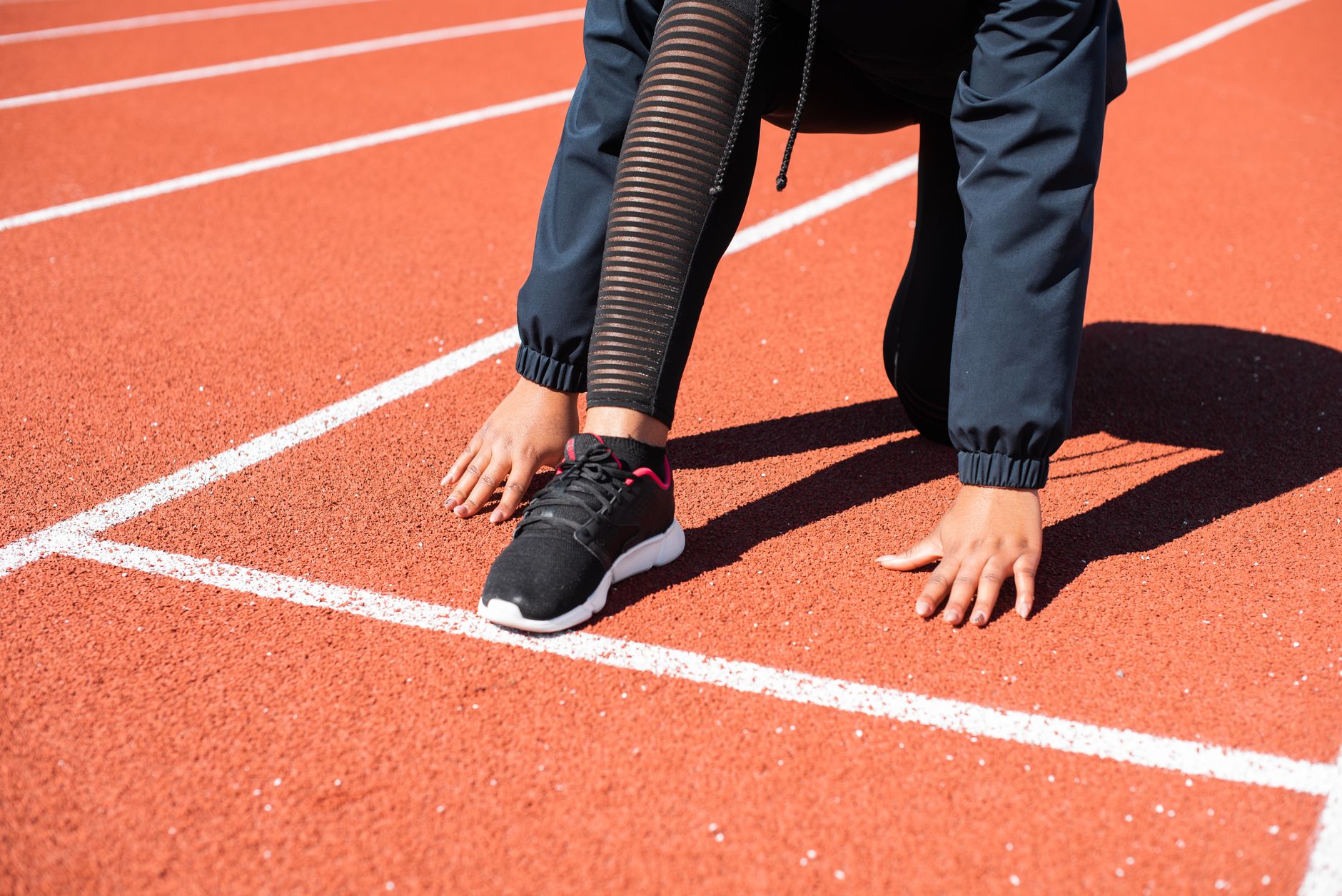
Many patients report that their pain is significantly reduced within the first few weeks after surgery, and that they are able to walk without crutches by the fourth week. As you progress through rehabilitation, you will gradually rebuild strength and confidence. Your physiotherapist will guide you through a return-to-sport protocol that includes sport-specific drills, plyometrics, and agility work. The timeline varies, but most patients can expect to resume running at three to four months and competitive sports at six to nine months.
Turkish surgical excellence is not just about the operation itself—it is about the entire journey. From the first email to the final follow-up, you are treated as a partner in your care. The transparency of pricing, the warmth of the people, and the beauty of the country make the experience more than just a medical trip. It is an opportunity to reset, recover, and return stronger.
If you are an active international patient with a hip labral tear or FAI, Türkiye offers a compelling combination of world-class surgery, transparent pricing, and structured rehabilitation. With careful planning and the right team, you can look forward to returning to sport and daily life with renewed energy and confidence. Explore your options, ask questions, and take the first step toward a pain-free, active future.
Thinking about treatment in Turkey?
Share your contact details and a verified doctor will follow up with a plan built around you — free, no obligation.