

Why Türkiye for Celiac and Gluten-Related Care?
Türkiye has quietly become one of the most reassuring destinations in the world for people living with celiac disease, non-celiac gluten sensitivity, wheat allergy, and other gluten-related disorders. The country's leading hospitals are JCI-accredited, internationally minded, and deeply experienced in gastroenterology. What makes them stand out, however, is something warmer and more practical: dietitian-led nutrition programmes woven directly into the clinical visit. You don't just get a diagnosis or a follow-up—you get a personalised, culturally aware plan for eating well, whether you're in Istanbul, Izmir, Antalya, or back home.
For many international patients, managing a gluten-free diet abroad feels intimidating. Türkiye turns that assumption on its head. The Mediterranean kitchen here is naturally rich in gluten-free ingredients—fresh vegetables, legumes, olive oil, seafood, rice, corn, and an astonishing variety of fruits and nuts. Hospital dietitians know this cuisine intimately and can translate medical advice into meals you will actually enjoy. The result is a healthcare experience that feels less like a restriction and more like an invitation to eat beautifully.
Understanding Celiac Disease and Gluten-Related Disorders
Celiac disease is an autoimmune condition in which eating gluten—a protein found in wheat, barley, rye, and sometimes oats—triggers damage to the small intestine. Symptoms can include bloating, diarrhoea, fatigue, anaemia, weight loss, and nutrient deficiencies. Some people have no digestive symptoms at all but still experience serious long-term risks if the condition goes untreated. Non-celiac gluten sensitivity produces similar discomfort without the intestinal damage, while wheat allergy involves a different immune response and can sometimes be severe.
Getting the right diagnosis matters. Celiac disease is not a matter of opinion; it requires specific blood tests and, in many cases, a duodenal biopsy. Self-diagnosing or starting a gluten-free diet before testing can make confirmation much harder. This is why a specialist gastroenterology consultation in Türkiye is so valuable: it brings clarity, rules out other conditions, and sets you on a path that is medically sound rather than guesswork.
Once diagnosed, the only proven treatment for celiac disease is a strict, lifelong gluten-free diet. That sounds simple, but in practice it touches every meal, every social gathering, and every trip. Good medical care therefore includes not only the diagnosis but also education, monitoring, and ongoing nutritional support. Türkiye's hospital-based programmes are built around exactly this continuum.
What Hospital-Based Care in Türkiye Looks Like
Treatment in Türkiye typically begins with a comprehensive gastroenterology assessment. Depending on your history, your doctor may recommend serology, genetic testing, endoscopy with biopsy, or additional tests for associated conditions such as thyroid disease, osteoporosis, or lactose intolerance. Hospitals in Istanbul and other major cities have modern endoscopy suites, laboratory services, and imaging under one roof, which means your workup can often be completed efficiently during a single visit.
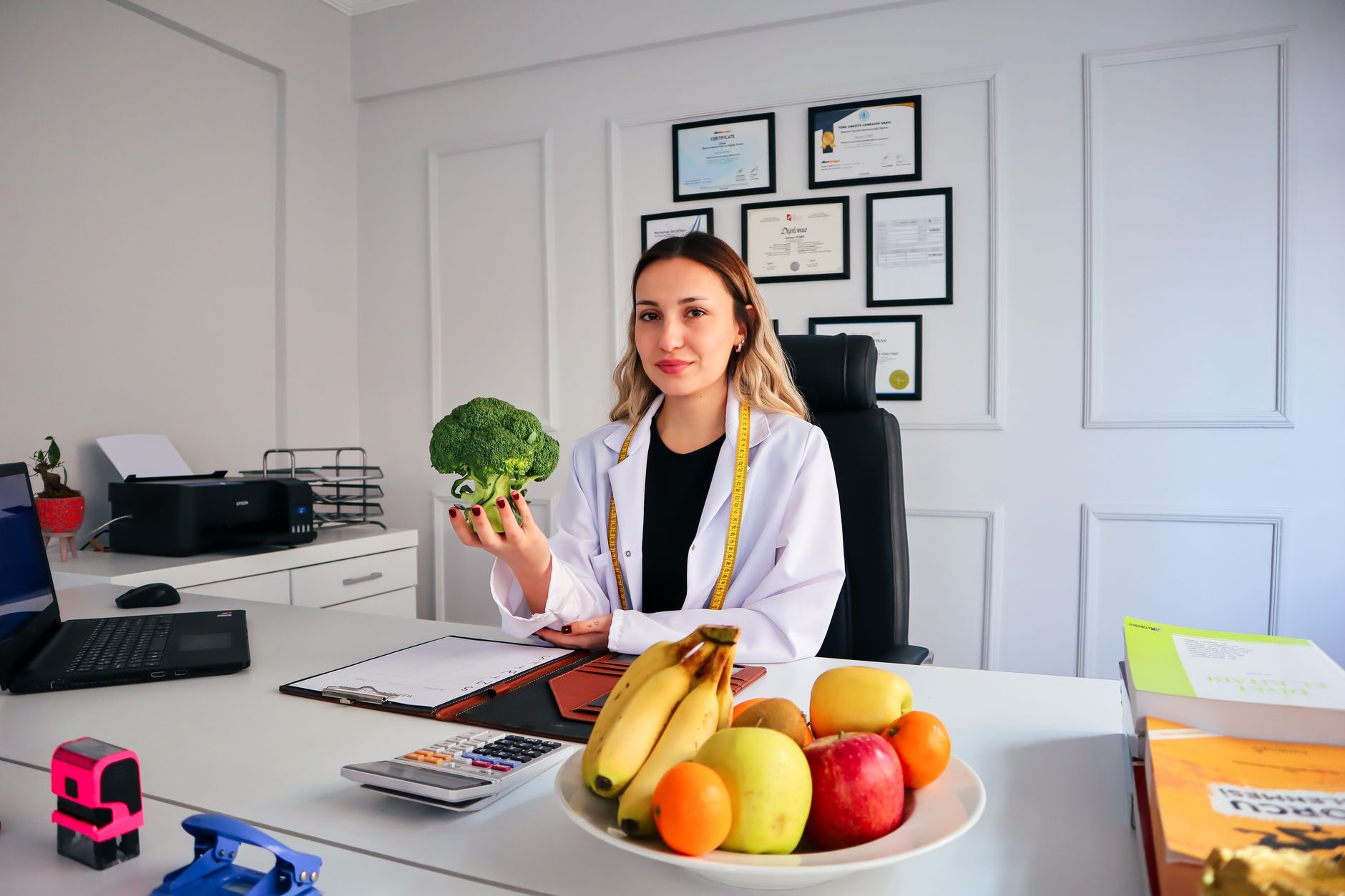
What truly distinguishes the experience is the involvement of registered dietitians. In many Turkish hospitals, the dietitian is not an afterthought but a core member of the care team. You may meet your dietitian on the same day as your gastroenterologist, review your lab results together, and leave with a written nutrition plan tailored to your lifestyle, preferences, and budget. This integrated model saves you weeks of fragmented appointments and gives you a clear roadmap from day one.
Follow-up is equally thoughtful. For international patients, hospitals frequently offer telemedicine check-ins, email support, and repeat testing schedules that fit around your travel. If you need a gluten-free meal plan for a specific period—say, during a two-week stay in Istanbul—the dietitian can design it around local restaurants, hotel breakfasts, and even hospital cafeteria options. This level of practical coordination is one of Türkiye's quiet strengths.
"A gluten-free diet should not feel like a punishment. Our job is to make it delicious, sustainable, and safe—wherever our patients are in the world." — A sentiment echoed by dietitians across Türkiye's leading hospitals.
Meet the Dietitians: Personalised Nutrition Planning
Turkish hospital dietitians are trained to look at the whole person, not just the lab values. During your consultation, they will ask about your typical meals, your cooking facilities at home and while travelling, your work schedule, and any cultural or religious food practices. From there, they build a plan that replaces gluten-containing staples with naturally gluten-free alternatives that are already part of the Turkish table: rice, corn, chickpeas, lentils, buckwheat, quinoa, and a rainbow of vegetables.
You'll also learn practical skills that make daily life easier. Dietitians can show you how to read Turkish food labels, which local brands are reliably gluten-free, and how to communicate your needs in restaurants using a few simple phrases. They may provide a translated "celiac card" in Turkish, explain cross-contamination risks in kitchens, and suggest safe snack options available in supermarkets. For parents of children with celiac disease, paediatric dietitians offer age-appropriate guidance and school-friendly meal ideas.
Nutrition planning doesn't stop at gluten avoidance. Celiac disease can affect how your body absorbs iron, calcium, vitamin D, folate, and B12. Your dietitian will review your levels and recommend supplements or dietary adjustments as needed. If you have other conditions—diabetes, high blood pressure, or food allergies—they will weave those into the same plan, so you're not juggling conflicting advice. The goal is one coherent, manageable way of eating that supports your overall health.
Türkiye's Gluten-Free Mediterranean Bounty
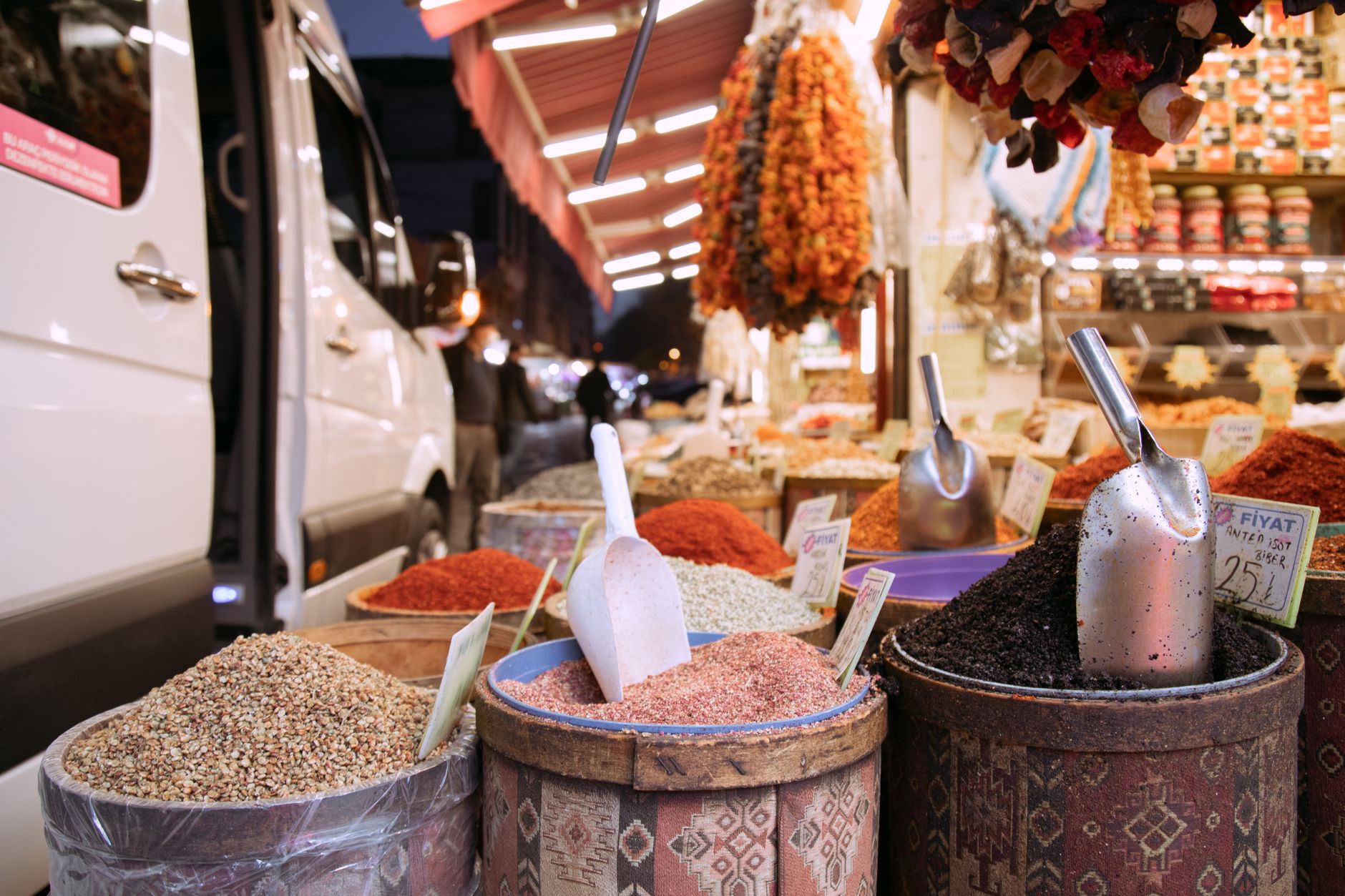
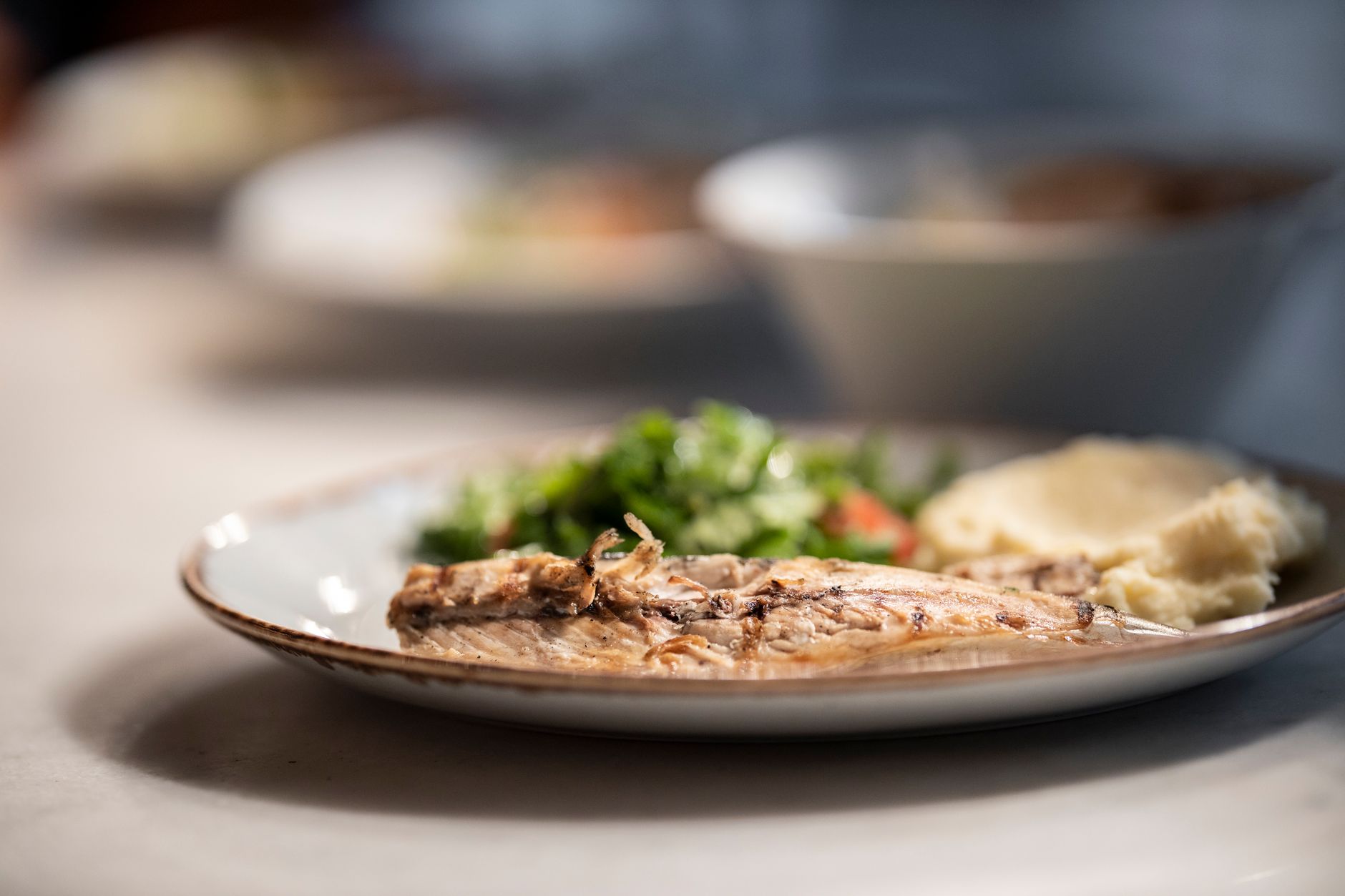
Step outside the hospital and you'll discover why Türkiye is such a pleasant place to eat gluten-free. Turkish cuisine is built on fresh, seasonal ingredients that are naturally gluten-free. Think grilled fish by the Bosphorus, mezze platters of hummus, Ezme, and haydari, hearty bean stews, stuffed vine leaves, and salads dressed with olive oil and lemon. Grilled meats, chicken, and kebabs are typically gluten-free, though you should always ask about marinades and fillers.
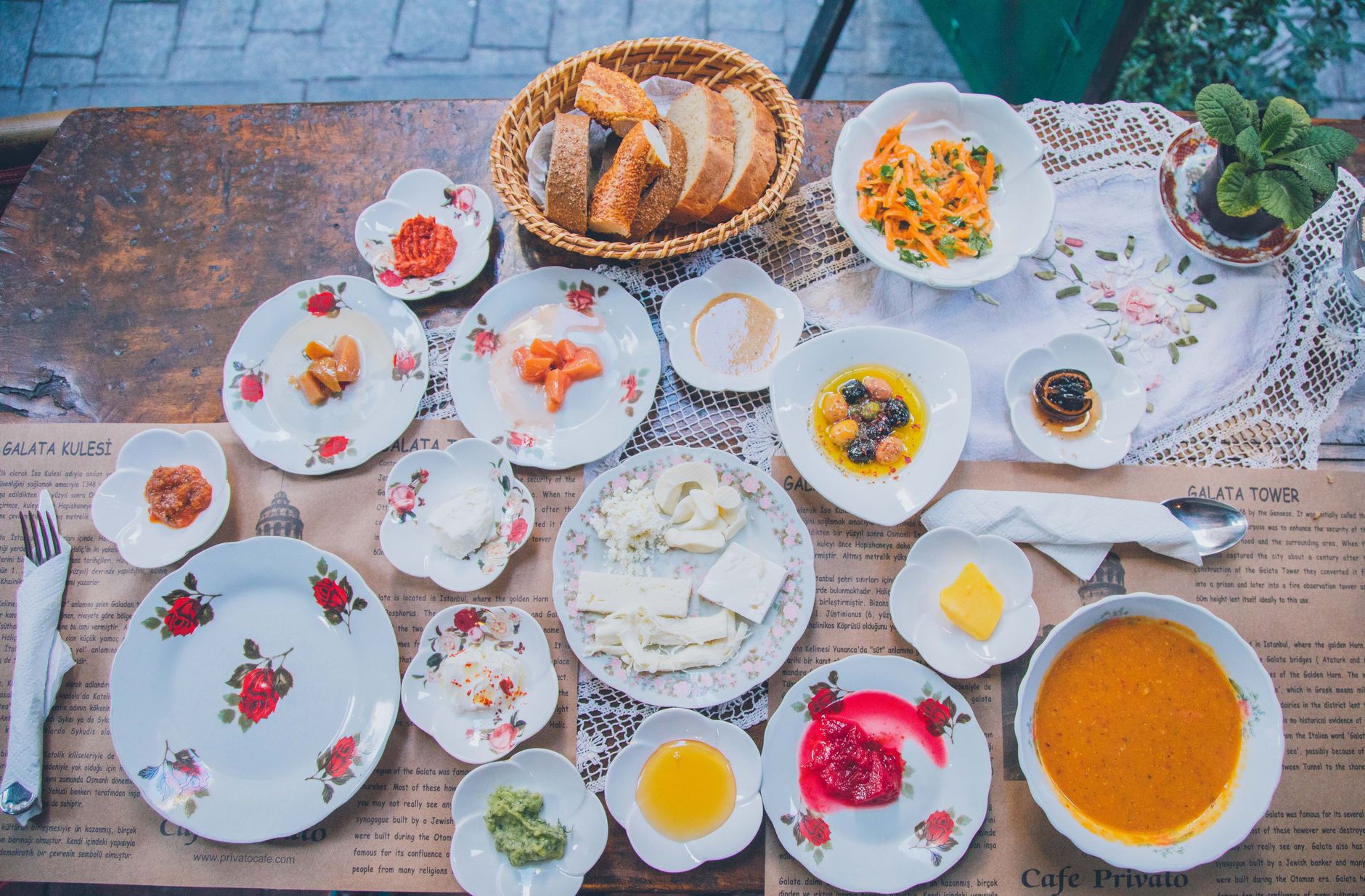
Breakfast, often the most challenging meal for gluten-free travellers elsewhere, is a joy in Türkiye. A traditional Turkish breakfast spread includes olives, white cheese, tomatoes, cucumbers, eggs, honey, clotted cream, and an array of jams and nuts. With gluten-free bread or simply without bread, it's a feast. Fresh fruit is everywhere—figs, apricots, melons, pomegranates, and citrus—and markets overflow with produce that makes healthy eating effortless.
Istanbul, Izmir, Antalya, and Ankara all have dedicated gluten-free bakeries, health food shops, and increasingly knowledgeable restaurants. Many upscale hotels train their staff on gluten-free protocols and offer separate preparation areas. Your hospital dietitian can point you to trusted establishments and even help you plan a food itinerary for your stay. Far from being a constant worry, eating gluten-free in Türkiye often becomes one of the highlights of the trip.
Practical Steps for International Patients
Planning your medical visit is straightforward. Start by contacting the hospital's international patient department with your medical records, including any prior celiac serology, biopsy reports, and current medications. Many hospitals offer online second opinions and can arrange interpreter services in English, Arabic, Russian, German, and other languages. Once your appointment is confirmed, ask for a dietitian consultation to be scheduled on the same day or the next, so your nutrition plan is ready before you leave.
When you travel, bring a written summary of your diagnosis, a list of your medications, and any gluten-free snacks you rely on. While Türkiye is well supplied, having favourites on hand can make the first day easier. If you're staying in a hotel, request a room with a kettle or kitchenette if possible, and confirm that the breakfast buffet can accommodate gluten-free needs. Hospitals can provide letters in Turkish explaining your dietary requirements, which can be shown at restaurants.
Cost is another reason patients choose Türkiye. Specialist consultations, endoscopy, laboratory work, and dietitian sessions are typically a fraction of prices in Western Europe or North America, without compromising quality. Many international patients combine their medical appointment with a short holiday, enjoying Istanbul's history, the Aegean coast, or the thermal springs of Bursa. With careful planning, a medical trip can become a genuinely restorative experience.
After Your Visit: Sustaining Gluten-Free Health
Your care doesn't end when you fly home. Turkish hospitals commonly provide a detailed discharge summary, including your diagnosis, test results, and a personalised gluten-free eating plan. Dietitians may offer follow-up video calls to review your progress, adjust supplements, or troubleshoot challenges. Repeat antibody tests and nutrient panels can be done locally, with results shared electronically for review by your Turkish specialist.
Many patients find that the education they receive in Türkiye changes their relationship with food for the better. Instead of focusing on what they can't eat, they learn to celebrate what they can: vibrant salads, wholesome legumes, grilled seafood, and naturally sweet fruits. This positive, abundance-based approach is central to Turkish food culture, and it translates beautifully into a gluten-free lifestyle.
Whether you're newly diagnosed or have been managing celiac disease for years, Türkiye offers a rare combination: rigorous hospital-based gastroenterology, compassionate dietitian-led nutrition planning, and a cuisine that makes gluten-free eating a pleasure rather than a chore. It is, in every sense, a delicious place to take care of yourself.
Thinking about treatment in Turkey?
Share your contact details and a verified doctor will follow up with a plan built around you — free, no obligation.