

Why Türkiye Is a Place Where Stone Disease Is Solved, Not Just Patched
If you have passed a kidney stone, you already know the fear of the next one. Chronic stone formers often describe a cycle: pain, emergency room, a quick procedure, temporary relief, then months later — another stone. Türkiye's leading urology departments are built around breaking that cycle. Instead of treating each episode as an isolated event, hospital-based stone programs combine advanced endoscopic surgery with metabolic evaluation and long-term prevention planning in one coordinated admission.
The result is a fundamentally different model of care. A patient flying to Istanbul is not simply booked for a procedure and sent home. They are assessed by a multidisciplinary team that includes endourologists, radiologists, nephrologists, dietitians and laboratory specialists. The goal is to remove every existing stone fragment, understand why stones keep forming, and design a plan that reduces recurrence risk long after the return flight.
This guide explains how Turkish hospitals approach chronic kidney stones, what flexible ureteroscopy (fURS) and percutaneous nephrolithotomy (PCNL) involve, what a metabolic stone clinic actually does, and how to use your trip to build a prevention strategy that works back home.
The Turkish Hospital Model for Complex Stone Disease
Türkiye has invested heavily in endourology, the subspecialty of minimally invasive stone surgery. Many JCI-accredited and university-affiliated hospitals in Istanbul, Ankara and Izmir maintain dedicated stone units with high-volume surgeons who perform hundreds of ureteroscopies and PCNL procedures annually. High volume matters: complication rates and stone-free rates improve with operator experience.
These units typically offer a one-stop pathway. During a single visit, you can undergo non-contrast CT (the gold standard for stone imaging), laboratory tests including serum calcium, phosphate, uric acid, creatinine and parathyroid hormone, and 24-hour urine collection for metabolic profiling. Surgical planning happens with the same team that will perform the operation, which reduces miscommunication and repeated travel.
Critically, Turkish stone clinics are hospital-based. This means anesthesia, intensive care backup, blood bank access, and full diagnostic laboratories are on site. For patients with large or complex stones — or those with underlying metabolic conditions — this integrated setting is a significant safety advantage over stand-alone clinics.
Flexible Ureteroscopy (fURS): Precision for Stones in Difficult Locations
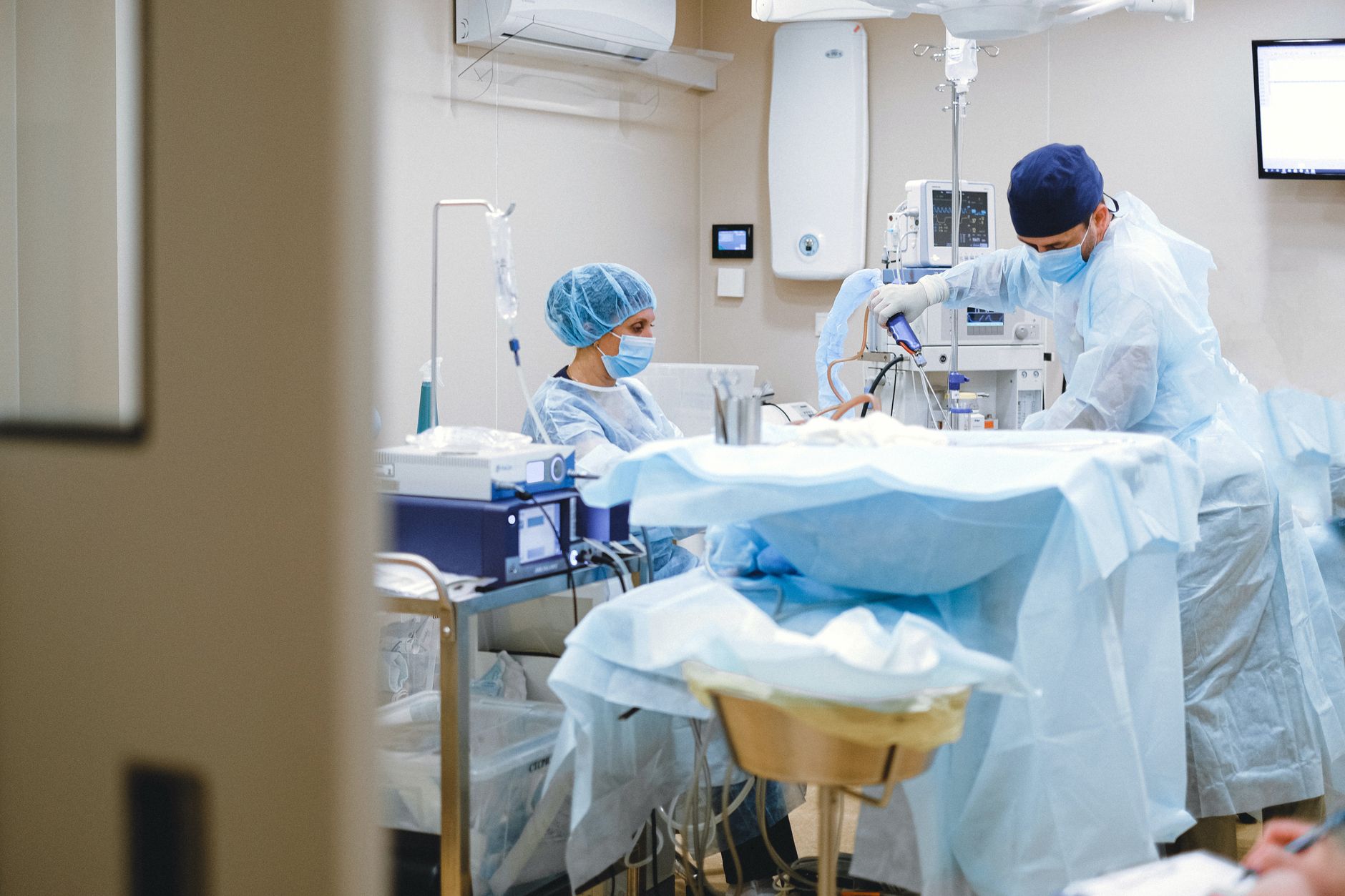
Flexible ureteroscopy uses a thin, bendable scope passed through the natural urinary tract to reach stones in the kidney, including those in the lower pole where rigid instruments struggle. Once the stone is visualized, it is fragmented with a laser and the fragments are either extracted with a basket or dusted into small particles that pass naturally. There is no incision, and most patients are discharged within 24 hours.
In Turkish centers, fURS is often combined with pre-stenting for a week or two before the main procedure. This allows the ureter to dilate, improving access and reducing the risk of injury. The temporary stent is a minor inconvenience, but it raises success rates for complex or multiple stones. For patients with chronic stones, fURS also allows the surgeon to inspect the entire collecting system and clear small fragments that CT might miss.
One of the most valuable aspects of fURS in a high-volume Turkish hospital is the use of stone retrieval and analysis. Every fragment removed is sent to the laboratory for compositional analysis. Knowing whether a stone is calcium oxalate monohydrate, uric acid, struvite or cystine directly shapes the prevention plan.
PCNL: The Gold Standard for Large and Staghorn Stones
Percutaneous nephrolithotomy (PCNL) remains the most effective treatment for stones larger than 2 cm, staghorn calculi, and stones that have failed other treatments. A small puncture is made in the flank, a tract is dilated, and a nephroscope is inserted directly into the kidney. Stones are fragmented with ultrasound, pneumatic or laser energy and removed through the tract.
Turkish endourology teams offer several PCNL variants, including mini-PCNL and ultra-mini PCNL, which use smaller tracts and reduce bleeding and hospital stay. For selected patients, ECIRS (Endoscopic Combined IntraRenal Surgery) combines PCNL and flexible ureteroscopy in the same session — a powerful approach for complex stone burdens that would otherwise require multiple procedures.
In a hospital-based setting, PCNL patients benefit from careful perioperative management: preoperative CT planning to choose the safest calyx, fluoroscopic or ultrasound-guided access, and postoperative monitoring for bleeding or infection. Most patients stay two to three nights. The trade-off — a slightly longer recovery — is worthwhile when the alternative is repeated failed shockwave lithotripsy or incomplete clearance.

What a Metabolic Stone Clinic Actually Does
Removing stones is only half the battle. The other half is understanding why they formed. A metabolic stone clinic evaluates the underlying causes of stone recurrence, which may include hypercalciuria, hyperuricosuria, hypocitraturia, hyperoxaluria, low urine volume, distal renal tubular acidosis, primary hyperparathyroidism, or rare genetic conditions such as cystinuria.
At a Turkish metabolic stone clinic, you can expect a structured workup: two 24-hour urine collections on your usual diet, serum electrolytes and parathyroid hormone, vitamin D, and sometimes a fasting calcium load test. Stone composition analysis from your surgery is correlated with these results. The nephrologist then builds an individualized plan — not a generic “drink more water” handout.
For example, a patient with calcium oxalate stones and high urinary oxalate may need dietary oxalate restriction and calcium co-ingestion with meals. A patient with uric acid stones may need urine alkalinization with potassium citrate and allopurinol. A patient with cystinuria requires aggressive hydration, urine alkalinization, and possibly tiopronin. These distinctions matter enormously, and they are exactly what a metabolic clinic is designed to identify.
Turkish clinics often provide a written report in English summarizing your metabolic diagnosis, target urine parameters, medication list, and follow-up schedule. This document is designed to be shared with your physician at home.
Stone Analysis, Dietary Planning and a Plan for Home
Prevention after flying home depends on a plan that is realistic in your own kitchen. Turkish dietitians who work with stone clinics translate metabolic findings into practical food guidance. The core principles are consistent worldwide: high fluid intake (2.5–3 liters daily, enough to produce 2–2.5 liters of urine), normal dietary calcium (not low — restricting calcium can increase oxalate absorption), moderate sodium (under 2,300 mg/day), moderate animal protein, and limited oxalate-rich foods only if your urine oxalate is high.
You will also learn how to monitor yourself. Many patients are advised to keep a simple urine diary, use dipsticks for pH if relevant, and schedule periodic 24-hour urine tests — often at three and twelve months — to confirm that the plan is working. Turkish clinics frequently offer telemedicine follow-up, so your metabolic panel can be reviewed remotely even after you return home.
The most important takeaway is that stone disease is manageable. With complete surgical clearance plus a targeted metabolic plan, recurrence rates can drop substantially. Türkiye's hospital-based model is designed to deliver both in a single, efficient visit.
Practical Travel and Coordination Tips
Most international patients spend 7 to 10 days in Türkiye for a combined surgical and metabolic workup. A typical sequence is: arrival and consultations on days 1–2, imaging and labs on days 2–3, surgery on day 4 or 5, hospital stay of 1–3 nights depending on procedure, then metabolic clinic review and dietary counseling before departure. If pre-stenting is needed, an initial shorter trip may be required.
Istanbul's major hospitals offer international patient departments with English, Arabic, Russian and German interpreters. They assist with visa invitation letters, airport transfers, accommodation near the hospital, and insurance paperwork. For patients traveling with companions, many hospitals are located in districts with hotels, pharmacies and restaurants within walking distance.
Before you travel, gather your previous imaging (CT or ultrasound reports), operative notes, stone analysis results if available, and a list of current medications. If you have a history of urinary tract infections or a stent in place, inform the coordinating team early. Also discuss anticoagulant or antiplatelet medications with your cardiologist and the Turkish urology team before surgery.
Finally, plan your return carefully. If you have a ureteral stent, it may need removal 2–4 weeks after surgery. Some Turkish hospitals arrange for stent removal at home through partner urologists, or you may return for a short second visit. Clarify this before booking flights.
Why This Approach Changes the Long-Term Outlook
Chronic kidney stones are not just painful — they can damage kidneys, cause infections, and lead to repeated hospitalizations. The Turkish hospital-based model treats stone disease as a chronic condition requiring both procedural excellence and metabolic follow-up. By combining fURS, PCNL and metabolic stone clinics in one coordinated admission, patients leave with clear kidneys and a clear plan.
For international patients, this means fewer repeat trips, fewer emergency episodes, and a lower lifetime burden of stone disease. Türkiye has become a destination for this kind of thorough care not only because of cost, but because its hospitals have built the infrastructure — imaging, laboratories, endourology suites, nephrology and dietetics — that comprehensive stone management demands.
If you have been living from one stone episode to the next, a coordinated evaluation in Türkiye may be the reset you need. The goal is not another temporary fix. It is a definitive solution.
Thinking about treatment in Turkey?
Share your contact details and a verified doctor will follow up with a plan built around you — free, no obligation.