

Why Türkiye Is a Global Leader in Prediabetes Care
Türkiye has quietly become one of the world's most trusted destinations for medical weight management, especially for patients with prediabetes. The country's hospitals combine advanced diagnostic technology, internationally trained endocrinologists, and a culture of hospitality that makes long-term health programmes feel less like clinical treatment and more like a fresh start. For anyone who has been told their blood sugar is 'borderline' or that they are at risk of type 2 diabetes, this integrated approach offers something far more valuable than a quick fix: a structured, science-backed path to metabolic health.
What sets Türkiye apart is the integration. Rather than seeing an endocrinologist, then a dietitian, then a fitness coach in separate appointments spread over months, patients in Turkish clinics experience a coordinated programme where all three disciplines work together from day one. The result is a personalised plan that addresses the root causes of insulin resistance — not just the number on the scale.
The hopeful message from Turkish clinics is simple: prediabetes is reversible. With the right screening, the right nutrition strategy, and the right lifestyle support, many patients can bring their HbA1c back into the normal range and reduce their risk of progressing to diabetes. This guide explains how that journey works, what to expect, and why Türkiye has become a preferred destination for it.
Understanding Prediabetes: The Window of Opportunity
Prediabetes is a condition where blood sugar levels are higher than normal but not yet high enough for a type 2 diabetes diagnosis. It is often silent, which is why so many people discover it only through routine blood work. The key markers include an HbA1c between 5.7% and 6.4%, impaired fasting glucose, or impaired glucose tolerance. On their own, these numbers can feel abstract. In the hands of a skilled endocrinology team, they become a precise map of your metabolic health.
The critical insight is that prediabetes is not a life sentence. It is a window of opportunity. Studies consistently show that lifestyle intervention — weight loss of 5–10% of body weight, improved diet quality, and regular physical activity — can reduce the risk of developing type 2 diabetes by nearly 60%. Turkish hospitals have built their weight management programmes around this evidence, focusing on sustainable changes rather than extreme deprivation.
For international patients, this means the goal is not simply to lose weight, but to restore insulin sensitivity, improve cardiovascular markers, and build habits that last long after the return flight home. The programme is designed to be a catalyst, not a crutch.
Structured Screening: HbA1c, Insulin Resistance and Beyond
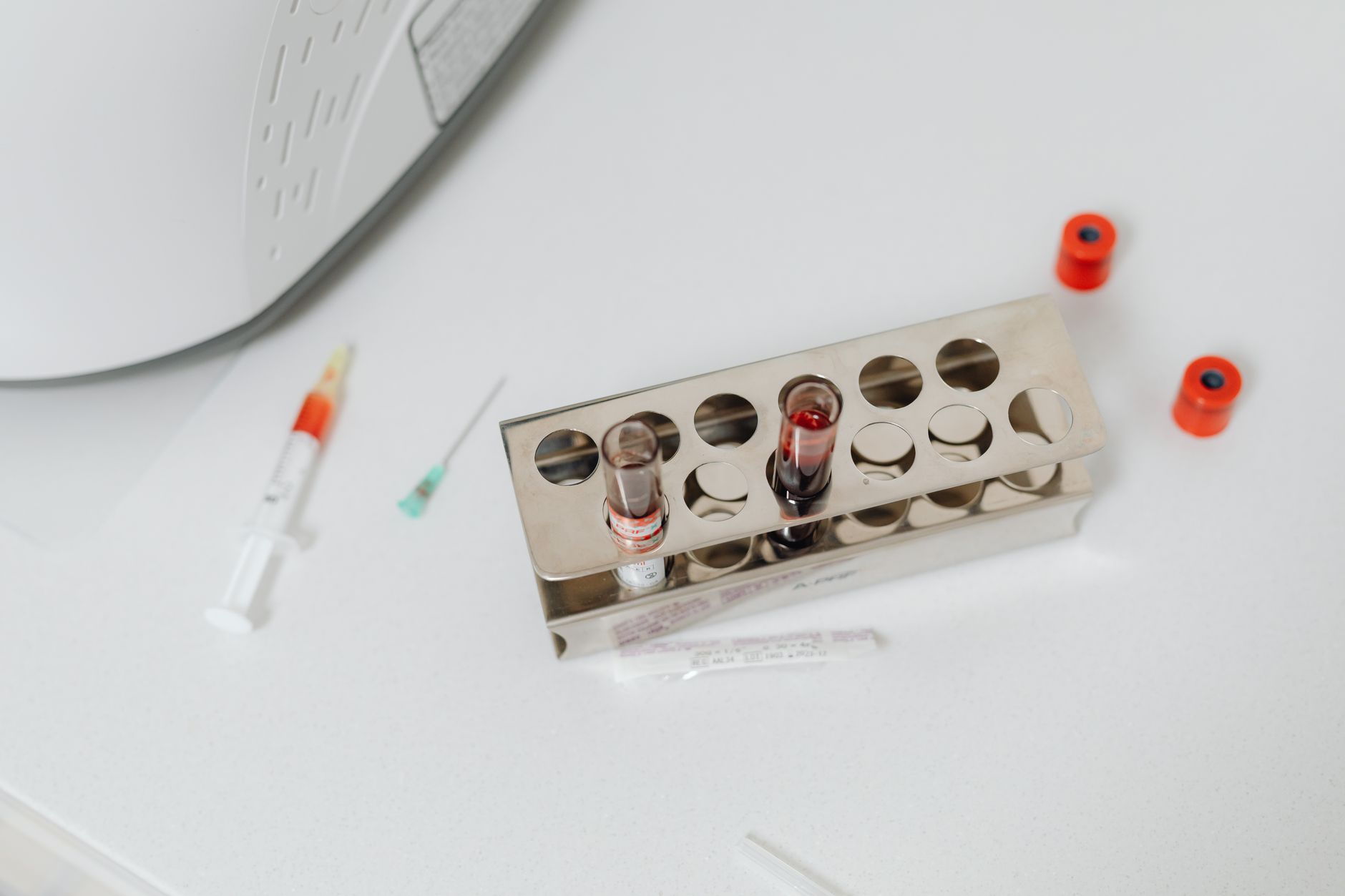
Every credible medical weight management programme begins with accurate, comprehensive screening. In Türkiye's leading hospitals, this goes well beyond a single glucose test. Patients typically undergo a full metabolic panel that includes HbA1c, fasting glucose, fasting insulin, and a calculated HOMA-IR score to assess insulin resistance directly. These tests reveal not just where you are, but how your body is responding to the food you eat.
Additional assessments often include lipid profiles, liver enzymes, thyroid function, vitamin D and B12 levels, and body composition analysis using bioelectrical impedance or DEXA scanning. Some clinics also use continuous glucose monitoring (CGM) for a few days, giving a real-time picture of how different meals affect blood sugar. This level of detail is what allows the medical team to design a plan that is genuinely personalised rather than generic.
The screening process is usually completed within one to two days, and results are discussed in a face-to-face consultation with an endocrinologist. Many hospitals provide reports in English, and interpreters are available for Arabic, Russian, German, and other languages. This transparency helps patients understand exactly what is happening in their body and why each recommendation matters.

The Integrated Programme: Endocrinology, Dietetics and Lifestyle Coaching
Once screening is complete, the core of the programme begins. Turkish clinics typically structure this as an integrated, multidisciplinary plan. The endocrinologist manages the medical side: interpreting lab results, monitoring progress, and adjusting any medications if necessary. They also screen for and address related conditions such as hypothyroidism, PCOS, or sleep apnoea, which can otherwise sabotage weight loss efforts.
The dietitian then translates medical goals into practical nutrition. Rather than imposing a rigid, one-size-fits-all diet, they build a plan around your preferences, culture, and daily routine. The Mediterranean-style eating pattern — rich in vegetables, olive oil, fish, legumes, and whole grains — is often central, and it happens to be both delicious and well-suited to improving insulin sensitivity. Patients learn about portion sizes, carbohydrate quality, meal timing, and how to read food labels.
Lifestyle coaching completes the triangle. This may include supervised exercise sessions, behavioural therapy, stress management, and sleep hygiene guidance. Coaches help patients set realistic goals and develop strategies for overcoming obstacles like emotional eating or busy schedules. Because the coaching is integrated with the medical and dietary teams, everyone is working from the same plan, and progress is tracked cohesively.

What a Typical Day Looks Like in an Istanbul Programme
Most hospital-based programmes in Istanbul run for one to four weeks, depending on the patient's needs and goals. A typical day might begin with a light breakfast followed by a morning education session on topics such as 'Understanding Insulin Resistance' or 'Building a Balanced Plate'. Mid-morning could include a supervised walk or a session in the hospital's fitness centre, adapted to your current fitness level.
Lunch is often a guided meal, where the dietitian demonstrates how to assemble a satisfying, blood-sugar-friendly plate. Afternoons may feature one-on-one consultations with the endocrinologist or psychologist, cooking workshops, or group sessions with other patients. The day usually ends with a relaxed dinner and time to rest. Weekends may include light cultural outings, which help patients stay active while enjoying Istanbul's rich history and cuisine.
Throughout the stay, your metrics are monitored — weight, waist circumference, blood pressure, and sometimes glucose levels. By the end of the programme, you leave not just with a plan, but with the confidence and skills to follow it. Many clinics also schedule follow-up video consultations at three, six, and twelve months to review progress and adjust the plan as needed.
Continuing Your Plan at Home: The Real Goal
The ultimate measure of success for any medical weight management programme is what happens after you go home. Turkish clinics are acutely aware of this, which is why they place heavy emphasis on education and self-management. Before discharge, you receive a detailed, personalised plan that includes sample meal plans, recipes, exercise routines, and a schedule for follow-up tests. Everything is written in plain language and tailored to your local food environment.
You are also given clear targets: what HbA1c to aim for, how much weight to lose, and which markers to monitor. The clinic may provide a home glucose monitoring device or recommend one, so you can track your progress between appointments. Follow-up video calls with your endocrinologist and dietitian help you stay accountable and make adjustments when life gets in the way.
Many patients find that the structured start they receive in Türkiye gives them the momentum they need to succeed long-term. The habits learned in Istanbul — mindful eating, regular activity, stress management — become part of daily life. The goal is not dependence on a clinic, but independence and lasting health.

Why Patients Choose Türkiye: Preventative, Results-Focused Care
Türkiye's hospitals have earned a reputation for combining clinical excellence with genuine warmth. For patients with prediabetes, this means care that is both rigorous and encouraging. The preventative philosophy is central: instead of waiting for diabetes to develop, Turkish clinics intervene early, using the latest evidence to reverse insulin resistance and restore metabolic health.
Cost is another factor. Even with travel and accommodation, a comprehensive programme in Istanbul often costs significantly less than comparable care in Western Europe or North America. Many hospitals offer package pricing that includes consultations, tests, accommodation, and follow-up, making it easier to plan. High standards of hygiene, modern facilities, and internationally accredited laboratories add to the appeal.
Above all, patients talk about feeling hopeful. Being surrounded by a team that believes prediabetes can be reversed — and that gives you the tools to do it — is powerfully motivating. Türkiye's integrated metabolic programmes are not just about losing weight; they are about gaining a healthier, more energetic future. If you have been diagnosed with prediabetes, this could be the journey that changes everything.
Thinking about treatment in Turkey?
Share your contact details and a verified doctor will follow up with a plan built around you — free, no obligation.