
Why Türkiye Has Become a Trusted Destination for Ongoing Cancer Care
Türkiye has quietly become one of the world's most capable hubs for oncology treatment, and much of that reputation rests on its hospital-based chemotherapy day units. These are not simply infusion rooms; they are calm, carefully organised environments designed around the rhythms of patients who may travel long distances between cycles. For international patients, the appeal is practical as much as medical: world-class hospitals, experienced oncologists, and a treatment culture that treats continuity of care as a core promise rather than an afterthought.
Across Istanbul, Ankara, Izmir and Antalya, leading hospitals operate dedicated chemotherapy day suites within their oncology departments. They are typically separate from emergency and inpatient wards, which means less noise, less crowding and a more predictable daily routine. Patients arrive, are assessed, receive their infusion, and return to their accommodation the same day in most cases. This outpatient model is central to how Türkiye makes long-term cancer care manageable for visitors.
What distinguishes the Turkish approach is the blend of clinical rigour and hospitality. Hospitals invest in comfortable reclining chairs, natural light, privacy curtains and family seating, while oncology nurses are trained not just in drug administration but in the emotional support that chemotherapy demands. For someone navigating a diagnosis far from home, that combination can feel like a lifeline.
Inside a Modern Chemotherapy Day Suite: Calm, Order and Dignity
A typical chemotherapy day unit in a Turkish hospital is arranged to reduce stress from the moment a patient walks in. Reception areas are quiet and clearly signed, often with multilingual wayfinding. Waiting lounges are furnished with soft seating, and treatment bays are separated by curtains or partitions so that conversations, rest and privacy are respected. Many units overlook gardens or city views, and natural light is used deliberately to counter the clinical atmosphere.
Each infusion station usually includes a comfortable reclining chair, a side table, charging points, Wi-Fi and a call button. Some hospitals provide individual television screens, headphones and blankets. For longer infusions, family members can often sit nearby. The goal is not luxury for its own sake but comfort that supports tolerance: when patients are relaxed, anxiety drops, veins are easier to access, and the session passes more smoothly.
Safety systems are embedded in the layout. Pharmacy-prepared chemotherapy is delivered in sealed, labelled packaging, and nurses follow double-check protocols before every administration. Vital signs are monitored before, during and after infusion. Emergency equipment and rapid-response teams are immediately available, even though most sessions are routine. This quiet preparedness is what allows a day unit to feel calm without ever feeling casual.
"The best day units make patients feel like guests who are being carefully looked after, while never forgetting that every drop of medication is a serious clinical intervention."
Dedicated Oncology Nurses: The Heart of the Turkish Day Unit
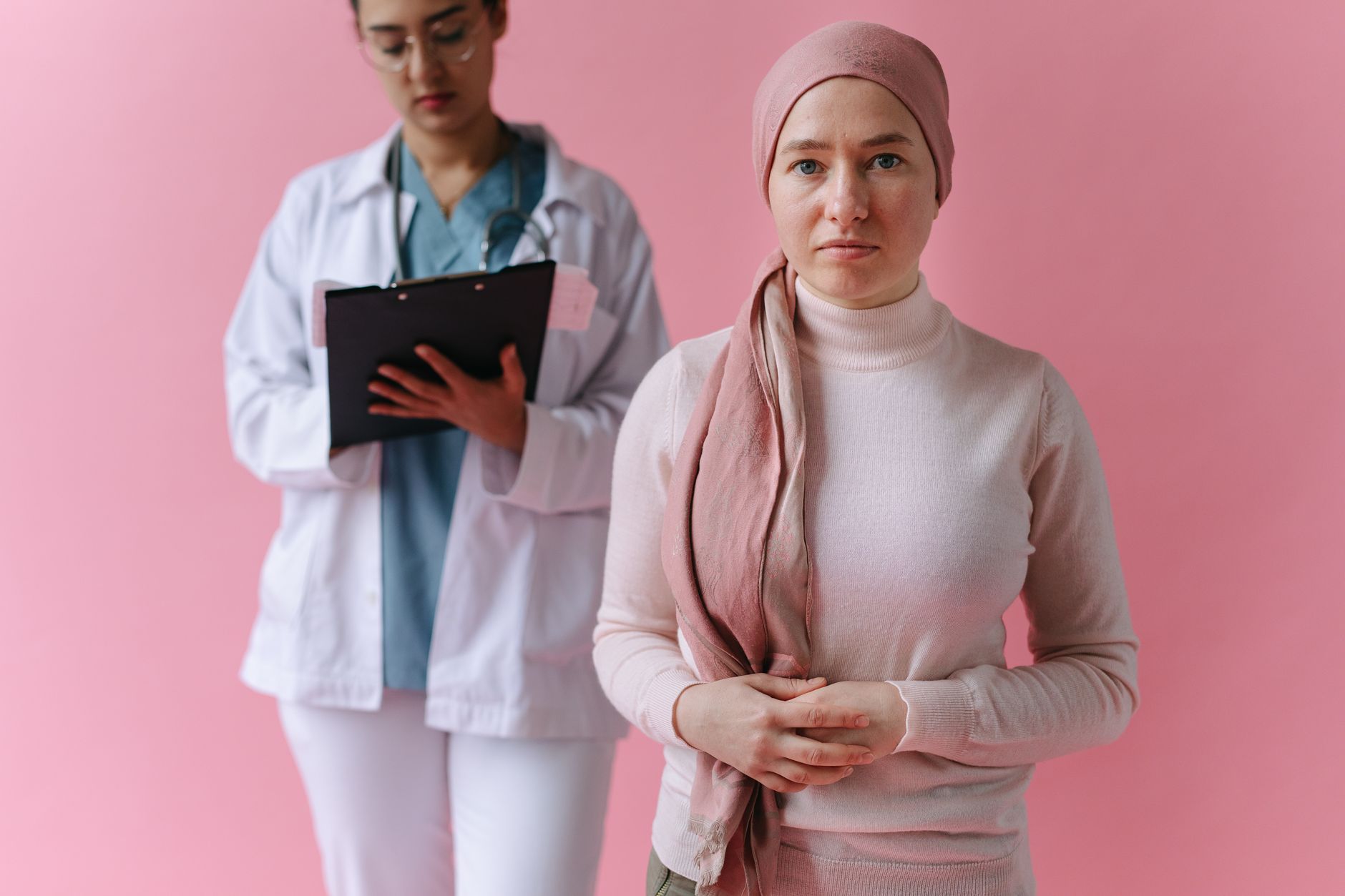
Oncology nursing in Türkiye is a recognised specialty, and day-unit nurses often hold additional certifications in chemotherapy administration, vascular access and symptom management. They are the professionals who get to know patients cycle by cycle, remembering not just the drug regimen but the side effects that troubled them last time, the foods they tolerate, and the questions they were afraid to ask the doctor.
This continuity matters enormously for international patients. Seeing a familiar nurse at each visit creates a thread of trust that runs through the entire treatment plan. Nurses explain each step in plain language, coordinate with interpreters when needed, and teach patients how to recognise and report side effects early. They also manage practicalities such as anti-nausea premedication, hydration, and port or catheter care.
Compassion is treated as a clinical skill. Nurses are trained to recognise distress, to give space when it is needed, and to involve family members appropriately. For patients who arrive alone, this can be deeply reassuring. Many hospitals also assign a primary nurse or case manager to each international patient, so there is always one familiar point of contact who understands the full picture.
Multilingual Coordinators: Removing Language and Logistics Barriers
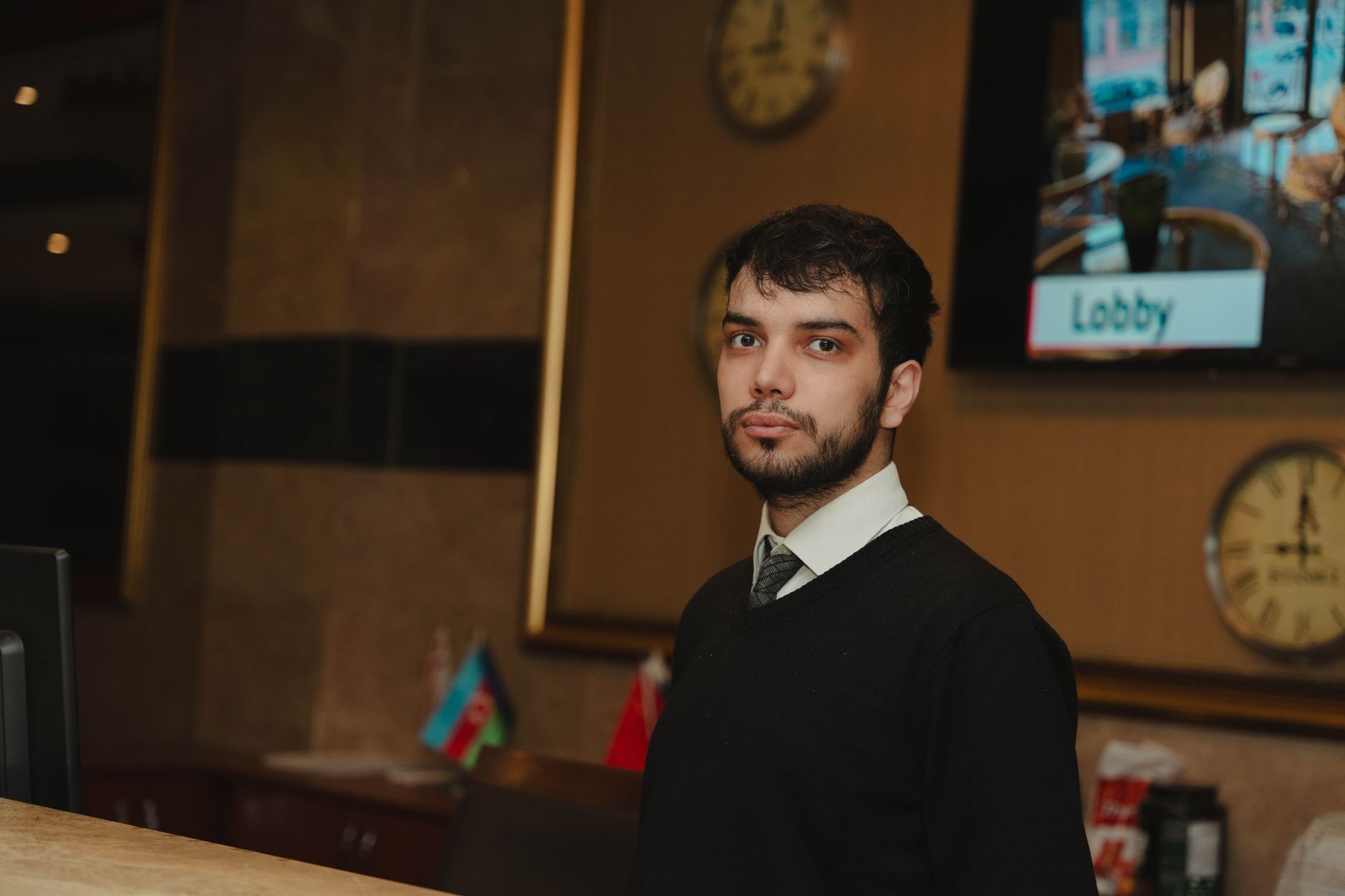
Language is one of the biggest hidden stresses in medical travel, and Turkish hospitals have responded by building multilingual patient-coordination teams. These coordinators speak English, Arabic, Russian, German, French and other languages depending on the hospital and its patient mix. They are involved from the first enquiry, helping to collect records, schedule appointments and explain what a treatment cycle will involve.
During a visit, the coordinator often acts as a bridge: interpreting between patient and oncologist, translating consent forms, explaining medication instructions, and helping with appointment changes. They also assist with non-medical logistics such as airport transfers, accommodation near the hospital, and advice on diet and rest between sessions. This reduces the cognitive load on patients and families, who can focus on recovery rather than administration.
Just as importantly, coordinators help set realistic expectations. They explain that chemotherapy is a marathon, not a sprint, and that some cycles may need to be adjusted based on blood counts or side effects. Because they are in daily contact with the oncology team, they can often resolve issues quickly without the patient having to navigate multiple departments alone.

Scheduling Treatment Cycles Around Travel and Daily Life
One of the most practical questions international patients ask is whether chemotherapy can be fitted around travel. In many cases, the answer is yes. Turkish oncology teams are experienced in planning cycles for visitors, and they understand that patients may need to return home between treatments or combine care with family commitments. Regimens that are given every two, three or four weeks often allow a window for travel, provided blood counts and fitness are confirmed before departure.
Coordinators work with patients to map out a cycle calendar in advance. They identify which days require hospital attendance, which days are for blood tests, and which days are likely to be most tiring. This lets patients book flights and accommodation with confidence. If a cycle needs to be delayed because of low blood counts or an infection, the team communicates early so travel plans can be adjusted without panic.
For patients staying in Türkiye for several cycles, hospitals can often arrange a regular slot — for example, every second Tuesday morning — which brings rhythm and predictability to an otherwise uncertain period. Some units offer evening or weekend appointments for selected regimens, making it easier for accompanying family members to balance work and caregiving. The underlying principle is flexibility within safety: schedules can bend, but clinical standards do not.
Sharing Records with Your Home Oncologist: Continuity Across Borders
Continuity of care is the backbone of safe chemotherapy, and Turkish hospitals take record-sharing seriously. Before treatment begins, the international patient office collects the patient's existing oncology history: pathology reports, imaging, operative notes, previous chemotherapy regimens, and current medications. These are reviewed by the treating oncologist, often with translation support, to ensure the plan builds on what has come before rather than starting from scratch.
During treatment, detailed records are maintained in the hospital's electronic system: drugs, doses, infusion times, premedications, vital signs, laboratory results and adverse events. After each cycle, patients can request a structured summary — usually in English and sometimes in other languages — that documents what was given and how it was tolerated. This summary can be sent directly to the home oncologist by secure email or made available through a patient portal.
When patients return home, the Turkish team can provide a full discharge or interim report, including recommendations for monitoring, dose adjustments and follow-up tests. Many hospitals also offer video or phone consultations to discuss the transition with the home team. This two-way communication reduces the risk of duplicated tests, conflicting advice or gaps in monitoring, and it gives patients a single coherent story of their care.
For patients who continue treatment partly in Türkiye and partly at home, this record-sharing becomes a bridge. The home oncologist can see exactly what was administered, and the Turkish team can receive updated scans and blood results for the next cycle. The result is a shared plan that respects both systems and keeps the patient at the centre.
Safety, Side-Effect Management and Support Between Cycles
Chemotherapy day units in Türkiye are built around proactive side-effect management. Before each infusion, patients are assessed for nausea, fatigue, neuropathy, mouth sores, fever and other symptoms. Anti-emetic regimens are tailored to the specific drugs being used, and hydration is monitored closely. If a patient is not fit for treatment on a given day, the team says so clearly and reschedules, because safety always outranks the calendar.
Patients leave each session with written instructions in their preferred language: which medications to take, what warning signs to watch for, and who to call at any hour. Most hospitals provide a 24-hour oncology helpline or a direct contact for international patients. This is especially important for visitors, who may not have a local family doctor to turn to. Fever, uncontrolled vomiting, bleeding or breathlessness are treated as urgent, and patients are guided to the right facility immediately.
Support extends beyond medication. Many units offer dietitian consultations, psychological support and gentle rehabilitation advice. Some hospitals run patient education sessions or support groups, and coordinators can connect international patients with others who have gone through similar treatment. These small acts of connection make a long course of chemotherapy feel less isolating.
Practical Tips for International Patients Planning Chemotherapy in Türkiye
Preparation makes a visible difference. Gather your medical records early, including pathology slides or blocks if requested, and ask for them in a format that can be shared digitally. Confirm the language support available at your chosen hospital and request an interpreter for key consultations. Check whether your insurance or embassy has preferred hospitals, and clarify payment and billing procedures before the first cycle.
- Choose a hospital with a dedicated day unit rather than a general infusion service; oncology-specific nursing and pharmacy make a real difference.
- Ask for a written cycle plan with dates, drugs, expected side effects and rest days, so you can plan travel realistically.
- Confirm record-sharing arrangements with your home oncologist before you leave, including who will send and receive reports.
- Stay within easy reach of the hospital during the first cycle, then adjust accommodation once you know how you tolerate treatment.
- Keep a simple symptom diary between visits; nurses can act on patterns you might otherwise forget to mention.
Türkiye's chemotherapy day units are not trying to replace the care patients receive at home. They are offering a safe, compassionate and well-organised extension of it — a place where treatment can continue without pause, where nurses know your name, and where coordination across borders is treated as part of the medicine. For many international patients, that continuity is the most valuable comfort of all.
Thinking about treatment in Turkey?
Share your contact details and a verified doctor will follow up with a plan built around you — free, no obligation.