

Why Türkiye for Advanced Mood Disorder Treatment?
Türkiye has quietly become one of the world's most trusted destinations for international patients seeking advanced psychiatric care. Its university hospitals and JCI-accredited private clinics combine evidence-based protocols with a level of human warmth that many patients describe as transformative. For those living with severe depression, bipolar disorder, or treatment-resistant mood conditions, Türkiye offers hospital-based programmes that integrate modern electroconvulsive therapy (ECT), transcranial magnetic stimulation (TMS), ketamine infusion protocols, and intensive psychotherapy under one coordinated roof.
What sets Türkiye apart is not only clinical excellence but the culture of care. Psychiatric units in cities such as Istanbul, Ankara, and Izmir are designed to feel less like institutions and more like healing environments. Natural light, family-friendly visiting policies, and multidisciplinary teams that include psychiatrists, anaesthesiologists, psychiatric nurses, psychologists, and social workers create a safety net around every patient. International departments are accustomed to coordinating with overseas referring physicians, translating medical records, and arranging everything from airport pickup to long-term outpatient follow-up.
For patients who have cycled through multiple medications without relief, Türkiye's hospital-based ECT and mood disorder programmes represent a credible, dignified option. The country's regulatory framework for ECT is rigorous, anaesthesia standards are high, and consent processes are thorough, ensuring that treatment is both ethical and effective.
Understanding Hospital-Based Electroconvulsive Therapy
Electroconvulsive therapy remains one of the most effective treatments for severe, life-threatening depression, catatonia, and refractory bipolar disorder. In Türkiye's leading psychiatric hospitals, ECT is administered under general anaesthesia with muscle relaxants, using brief-pulse, seizure-threshold titration to minimise cognitive side effects. Treatments are typically delivered two to three times per week for a total of six to twelve sessions, depending on clinical response.
The procedure itself lasts only a few minutes, but the care surrounding it is comprehensive. Pre-ECT workup includes cardiology clearance, blood tests, cognitive screening, and dental assessment. During each session, a dedicated anaesthesia team monitors vital signs continuously. Patients recover in a quiet observation area with a nurse at their side, and most are able to return to their room within an hour.
Turkish hospitals have embraced modern ECT practices that reduce stigma and improve outcomes. Unilateral electrode placement is preferred when clinically appropriate, and cognitive monitoring is performed throughout the course. Maintenance ECT, delivered on an outpatient basis, is available for patients who need ongoing prophylaxis against relapse. For international patients, the treating team provides detailed documentation of each session, including seizure quality, anaesthetic agents used, and cognitive scores, so that care can continue seamlessly at home.
The Practical Journey: From Pre-Assessment to Arrival
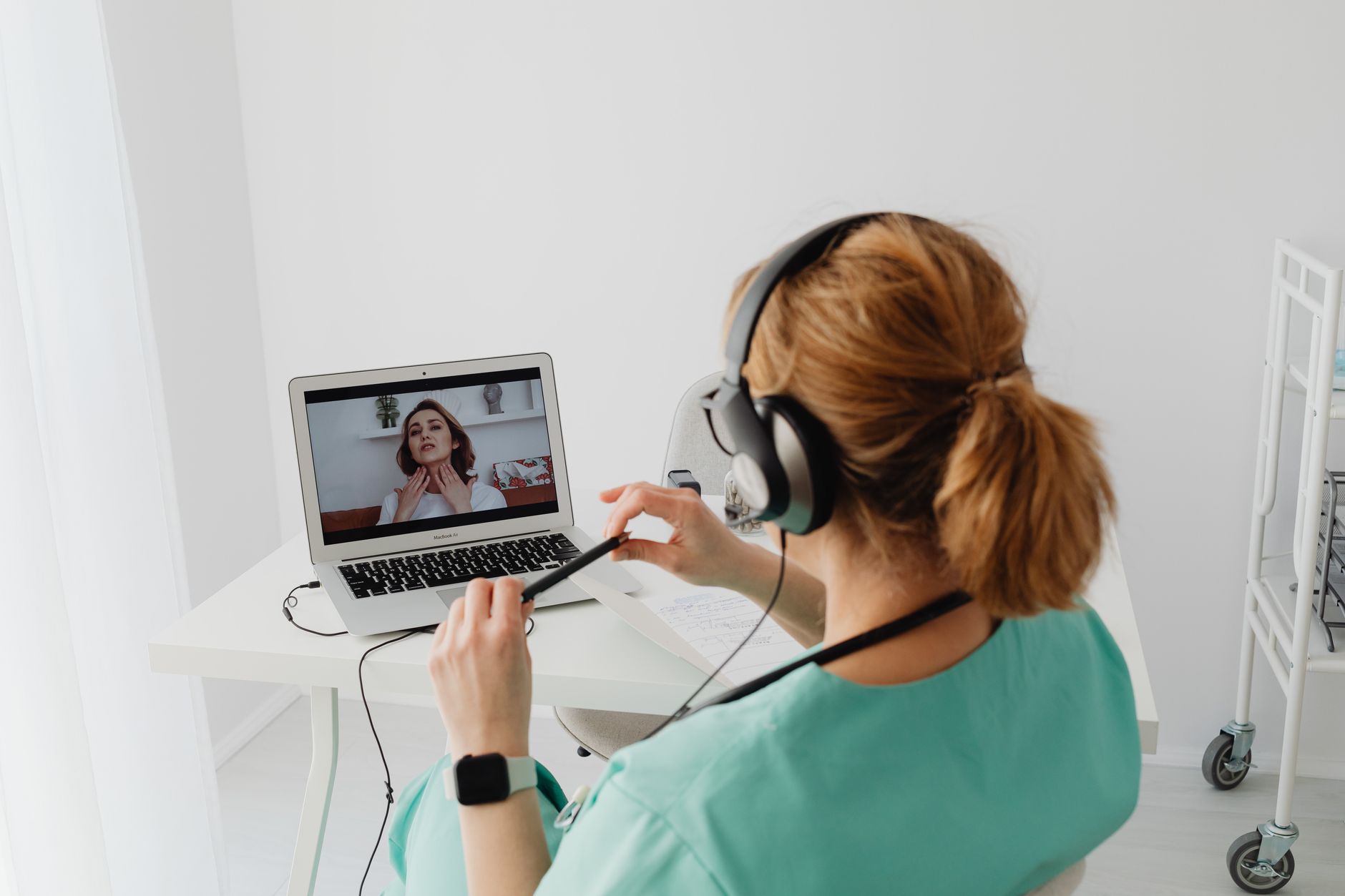
Every successful treatment journey begins long before departure. Türkiye's international patient departments offer structured pre-assessment packages. Patients submit psychiatric history, medication lists, recent blood work, ECG, and any neuroimaging. A consultant psychiatrist reviews the file and conducts a video consultation, often with a medical interpreter present. During this session, the team explains whether ECT, TMS, or another intensive modality is appropriate, outlines the expected number of sessions, and provides a provisional cost estimate.
Once a treatment plan is agreed, the hospital issues an invitation letter for visa purposes and helps coordinate travel dates. Many clinics partner with nearby hotels or guest residences that offer medical-tourism rates, and some provide on-site accommodation for family members. The international office can arrange airport transfers, assist with insurance paperwork, and schedule pre-anaesthesia consultations for the day after arrival.
On admission, patients undergo a comprehensive evaluation that includes a psychiatric interview, physical examination, cognitive testing, and laboratory work. This baseline assessment is crucial for measuring progress objectively. The first ECT session is usually scheduled within two to three days of arrival, allowing time for any medication adjustments and for the patient to rest after travel.

Family Involvement and Multilingual Psychological Support
Türkiye's psychiatric teams recognise that mood disorders affect entire families, not just individuals. Family involvement is encouraged from the pre-assessment stage through discharge planning. With the patient's consent, clinicians hold family conferences, explain the rationale for ECT, address fears and misconceptions, and teach family members how to recognise early warning signs of relapse.
Language is never a barrier to compassionate care. Leading hospitals employ or contract professional medical interpreters fluent in English, Arabic, Russian, German, French, and other languages. Interpreters attend ward rounds, psychoeducation sessions, and family meetings. Psychologists provide individual and group therapy in the patient's native language whenever possible, and written materials are translated accordingly. This multilingual psychological support extends to nursing staff, who are trained to communicate empathy across cultural divides.
For many international patients, the experience of being listened to in their own language while receiving highly technical treatment is profoundly healing. Turkish hospitals also respect cultural and religious needs, offering prayer rooms, halal and kosher meal options, and privacy arrangements that align with personal values. The goal is to treat the whole person, not just the diagnosis.

Intensive Mood Disorder Programmes: What to Expect
Beyond ECT, Türkiye's hospital-based mood disorder programmes offer a structured, multidisciplinary approach. A typical day might include individual psychotherapy, cognitive remediation, group therapy, art or movement therapy, and medication management. Psychiatrists, psychologists, nurses, occupational therapists, and dietitians meet daily to review each patient's progress and adjust the plan. This intensity is designed for patients who need more than weekly outpatient visits.
Programmes are tailored to specific conditions. For bipolar disorder, the focus is on mood stabilisation, sleep regulation, and psychoeducation about triggers. For treatment-resistant depression, ECT or ketamine augmentation may be combined with behavioural activation and cognitive therapy. For patients with comorbid anxiety or trauma, trauma-informed care is integrated carefully once acute symptoms are stabilised.
Turkish clinics emphasise functional recovery. Patients practise daily living skills, sleep hygiene, and stress management within the safe environment of the hospital. Nutritional support and gentle physical activity are encouraged. The atmosphere is one of collaboration rather than paternalism; patients are active participants in their treatment plans, and shared decision-making is standard practice.

Step-Down Outpatient Follow-Up and Returning Home
Discharge is not the end of care; it is a transition. Before leaving Türkiye, patients receive a detailed discharge summary in English (and often in their native language) that includes diagnosis, treatment course, medication schedule, cognitive test results, and recommendations for follow-up. The hospital's international office helps schedule a telepsychiatry appointment for two to four weeks after return, bridging the gap until local care is arranged.
Many Turkish hospitals offer step-down outpatient programmes for patients who wish to remain in the country a little longer while gradually reducing treatment intensity. These may include weekly ECT maintenance, individual therapy, and medication reviews. For those returning home immediately, the team coordinates with the patient's local psychiatrist or family doctor, sharing records securely and answering questions directly.
Relapse prevention is a core component. Patients and families receive a written relapse-prevention plan that identifies early warning signs, contact numbers for the Turkish team, and clear instructions on when to seek urgent help. Some clinics also offer remote cognitive monitoring and online support groups, ensuring that the therapeutic alliance continues across borders. This continuity of care is one of the most valued aspects of Türkiye's mood disorder programmes.
Clinical Excellence with Warm, Dignified Care
Türkiye's reputation in psychiatric care rests on a combination of rigorous clinical standards and genuine hospitality. Hospitals are equipped with modern ECT suites, EEG monitoring, and comfortable recovery areas. Infection control and patient safety protocols meet international benchmarks. Psychiatrists are often trained in Europe or North America and are active in international research, ensuring that patients receive the latest evidence-based treatments.
Yet what patients remember most is the kindness. Nurses who sit with them during anxious moments, psychiatrists who explain each step patiently, and staff who treat them as guests rather than cases. This blend of clinical excellence and warm, dignified care is particularly important for sensitive mental health needs, where trust and safety are prerequisites for healing.
For international patients considering hospital-based ECT or an intensive mood disorder programme, Türkiye offers a compelling combination: advanced treatment, transparent pricing, multilingual support, and a culture that values compassion. It is a destination where science and humanity meet, and where recovery is pursued with both skill and heart.
Thinking about treatment in Turkey?
Share your contact details and a verified doctor will follow up with a plan built around you — free, no obligation.