
Why Türkiye Is a Global Hub for Electrodiagnostic Testing
Türkiye has emerged as a leading destination for medical travellers seeking fast, accurate answers to complex neurological symptoms. At the heart of this reputation are hospital-based electrodiagnostic studies—EMG, nerve conduction studies (NCS) and evoked potentials (EP)—which allow neurologists to evaluate the health of nerves and muscles with remarkable precision. Unlike many healthcare systems where these tests are fragmented across multiple visits and weeks of waiting, Turkish neurology departments have streamlined the process so that international patients can undergo a full battery of electrodiagnostic tests in a single day.
The depth of Türkiye's diagnostic infrastructure is a key reason patients travel here. University hospitals and private medical centres in Istanbul, Ankara and Izmir are equipped with state-of-the-art EMG machines, temperature-controlled examination rooms, and dedicated neurophysiology laboratories. Many of these facilities are accredited by international bodies such as JCI, ensuring that the quality of care meets or exceeds Western European and North American standards. Crucially, the neurologists who perform these studies are often sub-specialised in neuromuscular disorders, meaning they bring a high level of expertise to every test.
Speed is another differentiator. In many countries, a patient may wait several weeks for an EMG appointment and then another week for results to be interpreted and sent to the referring physician. In Türkiye, the model is built around same-day service: you arrive in the morning, undergo the necessary tests, and by the afternoon you sit with a neurologist who explains the findings in clear, plain language. This rapid turnaround is not just convenient—it can be life-changing for patients with progressive conditions like ALS, myasthenia gravis or severe neuropathies, where early diagnosis directly impacts treatment options.
What Are Electrodiagnostic Studies? EMG, NCS and Evoked Potentials Explained
Electrodiagnostic studies are a group of tests that measure the electrical activity of nerves and muscles. They are used to diagnose conditions such as carpal tunnel syndrome, radiculopathy, peripheral neuropathy, muscular dystrophy, myasthenia gravis, and motor neuron disease. The three main types are electromyography (EMG), nerve conduction studies (NCS), and evoked potentials (EP). Together, they provide a comprehensive picture of how well your nerves conduct signals and how your muscles respond.
Electromyography (EMG) involves inserting a very thin needle electrode into specific muscles to record their electrical activity at rest and during contraction. This test can detect muscle damage, nerve injury, and disorders of the neuromuscular junction. While the needle insertion may cause brief discomfort, it is generally well tolerated and provides invaluable information that cannot be obtained through imaging alone.
Nerve Conduction Studies (NCS) use surface electrodes to stimulate nerves and record the speed and strength of the electrical impulses they carry. By comparing conduction velocities and amplitudes, neurologists can identify demyelinating conditions (where the nerve's protective sheath is damaged) or axonal loss (where the nerve fibre itself is damaged). NCS is particularly useful for diagnosing entrapment neuropathies like carpal tunnel syndrome and ulnar neuropathy.
Evoked Potentials (EP) measure the brain's electrical response to specific stimuli—visual, auditory, or somatosensory. Visual evoked potentials (VEP) are commonly used to detect optic neuritis, often associated with multiple sclerosis. Brainstem auditory evoked potentials (BAEP) assess the auditory pathways, while somatosensory evoked potentials (SSEP) evaluate the spinal cord and sensory pathways. These tests are non-invasive and provide objective evidence of neurological dysfunction that may not be visible on MRI.
The Patient Journey: What to Expect During Your Visit to a Turkish Neurology Department
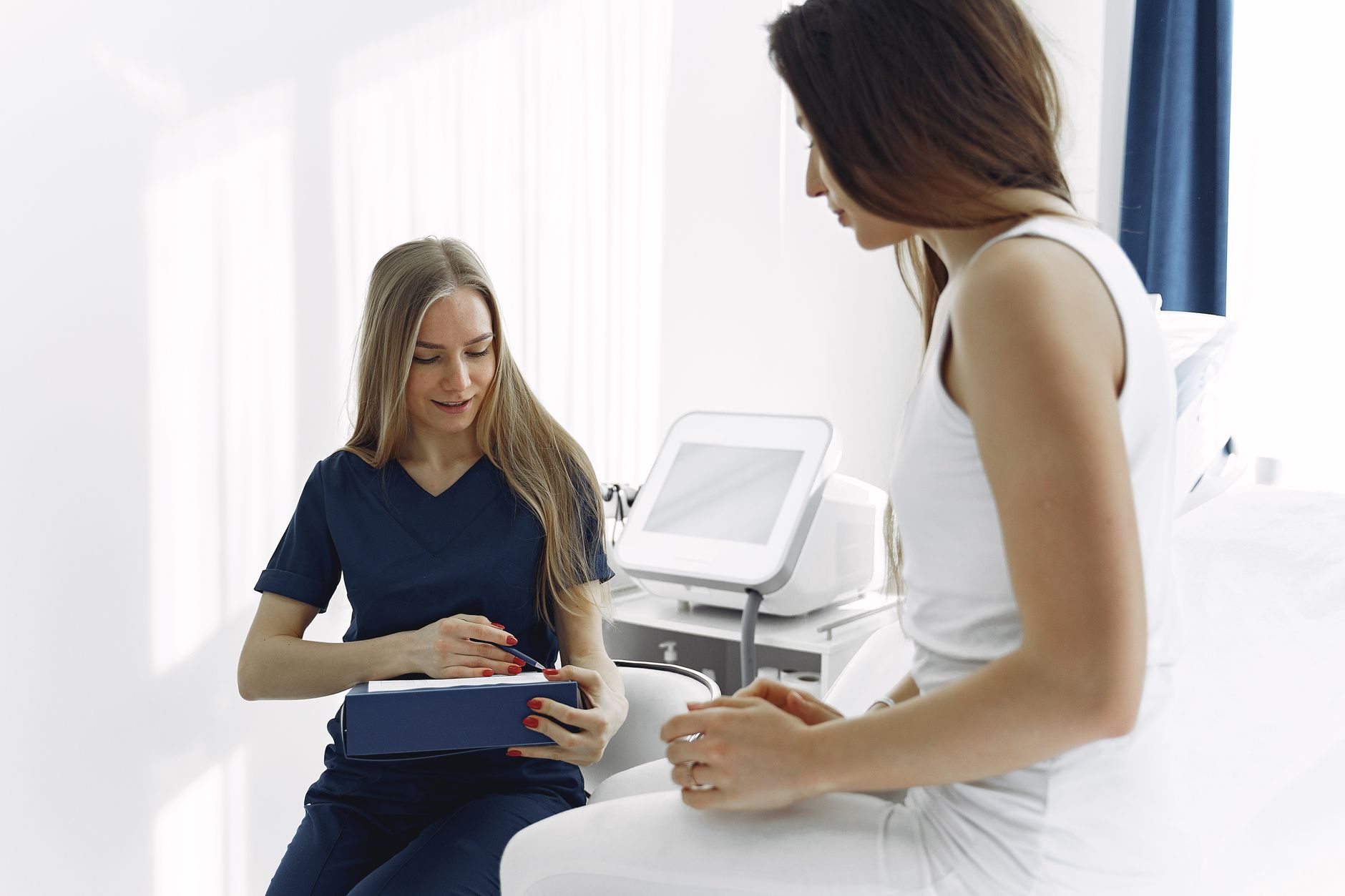
For international patients, the experience is designed to be efficient and stress-free. Upon arrival at the hospital, you will be greeted by a multilingual patient coordinator who will guide you through the process. Most facilities have English-speaking staff, and many can arrange interpreters for other languages. After a brief check-in, you will meet with a neurologist who will review your medical history, symptoms, and any previous test results. This consultation is crucial—it allows the neurologist to tailor the electrodiagnostic study to your specific condition.
The testing itself typically takes between 30 and 90 minutes, depending on the number of nerves and muscles being evaluated. The neurologist or a specialised technician will perform the tests in a dedicated EMG laboratory. You will be asked to lie down or sit comfortably. For NCS, small electrodes are placed on your skin and a mild electrical stimulus is applied; this feels like a quick tap or flutter. For EMG, the needle electrode is inserted into a few muscles; you may feel a small pinch, but the test is not usually painful. The entire procedure is safe and has virtually no side effects.
After the tests, you may have a short break while the neurologist analyses the data. In many Turkish hospitals, the results are available within a couple of hours. You will then have a face-to-face consultation where the neurologist explains the findings, shows you the tracings, and answers your questions. A written report in English—often with annotated graphs—is prepared for you to take home. This report can be shared with your doctor in your home country, ensuring continuity of care.
Speed and Communication: The Turkish Advantage for International Patients
One of the most compelling reasons patients choose Türkiye for electrodiagnostic testing is the speed at which answers are delivered. In a typical scenario, a patient from the UK or Germany might wait six to eight weeks for an EMG appointment and then another week or two for results. In Türkiye, the entire process—from initial consultation to final report—can be completed in a single day. This is particularly important for patients with rapidly progressing symptoms or those who have been living with uncertainty for months.
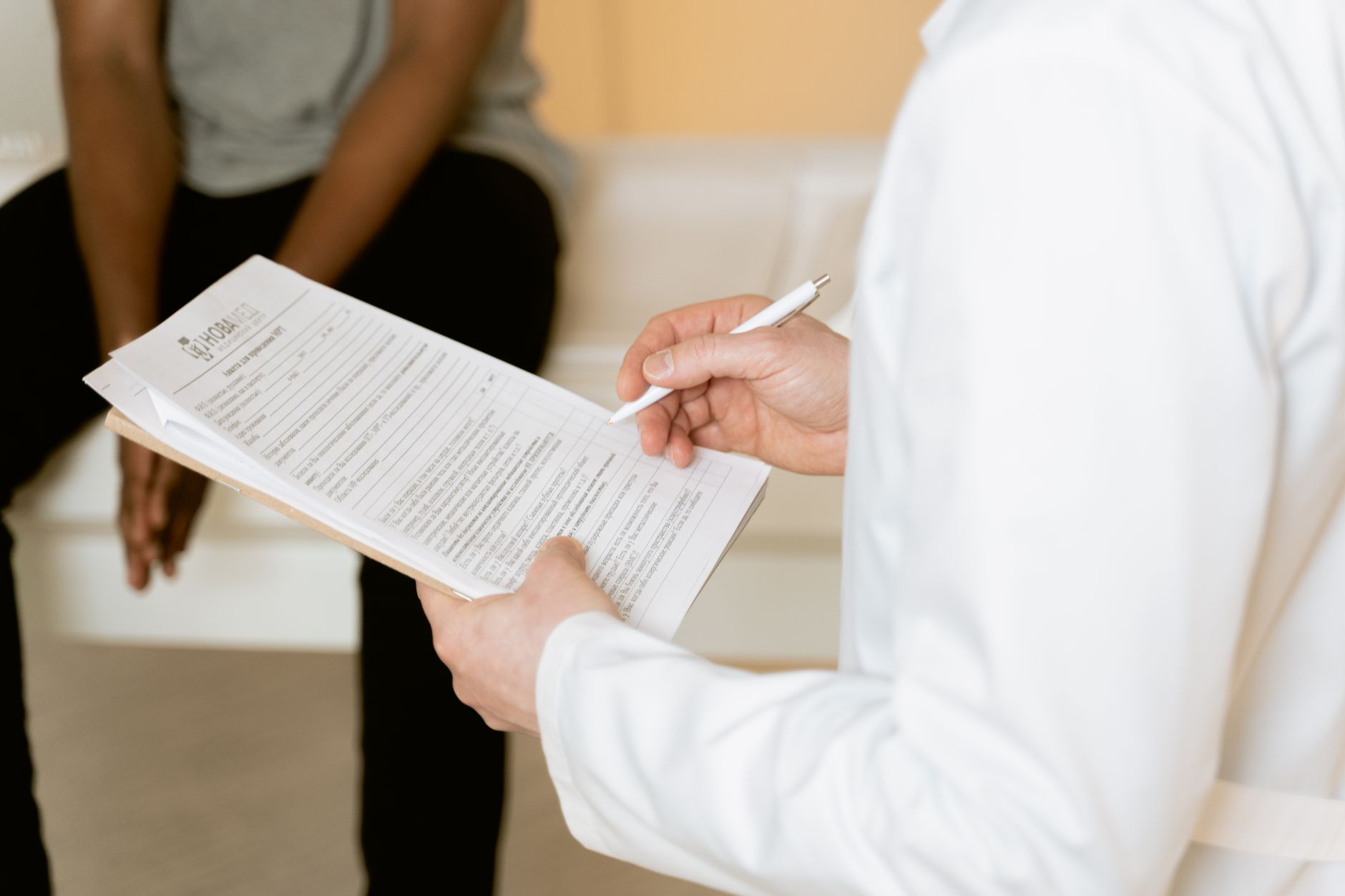
Clear communication is another cornerstone of the Turkish approach. Neurologists are trained to explain complex neurophysiological concepts in simple terms. They understand that patients are often anxious and need to grasp what the results mean for their treatment. Many hospitals provide written summaries that include a plain-language explanation alongside the technical data. If you have questions, the neurologist will take the time to address them thoroughly.
Moreover, Turkish hospitals are accustomed to collaborating with international physicians. With your consent, they can send your results directly to your home doctor via secure email or a patient portal. This seamless sharing ensures that your local healthcare provider can integrate the findings into your ongoing care plan. Some facilities even offer follow-up video consultations to discuss any additional questions that arise after you return home.
How Türkiye's Diagnostic Depth Sets It Apart
Türkiye's neurology departments are not just fast—they are thorough. Many centres have sub-specialised teams for neuromuscular disorders, epilepsy, multiple sclerosis, and movement disorders. This means that the neurologist interpreting your EMG is likely a specialist who performs hundreds of these studies each year. The equipment is regularly calibrated and updated, and laboratories adhere to international guidelines set by organisations such as the American Association of Neuromuscular & Electrodiagnostic Medicine (AANEM).
In addition to standard EMG and NCS, Turkish hospitals offer advanced techniques like single-fibre EMG (for myasthenia gravis), quantitative sensory testing, and autonomic function tests. They can also perform repetitive nerve stimulation to diagnose neuromuscular junction disorders. This comprehensive range of testing under one roof means that patients often receive a definitive diagnosis without being referred elsewhere.
The depth of diagnostic capability is complemented by access to cutting-edge imaging and genetic testing. If an electrodiagnostic study reveals a pattern suggestive of a hereditary neuropathy, the hospital can arrange for genetic testing on the same trip. Similarly, if a nerve root compression is suspected, an MRI can be performed promptly. This integrated approach saves time and reduces the need for multiple trips.
Preparing for Your Electrodiagnostic Appointment in Türkiye
To make the most of your visit, a little preparation goes a long way. First, gather all relevant medical records, including previous EMG/NCS reports, MRI images, and a list of medications. Some medications, such as blood thinners, may need to be adjusted before the test; your neurologist will advise you. On the day of the test, avoid using lotions or oils on your skin, as they can interfere with electrode placement. Wear loose, comfortable clothing that allows easy access to your arms and legs.
It is also helpful to write down your symptoms and questions in advance. The neurologist will want to know when your symptoms started, what makes them better or worse, and whether you have a family history of neurological conditions. Being open about your concerns will help the neurologist tailor the study to your needs.
Finally, consider bringing a companion who can take notes during the consultation. While the neurologist will provide a written report, having a second set of ears can be reassuring. Many Turkish hospitals also offer the option of recording the consultation (with permission) for later review.
Frequently Asked Questions About Electrodiagnostic Studies in Türkiye
Are these tests painful? Most patients describe the electrical stimulation as a mild tingling or tapping sensation. The needle EMG may cause a brief discomfort, but it is not typically painful. The neurologist will do their best to minimise any discomfort.
How long does the entire process take? The consultation and testing usually take half a day. You can expect to have your results explained the same day, often within a few hours.
Will my insurance cover the tests? Many international insurance plans cover electrodiagnostic studies. Turkish hospitals often work with international insurance providers and can assist with paperwork. It is advisable to check with your insurer before travelling.
Can I combine this with other medical treatments? Yes. Many patients combine electrodiagnostic testing with other procedures or consultations. The patient coordinator can help you schedule multiple appointments efficiently.
Is the report in English? Yes, by default, reports are provided in English. If you need it in another language, the hospital can arrange for a translation.
Conclusion: Fast, Accurate Answers in Türkiye
For international patients grappling with nerve or muscle symptoms, Türkiye offers a compelling combination of diagnostic depth, speed, and clear communication. Hospital-based electrodiagnostic studies—EMG, NCS, and evoked potentials—are performed by experienced specialists using advanced equipment, and results are typically delivered the same day. This efficiency not only reduces anxiety but also accelerates the path to treatment. With English-speaking staff and a patient-centred approach, Turkish neurology departments have become a trusted destination for those seeking answers. If you are considering travelling for electrodiagnostic testing, Türkiye stands out as a place where you can get to the bottom of your condition quickly and confidently.
Thinking about treatment in Turkey?
Share your contact details and a verified doctor will follow up with a plan built around you — free, no obligation.