

Why Türkiye Leads in Sensitive, Evidence-Based Pelvic Health
Türkiye has quietly become one of the world's most trusted destinations for pelvic health rehabilitation. What sets the country apart is not simply modern hospitals or competitive pricing, but a genuinely integrated model of care in which specialist physiotherapists work side by side with gynaecologists, urologists, and colorectal surgeons. For patients living with chronic pelvic pain, urinary or faecal incontinence, pelvic organ prolapse, or the after-effects of prostate, hysterectomy, or endometriosis surgery, this multidisciplinary approach can be life-changing.
The evidence base for pelvic floor physiotherapy is robust. Randomised controlled trials consistently show that supervised pelvic floor muscle training outperforms unsupervised exercise for stress urinary incontinence, chronic pelvic pain, and post-prostatectomy continence recovery. Turkish hospital programmes are built directly on this evidence, combining manual therapy, biofeedback, electrical stimulation, and progressive strength work rather than offering vague 'kegel advice'.
Perhaps most importantly, Turkish clinics have learned how to make pelvic rehabilitation dignified. Private treatment rooms, female therapists for female patients on request, clear chaperoning policies, and unhurried consultations mean international patients are never rushed or embarrassed. For many people who have spent years feeling dismissed in their home countries, this combination of scientific rigour and human warmth is the reason they travel.
The Integrated Team: Surgeons and Physiotherapists Working as One
In Türkiye's leading private and university-affiliated hospitals, the gynaecologist or urologist does not simply hand the patient a leaflet after surgery. Instead, the physiotherapy team is involved from the pre-operative stage. A baseline assessment measures pelvic floor strength, endurance, coordination, and relaxation capacity, along with core function and breathing mechanics. This baseline shapes the entire rehabilitation plan.
After surgery, the surgeon and physiotherapist communicate directly — often through shared digital records and joint ward rounds — to agree on when to begin gentle activation, when to progress loading, and when to introduce impact or return-to-sport work. This matters enormously. Too much too soon can compromise healing; too little too late allows muscle inhibition and fear-avoidance to set in. Turkish teams navigate this balance with protocols tailored to the exact procedure performed.
Urologists treating men after radical prostatectomy, for example, coordinate with physiotherapists who specialise in continence recovery and erectile rehabilitation. Gynaecologists managing prolapse or endometriosis collaborate with therapists trained in visceral mobilisation, scar desensitisation, and deep abdominal coordination. The result is a seamless journey in which every professional speaks the same language and the patient is never left to guess what comes next.
"Rehabilitation does not begin after the wound heals — it begins the moment the surgical plan is made." This principle, repeated across Turkish pelvic health units, is what transforms recovery from a gamble into a predictable pathway.
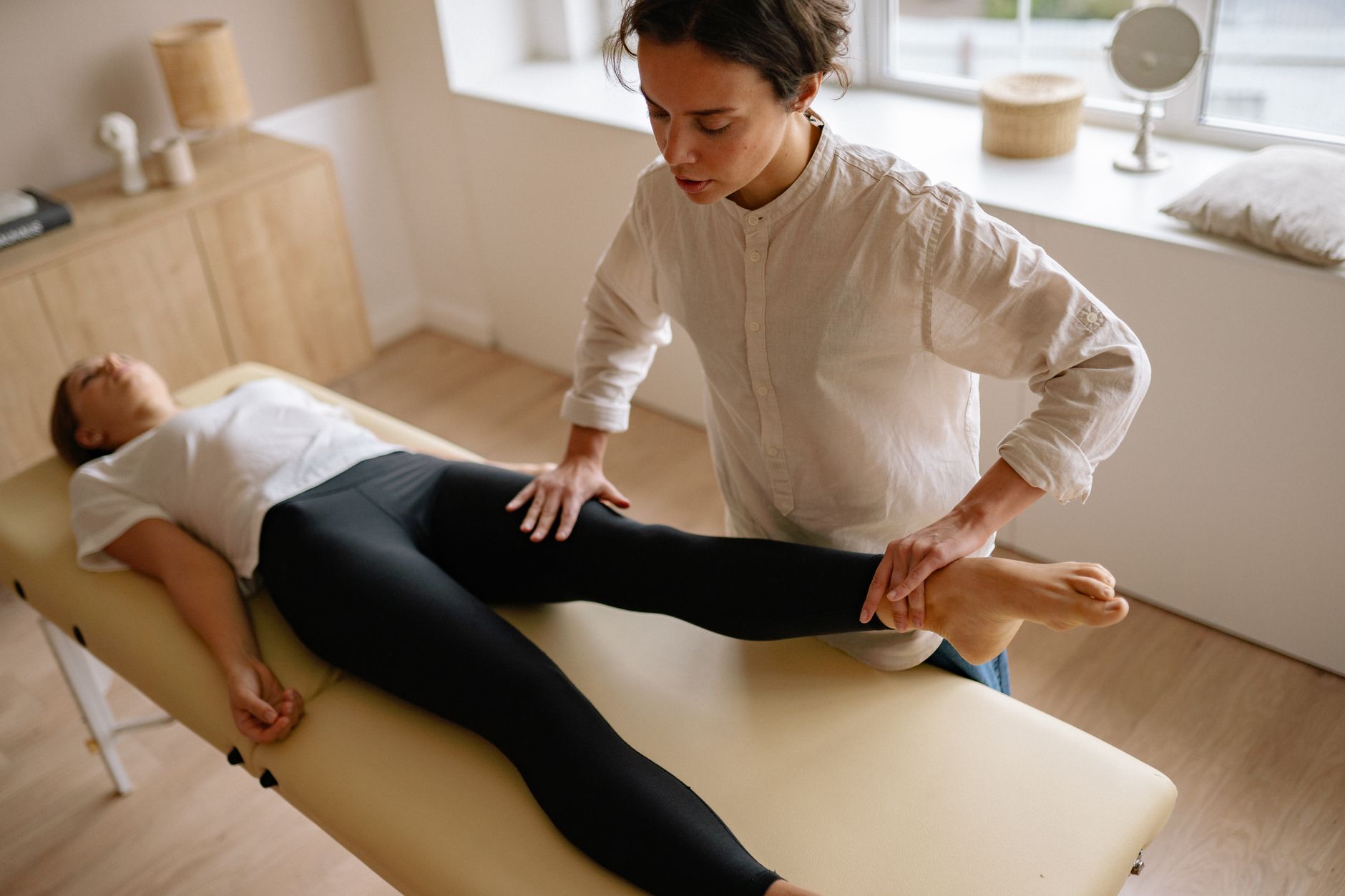
What a Typical One-Week Treatment Block Looks Like
A one-week medical trip is usually chosen by patients with chronic pelvic pain, mild prolapse, or those seeking assessment and a home programme. The week typically opens with a 60–90 minute evaluation: a detailed history, ultrasound or biofeedback assessment of pelvic floor function, posture and breathing analysis, and a discussion of goals. Many patients are surprised to learn that their pain relates to an overactive, non-relaxing pelvic floor rather than weakness — a distinction that changes treatment entirely.
Days two through five usually involve one to two therapy sessions daily, each lasting 45–60 minutes. A typical session might combine manual therapy to release trigger points, down-training exercises to teach the pelvic floor to relax, diaphragmatic breathing, and graded core activation. Biofeedback — using sensors and a screen to visualise muscle activity — is used liberally, because it accelerates learning and gives patients objective proof of progress.
By the final day, the physiotherapist consolidates gains, reviews a written home programme with pictures and videos, and provides a follow-up plan including tele-rehabilitation appointments. Patients leave with a clear understanding of their condition, a realistic timeline, and the confidence to continue safely at home.
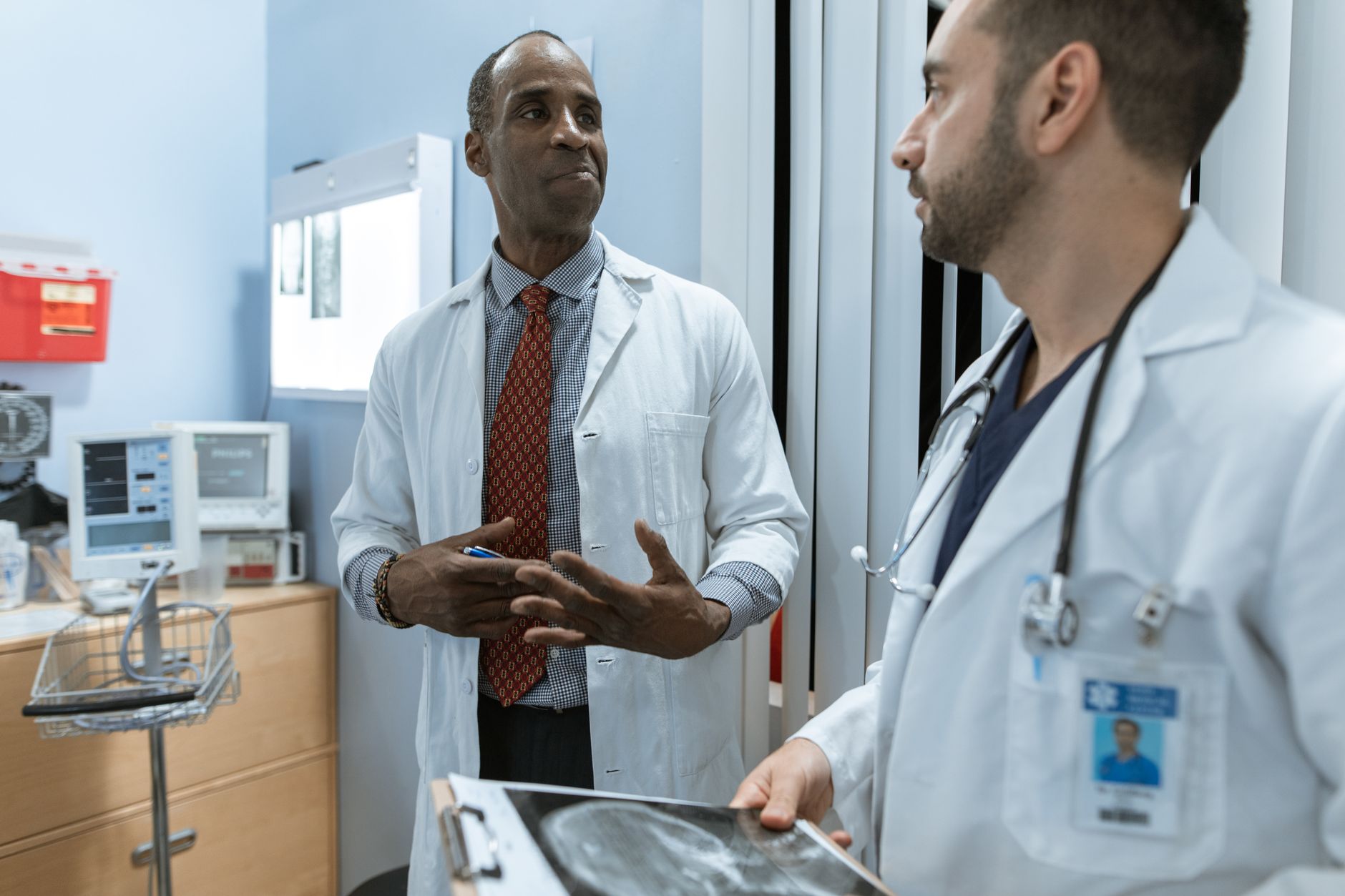
What a Two-Week Treatment Block Adds
Two-week programmes are recommended for post-surgical patients — particularly after prostatectomy, hysterectomy, or complex endometriosis excision — and for those with severe or long-standing pelvic pain. The extra week allows the therapist to progress loading more gradually and to introduce modalities that need cumulative exposure, such as electrical stimulation for muscle re-education or shockwave therapy for scar tissue and trigger points.
The second week often includes functional retraining: practising transfers, lifting mechanics, and bladder or bowel routines that mirror daily life. Patients may also be introduced to gentle Pilates-based or clinical exercise in small groups, always supervised, to rebuild global strength and endurance without provoking pelvic symptoms. Where surgery was recent, the surgeon reviews healing at intervals and adjusts restrictions accordingly.
By the end of two weeks, most patients report meaningful reductions in pain, improved continence, and a greatly expanded sense of what their body can do. The programme deliberately avoids the trap of dependency: the goal is always to send patients home with skills, not with a need for endless therapy.
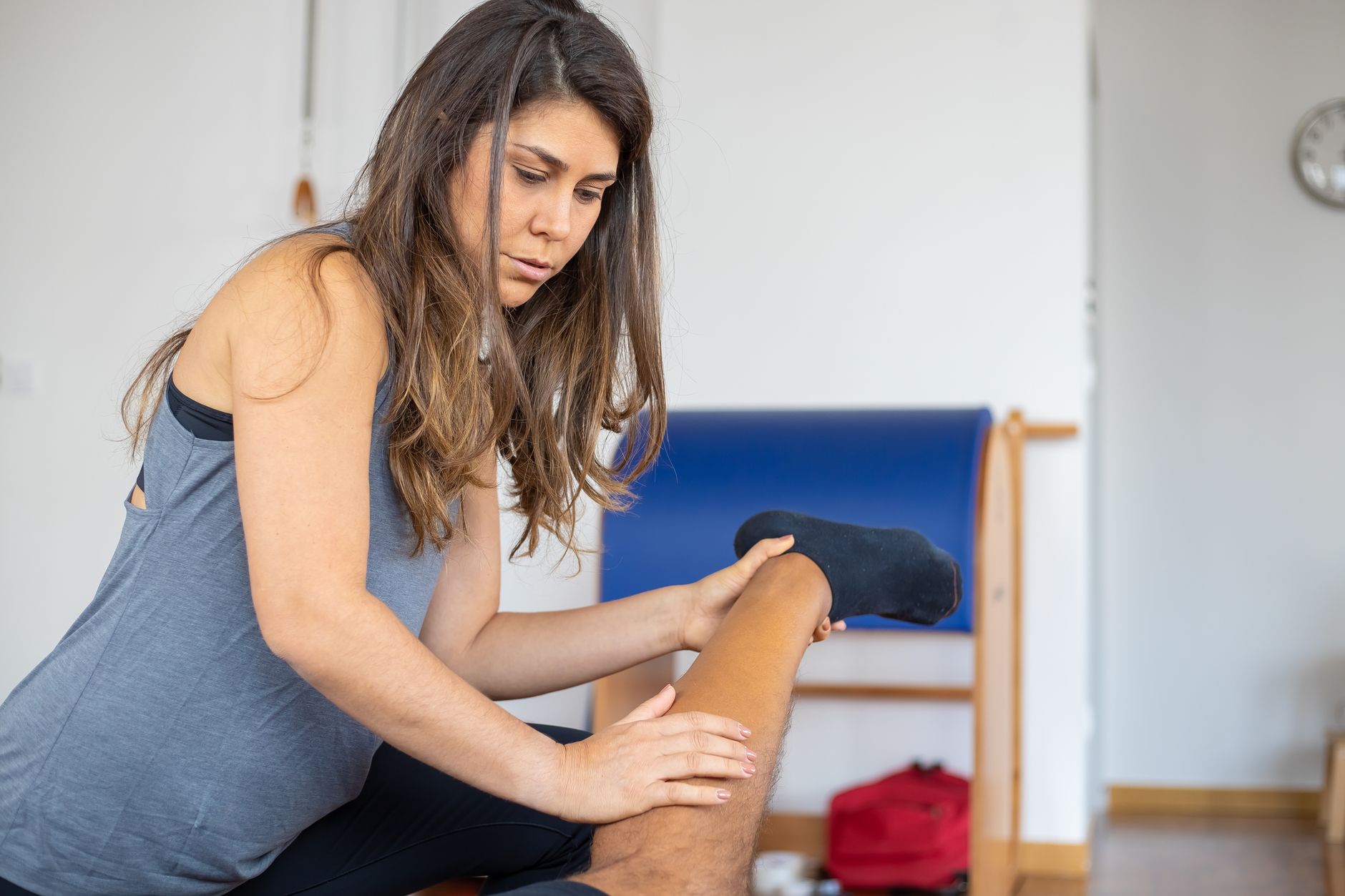
Home Exercise Planning: The Part That Determines Long-Term Success
Turkish physiotherapists are meticulous about home programming because they know that what happens after the trip matters more than what happens during it. Every patient receives a written plan, usually available in English, Arabic, Russian, or German, with clear frequency, duration, and progression rules. Exercises are chosen for practicality — most can be done in ten to fifteen minutes a day without special equipment.
A typical plan includes relaxation or down-training work for the pelvic floor, diaphragmatic breathing, graded core and hip strengthening, and functional tasks such as sit-to-stand or step-ups. Crucially, patients are taught warning signs: what discomfort is acceptable during healing and what should prompt a pause or a call to the clinic. This reduces the anxiety that so often leads people to abandon rehabilitation.
Follow-up is structured rather than optional. Most clinics schedule video consultations at two, six, and twelve weeks, and some offer app-based messaging with the treating physiotherapist. This continuity is one of the strongest reasons international patients choose Türkiye: the therapeutic relationship does not end at the airport.

Conditions Commonly Treated and How to Choose a Clinic
Türkiye's pelvic health programmes address a wide spectrum: chronic pelvic pain syndrome, vulvodynia, interstitial cystitis, dyspareunia, post-prostatectomy incontinence, erectile dysfunction, post-hysterectomy core weakness, diastasis recti, pelvic organ prolapse, faecal incontinence, and post-partum rehabilitation. Many clinics also support patients before and after gender-affirming pelvic surgery, a niche in which Turkish teams have developed considerable sensitivity and expertise.
When choosing a clinic, look for hospitals with dedicated pelvic health physiotherapists rather than general rehabilitation departments. Ask whether the physiotherapist has postgraduate training in pelvic floor therapy, whether biofeedback and electrical stimulation are available, and how communication with the surgeon is handled. Accreditation such as JCI, ISO certification, and membership of international continence societies are useful signals of quality.
It also helps to ask about language support and chaperoning. The best Turkish clinics assign an international patient coordinator who arranges interpretation, transfers, and accommodation near the hospital, so the patient can focus entirely on recovery. For a sensitive condition, this logistical ease is not a luxury — it is part of the treatment.
Framing Your Trip: Practicalities and Expectations
Most patients fly into Istanbul or Ankara and stay in a hotel within walking distance of the hospital. Treatment packages usually include assessment, therapy sessions, biofeedback, a written home programme, and follow-up video calls; surgical fees are quoted separately where relevant. It is wise to request a written treatment plan and cost breakdown before booking, and to confirm what happens if additional sessions are needed.
Recovery timelines vary. Chronic pelvic pain often responds within weeks but continues improving over months. Post-surgical continence typically shows steady gains over three to six months with consistent home practice. Turkish physiotherapists are honest about this, setting milestones rather than promising miracles — a sign of a programme grounded in evidence rather than marketing.
For international patients, the combination of specialist expertise, seamless surgeon–physiotherapist collaboration, and a culture that treats pelvic health with dignity makes Türkiye a genuinely leading destination. Whether you are seeking relief from years of pain or rebuilding your core after surgery, the country's hospital-based programmes offer a structured, compassionate, and scientifically sound path forward.
Thinking about treatment in Turkey?
Share your contact details and a verified doctor will follow up with a plan built around you — free, no obligation.