
Why a Thyroid Nodule Biopsy Abroad Can Feel Overwhelming — and How Türkiye Makes It Simple
Finding a thyroid nodule is common. Most are benign, but the word "nodule" arrives with a quiet weight: Is it cancer? Do I need surgery? How long until I know? In many health systems, the answer stretches across weeks or even months — one appointment for the ultrasound, another referral for the biopsy, a third visit for results, and perhaps a fourth to discuss what comes next. For international patients, that timeline can feel impossible to manage across borders.
Türkiye has built a different pathway. In Istanbul and other major Turkish cities, hospital-based thyroid nodule biopsy is designed as a compact, coordinated episode of care: ultrasound and fine needle aspiration (FNA) in the morning, pathology review accelerated, and a specialist explaining your results — often within the same trip. For many patients, this means turning a season of uncertainty into a clear plan before they return home.
This guide walks you through how the process works, why Turkish clinics can move so efficiently, what a realistic same-trip timeline looks like, and how to prepare so that your medical journey feels calm, informed and empowering rather than rushed.
Understanding Thyroid Nodules and Why Biopsy Matters
Thyroid nodules are discrete growths within the thyroid gland, a butterfly-shaped organ at the base of your neck that regulates metabolism. They are remarkably common — detectable in a large share of adults — and the overwhelming majority are benign. The challenge is that no blood test or ultrasound image alone can reliably confirm whether a nodule is harmless or malignant. That is where biopsy comes in.
Fine needle aspiration biopsy (FNA or FNAB) is the gold standard for evaluating thyroid nodules. Using ultrasound guidance, a physician inserts a very thin needle into the nodule and draws out cells and fluid. The sample is smeared or placed in a preservation solution, stained, and examined under a microscope by a pathologist. The result is typically reported using the Bethesda System, a standardized six-category classification that ranges from benign to malignant, with intermediate categories that may require molecular testing or repeat sampling.
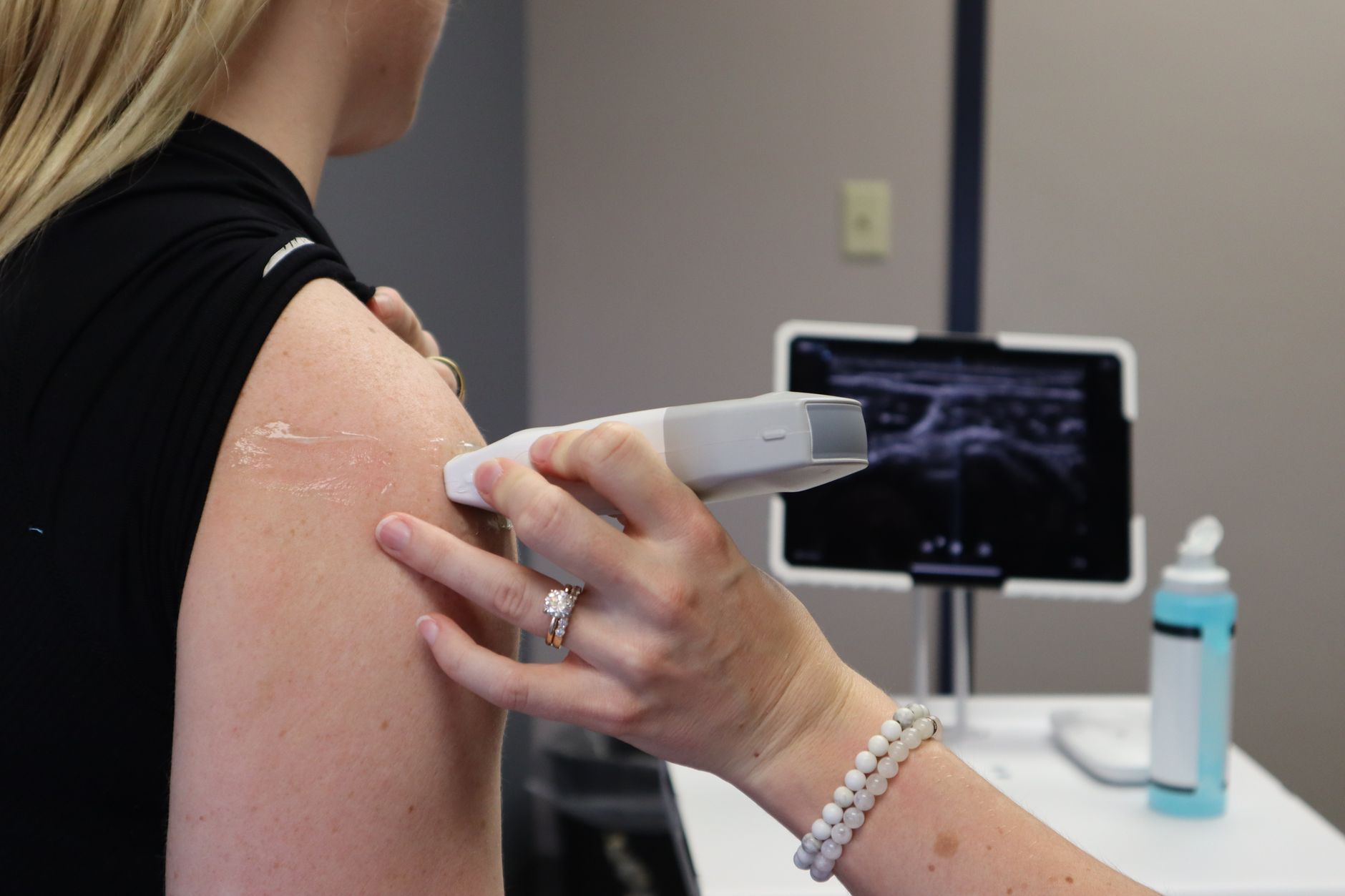
Ultrasound guidance is not a luxury — it is essential. It allows the physician to target the most suspicious areas of a nodule, avoid blood vessels and critical structures such as the trachea and carotid artery, and confirm that the needle is truly within the nodule. Real-time visualization dramatically improves sampling adequacy and diagnostic accuracy compared with blind palpation-guided biopsy.
Because thyroid nodules are so frequently benign, the goal of biopsy is not to find cancer everywhere — it is to identify the minority that need surgery or closer surveillance, and to give everyone else peace of mind. That distinction is the heart of good thyroid care.
How Turkish Hospitals Coordinate Endocrinology, Radiology and Pathology
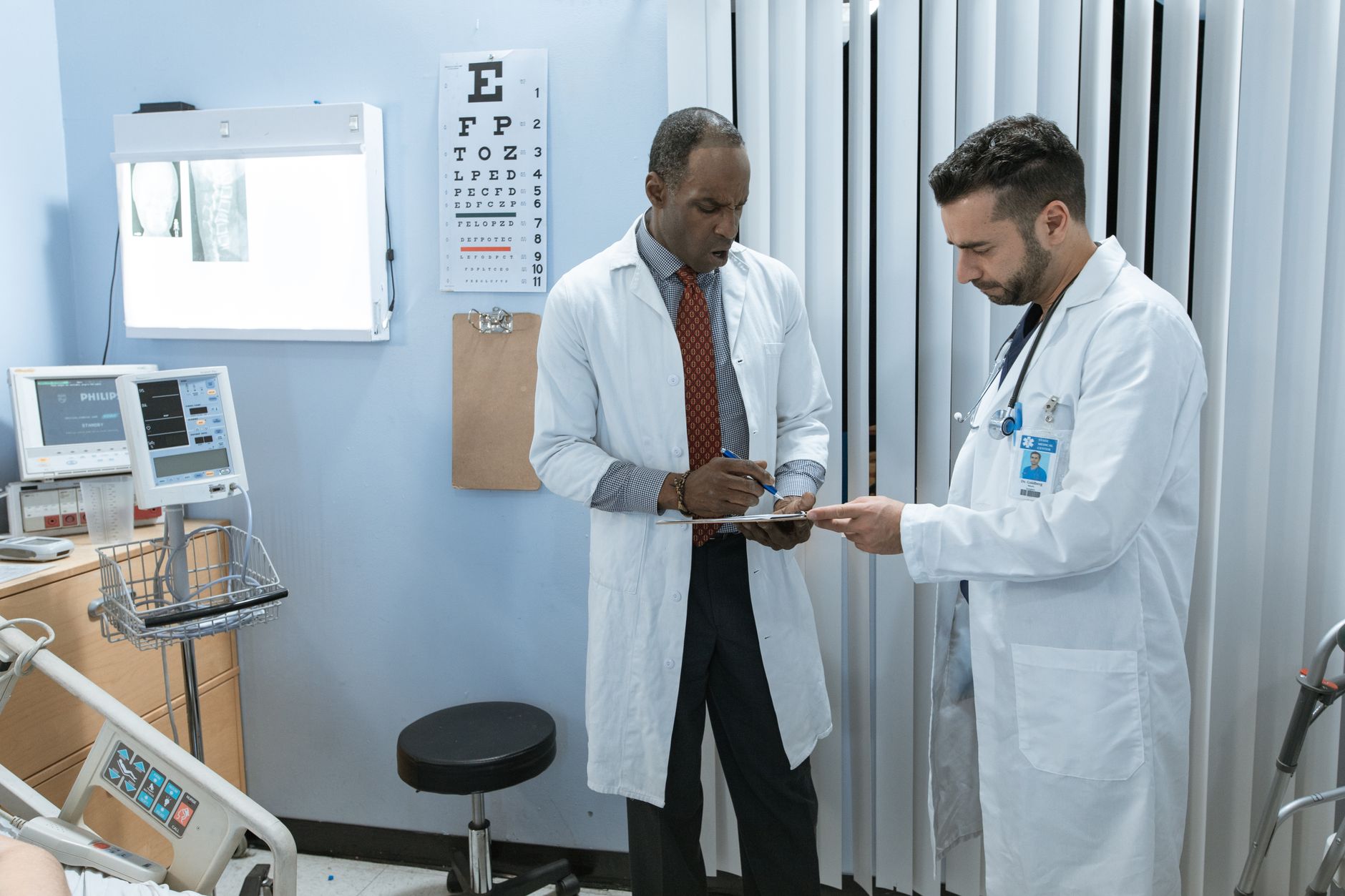
The efficiency of thyroid biopsy in Türkiye is not accidental. It comes from a deliberate model in which endocrinology, radiology and pathology work as one team under a single hospital roof. This interdisciplinary coordination is especially valuable for international patients, because it removes the need to shuttle between separate clinics, repeat your story to each new provider, or wait weeks for reports to travel between departments.
In a typical Turkish hospital pathway, an endocrinologist or thyroid surgeon first reviews your history, previous imaging and blood tests. If a biopsy is indicated, the radiologist performs the ultrasound-guided FNA — often the same day or the next morning. The sample goes directly to the hospital's pathology laboratory, where cytopathologists process and evaluate it. Because the laboratory is on site and integrated into the hospital workflow, turnaround times are measured in hours or a small number of days rather than the multi-week waits common in some systems.
This coordination also creates a feedback loop that benefits you. If the initial sample is inadequate (a known limitation of FNA, especially in cystic or vascular nodules), the radiologist and pathologist can communicate quickly, and a repeat pass may be arranged before you leave the hospital rather than scheduled for a future trip. If the cytology is indeterminate, the team can discuss molecular testing options or recommend repeat biopsy or diagnostic surgery in a single conversation.
For international patients, the practical effect is profound: instead of three trips — one for imaging, one for biopsy, one for results — many patients complete the entire diagnostic arc in one visit, with a specialist who can explain the findings in their language through an interpreter or English-speaking coordinator.
The Same-Trip Timeline: From Morning Biopsy to Specialist Explanation
What does a same-trip thyroid biopsy actually look like? While every hospital and every patient is different, the following timeline reflects the coordinated pathway that many Istanbul clinics offer international patients.
Day 1 — Arrival and consultation. You meet your endocrinologist or thyroid specialist. Previous ultrasound images, blood tests (including TSH, free T4, calcitonin where relevant, and thyroid antibodies), and any prior biopsy reports are reviewed. A fresh ultrasound may be performed to map the nodule and confirm that biopsy is appropriate. You discuss the procedure, risks and alternatives, and give informed consent.
Day 2 — Morning biopsy. The ultrasound-guided FNA is usually scheduled in the morning. The procedure itself takes only a few minutes, though the appointment may last longer to allow preparation, ultrasound mapping and post-procedure observation. Most patients describe it as less uncomfortable than a blood draw, with mild pressure or a brief sting. You can typically eat and drink normally afterward and resume light activities.
Days 2–4 — Pathology review. The sample is processed and examined by a cytopathologist. In a coordinated hospital, preliminary findings may be available within 24 hours, with a formal Bethesda category report often ready within two to four working days. Some hospitals offer rapid on-site evaluation (ROSE) during the biopsy itself, which can reduce the chance of an inadequate sample.
Day 3–5 — Results consultation. You sit down with your specialist, who explains the result in plain language: what the Bethesda category means, whether the nodule is benign, indeterminate or suspicious, and what the recommended next steps are — surveillance ultrasound, molecular testing, repeat biopsy, or surgery. If surgery is advised, you can discuss timing, technique and recovery while still in Türkiye, or plan it for a future visit.
This compression of time is the core promise of the same-trip model: not haste, but continuity. You are not left holding a report with no one to interpret it.
What the Procedure Feels Like — and How to Prepare
Preparation for thyroid FNA is straightforward, but a few details make the experience smoother. Tell your care team about all medications, especially blood thinners such as warfarin, direct oral anticoagulants, aspirin or clopidogrel. Depending on your regimen and the physician's judgment, you may be asked to pause certain medications briefly. Supplements like fish oil, ginkgo and high-dose vitamin E can also increase bleeding risk and should be disclosed.
On the day of the biopsy, you generally do not need to fast unless sedation is planned (it usually is not). Wear comfortable clothing with an open neckline. The procedure begins with you lying on your back with your neck slightly extended. The physician cleans the skin, applies ultrasound gel, and uses the ultrasound probe to locate the nodule. A local anesthetic may or may not be used; many patients tolerate the fine needle without it, but you can ask. The needle is guided into the nodule, and several passes are often made to collect enough cells.
Afterward, pressure is applied to the site, and a small bandage is placed. Most people return to normal activities the same day, though avoiding strenuous exercise for 24 hours is wise. Possible side effects include mild bruising, tenderness or a small hematoma — usually minor and self-limiting. Serious complications are rare but can include bleeding, infection or, very rarely, injury to surrounding structures; your physician will explain these risks in detail.
Emotionally, the waiting is often harder than the procedure. Knowing that your results will be explained by a specialist within the same trip can substantially reduce that anxiety — you are not returning home to an open-ended question.
Reading Your Results: The Bethesda System in Plain Language
Thyroid cytology reports use the Bethesda System for Reporting Thyroid Cytopathology, which standardizes results into six categories. Understanding them helps you participate confidently in your care.
- Bethesda I — Nondiagnostic or unsatisfactory. The sample did not contain enough cells or was obscured by blood. This does not mean something is wrong; it means the test needs to be repeated, often with ultrasound guidance or molecular testing.
- Bethesda II — Benign. The nodule is not cancerous. Most patients need only periodic ultrasound surveillance.
- Bethesda III — Atypia of undetermined significance (AUS) or follicular lesion of undetermined significance (FLUS). An indeterminate category with a low but real risk of malignancy. Options include repeat biopsy, molecular testing or clinical follow-up.
- Bethesda IV — Follicular neoplasm or suspicious for follicular neoplasm. This category cannot be resolved by cytology alone because follicular cancers are diagnosed by tissue architecture, not cell appearance. Diagnostic surgery (lobectomy) is often recommended.
- Bethesda V — Suspicious for malignancy. A high risk of cancer, usually prompting surgery.
- Bethesda VI — Malignant. The cytology is diagnostic of cancer, most commonly papillary thyroid carcinoma, and surgery is generally advised.
Your specialist should explain not only the category but also the size of the nodule, its ultrasound features (such as echogenicity, margins, calcifications and vascularity), and your overall risk profile. A good consultation ends with a clear plan: what happens next, when, and why.
If molecular testing is available, it can refine the risk in indeterminate categories. Turkish hospitals increasingly offer these ancillary tests, sometimes through partnerships with international laboratories, though availability and cost vary.
Why Türkiye? Cost, Access and Continuity of Care
Türkiye has become a leading destination for medical travelers for several converging reasons. Its hospitals are well equipped, often JCI-accredited, and staffed by specialists who trained in Europe, North America and Türkiye's own rigorous medical schools. English-speaking coordinators and interpreters are common in international patient departments. And because the thyroid biopsy pathway is integrated, patients often accomplish in days what might take months elsewhere.
Cost is another factor, though it should never be the only one. Thyroid ultrasound and FNA in Türkiye are typically significantly less expensive than in many Western countries, and package pricing for international patients often includes consultation, ultrasound, biopsy, pathology and a results consultation. That transparency helps you plan without financial surprises.
Continuity matters too. If your biopsy leads to surgery, you can often discuss it with the same team that performed your biopsy, using the same pathology report — no repeating tests, no re-explaining your history. For patients who choose to return home for treatment, Turkish hospitals can provide reports in English and coordinate with your local physicians.
The result is a pathway that respects both your time and your need for clarity. Türkiye's model is not about rushing a diagnosis; it is about removing the artificial delays that keep patients in limbo.
Practical Steps for International Patients
Planning a thyroid biopsy trip to Türkiye is manageable with a little structure. Start by gathering your medical records: recent thyroid ultrasound images and reports, thyroid function tests, any prior biopsy or surgery reports, and a list of medications and allergies. Having these translated or summarized in English can speed your consultation.
Next, contact the international patient department of a reputable hospital in Istanbul, Ankara or Izmir. Ask specifically about the thyroid biopsy pathway: Is ultrasound-guided FNA performed on site? Is there a cytopathologist available? What is the typical turnaround time for results? Will a specialist explain the findings in English? Are molecular tests available if needed? What is included in the package price?
Plan your trip with a buffer. Book at least 5–7 days in Istanbul so that pathology review and a results consultation can occur without stress. Choose accommodation near the hospital to minimize travel fatigue. Arrange travel insurance that covers medical care, and confirm your hospital's policy on complications or follow-up.
Finally, prepare your questions in advance. Ask what the Bethesda category means for you, what surveillance interval is recommended, and what symptoms should prompt earlier review. Write down the answers. Understanding your results is not a luxury — it is part of your treatment.
A Calm Path Forward
A thyroid nodule biopsy is a small procedure with a large psychological footprint. The uncertainty between discovering a nodule and learning what it means can be the hardest part of the journey. Türkiye's hospital-based, coordinated approach directly addresses that uncertainty by compressing the diagnostic process into a single, supported trip.
You arrive with questions. You leave — often within a week — with answers, a pathology report, and a plan. For international patients, that is more than convenience. It is peace of mind, delivered with clinical rigor and human warmth.
If you are considering thyroid nodule biopsy in Türkiye, speak with a qualified healthcare provider and an experienced medical tourism coordinator. Ask questions, trust your instincts, and remember that clarity is closer than it may feel.
This guide is for informational purposes and does not replace personalized medical advice. Always consult a qualified physician about your individual situation.
Thinking about treatment in Turkey?
Share your contact details and a verified doctor will follow up with a plan built around you — free, no obligation.