

Why Türkiye Leads in Complex Venous and Lymphatic Surgery
Türkiye has emerged as a global destination for advanced vascular care, particularly for patients with complex venous and lymphatic conditions that go beyond simple varicose veins. Hospital-based teams in Istanbul, Ankara, and Izmir have invested heavily in endovascular suites, microsurgical equipment, and multidisciplinary training, positioning the country as a leader in deep vein reconstruction, lymphaticovenular anastomosis (LVA), and comprehensive flow management.
What sets Türkiye apart is the concentration of high-volume centers where surgeons perform hundreds of these procedures annually. This volume translates directly into expertise: refined techniques, shorter operating times, fewer complications, and better long-term outcomes. For international patients with chronic venous insufficiency, deep vein thrombosis (DVT) sequelae, or lymphedema, Türkiye offers a compelling combination of advanced technology, experienced specialists, and affordable pricing.
The country's medical infrastructure is supported by JCI-accredited hospitals, modern imaging modalities such as duplex ultrasound, CT venography, and MR lymphangiography, and a culture of hospitality that extends into healthcare. English-speaking coordinators and translators are standard in major hospitals, ensuring that language is never a barrier to excellent care.
Understanding Deep Vein and Complex Flow Conditions
Venous and lymphatic disorders are often underestimated because they rarely make headlines. Yet conditions like chronic deep vein obstruction, post-thrombotic syndrome, pelvic congestion syndrome, and lymphedema can severely impact quality of life, causing pain, swelling, skin changes, and disability. These are not cosmetic concerns; they are serious vascular problems that require specialized, hospital-based care.
Deep vein issues frequently involve obstruction or reflux in the iliac, femoral, or popliteal veins. Patients may experience heaviness, edema, pigmentation, or even venous ulcers. Lymphatic conditions, such as primary or secondary lymphedema, result from impaired lymph drainage and can lead to progressive swelling and recurrent infections. Both categories demand accurate diagnosis and tailored intervention — not a one-size-fits-all approach.
In Türkiye, vascular teams use a stepwise diagnostic process: detailed history, physical examination, duplex ultrasound, and when needed, advanced cross-sectional imaging. This thorough assessment identifies the exact anatomy and physiology of the problem, guiding whether endovascular stenting, venous bypass, valve repair, or microsurgical lymphatic reconstruction is most appropriate.
Advanced Endovascular Techniques for Deep Vein Care
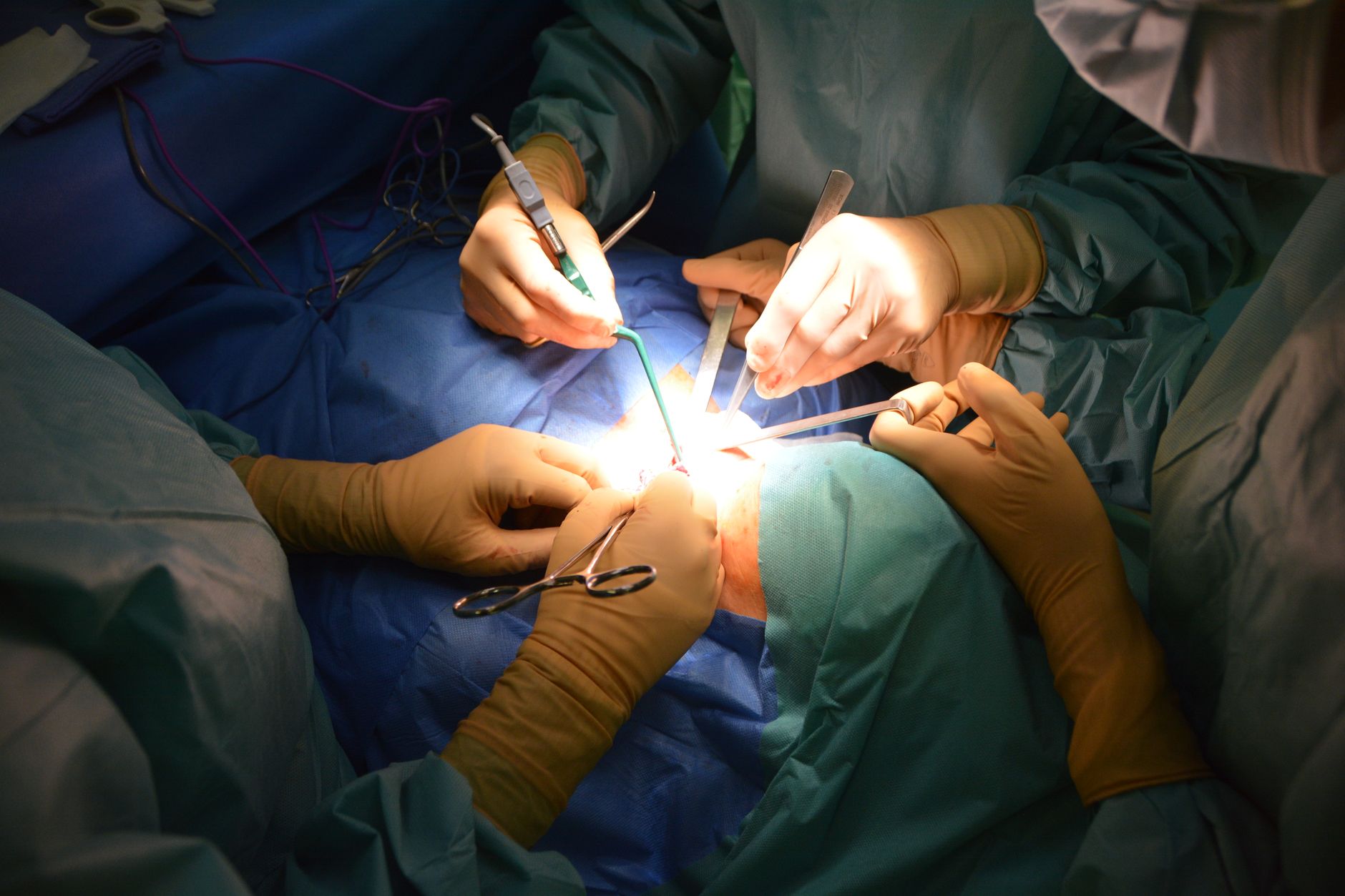
Endovascular treatment has revolutionized deep vein care. Instead of open surgery, interventionalists can now use catheter-based techniques to restore flow through blocked or narrowed veins. In Türkiye, these procedures are performed in hybrid operating rooms equipped with high-resolution fluoroscopy and intravascular ultrasound (IVUS), allowing precise stent placement in the iliac and femoral veins.
For patients with post-thrombotic syndrome or May-Thurner syndrome, venous stenting can dramatically reduce symptoms and prevent ulceration. The procedure typically involves accessing the vein through the neck or groin, advancing a balloon and stent to the affected segment, and confirming optimal expansion with imaging. Most patients are walking within hours and discharged the next day. Turkish centers have reported excellent patency rates, rivaling those of leading Western institutions.
Complex flow care also includes embolization for pelvic congestion syndrome and varicocele, using coils or sclerosing agents to seal abnormal veins. These minimally invasive treatments preserve surrounding tissue and offer rapid recovery. Because Turkish hospitals treat a high volume of such cases, their interventional radiologists and vascular surgeons are adept at managing even the most challenging anatomies.
Microsurgical Lymphatic Surgery: Restoring Flow at a Microscopic Level
Lymphedema is a chronic, progressive condition that affects millions worldwide, often after cancer treatment. Traditional therapies like compression and manual drainage help manage symptoms but do not address the underlying anatomy. Microsurgical lymphatic surgery, including lymphaticovenular anastomosis (LVA) and vascularized lymph node transfer (VLNT), offers a chance to restore lymphatic drainage by creating new pathways.
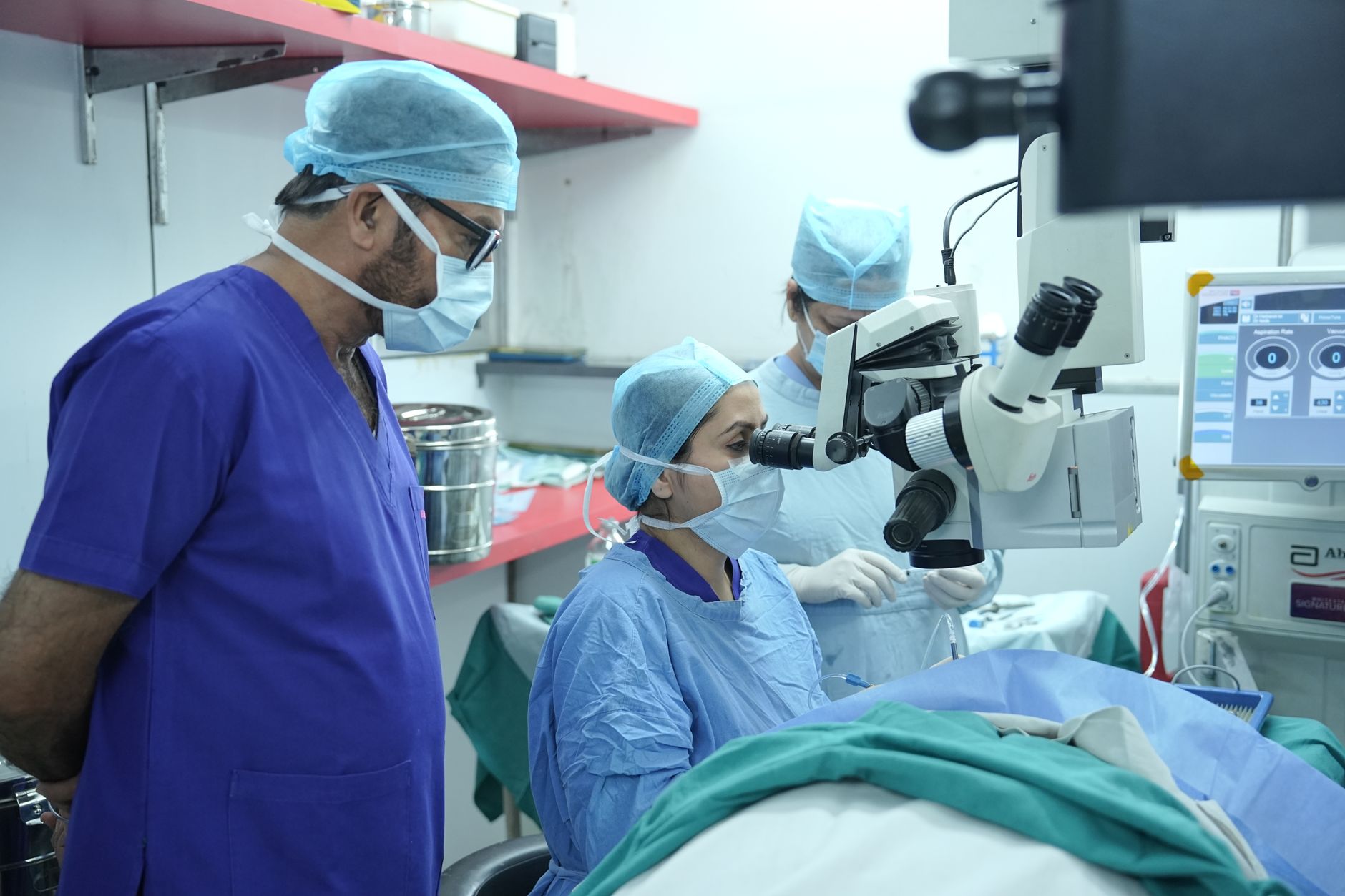
In Türkiye, lymphatic surgeons use high-magnification microscopes and supermicrosurgical instruments to connect lymphatic vessels as small as 0.3 mm to nearby venules. This bypasses blocked areas and allows lymph fluid to re-enter the bloodstream. The procedure is performed under local or general anesthesia, with minimal incisions and minimal downtime. Patients often notice reduced swelling and fewer infections within weeks.
VLNT involves transplanting healthy lymph nodes from another part of the body to the affected limb, promoting new lymphatic growth. Turkish teams are among the most experienced in these techniques, having performed them for both primary and secondary lymphedema. They also combine surgery with comprehensive decongestive therapy, ensuring holistic care that addresses both mechanical and functional aspects of the condition.

What International Patients Can Expect: Assessment Through Recovery
From the moment you contact a Turkish hospital, your journey is supported by a multilingual coordinator who serves as your single point of contact. They help you gather medical records, arrange video consultations with specialists, and provide a preliminary treatment plan and cost estimate. This pre-arrival phase ensures you understand your options and can make informed decisions without pressure.
Upon arrival, you will undergo a comprehensive assessment, often completed within one or two days. This includes physical examination, duplex ultrasound, and any necessary advanced imaging. Your surgical team will then meet with you to discuss findings, explain the recommended procedure, and answer all questions. If you need additional evaluations, such as cardiac clearance or lymphatic scintigraphy, these are coordinated efficiently.
The hospital experience itself is designed for comfort and safety. Private rooms, international patient lounges, and halal or dietary-specific meal options are available. Nurses and physicians communicate through interpreters, and your coordinator checks in daily. After surgery, you receive a detailed recovery plan, including wound care, compression therapy, and physical therapy. Before discharge, you are given a summary of your procedure and instructions for follow-up with your local doctor.
Post-return follow-up is equally important. Turkish hospitals offer teleconsultations and share imaging and reports with your home physician. Should any concerns arise, your coordinator remains reachable. This continuity of care is a hallmark of Türkiye's patient-centered approach.
Choosing the Right Hospital and Preparing for Your Trip
Not all hospitals are equal when it comes to complex venous and lymphatic surgery. Look for centers with dedicated vascular surgery departments, hybrid operating rooms, and a track record in microsurgery. Accreditation such as JCI or ISO is a good indicator of quality. It's also wise to ask about the surgeon's specific experience with your condition and the number of procedures they perform annually.
Preparation involves gathering medical records, recent imaging, and a list of medications. Your coordinator will guide you on visa requirements, travel dates, and accommodation near the hospital. Most international patients stay in Turkey for one to three weeks, depending on the procedure and recovery timeline. It's advisable to bring loose clothing, comfortable shoes, and any compression garments you currently use.
Financial considerations are transparent: you receive a written quote before committing, and payment is typically made upon arrival. Many hospitals accept bank transfers and major credit cards. Insurance coverage varies, so check with your provider and the hospital's international office. Compared to Western Europe or the US, costs for these advanced procedures in Türkiye are often 50-70% lower, without compromising quality.
Why Türkiye Is Your Destination for Advanced Vascular Expertise
Türkiye's vascular surgery teams have earned international recognition for their expertise in deep vein and lymphatic surgery. They combine advanced endovascular and microsurgical techniques with a patient-first philosophy, supported by multilingual coordinators and state-of-the-art facilities. For patients with complex flow disorders, this means access to care that is both highly specialized and remarkably accessible.
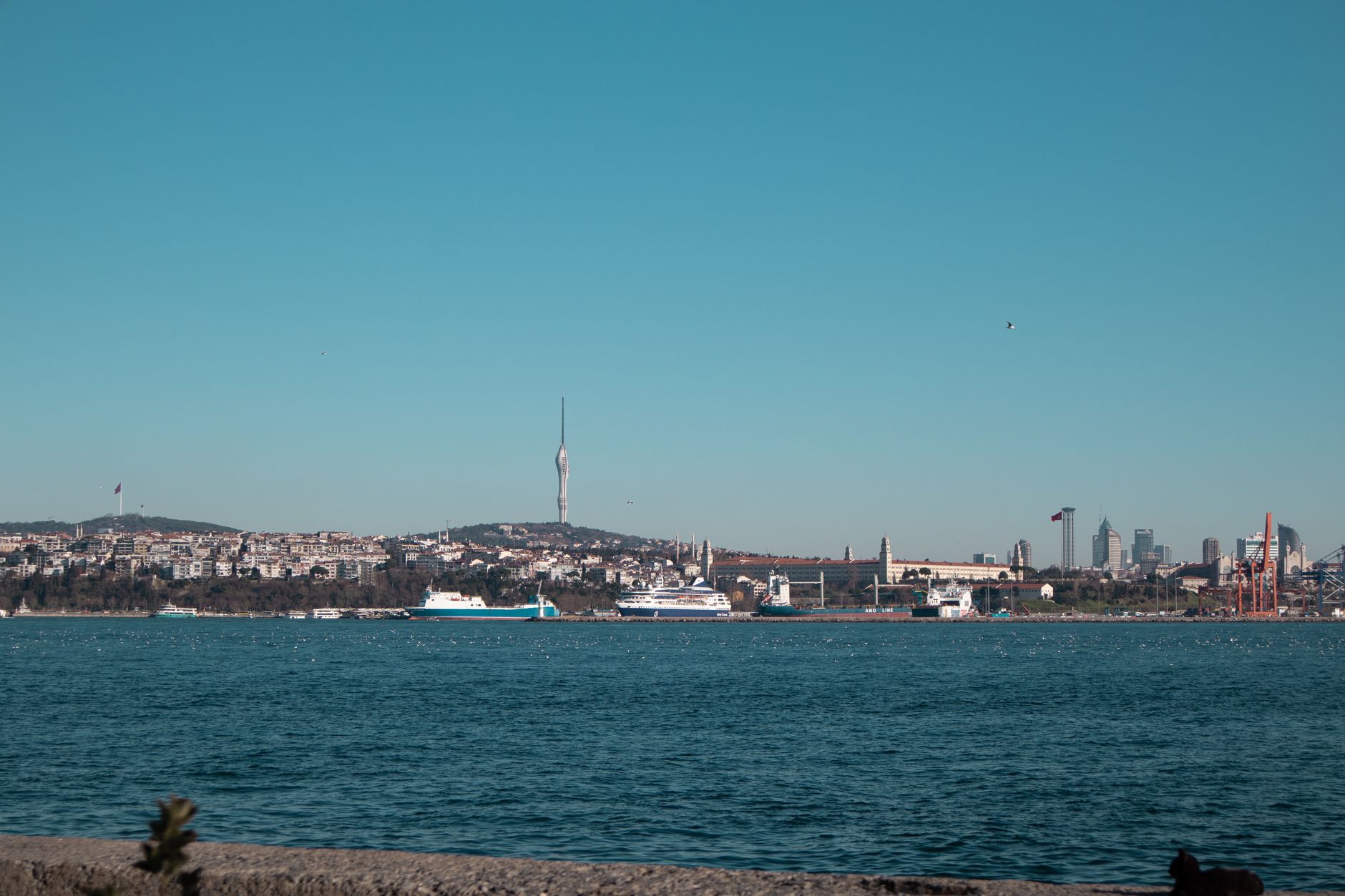
Beyond the operating room, Türkiye offers a rich cultural experience and warm hospitality. Whether you are exploring Istanbul's historic sites or recovering in a peaceful coastal town, the country provides a welcoming environment for healing. Many patients return home not only with improved health but also with fond memories of their time in Türkiye.
If you are considering treatment for a venous or lymphatic condition, look beyond the surface. Türkiye's hospital-based programs offer deep expertise, comprehensive care, and a supportive journey from assessment through recovery. Your path to better flow starts here.
Thinking about treatment in Turkey?
Share your contact details and a verified doctor will follow up with a plan built around you — free, no obligation.