

Introduction: Reclaiming Life from Lymphedema
Lymphedema — the chronic swelling caused by a compromised lymphatic system — affects millions worldwide. It often follows cancer treatment, surgery, or trauma, and can bring heaviness, pain, recurrent infections, and profound emotional distress. For many, compression garments and manual drainage offer only partial relief.
In recent years, Türkiye has emerged as a global leader in advanced microsurgical treatment for lymphedema. Hospital-based teams in Istanbul, Ankara, and Izmir are performing sophisticated lymphatic bypass and lymph node transfer procedures that restore lymphatic flow and improve quality of life.
This guide explores how international patients can access these transformative surgeries, what the journey involves, and why Türkiye's combination of surgical expertise, modern facilities, and compassionate care makes it a top destination for lymphedema reconstruction.
Understanding Lymphedema and the Promise of Microsurgery
Lymphedema occurs when lymph fluid cannot drain properly, leading to swelling — most commonly in the arms or legs. It can be primary (hereditary) or secondary (after cancer surgery, radiation, or infection). While conservative therapies remain essential, they do not address the underlying anatomical disruption.
Microsurgical techniques offer a physiological solution. Lymphaticovenular anastomosis (LVA) connects tiny lymphatic vessels directly to nearby veins, bypassing the blockage. Vascularized lymph node transfer (VLNT) involves transplanting healthy lymph nodes from another part of the body to the affected limb, restoring drainage and potentially reducing infection risk.
These procedures require extreme precision and specialized training. Türkiye's plastic and reconstructive surgeons have embraced these techniques, often combining them with comprehensive rehabilitation for optimal outcomes.
Why Türkiye Shines in Lymphatic Surgery
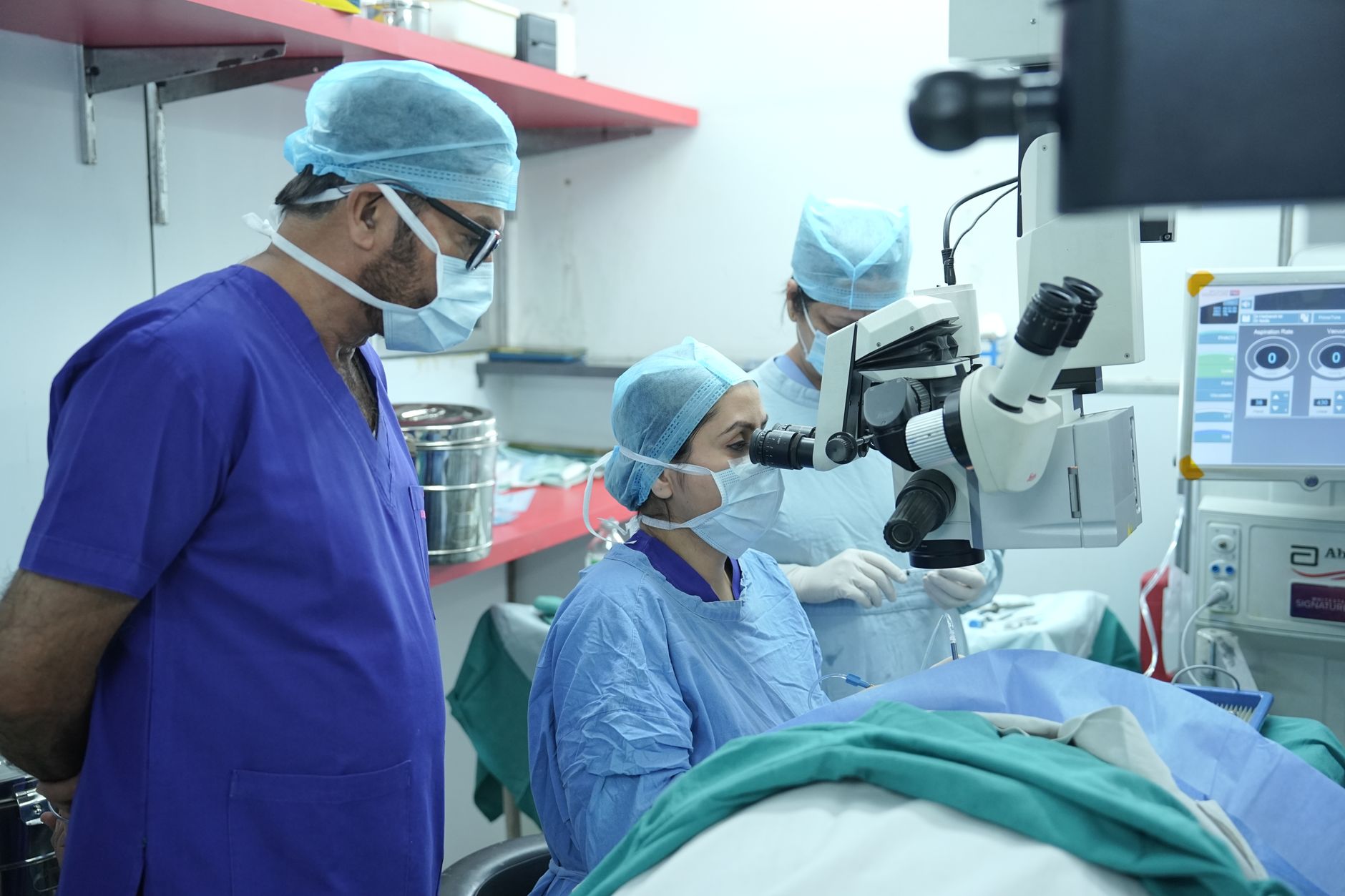
Türkiye's healthcare system blends advanced technology with a tradition of hospitality. Hospitals in Istanbul are equipped with high-resolution microscopes, supermicrosurgery instruments, and indocyanine green (ICG) fluorescence imaging — tools that are essential for identifying functional lymphatic channels during surgery.
Turkish plastic surgery teams are frequently involved in international research and collaborate with leading centers in Europe and the United States. Many surgeons have completed fellowships abroad and bring that expertise home, performing hundreds of lymphatic procedures annually.
Beyond technical skill, patients consistently praise the warmth and personalized attention they receive. International patient departments coordinate every detail, from airport pickup to translation and post-operative follow-up, making the experience feel seamless and reassuring.
The Patient Journey: Step by Step
1. Initial Consultation and Accurate Diagnosis: The journey begins with a thorough evaluation. You'll share your medical history, and the surgical team will perform a physical examination. Diagnostic tools such as lymphoscintigraphy, ICG lymphography, or MRI may be used to map your lymphatic system and identify the best surgical targets.
2. Personalized Surgical Planning: Based on imaging and your goals, the surgeon will recommend either LVA, VLNT, or a combination. They will explain the expected outcomes, risks, and recovery timeline. You'll have ample time to ask questions and decide together on the approach.
3. The Surgical Procedure: Performed under general anesthesia, LVA typically takes 2–4 hours, while VLNT may take 4–6 hours. Incisions are small and strategically placed. Most patients stay in the hospital for 1–3 nights.
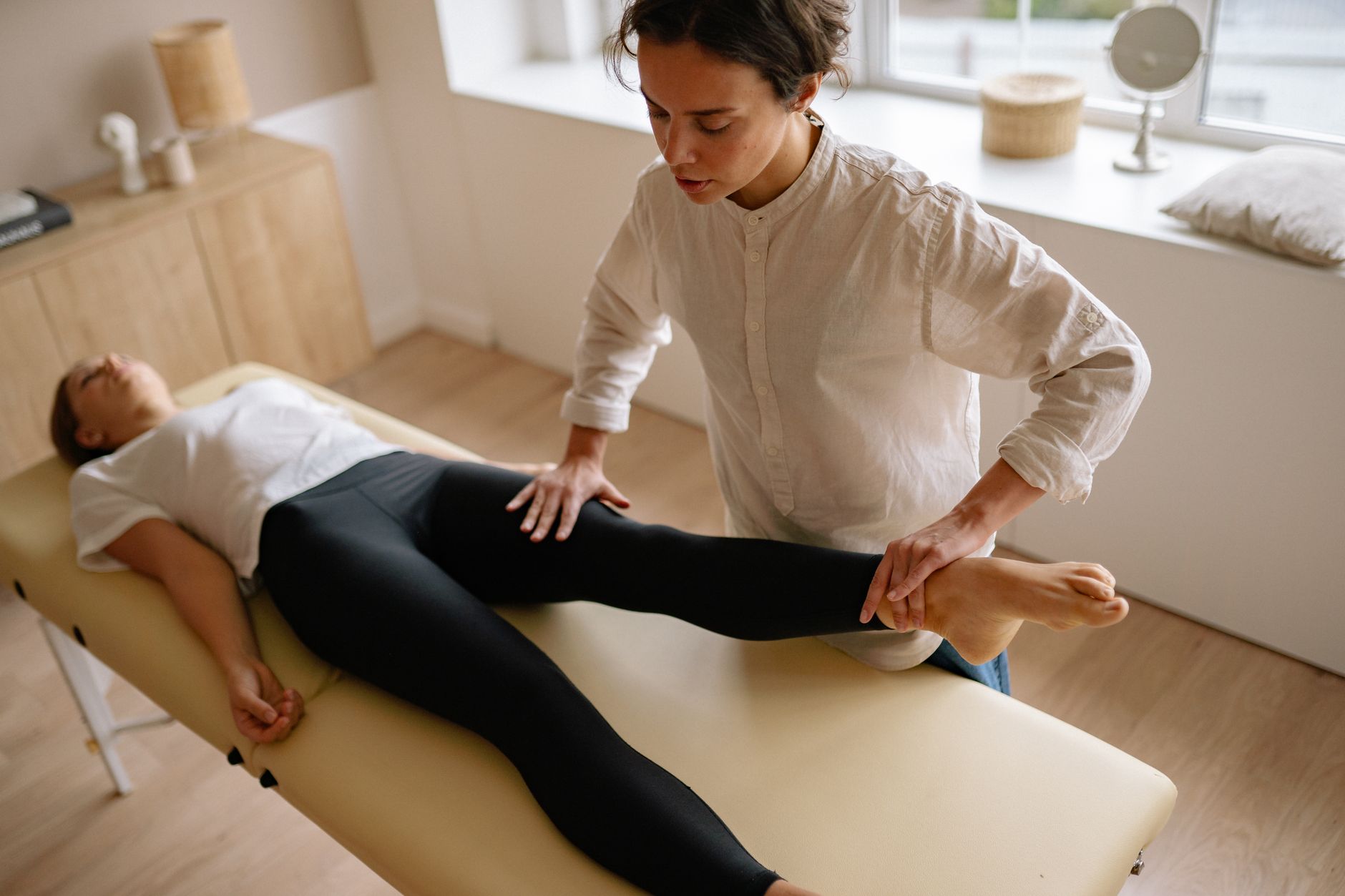
4. Post-Operative Therapy and Recovery: After surgery, a specialized lymphedema therapist will guide you through gentle exercises and manual drainage to enhance results. You'll receive compression garments and a tailored rehabilitation plan. Follow-up visits, both in person and via telemedicine, ensure you stay on track.
Candidate Selection: Who Benefits Most?
Ideal candidates have lymphedema that has not responded adequately to conservative therapy, are medically fit for surgery, and have realistic expectations. Early-stage lymphedema (stages 1–2) often responds best, but even advanced cases can see improvement in symptoms and quality of life.
Your surgeon will assess limb volume, tissue condition, and the availability of donor lymph nodes. A multidisciplinary team — including plastic surgeons, radiologists, and physiotherapists — reviews each case to ensure safety and efficacy.
It's important to note that surgery is not a cure-all; it is part of a comprehensive management plan. Combining microsurgery with ongoing therapy yields the best long-term results.

Choosing the Right Hospital and Surgeon
Look for hospitals with a dedicated lymphatic surgery program and a proven track record. Check surgeon credentials, including board certification in plastic and reconstructive surgery and membership in international societies such as the International Society of Lymphology.
Ask about the volume of procedures performed, success rates, and whether the team offers both LVA and VLNT. Reading patient testimonials and, if possible, speaking with former patients can provide valuable insight.
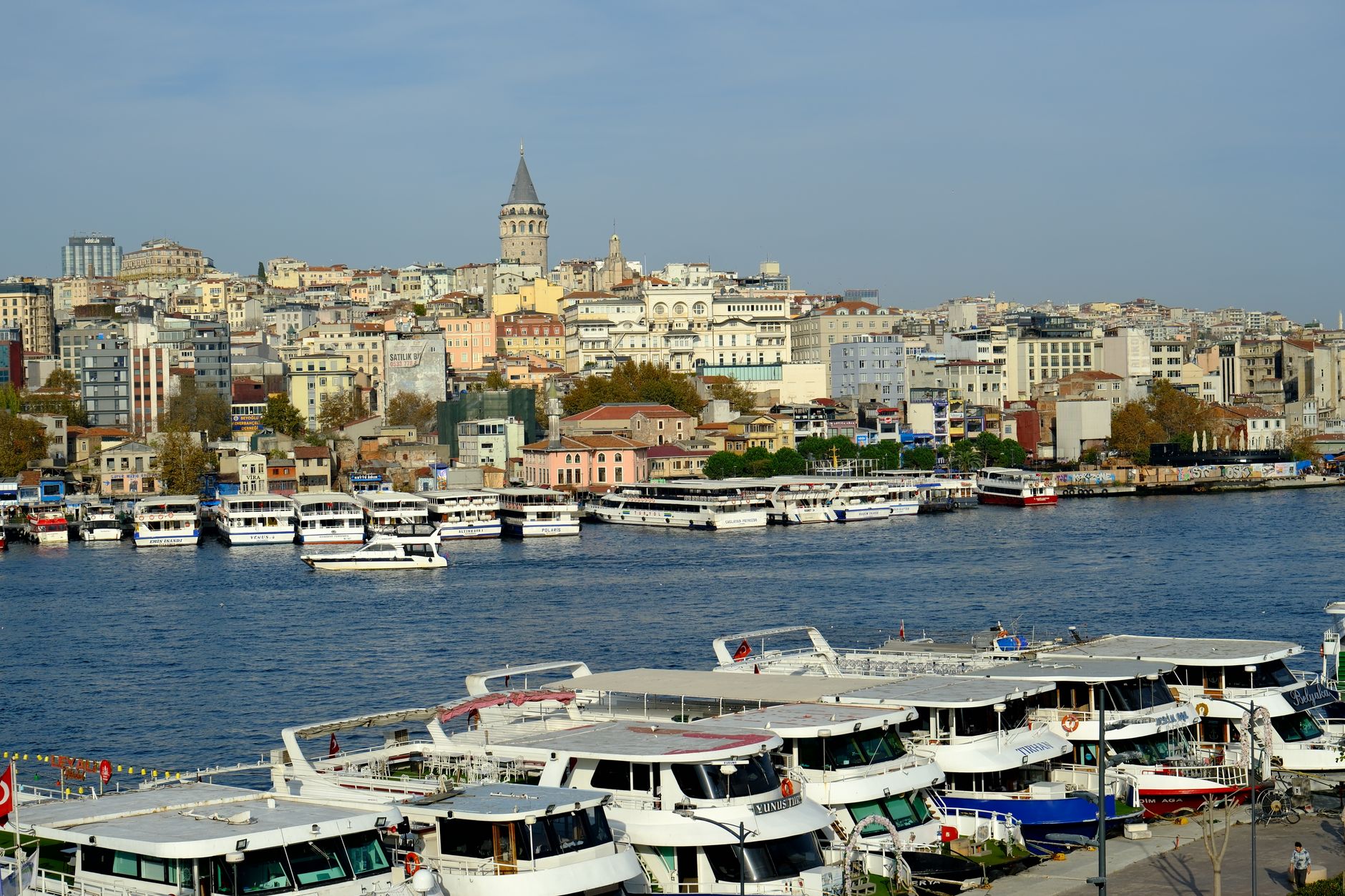
Türkiye's major medical centers — such as those in Istanbul's Nişantaşı, Levent, and Kozyatağı districts — are well-versed in accommodating international patients. They offer multilingual staff, private rooms, and assistance with travel and accommodation.
Preparing for Your Medical Journey
Once you've chosen your hospital, you'll receive a detailed pre-operative checklist. This may include blood tests, imaging, and a consultation with an anesthesiologist. You should also arrange for a companion to accompany you, especially during the first week post-surgery.
Plan to stay in Türkiye for at least 10–14 days to allow for initial recovery and follow-up. Many hospitals partner with nearby hotels that offer special rates for medical travelers.
Don't forget to check visa requirements, travel insurance, and any necessary vaccinations. Your hospital's international office can guide you through these logistics.
Post-Operative Care and Long-Term Success
After surgery, you'll work closely with a lymphedema therapist. Manual lymphatic drainage, compression therapy, and gradual exercise are key to maintaining improvements. Your surgeon will monitor your progress through regular check-ins, often using video calls for international patients.
Results are typically seen over several months as new lymphatic connections mature and swelling reduces. Many patients experience less heaviness, fewer infections, and greater ease in daily activities.
Long-term success also depends on lifestyle: maintaining a healthy weight, avoiding trauma to the affected limb, and practicing good skin care. Your Türkiye care team will provide resources and support to help you sustain your gains.
A Transformative Experience with Compassionate Care
For international patients, traveling for surgery can feel daunting. Türkiye's hospitals counter this with a culture of hospitality that extends beyond clinical care. From the moment you arrive, you're treated as a guest, with staff who listen and respond to your needs.
The combination of advanced microsurgery, comprehensive rehabilitation, and genuine warmth makes Türkiye a beacon of hope for those living with lymphedema. It's not just about reducing swelling; it's about restoring confidence and enabling you to embrace life fully.
If you're considering lymphatic surgery, explore what Türkiye has to offer. With its skilled surgeons, state-of-the-art facilities, and patient-centered approach, it may be the transformative step you've been seeking.
Thinking about treatment in Turkey?
Share your contact details and a verified doctor will follow up with a plan built around you — free, no obligation.