

Why Türkiye Leads in Non-Surgical Scoliosis Care
Türkiye has quietly become one of Europe's most trusted destinations for families seeking conservative management of paediatric scoliosis. The country's leading paediatric orthopaedic centres in Istanbul and Ankara have built multidisciplinary teams that bring together paediatric orthopaedic surgeons, physiotherapists trained in scoliosis-specific exercise methods, orthotists who craft custom braces on-site, and radiologists who specialise in low-dose imaging for children. This concentration of expertise allows families to complete an assessment, receive a brace, and start a tailored exercise programme within a single trip.
Unlike many Western European systems where waiting lists for a paediatric orthopaedic consultation can stretch for months, Turkish clinics offer rapid scheduling. Families often secure an appointment within one to two weeks of enquiry, and the entire initial work-up, including gait analysis and brace fitting, can be completed in three to five days. This speed is especially valuable when a school screening or a growth spurt has raised concerns about a rapidly changing curve.
Equally important is the philosophy that guides these teams: surgery is a last resort, not a first response. For mild to moderate curves, the emphasis is on bracing, observation, and exercise-based programmes such as Schroth or SEAS. The goal is to control progression during growth, preserve function, and avoid the physical and emotional toll of spinal fusion whenever possible.
What Happens During a Paediatric Scoliosis Assessment Visit
A comprehensive assessment visit in a Turkish scoliosis clinic typically begins with a detailed history: when the curve was first noticed, any family history of scoliosis, previous X-rays, and the child's growth pattern. The paediatric orthopaedic surgeon then performs a physical examination, including the Adams forward bend test, measurement of trunk rotation with a scoliometer, and assessment of shoulder and pelvic balance.
Next comes imaging. Most clinics use low-dose EOS imaging or slot-scanning radiography, which captures a full-body standing X-ray with a fraction of the radiation of conventional systems. This is particularly important for children who may need repeated imaging over several years. The images are used to measure the Cobb angle and to assess skeletal maturity via the Risser sign or Sanders score, which helps predict remaining growth and the risk of curve progression.
Many centres also include a gait analysis session. Using pressure-sensitive walkways, video capture, and sometimes surface electromyography, physiotherapists evaluate how the child walks, where asymmetries exist, and how the spine and pelvis move together. This data informs both the brace design and the exercise prescription, ensuring that the treatment addresses not just the curve but the whole movement system.
By the end of the assessment day, families usually have a clear picture: the curve type, its magnitude, the child's growth potential, and a recommended plan that may combine bracing, physiotherapy, and a monitoring schedule. The team explains the rationale in plain language, often with the help of interpreters or English-speaking coordinators.
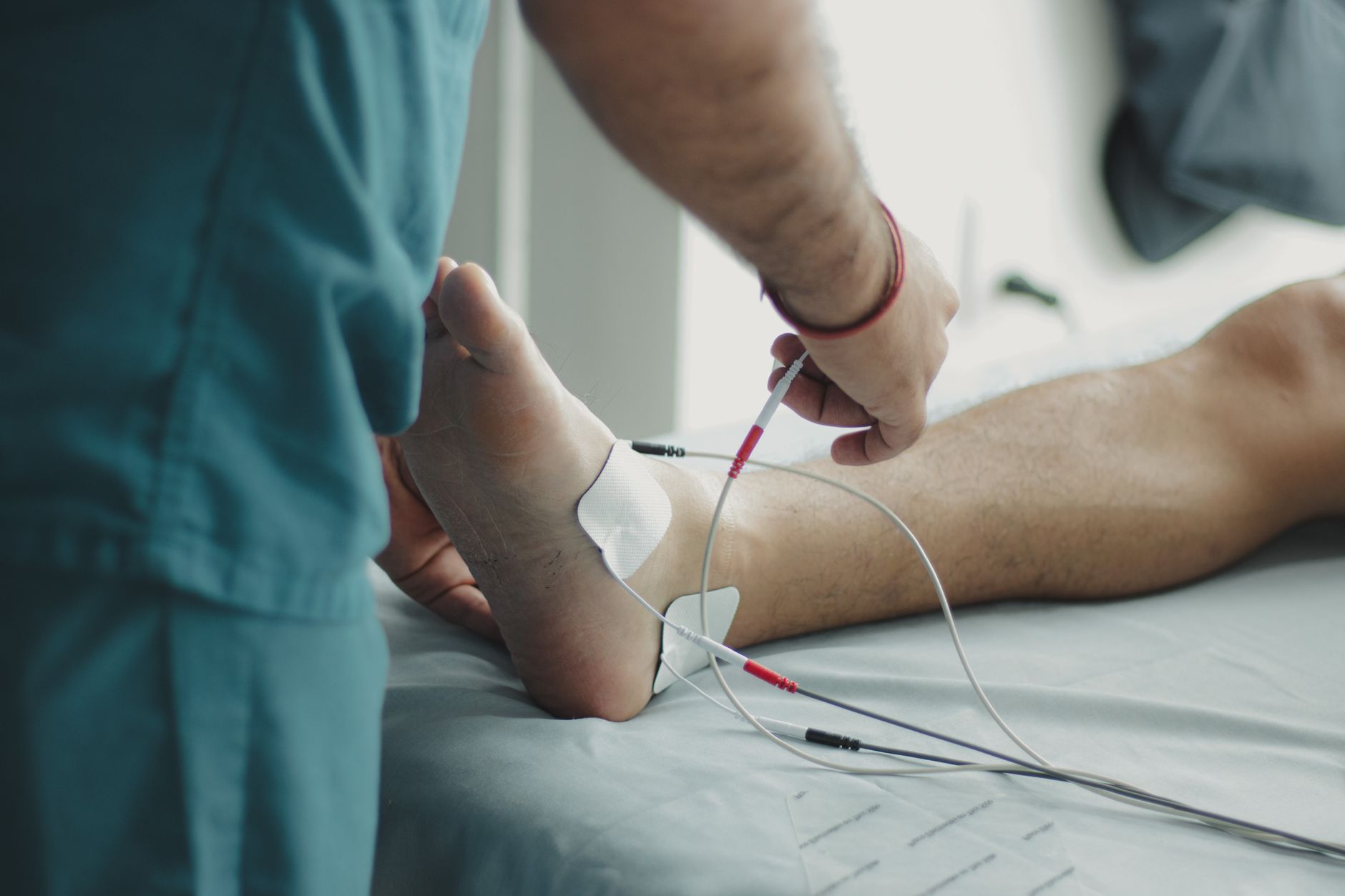
Custom Bracing: Fitted Within Days, Not Weeks
One of the most attractive aspects of scoliosis care in Türkiye is the speed at which a custom brace can be delivered. After the assessment, the orthotist takes a 3D scan or plaster cast of the child's torso. This digital or physical mould is used to design a brace that applies corrective forces to the specific curve pattern, whether it is a thoracic, thoracolumbar, or double curve.
Modern Turkish orthotics clinics favour CAD/CAM technology, which allows the brace to be modelled virtually, adjusted for growth, and manufactured with precision. The shell is typically made from lightweight polypropylene or polyethylene, and the design may be a Boston-style thoracolumbosacral orthosis (TLSO) or a more specialised Cheneau-style brace, depending on the curve. For very young children with infantile scoliosis, a Mehta casting or a custom brace may be recommended.
Because the manufacturing is done on-site or in nearby partner laboratories, the brace is often ready for fitting within 48 to 72 hours. During the fitting session, the orthotist checks pressure points, ensures the brace sits correctly over the pelvis and rib cage, and teaches the family how to put it on and take it off. The child then wears the brace for a short trial period, and adjustments are made before discharge.
Families leave with a brace that is comfortable enough for daily wear, a wearing schedule (often 18 to 23 hours per day during growth), and clear instructions on skin care and hygiene. Follow-up adjustments can be planned remotely, with the clinic providing guidance on when to return for a refit, usually every four to six months during rapid growth.
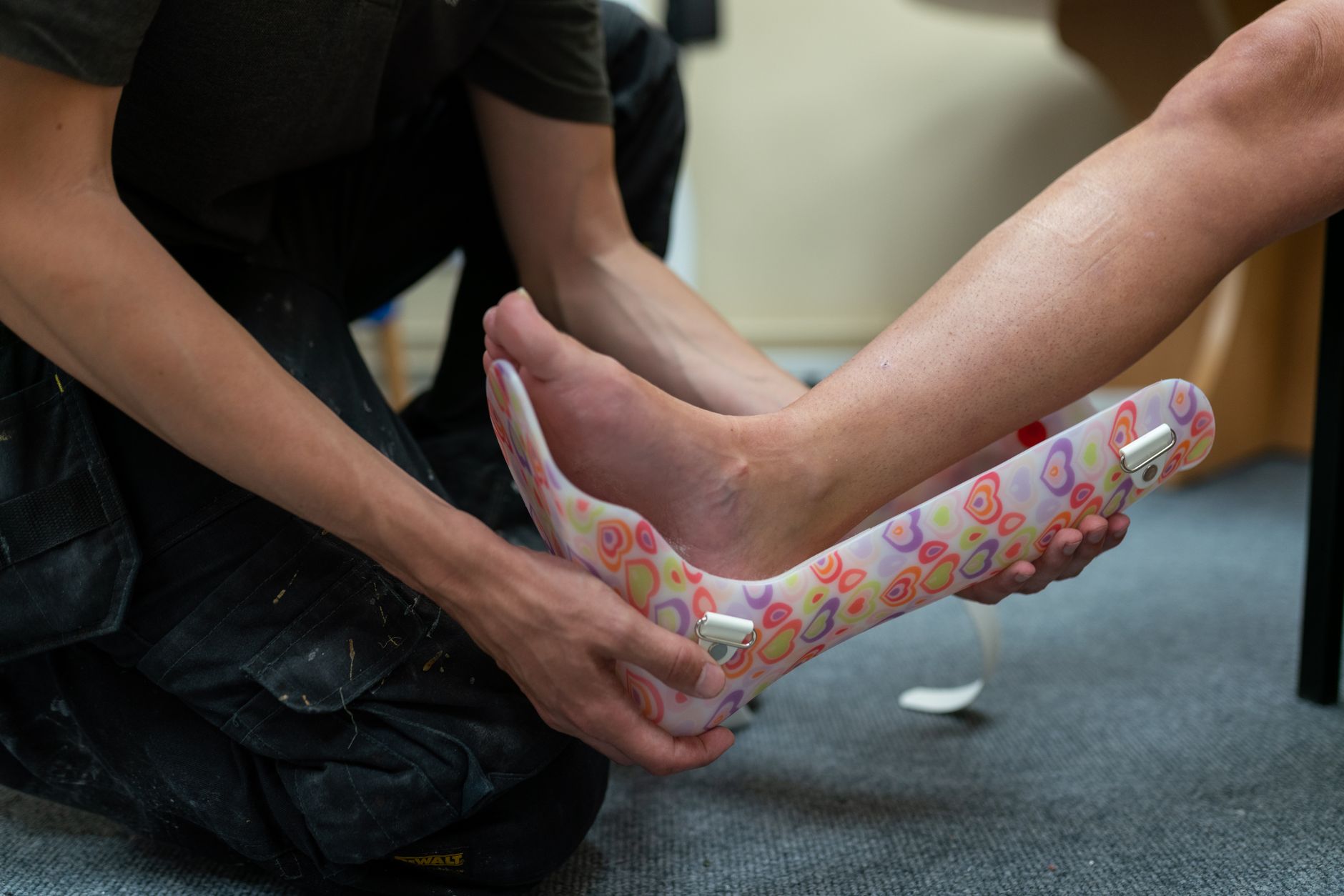
Exercise-Based Programmes: Schroth, SEAS and Beyond
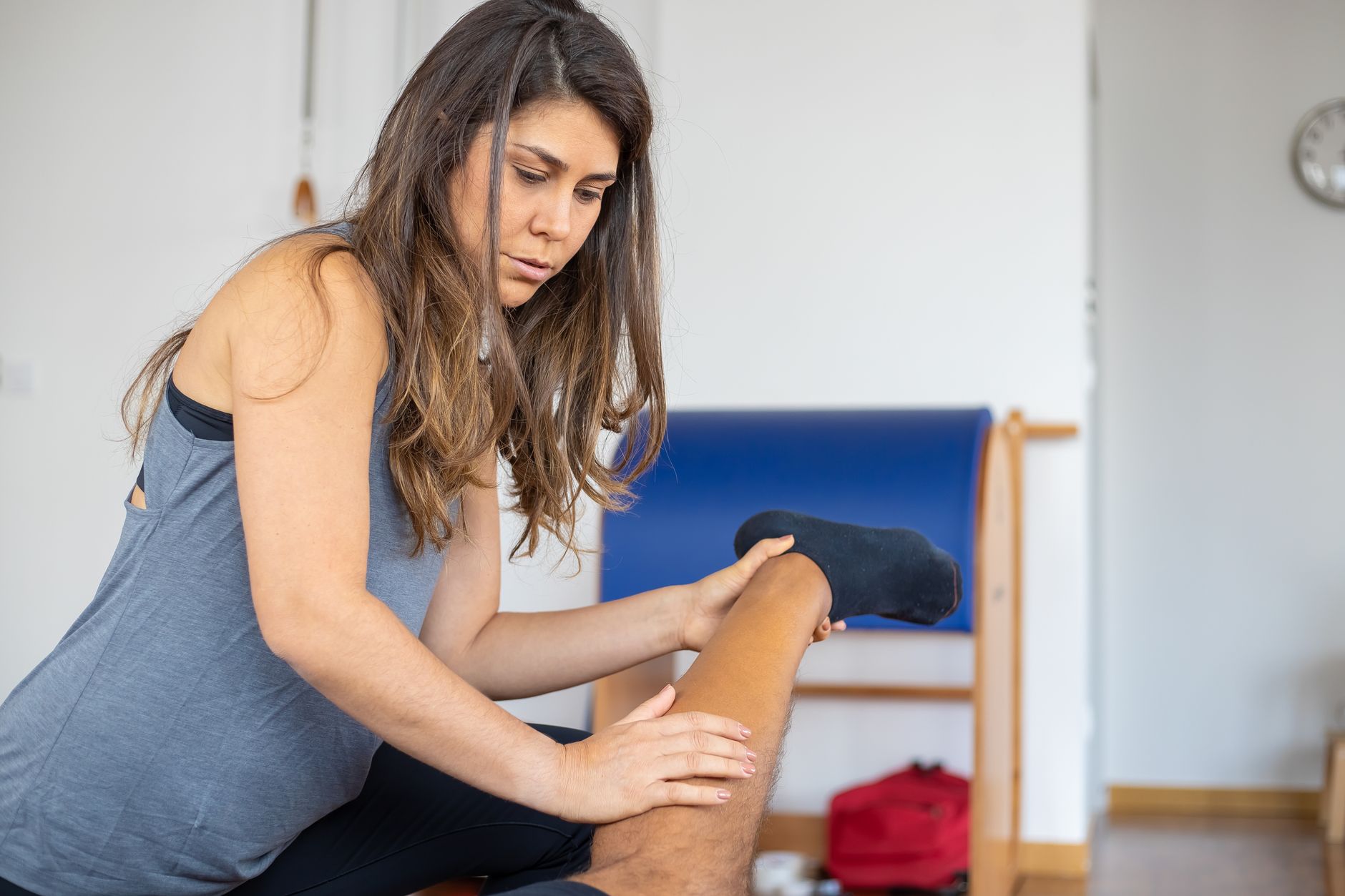
Bracing alone is rarely enough. Turkish physiotherapy teams integrate scoliosis-specific exercises that help the child actively correct posture, strengthen asymmetrical muscles, and improve breathing mechanics. The Schroth method, developed in Germany, is widely practised in Türkiye, with certified therapists who tailor exercises to the individual curve pattern. SEAS (Scientific Exercise Approach to Scoliosis) is another common approach, focusing on active self-correction and stability in daily activities.
During a typical trip, families attend several one-on-one sessions with a physiotherapist. The therapist teaches the child exercises that can be continued at home, and also trains the parents so they can supervise practice. Sessions often include breathing exercises to expand the concave side of the chest, isometric contractions to strengthen weak muscles, and balance drills to improve proprioception. For older children, core stabilisation and Pilates-based exercises may be added.
The exercise programme is not a generic workout; it is prescribed based on the gait analysis and imaging findings. For example, a child with a right thoracic curve may need exercises that focus on left-side expansion and right-side elongation. The therapist documents the programme and provides video links or a written plan so that the family can continue the routine after returning home.
Many clinics also offer group sessions or intensive camps during school holidays, which can be a cost-effective way to jump-start a home programme. These camps combine physiotherapy, education about scoliosis, and peer support, helping children feel less isolated.
Remote Monitoring and Progress Reviews
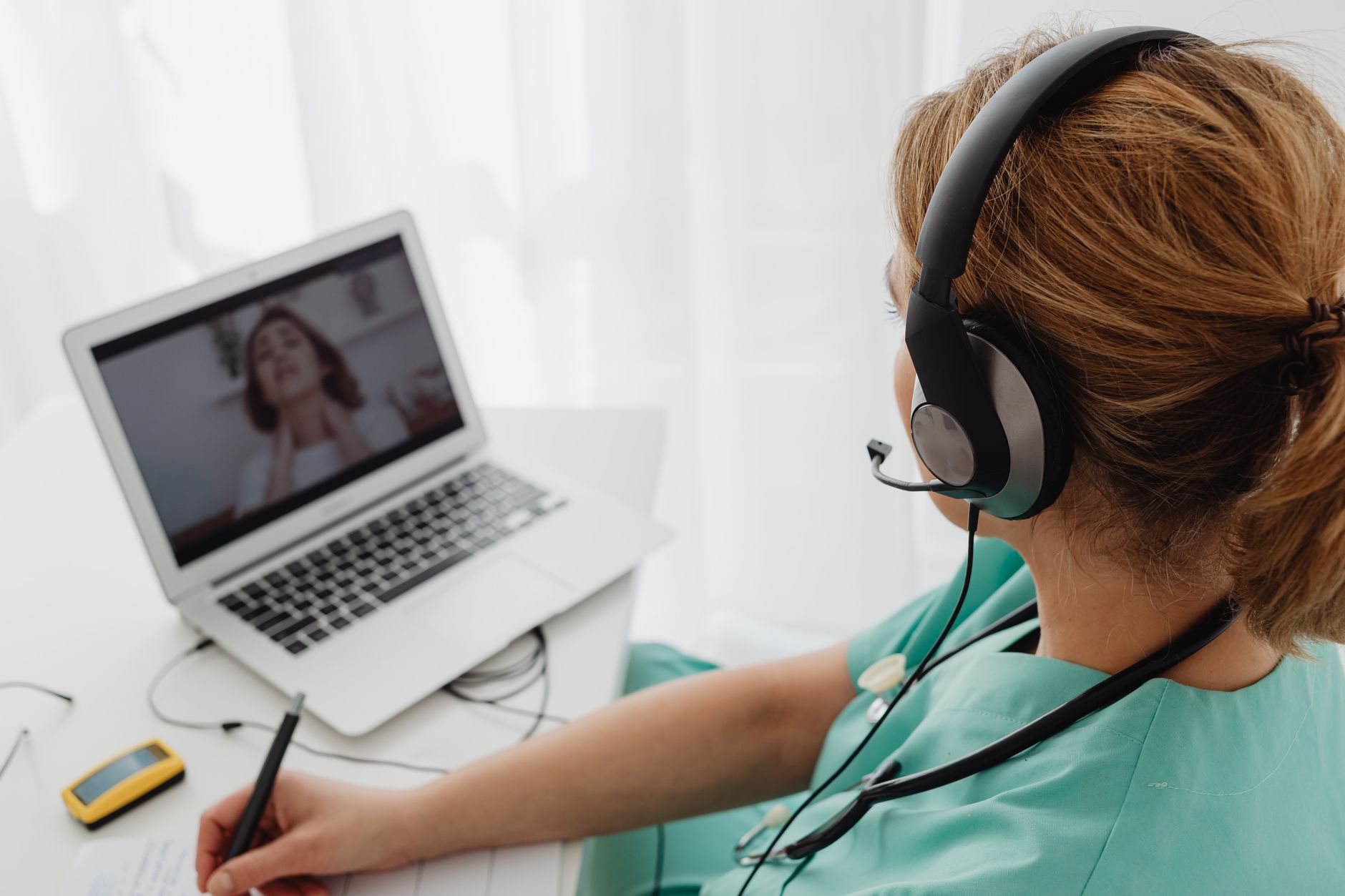
After the initial trip, ongoing monitoring is essential. Turkish clinics have embraced telemedicine to make follow-up convenient for international families. Parents can upload new X-rays taken locally, along with photos of the child's posture and brace fit, to a secure portal. The paediatric orthopaedic surgeon and physiotherapist then review the images and provide feedback via video consultation.
Remote imaging reviews typically focus on changes in the Cobb angle, brace compliance, and growth indicators. If the curve is stable, the interval between reviews may be extended to six or twelve months. If progression is detected, the team may recommend a brace adjustment, a change in exercise intensity, or, in rare cases, a return visit for a more detailed assessment. This model reduces travel burden and cost while maintaining continuity of care.
Some clinics also use wearable sensors or smartphone apps to track brace wear time and exercise adherence. This data helps the team make evidence-based decisions and encourages the child to stay consistent. Parents appreciate the transparency and the ability to ask questions between scheduled reviews.
For families who prefer in-person follow-ups, Turkish clinics offer flexible scheduling. A typical monitoring visit can be completed in one or two days, combining imaging, clinical examination, brace check, and physiotherapy. These visits are often planned around school breaks to minimise disruption.
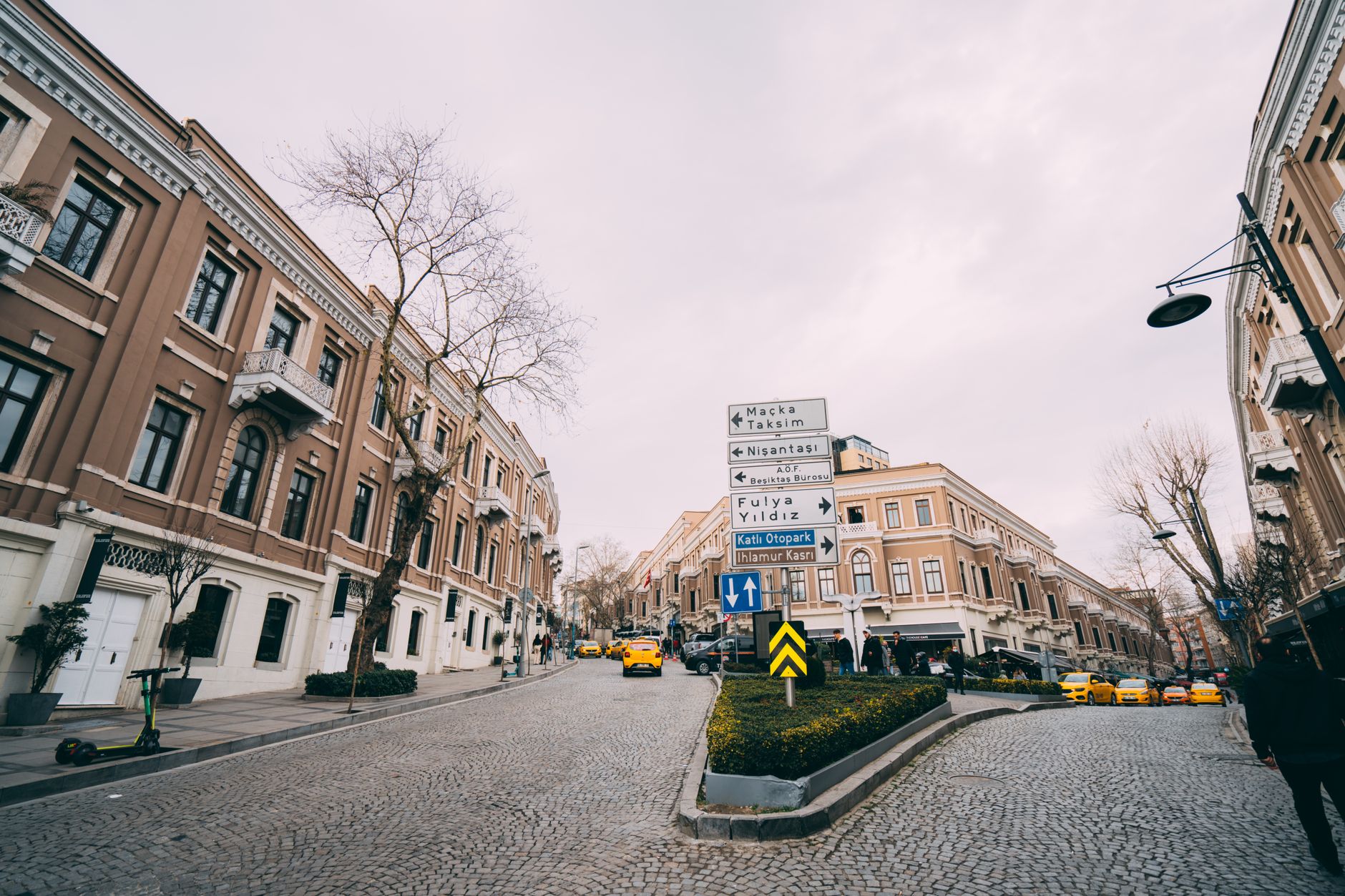
Planning Your Medical Trip: Logistics and Tips
Planning a medical trip to Türkiye for scoliosis care requires coordination, but it is manageable. Start by contacting a reputable clinic or a medical tourism facilitator that specialises in paediatric orthopaedics. Provide your child's age, diagnosis, previous X-rays, and treatment history. The clinic will usually respond with a preliminary plan and a cost estimate.
Travel documents: Most families enter Türkiye on a tourist visa or via visa-free entry, depending on nationality. Ensure passports are valid for at least six months. It is wise to obtain a medical report from your home doctor summarising the child's condition, as this helps with customs if you are carrying a brace or medical equipment.
Accommodation: Choose a hotel or serviced apartment near the clinic, ideally within walking distance or a short taxi ride. Many hospitals in Istanbul are located in districts like Nişantaşı, Şişli, or Kadıköy, which offer family-friendly amenities, parks, and supermarkets. Some clinics have partnerships with nearby hotels that offer discounted medical rates.
What to pack: Bring comfortable clothing for the child, including loose tops that can accommodate a brace. Pack any previous imaging on a USB drive or cloud link. If your child takes medications, bring enough for the trip plus a copy of the prescription. A small backpack for the brace and a pillow for the car or plane can make travel easier.
Language: While many doctors and coordinators speak English, having a translator for detailed sessions is helpful. Clinics often provide interpretation services free or for a small fee. Learning a few Turkish phrases can also ease daily interactions.
Costs: Türkiye offers significant savings compared to Western Europe or North America. A comprehensive assessment, including imaging and gait analysis, may cost a few hundred euros, while a custom brace typically ranges from 500 to 1,500 euros. Exercise sessions are usually priced per session. Always ask for a written quote and clarify what is included.
After the trip: Maintain contact with the clinic through the patient portal. Schedule remote reviews as advised, and continue the exercise programme at home. If your child's curve remains stable, you may only need to return to Türkiye for a refitting when the brace becomes too small. With consistent monitoring and family commitment, many children with scoliosis can avoid surgery and lead active, healthy lives.
Thinking about treatment in Turkey?
Share your contact details and a verified doctor will follow up with a plan built around you — free, no obligation.