

Why Türkiye Is a Leading Destination for Shoulder Replacement and Complex Reconstruction
Türkiye has quietly become one of Europe and the Middle East's most trusted hubs for orthopaedic surgery, and shoulder procedures are no exception. Hospitals in Istanbul, Ankara and Izmir are equipped with the same implant systems and arthroscopic towers used in leading Western clinics, yet they combine this technology with a service culture that is famously warm and patient‑centred. Shoulder replacement – whether anatomic or reverse – and complex arthroscopic reconstruction are performed daily by teams who have sub‑specialised in shoulder and elbow surgery, often after fellowships in the USA, UK or Germany.
What sets Türkiye apart is not only surgical skill but the speed and coherence of the entire care pathway. A patient arriving with a painful, stiff or unstable shoulder can usually complete advanced imaging, pre‑operative assessment, surgery and the first critical phases of physiotherapy within a single two‑ to three‑week trip. That kind of continuity is rare, and it is exactly what makes complex shoulder reconstruction so successful here.
Cost is a practical bonus: shoulder replacement in Türkiye typically costs 50–70% less than in Western Europe or North America, without compromising on implant quality. Many hospitals use FDA‑approved or CE‑marked prostheses from global manufacturers, and prices are usually quoted as all‑inclusive packages. For patients who have been told they need a reverse shoulder replacement after a rotator cuff tear arthropathy, or a complex reconstruction after a fracture, this combination of expertise, speed and value is compelling.
“Our goal is not just a well‑placed implant – it is a patient who can reach the top shelf again.” – A sentiment echoed by shoulder teams across Istanbul.
Understanding Your Procedure: Anatomic vs. Reverse Shoulder Replacement and Arthroscopic Reconstruction
Shoulder replacement is not a one‑size‑fits‑all operation. The two main types are anatomic total shoulder replacement and reverse total shoulder replacement. In an anatomic replacement, the ball and socket are resurfaced to mimic natural anatomy – this works best when the rotator cuff is intact and the bone quality is good. In a reverse replacement, the ball and socket are swapped: the ball is placed on the glenoid (socket side) and the cup on the humerus. This clever design allows the deltoid muscle to take over the job of the damaged rotator cuff, making it ideal for patients with rotator cuff tear arthropathy, severe arthritis with cuff deficiency, or failed previous shoulder surgery.
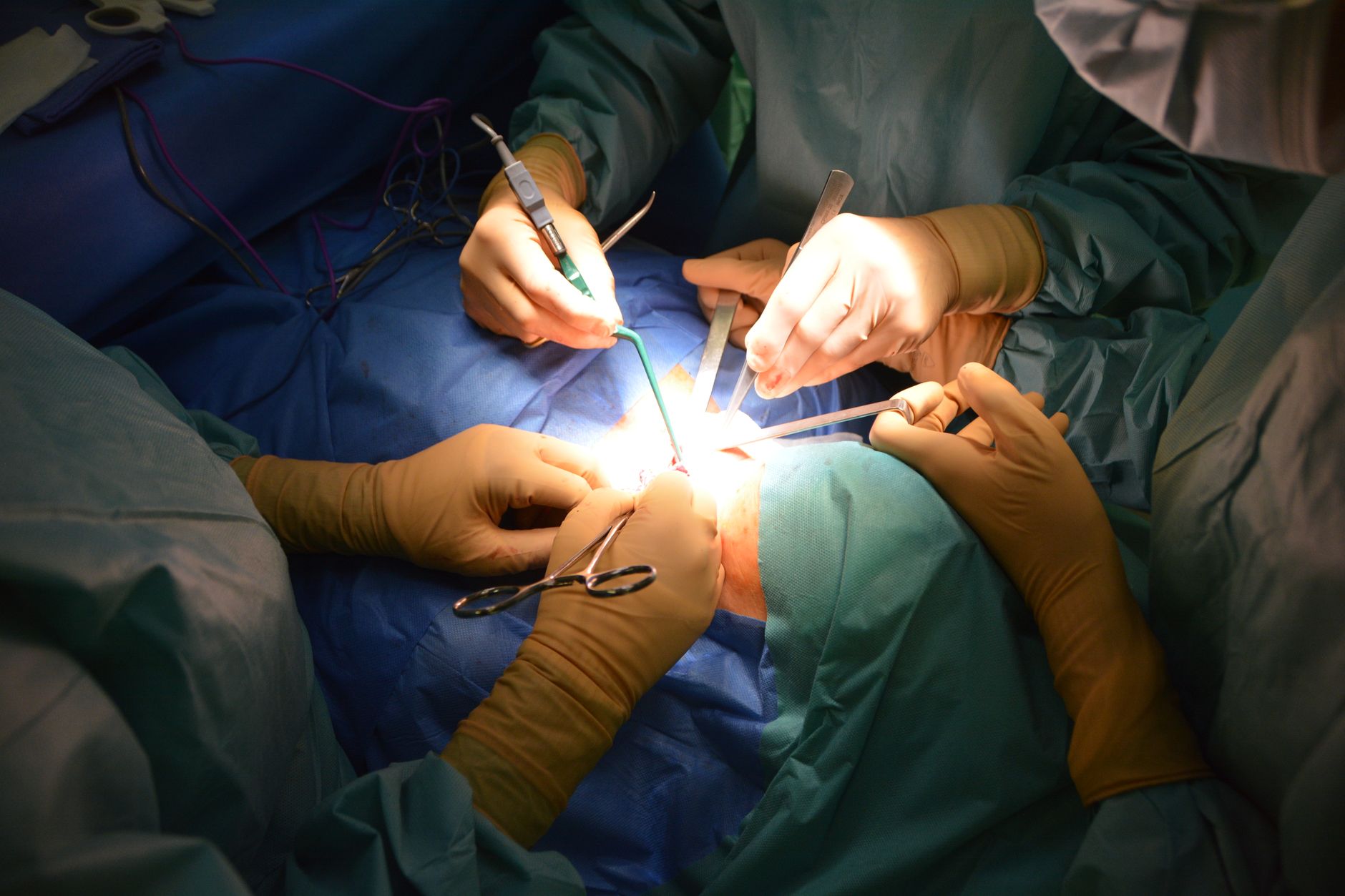
Complex shoulder reconstruction covers a wider spectrum: arthroscopic rotator cuff repair with tendon transfers, Latarjet procedures for recurrent dislocation, capsular release for frozen shoulder, and revision surgery after failed instability repairs. These are technically demanding operations that require both advanced arthroscopic skills and a deep understanding of shoulder biomechanics. Türkiye's shoulder teams perform these procedures routinely, often using 3D planning software and patient‑specific instrumentation to improve accuracy.
If you are unsure which procedure you need, do not worry. The pre‑operative assessment in Türkiye is thorough: you will undergo a fresh MRI or CT scan, possibly a 3D reconstruction, and a clinical examination by a shoulder specialist. Only then will the team confirm whether an anatomic or reverse replacement, or an arthroscopic reconstruction, gives you the best chance of a pain‑free, functional arm.
Key differences at a glance
- Anatomic replacement – preserves native anatomy, best for intact cuff and primary osteoarthritis.
- Reverse replacement – ideal for cuff tear arthropathy, complex fractures, revision cases.
- Arthroscopic reconstruction – minimally invasive, used for instability, rotator cuff tears, stiffness.
Arranging Pre‑operative Imaging and Surgical Planning Before You Travel
One of the biggest advantages of choosing Türkiye is that you can begin the medical part of your journey before you even board a plane. Most hospitals offer a telemedicine pre‑assessment: you upload your existing X‑rays, MRI scans and medical reports to a secure portal, and a shoulder surgeon reviews them within 24–48 hours. You then have a video consultation where the surgeon explains the likely procedure, the expected recovery and the total cost. This is not a sales pitch – it is a genuine surgical planning session.
If your imaging is outdated or incomplete, the hospital will advise you to repeat specific scans upon arrival. In Türkiye, advanced imaging is fast and affordable: an MRI of the shoulder can often be done the same day, and 3D CT planning for reverse shoulder replacement is standard in major orthopaedic centres. Blood tests, ECG, chest X‑ray and anaesthesia clearance are typically completed within one day, so surgery can be scheduled just 24–48 hours after you land.
For complex reconstruction cases, some teams use patient‑specific instrumentation (PSI) or custom guides based on your CT scan. This means the implants or guides are prepared before your surgery date, which is why early contact with the hospital is so valuable. Your medical tourism coordinator will guide you through the necessary documents, including passport details, insurance information (if applicable) and any previous surgical notes.
What to prepare before your trip
- Recent X‑rays, MRI or CT scans (digital files, DICOM format if possible).
- List of medications, allergies and previous surgeries.
- Passport valid for at least 6 months beyond your travel dates.
- Visa: most EU, UK, US and many other nationals can enter Türkiye visa‑free or with an e‑Visa for tourism; medical treatment is allowed under these entries.
- Travel insurance that covers medical complications – your coordinator can recommend policies.
Your Treatment Timeline: From Arrival to Early Physiotherapy
A typical shoulder replacement journey in Türkiye lasts 10–14 days on the ground, though complex revision cases may need a few extra days. Here is how the trip usually unfolds. Day 1–2: arrival, transfer to your hotel or hospital suite, pre‑operative tests and final surgical planning with your surgeon. Day 3: surgery. The procedure itself takes 1.5–3 hours depending on complexity, and you will spend a few hours in the recovery room before returning to your room.
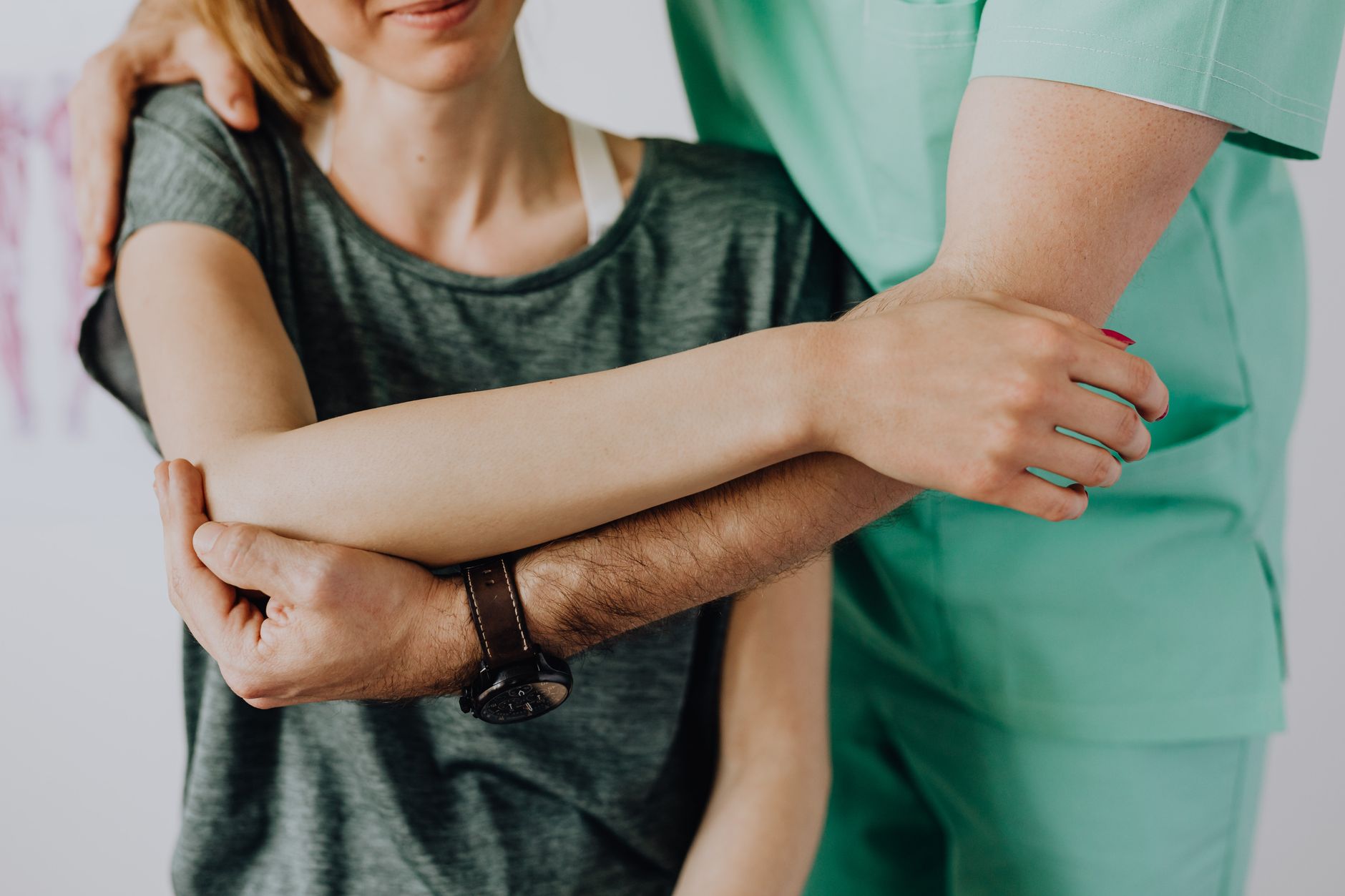
Day 4–5: you will be mobilised with a sling, and a physiotherapist will visit you in your room to begin gentle passive exercises. For reverse shoulder replacement, early controlled movement is crucial; for arthroscopic reconstruction, the protocol is tailored to the repair. Pain is managed with a multimodal approach, often including regional nerve blocks that keep you comfortable for the first 24–48 hours. Day 6–8: you will progress to assisted active exercises and start learning how to use your arm for light daily activities. Most patients are discharged from the hospital within 2–4 days, transferring to a hotel or rehabilitation facility nearby.
Day 9–14: the emphasis shifts to structured outpatient physiotherapy. You will attend daily sessions – sometimes twice a day – focusing on range of motion, scapular control and gradual strengthening. Before flying home, your surgeon will review you, take check X‑rays and provide a detailed rehabilitation plan to continue with your local physiotherapist.
Some hospitals offer on‑site rehabilitation apartments where you can stay with a companion and receive daily therapy without the hassle of commuting. This “hospital‑hotel‑rehab” model is one of the reasons Türkiye achieves excellent functional outcomes: patients get more supervised therapy in the first two weeks than they might in months at home.

Structured Rehabilitation: The Secret to a Pain‑Free Arm
Surgery is only half the story. The other half is rehabilitation, and Türkiye's shoulder teams treat it with equal seriousness. Their physiotherapists are specialised in shoulder rehabilitation and follow evidence‑based protocols that are adjusted to your procedure, tissue quality and goals. For reverse shoulder replacement, the focus is on deltoid re‑education and early active assisted elevation; for anatomic replacement, protecting the subscapularis repair is key; for arthroscopic reconstruction, the timeline respects tendon healing.
In the first two weeks after surgery, you can expect sessions that include passive range of motion, scapular stabilisation, and cryotherapy to reduce swelling. Manual therapy techniques are used gently to prevent stiffness. You will also be taught exercises to do on your own, often with the help of a companion. The physiotherapist will document your progress and send a report to your surgeon and to your home physiotherapist.
Before you fly home, you will receive a written rehabilitation plan covering the next 12 weeks. This typically includes a progression from assisted to active motion, then light resistance, and finally functional strengthening. Many Turkish hospitals also offer follow‑up video consultations at 6 weeks and 3 months, so you are never left alone after you leave. This structured pathway is why patients often report regaining pain‑free use of their arm within 3–6 months, with continued improvement for up to a year.
Rehabilitation milestones
- Weeks 0–2: protect the repair, control pain, begin passive motion.
- Weeks 2–6: active assisted motion, gentle strengthening, avoid heavy lifting.
- Weeks 6–12: active motion, light resistance, daily activities.
- Months 3–6: progressive strengthening, return to most activities.
- Months 6–12: full functional recovery, sports‑specific training if desired.
Practical Tips for a Smooth Medical Trip to Türkiye
Planning a medical trip can feel overwhelming, but a few practical steps make it easy. First, choose a hospital with a dedicated shoulder unit and a track record in complex reconstruction – your medical tourism coordinator can provide outcome data and surgeon CVs. Second, ask for a written treatment plan and cost breakdown before you pay any deposit. Reputable hospitals provide this without pressure. Third, arrange your accommodation close to the hospital; many clinics have partnerships with nearby hotels that offer medical rates and shuttle services.
Pack loose‑fitting tops that can be put on with one arm, a supportive sling (often provided), and comfortable shoes. Bring your own pillow if you have a preferred one – you will spend a lot of time resting. If you take blood thinners or have chronic conditions, inform your surgeon early so medications can be adjusted safely. And remember: most hospitals in Türkiye have English‑speaking staff or interpreters, so language is rarely a barrier.
Finally, consider combining your recovery with a little gentle tourism. Istanbul's parks, Bosphorus views and cafés are perfect for short walks once you are mobile. Many patients find that the calm, sunny environment of a Turkish coastal city or the vibrant energy of Istanbul adds a psychological boost to their recovery. Just follow your physiotherapist's advice on activity – no heavy luggage, no sudden movements, and no swimming until cleared.
With careful planning, Türkiye offers a world‑class shoulder replacement and reconstruction experience that is efficient, affordable and surprisingly pleasant. Your shoulder team's goal is simple: to help you regain pain‑free use of your arm and get back to the life you love.
Thinking about treatment in Turkey?
Share your contact details and a verified doctor will follow up with a plan built around you — free, no obligation.