
Introduction: A Hopeful Path for Brain Metastases
Receiving a diagnosis of brain metastases can feel overwhelming. It introduces a new layer of complexity to an already challenging cancer journey. Yet, amidst the uncertainty, medical science has made remarkable strides. Today, stereotactic radiosurgery (SRS) offers a powerful, non-invasive option for treating brain tumours with pinpoint accuracy, often without the need for open surgery. For many international patients, accessing this advanced technology can be difficult due to long waiting lists, limited availability, or high costs in their home countries. Türkiye has emerged as a global leader in this field, combining state-of-the-art Gamma Knife and CyberKnife centres with JCI-accredited hospitals, highly experienced multidisciplinary teams, and rapid scheduling. This guide explores how Türkiye provides advanced, compassionate cancer care close to home for many travellers.
SRS is not a traditional surgery. It uses hundreds of precisely focused radiation beams to deliver a high dose of radiation to the tumour while sparing surrounding healthy tissue. It is a revolutionary approach for brain metastases, offering control of the disease with minimal disruption to the patient's quality of life. In Türkiye, this technology is not a novelty; it is a standard of care, backed by years of expertise and a patient-centric philosophy.
If you or a loved one are exploring treatment options abroad, understanding the landscape of SRS in Türkiye can be empowering. This guide will walk you through the technology, the benefits, the process, and why Türkiye has become a beacon of hope for so many.
Understanding Stereotactic Radiosurgery: Gamma Knife and CyberKnife
Stereotactic radiosurgery is a highly precise form of radiation therapy. Unlike conventional radiation, which may treat larger areas over many sessions, SRS delivers a single, high dose of radiation to a small, well-defined target. This is made possible by advanced imaging and computer guidance systems. The two most prominent platforms are Gamma Knife and CyberKnife, both available in Türkiye's leading hospitals.
Gamma Knife is considered the gold standard for treating brain metastases. Despite its name, it involves no surgery. It uses 192 or 201 small cobalt-60 sources that converge on the target, delivering a highly conformal dose. Gamma Knife is renowned for its accuracy, often achieving sub-millimetre precision. It is particularly effective for multiple metastases and tumours located near critical structures. The procedure is typically completed in a single session, though it may be staged for larger lesions.
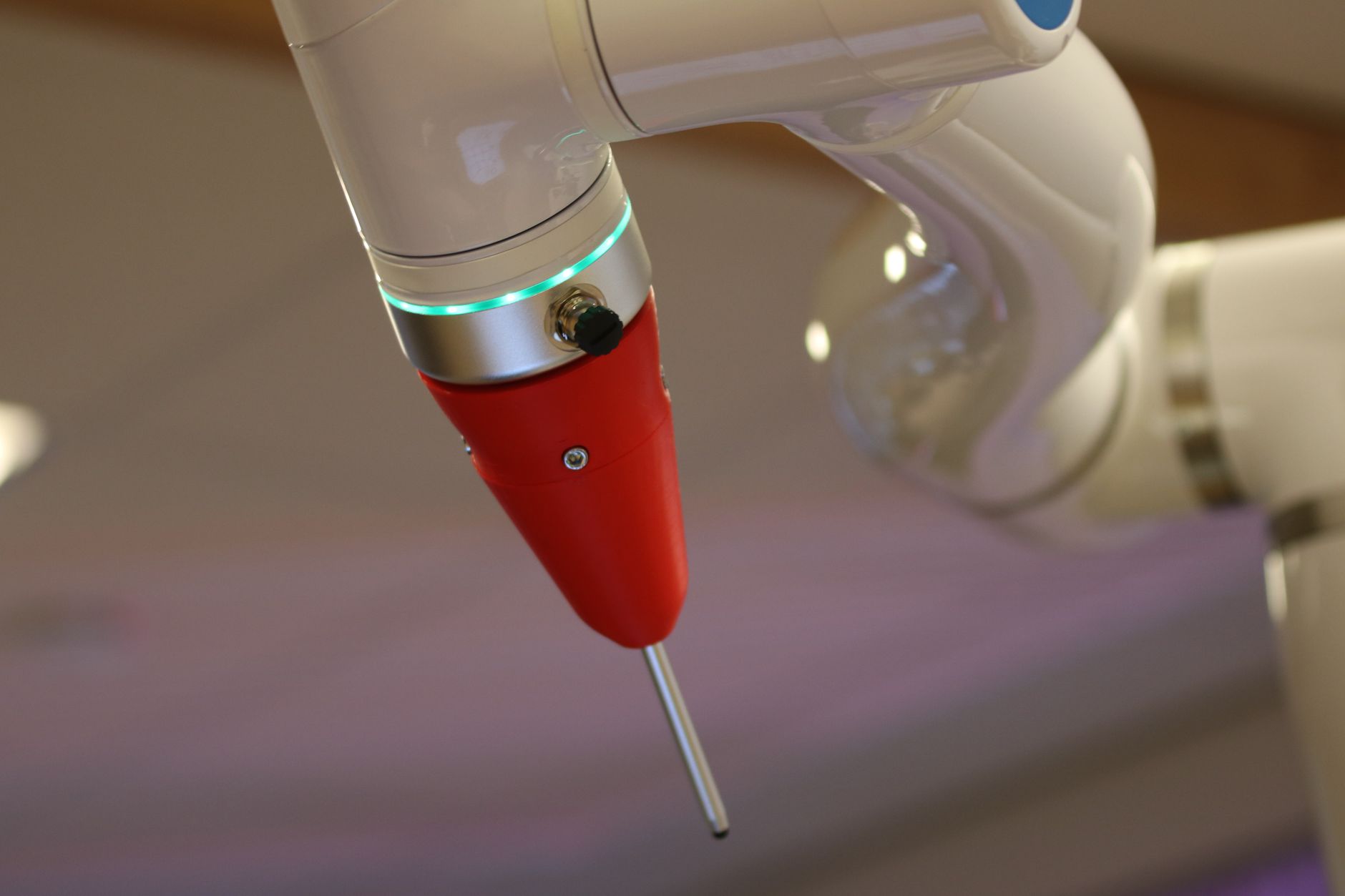
CyberKnife is a robotic radiosurgery system that combines a lightweight linear accelerator with a robotic arm. It uses real-time imaging to track the tumour's position, adjusting the radiation beams accordingly. This makes it ideal for tumours that move or are difficult to immobilise, and it can treat lesions throughout the body, not just the brain. CyberKnife is often used for metastases that are close to sensitive areas or when re-irradiation is needed.
Both technologies are available in Türkiye's top-tier hospitals. The choice between them depends on the specific characteristics of the metastases, the patient's overall health, and the multidisciplinary team's recommendation. The key is that Türkiye offers both options, ensuring patients receive the most appropriate treatment for their unique situation.
Why Türkiye? A Hub for Advanced Radiosurgery
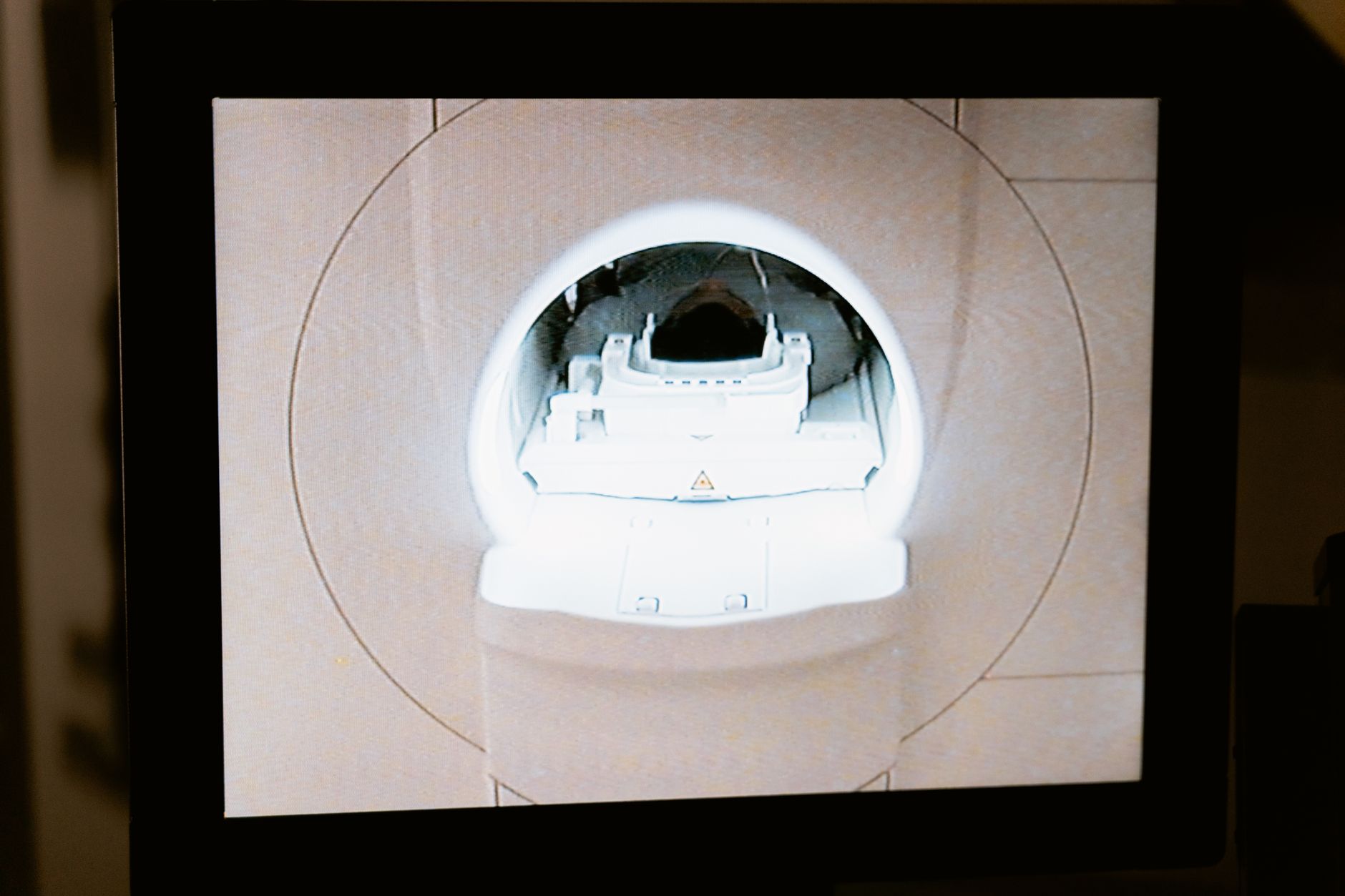
Türkiye has invested heavily in healthcare infrastructure over the past two decades, resulting in a network of modern hospitals equipped with the latest medical technology. Many of these hospitals are accredited by the Joint Commission International (JCI), reflecting their adherence to rigorous international standards for patient safety and quality. This makes Türkiye a trusted destination for complex oncology care.
One of the most compelling advantages is rapid scheduling. In many countries, patients face weeks or even months of waiting for a radiosurgery consultation and treatment. In Türkiye, international patients can often be scheduled within days. This speed is critical for brain metastases, where timely intervention can prevent neurological deterioration and improve outcomes. The efficiency of Turkish hospitals is a direct result of their high patient volumes and streamlined processes.
Moreover, the cost of Gamma Knife and CyberKnife treatment in Türkiye is significantly lower than in the United States or Western Europe, often by 50-70%, without compromising quality. This affordability makes advanced care accessible to a broader range of patients. Many hospitals offer all-inclusive packages that cover consultations, imaging, the procedure, and follow-up, providing financial predictability.
Beyond technology and cost, Türkiye offers a warm, welcoming environment. Istanbul, Ankara, and Izmir are cosmopolitan cities with a rich cultural heritage, offering comfort and distraction during treatment. The medical teams are known for their compassion and personalised approach, ensuring patients feel supported every step of the way.
The Patient Journey: What to Expect at a Turkish Hospital
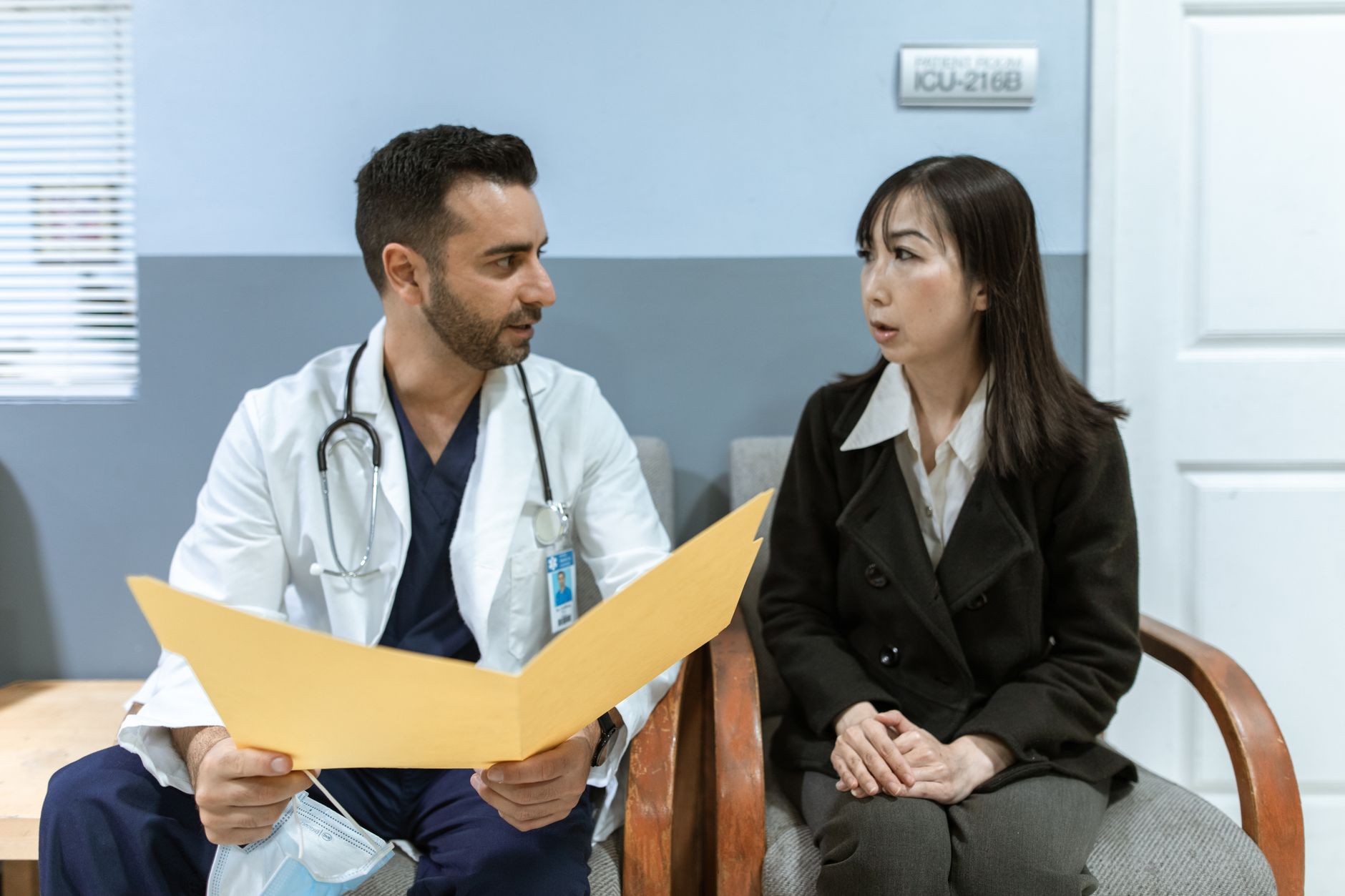
Your journey typically begins with a remote consultation. You will submit your medical records, including MRI and CT scans, to the hospital's international patient department. A multidisciplinary team—including neurosurgeons, radiation oncologists, medical physicists, and oncologists—reviews your case. They will determine if SRS is suitable and which platform is best. You will receive a detailed treatment plan and a cost estimate, usually within 48 hours.
Upon arrival in Türkiye, you will have an in-person consultation and possibly additional imaging. For Gamma Knife, the day of treatment begins with the placement of a lightweight head frame under local anaesthesia. This frame ensures precise targeting. You will then undergo an MRI or CT scan with the frame in place to map the exact location of the metastases. The treatment plan is fine-tuned, and then you receive the radiation. The procedure itself is painless and can take 30 minutes to a few hours, depending on the number of lesions. You can often go home the same day.
For CyberKnife, no head frame is needed. You will lie on a treatment table, and the robotic arm moves around you, delivering radiation from multiple angles. The system tracks your position in real-time, so you can breathe normally. Treatments are usually completed in one to five sessions, often on an outpatient basis. After treatment, you will have a follow-up MRI typically after 3 months to assess the response.
Throughout your stay, the hospital's international patient team assists with logistics, including visa letters, accommodation, translation, and airport transfers. Many hospitals have multilingual staff and dedicated patient coordinators. The goal is to make your experience as seamless and stress-free as possible, allowing you to focus on your health.
Benefits of Radiosurgery: No Scalpel, Short Recovery
The most significant advantage of SRS is that it is non-invasive. There is no incision, no general anaesthesia (for Gamma Knife, only local anaesthesia for the frame), and no risk of surgical complications such as infection or bleeding. This is particularly important for patients with brain metastases, who may be immunocompromised or have other health issues that make open surgery risky.
Recovery is remarkably quick. Most patients resume their normal activities within a day or two. For Gamma Knife, you may have a mild headache or tenderness at the frame site, but this resolves quickly. For CyberKnife, there is no recovery period at all; you can go sightseeing in Istanbul the same day. This stands in stark contrast to conventional brain surgery, which requires weeks of recovery and hospitalisation.
Furthermore, SRS can be used to treat multiple metastases in a single session, and it can be repeated if new lesions appear. It is also an excellent option for tumours that are inoperable due to their location. By controlling brain metastases, SRS can improve quality of life, relieve symptoms, and extend survival. It is a cornerstone of modern neuro-oncology.
In Türkiye, these benefits are delivered with a level of expertise that rivals the best centres worldwide. The high volume of cases treated at Turkish hospitals means their teams have seen it all, and they are adept at handling complex presentations.
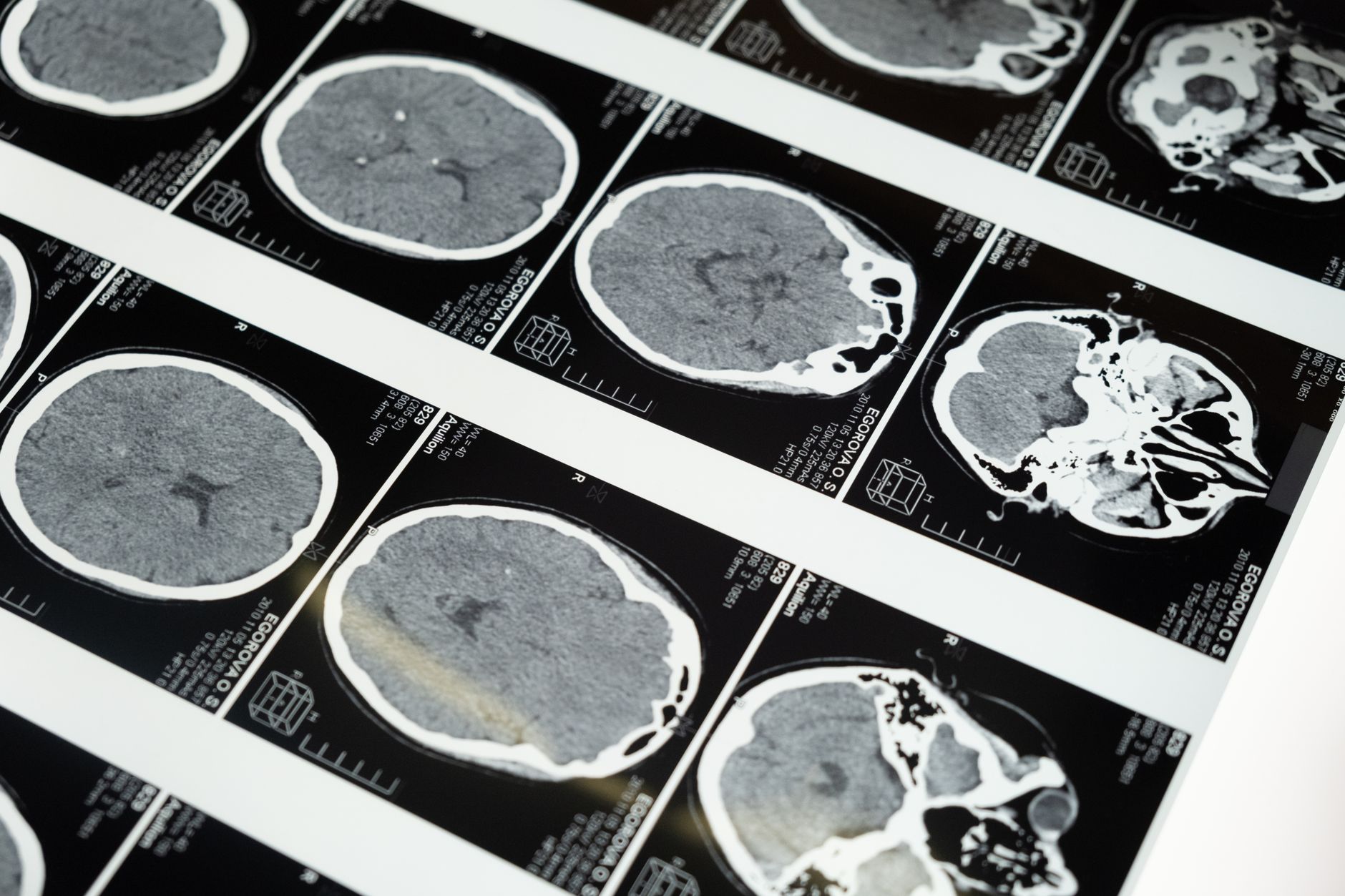
Coordinated Multidisciplinary Care in JCI-Accredited Hospitals
Cancer care is not a solo endeavour; it requires a team. In Türkiye's leading hospitals, your case is managed by a multidisciplinary tumour board. This team includes neurosurgeons, radiation oncologists, medical physicists, radiologists, pathologists, and medical oncologists. They meet regularly to discuss complex cases, ensuring that every patient receives a personalised, evidence-based treatment plan.
JCI accreditation is a testament to the hospital's commitment to excellence. It means the hospital meets or exceeds international benchmarks for patient care, infection control, medication management, and staff qualifications. For international patients, this provides peace of mind, knowing they are in safe hands. Many Turkish hospitals also hold ISO certifications and are affiliated with prestigious universities.
The coordination extends beyond the medical team. International patient departments are staffed with multilingual coordinators who act as your liaison. They help schedule appointments, arrange transportation, and facilitate communication between you and your doctors. They also provide support for your family, helping with accommodation and local information. This holistic approach addresses not just the disease, but the person.
After treatment, your care continues. The team will coordinate with your local oncologist to ensure seamless follow-up. They provide detailed reports and imaging, and are available for virtual consultations. This continuity of care is vital for managing brain metastases, which may require ongoing monitoring and adjustments in treatment.

Practical Tips for International Patients
Planning a medical trip to Türkiye requires some preparation. First, ensure your passport is valid for at least six months beyond your planned stay. Many nationalities require a visa for Türkiye; check the latest requirements and apply online for an e-Visa if eligible. Hospitals can provide an invitation letter to support your visa application. It's also wise to purchase travel insurance that covers medical treatment and potential complications.
When selecting a hospital, look for JCI accreditation and a dedicated international patient department. Research the hospital's experience with SRS and ask about the specific technology they use (Gamma Knife model, CyberKnife version). Request a treatment plan and cost estimate in writing. Do not hesitate to ask questions about the team's qualifications and outcomes. Many hospitals offer virtual tours and video consultations, which can help you feel more comfortable before travelling.
Pack comfortable clothing, as you may spend some time in waiting areas. Bring copies of all your medical records, including imaging on CDs or USB drives, and a list of your current medications. If you have dietary restrictions or allergies, inform the hospital in advance. It's also helpful to have a companion to assist with logistics and provide emotional support.
While in Türkiye, take time to rest and recover. Istanbul offers beautiful parks, historic sites, and delicious cuisine, but don't overexert yourself. Follow your doctor's advice regarding activity levels. Stay hydrated, eat well, and get plenty of sleep. Your body is healing, and giving it the best conditions for recovery is important.
Conclusion: A Hopeful Future with Türkiye's Precision Care
Brain metastases are a serious diagnosis, but they are not a dead end. With advances in stereotactic radiosurgery, many patients can achieve control of their disease with minimal disruption to their lives. Türkiye's Gamma Knife and CyberKnife centres offer a compelling combination of precision, speed, affordability, and compassion. They provide world-class care in JCI-accredited hospitals, supported by multidisciplinary teams who treat each patient as an individual.
For international patients, Türkiye is not just a destination; it is a partner in their journey. The country's commitment to medical excellence and hospitality ensures that patients receive the best possible care while feeling welcomed and valued. If you are considering SRS for brain metastases, we encourage you to explore the options available in Türkiye. Reach out to the international patient departments, ask questions, and take control of your health. With Türkiye's advanced healthcare system, hope is within reach.
Thinking about treatment in Turkey?
Share your contact details and a verified doctor will follow up with a plan built around you — free, no obligation.