

Understanding Thyroid Eye Disease: A Condition That Deserves Expert Hands
Thyroid eye disease (TED), also known as Graves' orbitopathy, is an autoimmune condition that affects the tissues around the eyes. It can cause bulging eyes (proptosis), dry or watery eyes, double vision, eyelid retraction, and in severe cases, compression of the optic nerve that threatens sight. For many international patients, the search for effective treatment leads to specialised centres where endocrinologists and oculoplastic surgeons work side by side.
Türkiye has become a global destination for TED management because its leading hospitals bring together two crucial specialties under one roof: endocrinology and oculoplastic surgery. This multidisciplinary model allows patients to receive a precise diagnosis, medical stabilisation, and, when necessary, advanced orbital decompression surgery without the delays and fragmented care that often occur elsewhere.
In this guide, we explain how Türkiye's hospital-based programmes approach thyroid eye disease, what orbital decompression involves, and why international patients are choosing Türkiye for coordinated, compassionate, and highly specialised care.
Why Multidisciplinary Care Matters in Thyroid Eye Disease
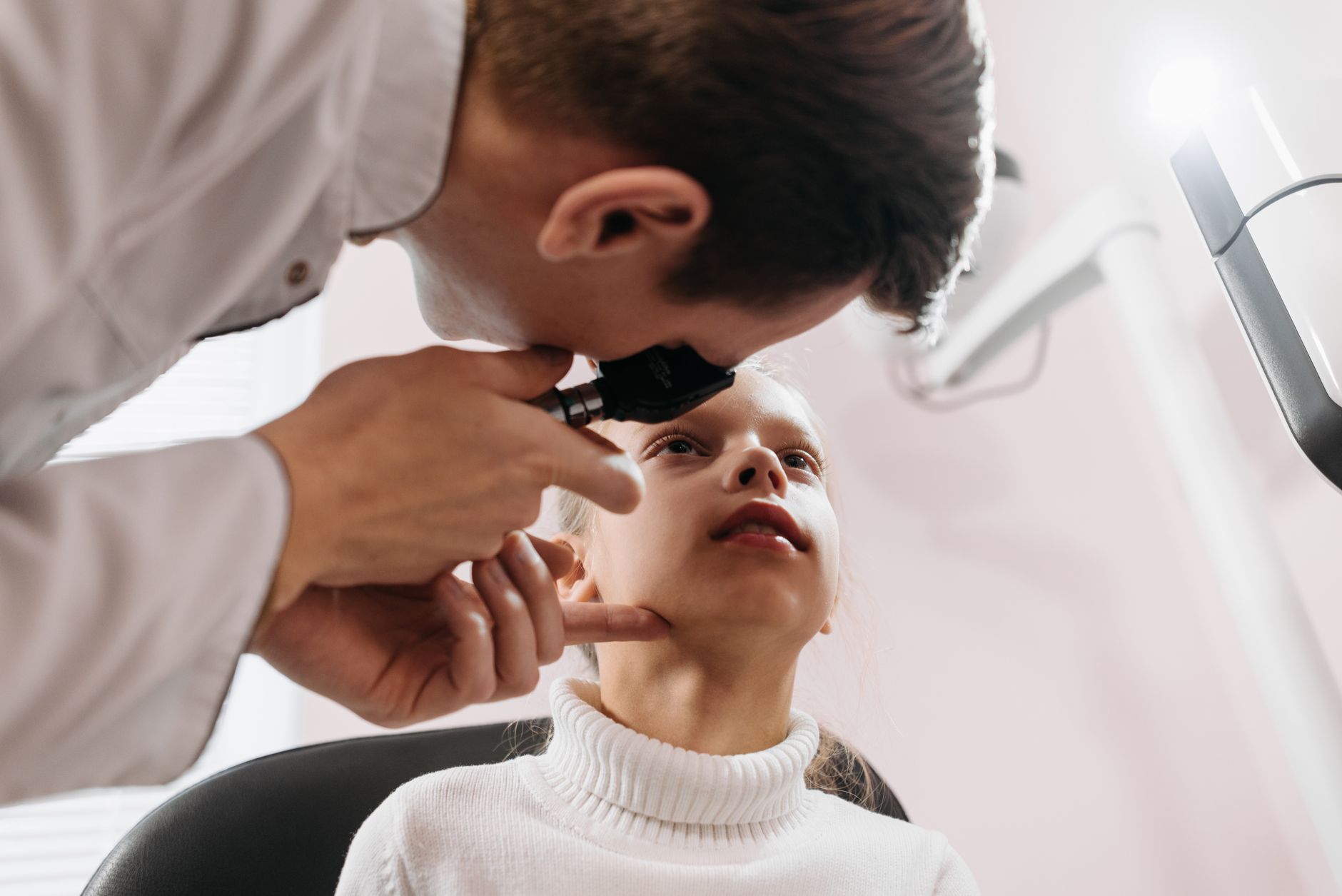
Thyroid eye disease is not just an eye problem or a thyroid problem—it is both. The autoimmune process that affects the thyroid gland can also inflame the muscles and fat behind the eyes. Therefore, the ideal treatment team includes an endocrinologist who manages thyroid hormone levels, an oculoplastic surgeon who addresses the structural changes around the eye, and a radiologist who uses advanced imaging to visualise the orbit in detail.
In Türkiye's top hospitals, these specialists meet regularly to discuss complex cases. They review MRI and CT scans together, correlate them with clinical findings, and create a personalised treatment plan. This collaborative approach ensures that surgery is performed only when the disease is inactive or when urgent decompression is needed to save vision.
For international patients, this means fewer appointments, faster decision-making, and a clear roadmap from diagnosis to recovery. It also means that the endocrinologist and surgeon communicate directly, so thyroid medication adjustments and surgical timing are perfectly coordinated.
Advanced Imaging: Seeing Beyond the Surface
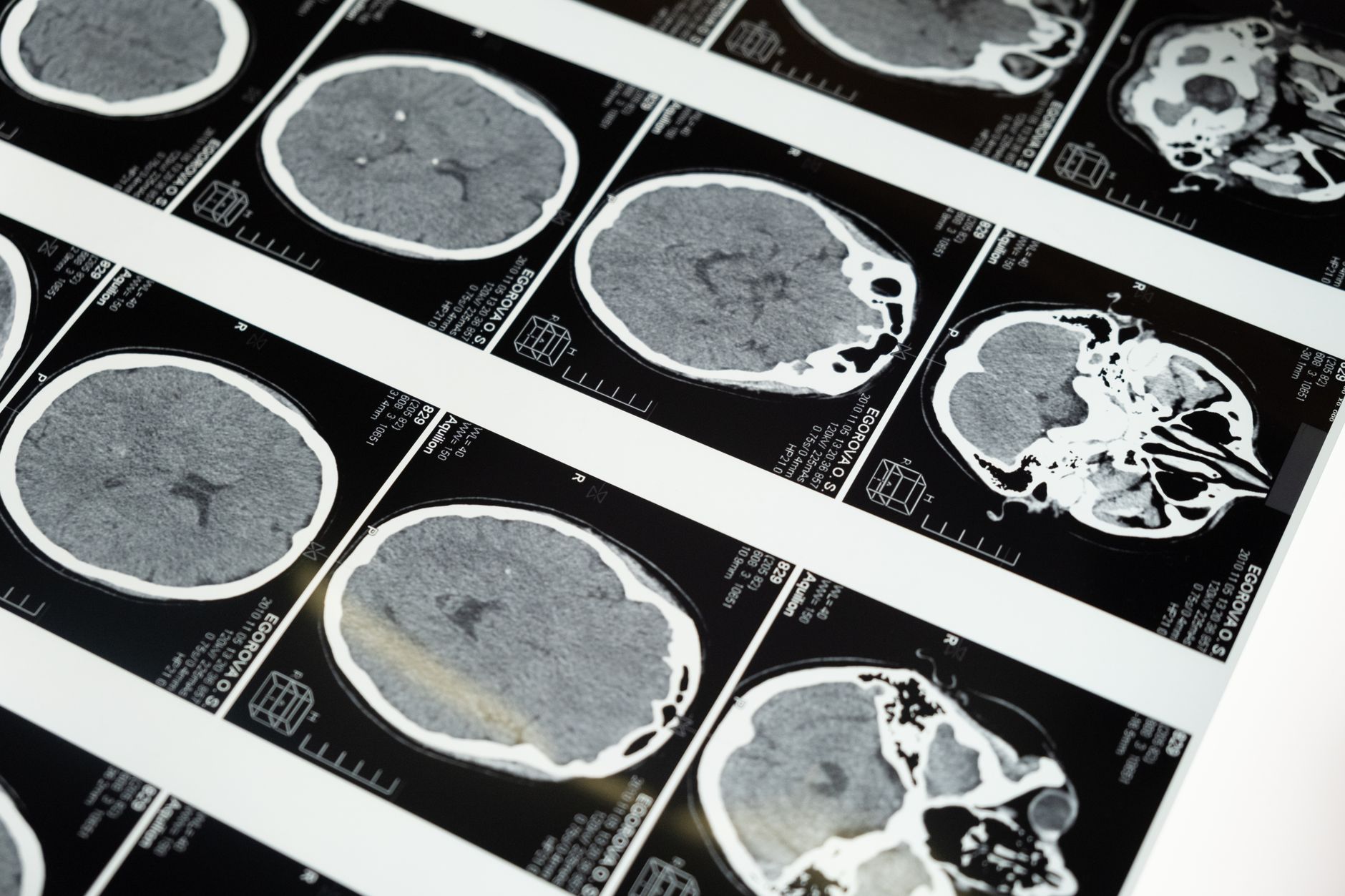
Türkiye's leading medical centres invest in high-resolution imaging technologies that are essential for planning orbital decompression. These include 3-Tesla MRI with fat-suppression sequences, high-frequency orbital ultrasound, and low-dose CT scans that provide detailed bone anatomy. Each modality offers unique information about muscle enlargement, fat proliferation, and optic nerve compression.
For example, MRI can show active inflammation (edema) within the extraocular muscles, which helps determine whether the disease is in an active or inactive phase. This distinction is critical because surgery during the active phase can lead to unpredictable results. CT scans, on the other hand, are invaluable for surgical navigation, allowing the surgeon to map the bony walls of the orbit and plan the safest approach.
Patients benefit from these technologies through more accurate diagnoses and tailored surgical plans. Instead of a one-size-fits-all operation, the surgeon can decide exactly which orbital walls to decompress and how much fat to remove, optimising both cosmetic and functional outcomes.
Orbital Decompression: The Surgical Solution for Bulging Eyes
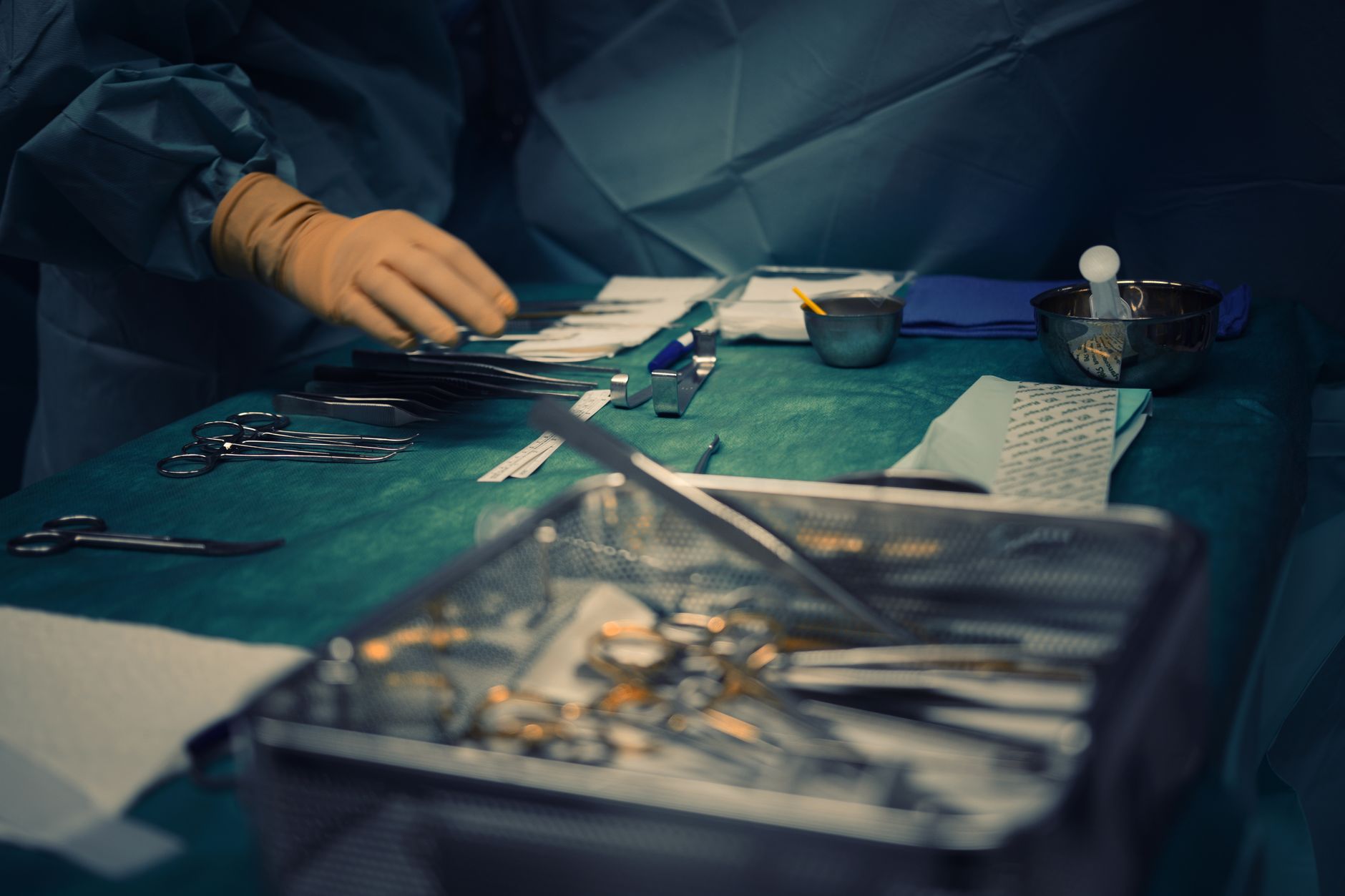
Orbital decompression is a surgical procedure designed to relieve pressure within the orbit by creating more space for the eyes to sit back. It is typically recommended for patients with significant proptosis that causes exposure keratopathy, disfiguring bulging, or compressive optic neuropathy. The surgery involves removing parts of the orbital bone (medial wall, floor, and sometimes lateral wall) and/or removing orbital fat.
In Türkiye, oculoplastic surgeons perform orbital decompression using minimally invasive techniques, often through hidden incisions inside the eyelid or the mouth. This approach reduces scarring and speeds up recovery. The surgery is performed under general anaesthesia and usually takes two to three hours per eye. Patients may stay in the hospital for one to two nights.
The results can be life-changing: eyes that were once bulging and uncomfortable settle back into a more natural position, dry eye symptoms improve, and vision is preserved. Many patients also report a significant boost in self-confidence and quality of life.
The Patient Journey: From Consultation to Recovery
For international patients, the journey typically begins with an online consultation. You will be asked to send recent thyroid function tests, an MRI or CT scan of the orbits, and photographs of your eyes. The Turkish medical team reviews these materials and provides a preliminary assessment, often within 48 hours.
Once you decide to proceed, the hospital's international patient department helps with travel arrangements, visa invitation letters, and scheduling. Upon arrival, you undergo a comprehensive evaluation, including blood tests, imaging, and a physical examination by both the endocrinologist and the oculoplastic surgeon. A personalised treatment plan is then discussed with you in detail.
If surgery is recommended, it is usually scheduled within a few days. After the procedure, you will have follow-up visits with your surgical team before returning home. The hospital provides a detailed recovery plan, including medication instructions and contact information for any concerns that may arise after you leave.
Throughout the process, interpreters are available to ensure clear communication. Many hospitals also offer assistance with accommodation and local transportation, making the experience as smooth as possible.
Why Türkiye? Expertise, Technology, and Compassion
Türkiye has emerged as a hub for medical tourism because it combines highly skilled specialists, state-of-the-art facilities, and affordable prices. In the field of thyroid eye disease, Turkish oculoplastic surgeons are often trained in leading centres in Europe and the United States and have extensive experience with complex orbital cases.
Moreover, the country's hospitals are equipped with the latest diagnostic and surgical tools, including navigational systems for orbital surgery and dedicated thyroid eye disease clinics. The multidisciplinary approach is not just a buzzword—it is the standard of care.
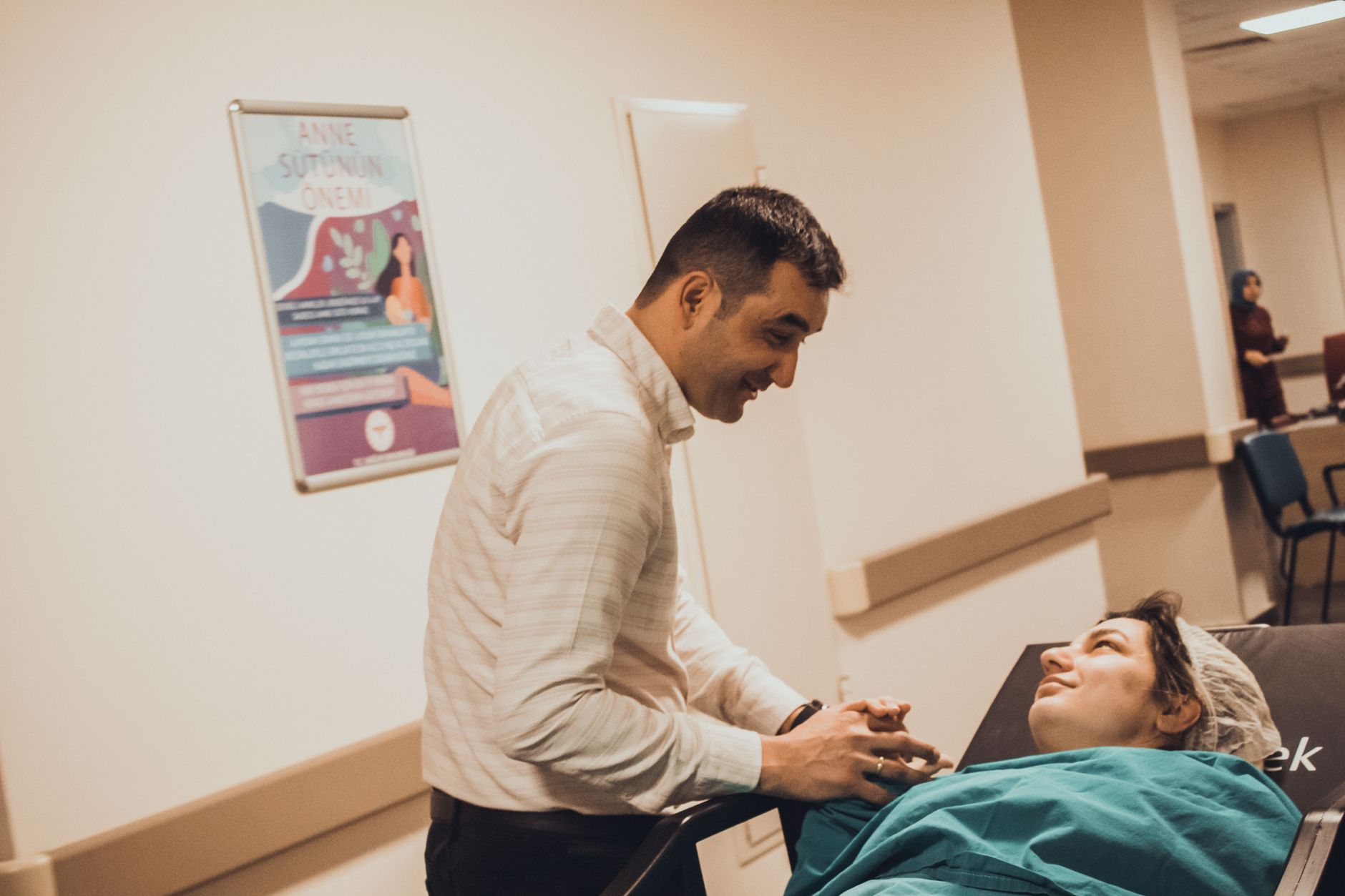
International patients also appreciate the warmth and hospitality of Turkish culture. From the moment you arrive, you are treated not just as a patient but as a guest. This combination of medical excellence and human kindness makes Türkiye a truly special place for healing.
Practical Tips for International Patients
Before travelling, ensure your passport is valid for at least six months beyond your planned stay. Check visa requirements for Türkiye; many nationalities can obtain an e-visa online. It is also wise to purchase travel insurance that covers medical complications and trip cancellation.
Pack comfortable clothing, sunglasses to protect your eyes from sunlight and wind after surgery, and any prescription medications you currently take. Bring copies of your medical records, including recent thyroid function tests and imaging reports, in English or Turkish.
Discuss payment options with the hospital in advance. Most hospitals accept bank transfers, credit cards, and sometimes cash. Ask for a detailed cost estimate that includes surgery, hospital stay, medications, and follow-up visits.
Finally, plan for a stay of at least 10–14 days to allow for pre-operative assessments, surgery, and initial recovery. Your medical team will advise you on when it is safe to fly home.
Looking Ahead: A Future Without Bulging Eyes
Thyroid eye disease can be daunting, but with the right team, it is manageable. Türkiye's hospital-based programmes offer a beacon of hope for international patients seeking expert care. By integrating endocrinology, oculoplastic surgery, and advanced imaging, these centres provide a comprehensive solution that addresses both the medical and emotional aspects of the condition.
If you are struggling with the symptoms of TED, do not hesitate to seek help. A consultation with a specialised team can open the door to a brighter, more comfortable future. With Türkiye's expertise and compassion, you can look forward to improved vision, reduced discomfort, and a renewed sense of confidence.
Thinking about treatment in Turkey?
Share your contact details and a verified doctor will follow up with a plan built around you — free, no obligation.