

Why Türkiye Leads in Uterine Fibroid Care
Türkiye has emerged as a global destination for women seeking advanced, minimally invasive treatment for uterine fibroids. With a network of internationally accredited hospitals and a deep tradition of medical excellence, the country offers a unique blend of cutting-edge technology, highly trained specialists, and patient-centred care. For women struggling with fibroid symptoms—heavy bleeding, pelvic pain, and fertility challenges—Türkiye presents a compelling option that prioritises both relief and reproductive health.
Turkish hospitals invest heavily in the latest diagnostic and surgical equipment, from 3T MRI scanners to robotic-assisted laparoscopy platforms. This technological edge allows specialists to precisely map fibroids and tailor treatment to each woman's anatomy and family-building goals. What truly sets Türkiye apart, however, is the mindset of its leading gynaecologists: they are staunch advocates of fertility preservation. Rather than rushing to hysterectomy, they explore every avenue to remove fibroids while keeping the uterus intact and functional.
For international patients, this expertise is accessible through streamlined medical tourism pathways. Hospitals in Istanbul, Ankara, and Izmir have dedicated international departments that coordinate every step—from initial teleconsultation to post-operative follow-up—often within a single trip. The result is a healthcare experience that feels both world-class and warmly personal.
Understanding Uterine Fibroids and Your Treatment Options
Uterine fibroids (leiomyomas) are non-cancerous tumours that develop in the muscular wall of the uterus. They are incredibly common, affecting up to 70% of women by age 50, though not all require treatment. When symptoms interfere with daily life or fertility, intervention becomes necessary. The good news is that modern medicine offers several uterus-sparing options, and Türkiye's specialists are experts in all of them.
The three primary hospital-based treatments available in Türkiye are uterine artery embolisation (UAE), radiofrequency ablation (RFA), and laparoscopic myomectomy. Each has distinct advantages depending on the size, number, and location of fibroids, as well as the patient's desire for future pregnancy. During your consultation, your doctor will review your imaging and history to recommend the most suitable approach—or a combination.
It's important to note that Turkish hospitals do not treat fibroids with a one-size-fits-all mentality. They recognise that a woman's reproductive plans, symptom severity, and even her timeline for recovery all play a role. This individualised approach is why so many international patients leave Türkiye feeling empowered and optimistic about their health.
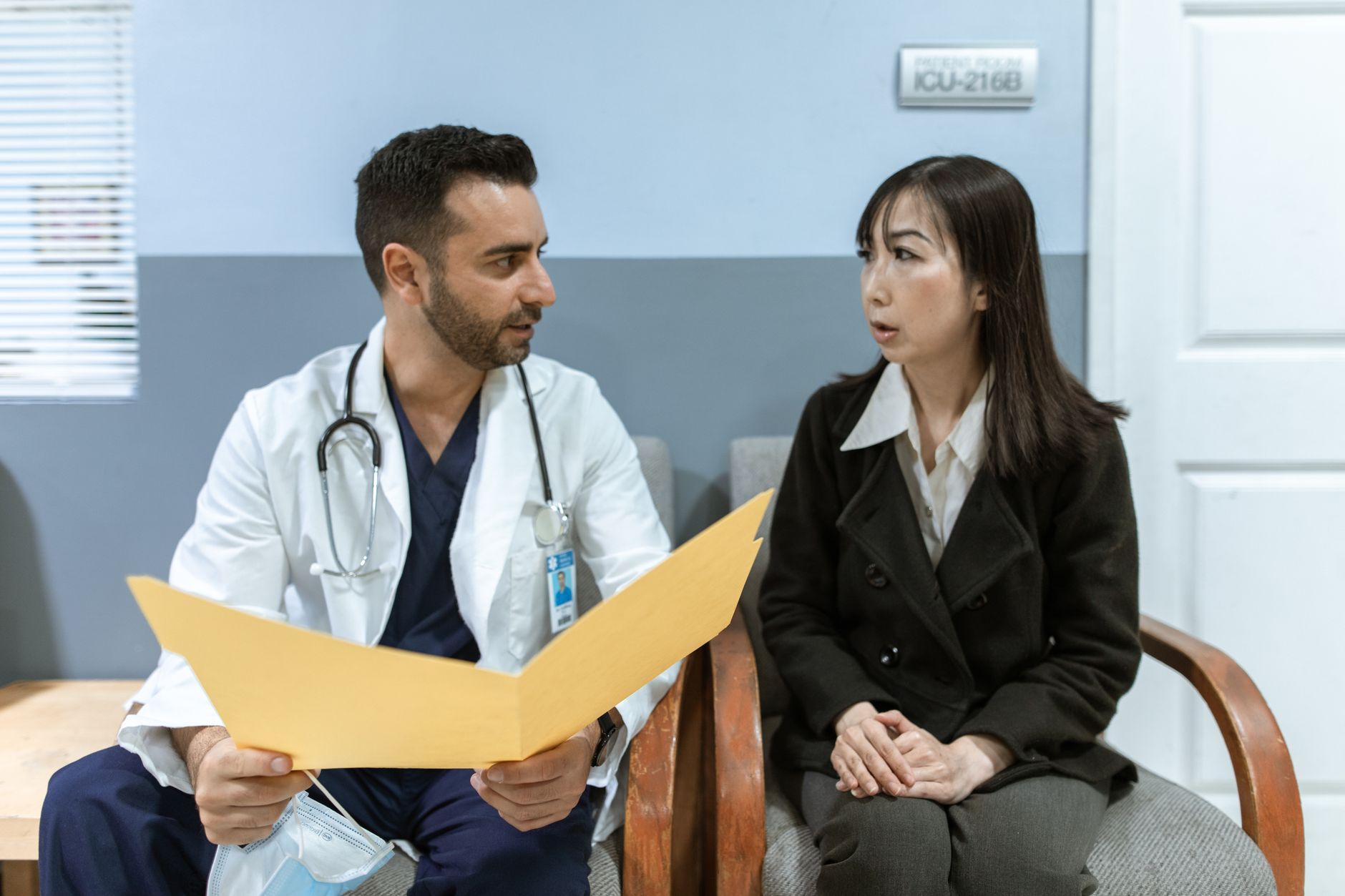
Uterine Artery Embolisation (UAE): A Minimally Invasive Solution
Uterine artery embolisation is a nonsurgical procedure performed by interventional radiologists. A tiny catheter is guided into the arteries supplying blood to the fibroids, and small particles are injected to block that blood flow. Deprived of oxygen and nutrients, the fibroids shrink over time, often by 30–50% within six months. Symptoms like heavy bleeding and pressure typically improve dramatically.
In Türkiye, UAE is performed in state-of-the-art angiography suites with advanced imaging guidance. The procedure usually takes less than an hour, and most women go home the same day or after an overnight stay. Recovery is relatively quick—many return to normal activities within a week. Because UAE does not involve uterine incisions, it may be a good option for women who want to avoid surgery or have multiple fibroids that would be difficult to remove individually.
Fertility after UAE remains a topic of discussion, but many studies show that it can preserve ovarian function and allow for future pregnancy. Turkish specialists are careful to use techniques that minimise ovarian exposure to embolic agents. They also counsel patients thoroughly on the potential risks and benefits, ensuring that the decision aligns with their family-building goals. For women who are not planning pregnancy immediately but wish to keep their uterus, UAE can be an excellent choice.
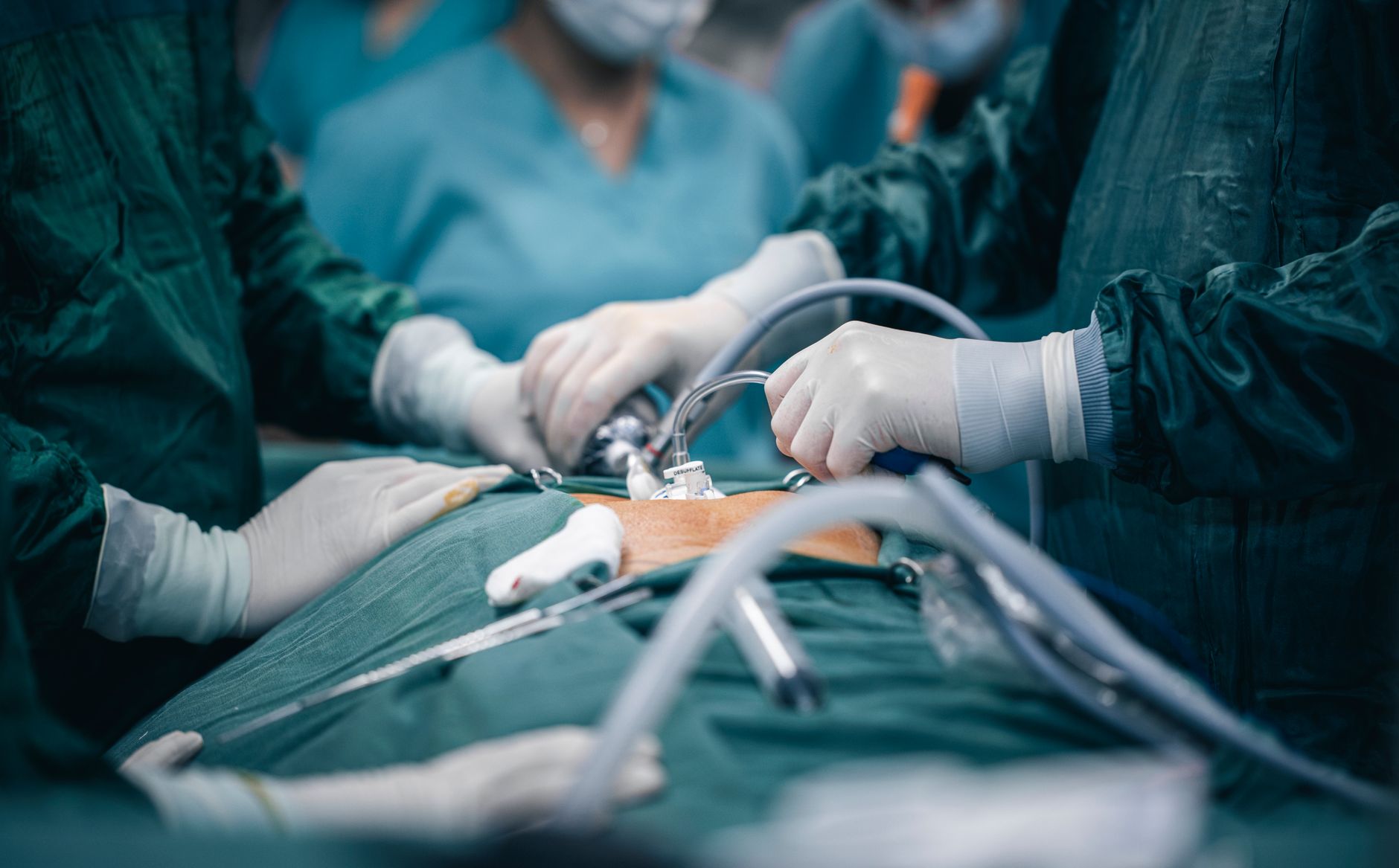
Radiofrequency Ablation (RFA): Precision without Surgery
Radiofrequency ablation is another minimally invasive technique that uses heat to destroy fibroid tissue. Under imaging guidance (usually ultrasound or MRI), a thin electrode is inserted through the skin or through the vagina and cervix (transcervical RFA) to deliver controlled radiofrequency energy. The fibroid tissue coagulates and gradually shrinks, while surrounding healthy uterine tissue is preserved.
Turkish hospitals are among the pioneers in offering transcervical RFA, a scarless procedure that can be performed on an outpatient basis. This approach is particularly appealing for women with submucosal fibroids that cause heavy bleeding. Because there are no incisions, recovery is swift—most patients resume light activities within a day or two. The procedure can be repeated if new fibroids appear, making it a flexible long-term strategy.
RFA is not suitable for all fibroids; very large or numerous fibroids may be better addressed with other methods. However, for appropriately selected candidates, it offers an excellent balance of effectiveness and minimal downtime. Turkish gynaecologists are meticulous in their selection criteria, using advanced imaging to determine if RFA is the right fit. They also emphasise that while RFA preserves the uterus, its impact on fertility is still being studied, so it is often recommended for women who have completed childbearing or who are not yet ready for pregnancy.
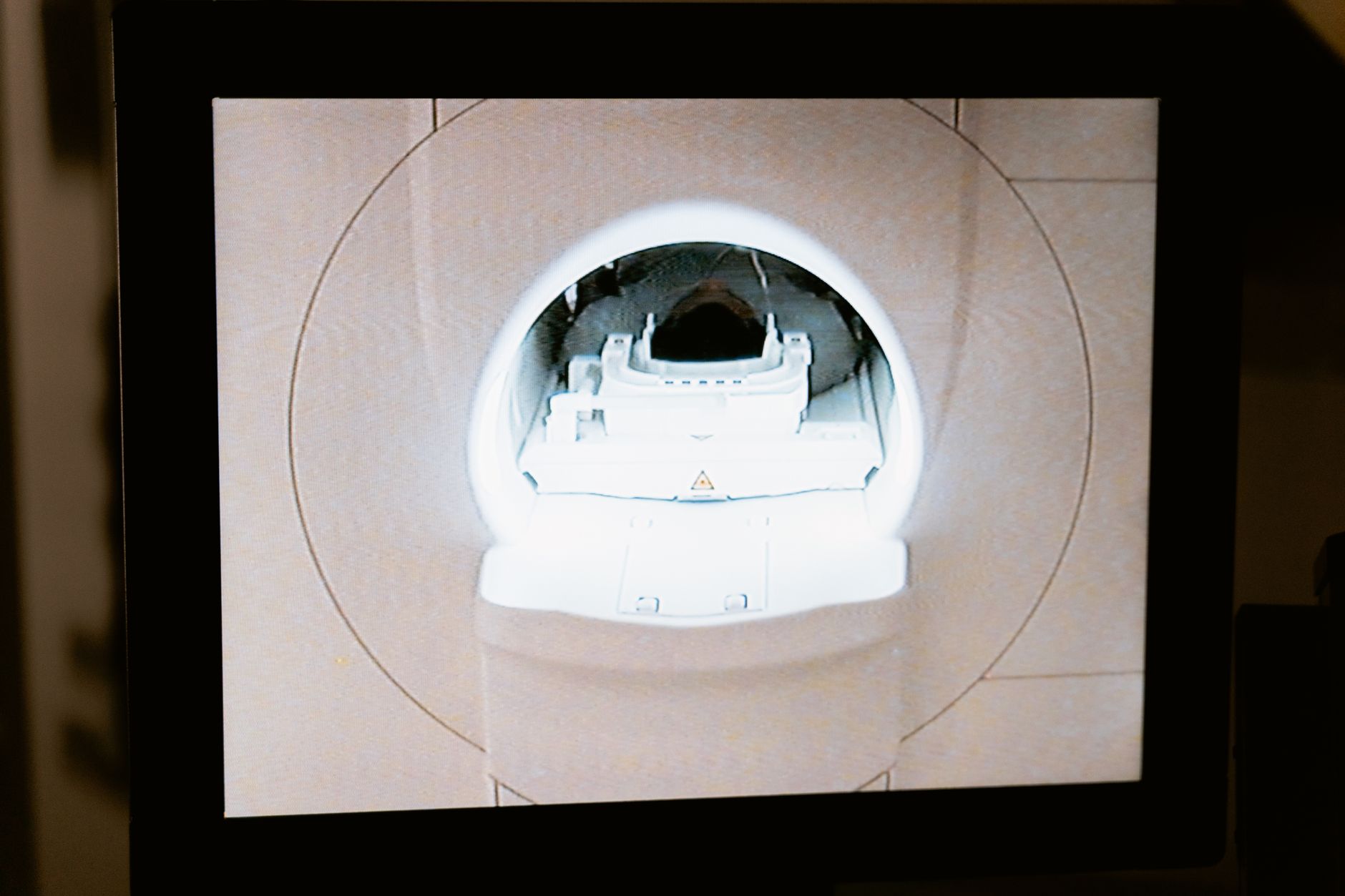
Laparoscopic Myomectomy: The Gold Standard for Fertility Preservation
For many women who wish to become pregnant, laparoscopic myomectomy is the preferred treatment. This surgical procedure removes fibroids while leaving the uterus intact, and it is performed through small abdominal incisions using a camera and fine instruments. Turkish surgeons are highly skilled in advanced laparoscopy and robotic-assisted myomectomy, achieving results that rival open surgery but with less pain and faster recovery.
The procedure involves carefully enucleating each fibroid from the uterine wall and repairing the defect with meticulous suturing. This step is crucial for maintaining uterine strength for future pregnancy. Turkish specialists use the latest energy devices and barbed sutures to ensure a strong, well-healed uterus. Hospital stays are typically one to two nights, and women can return to desk work within two weeks.
Fertility outcomes after laparoscopic myomectomy in Türkiye are excellent, with many patients conceiving naturally or through IVF within a year. Surgeons are careful to minimise trauma to the uterine cavity and to avoid unnecessary incisions. They also provide detailed guidance on the optimal timing for pregnancy after surgery—usually waiting three to six months to allow complete healing. For women with large or multiple fibroids, a robotic approach may be used to enhance precision and dexterity, further protecting fertility.
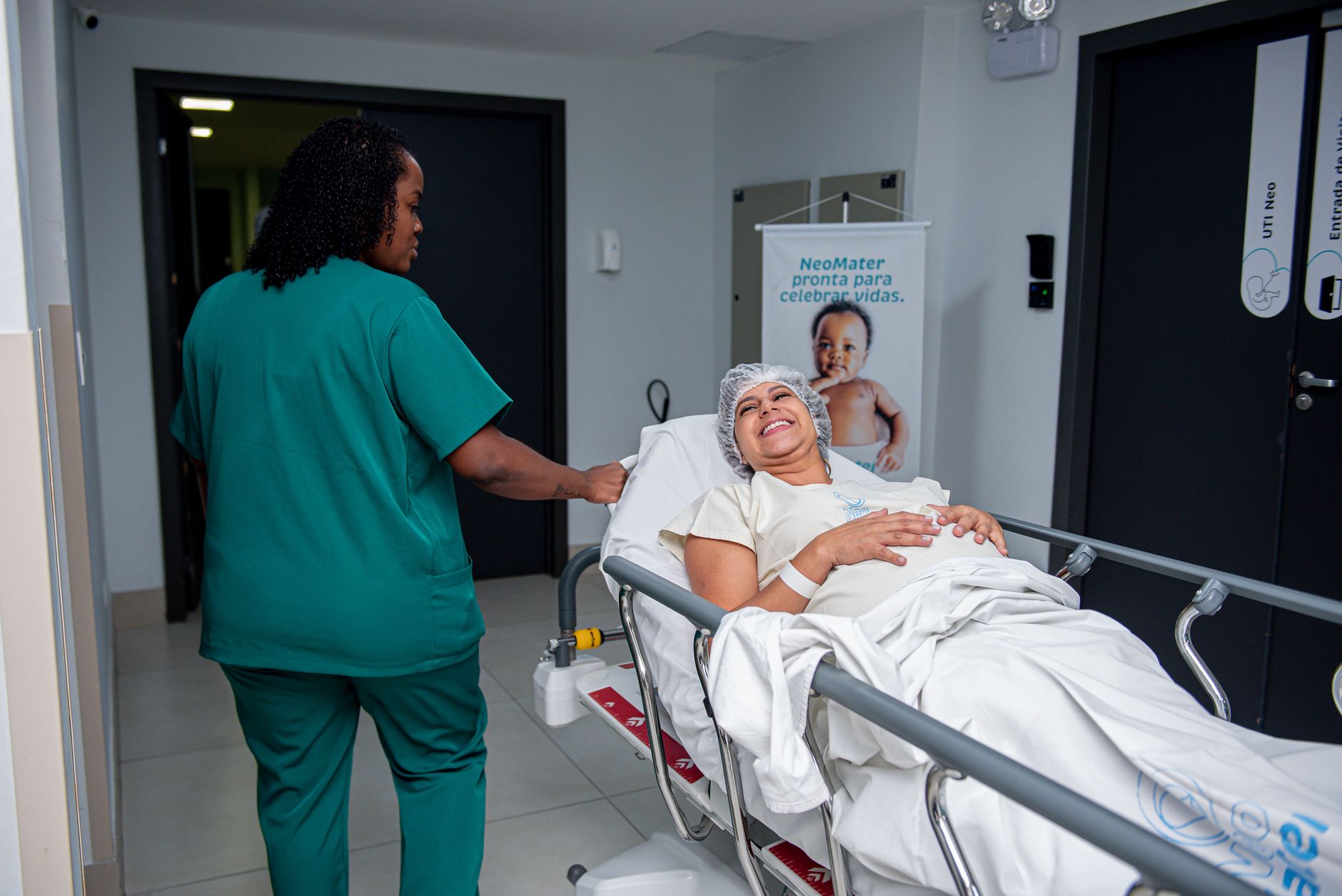
How Turkish Hospitals Coordinate Your Care in One Visit
One of the greatest advantages of choosing Türkiye for fibroid treatment is the efficiency of its medical tourism infrastructure. Leading hospitals have international patient departments that arrange everything: visa support, airport transfers, accommodation, and interpreter services. Most importantly, they compress the diagnostic and treatment timeline into a single visit, saving you time and travel.
Your journey typically begins with a teleconsultation. You send your medical records—MRI or ultrasound images, reports, and history—and a specialist reviews them before your arrival. A preliminary treatment plan is discussed, so you know what to expect. Once you land in Türkiye, you undergo any necessary imaging on the same day or the next. This might include a 3T MRI to precisely map fibroids, or a saline infusion sonography to evaluate the uterine cavity.
Consultations with the gynaecologist and interventional radiologist are scheduled back-to-back, often within 24 hours. If surgery is indicated, it can be performed within a day or two, depending on pre-operative preparations. This seamless coordination is made possible by hospital teams who work closely together—radiologists, surgeons, nurses, and coordinators—all focused on your outcome. After the procedure, you'll have follow-up appointments and a detailed recovery plan before you fly home. Many patients are surprised at how quickly and smoothly everything unfolds.
Fertility Preservation: A Core Value in Turkish Gynaecology
Turkish gynaecologists are renowned for their commitment to fertility preservation. They understand that fibroids can be a source of great anxiety for women who dream of motherhood, and they go to great lengths to protect that dream. Whether through myomectomy, UAE, or RFA, the goal is always to remove the problem while keeping the uterus and ovaries functioning optimally.
In cases where fibroids are large or numerous, surgeons may use a combination of techniques—for example, pre-operative embolisation to shrink fibroids before myomectomy, reducing blood loss and making surgery safer. They also collaborate with reproductive endocrinologists to coordinate IVF if needed, ensuring a holistic approach to family building. This multidisciplinary teamwork is a hallmark of top Turkish hospitals.
Moreover, patients receive honest, evidence-based counselling about the impact of each treatment on fertility. If there is any uncertainty, your doctor will explain it clearly and discuss alternatives. You are never pressured into a decision; instead, you are empowered with information to choose what's right for you. This ethical, patient-first philosophy has earned Turkish clinics the trust of thousands of international patients.
What to Expect: Your Patient Journey from Consultation to Recovery
From the moment you enquire, you'll be assigned a dedicated coordinator who speaks your language. They will help you gather records, arrange a video call with the specialist, and provide a cost estimate. Transparency is key: you'll know the price of the procedure, hospital stay, and follow-up before you commit. There are no hidden fees.
Upon arrival, you'll be met at the airport and taken to your hotel or the hospital, depending on your schedule. Pre-operative tests are done swiftly, and you'll meet your surgical team. The day of the procedure, you'll be in the hands of experienced professionals who prioritise your comfort and safety. Aftercare is equally important: you'll receive written instructions, medication, and a direct line to your coordinator for any questions.
Before returning home, you'll have a final check-up and a plan for follow-up with your local doctor. Turkish hospitals also offer telemedicine follow-ups, so you can continue to receive guidance from your specialist. Many patients describe the experience as surprisingly stress-free, thanks to the seamless organisation and genuine warmth of the staff.
Conclusion: Empowering Choices for Women's Health in Türkiye
Türkiye has rightfully earned its reputation as a leader in uterine fibroid treatment. With a full spectrum of fertility-sparing options—UAE, RFA, and laparoscopic myomectomy—and a healthcare system that values efficiency and compassion, it offers women a path to relief without compromising their dreams of motherhood. The expertise of Turkish specialists, combined with the country's modern hospitals and patient-centric approach, makes it a top choice for international patients.
If you are considering treatment for fibroids, we encourage you to explore what Türkiye has to offer. Reach out to a reputable hospital, share your story, and let the experts guide you. Your health and fertility are precious, and in Türkiye, you'll find a team that treats them with the utmost respect and skill.
Thinking about treatment in Turkey?
Share your contact details and a verified doctor will follow up with a plan built around you — free, no obligation.